FPS games often obsess over balance — but what if too much balance actually makes enemies boring? In this video I break down why some of the best FPS enemies are intentionally unbalanced, and how that design choice creates more engaging combat.
Using the Komodo enemy from Doom: The Dark Ages as the main example, we take a deep dive into what makes great enemy design in shooter games. Instead of relying on simple bullet sponge enemies with large health bars, the best FPS enemies challenge players through complex behavior, unpredictable movement, and constant pressure.
Many FPS games treat difficulty as bigger health bars or stronger damage numbers. But real difficulty comes from enemy complexity — enemies that disrupt the player’s rhythm, force adaptation, and create chaotic combat encounters that keep the player fully engaged.
In this video we analyze:
Why balanced enemies can sometimes make FPS combat boring
The problem with bullet sponge enemies in shooters
How enemy complexity creates better gameplay
Why the Komodo from Doom: The Dark Ages is one of the best examples of modern FPS enemy design
How unpredictable enemies push players to think, adapt, and stay engaged
Shooter games have always relied on satisfying gunplay to carry the experience. But when you combine great gunplay with complex, chaotic enemy design, the result is some of the most intense and memorable combat a game can offer.
If you enjoy discussions about FPS game design, enemy AI, and combat mechanics, consider subscribing. I regularly post videos analyzing what makes games fun, engaging, and well-designed.
I’d also love to hear your thoughts:
What enemies in FPS games stood out to you as particularly challenging or interesting? Share your examples in the comments and start a discussion.

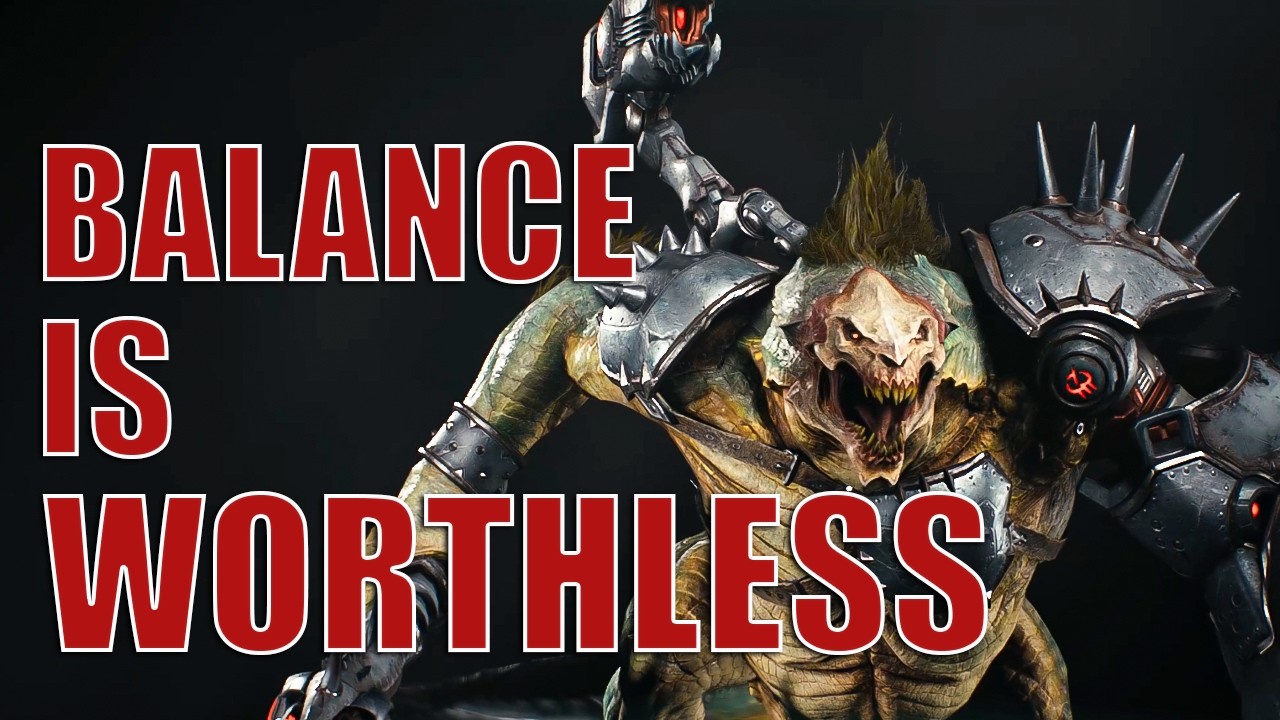
FPS games often obsess over balance — but what if too much balance actually makes enemies boring? In this video I break down why some of the best FPS enemies are intentionally unbalanced, and how that design choice creates more engaging combat.
Using the Komodo enemy from Doom: The Dark Ages as the main example, we take a deep dive into what makes great enemy design in shooter games. Instead of relying on simple bullet sponge enemies with large health bars, the best FPS enemies challenge players through complex behavior, unpredictable movement, and constant pressure.
Many FPS games treat difficulty as bigger health bars or stronger damage numbers. But real difficulty comes from enemy complexity — enemies that disrupt the player’s rhythm, force adaptation, and create chaotic combat encounters that keep the player fully engaged.
In this video we analyze:
Why balanced enemies can sometimes make FPS combat boring
The problem with bullet sponge enemies in shooters
How enemy complexity creates better gameplay
Why the Komodo from Doom: The Dark Ages is one of the best examples of modern FPS enemy design
How unpredictable enemies push players to think, adapt, and stay engaged
Shooter games have always relied on satisfying gunplay to carry the experience. But when you combine great gunplay with complex, chaotic enemy design, the result is some of the most intense and memorable combat a game can offer.
If you enjoy discussions about FPS game design, enemy AI, and combat mechanics, consider subscribing. I regularly post videos analyzing what makes games fun, engaging, and well-designed.
I’d also love to hear your thoughts:
What enemies in FPS games stood out to you as particularly challenging or interesting? Share your examples in the comments and start a discussion.