
The fighting game genre has had some pretty timeless classics over the years. There’s the deceptively complex gameplay of Street Fighter 2, the iconic visuals of Mortal Kombat, the dizzying depth of Soul Calibur 2, and the flashiness of Guilty Gear XRD, just to name a few. It’s a genre that is always evolving, with new entries in each of those series (as well as adaptations of outside media, like Dragon Ball FighterZ and Injustice 2) all building on the same foundational game design ideas to refine new games into instant classics.
One of the best examples of a creative approach to fighting games is Super Smash Bros., with the first game in the series becoming a surprise hit on the Nintendo 64. The second entry in the series, Super Smash Bros. Melee, remains a perennial favorite in the pro gaming world, while Super Smash Bros. Ultimate felt like the pinnacle of the series in many ways. However, it’s Super Smash Bros. Brawl — which debuted in North America on March 9, 2008 — that remains arguably the best entry in the series and a practically perfect fighting game.
Super Smash Bros. Brawl Is A Perfect Fighting Game
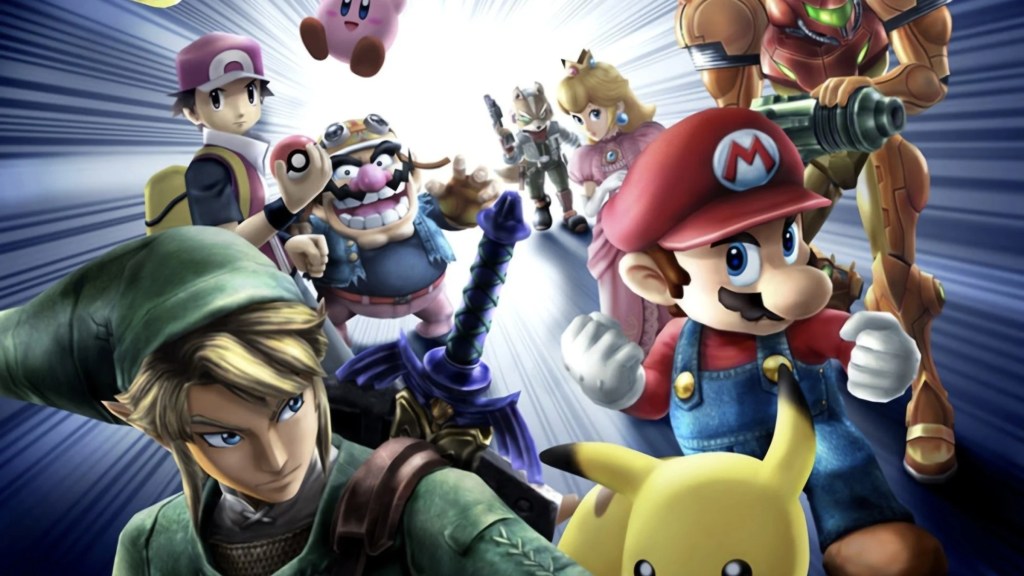
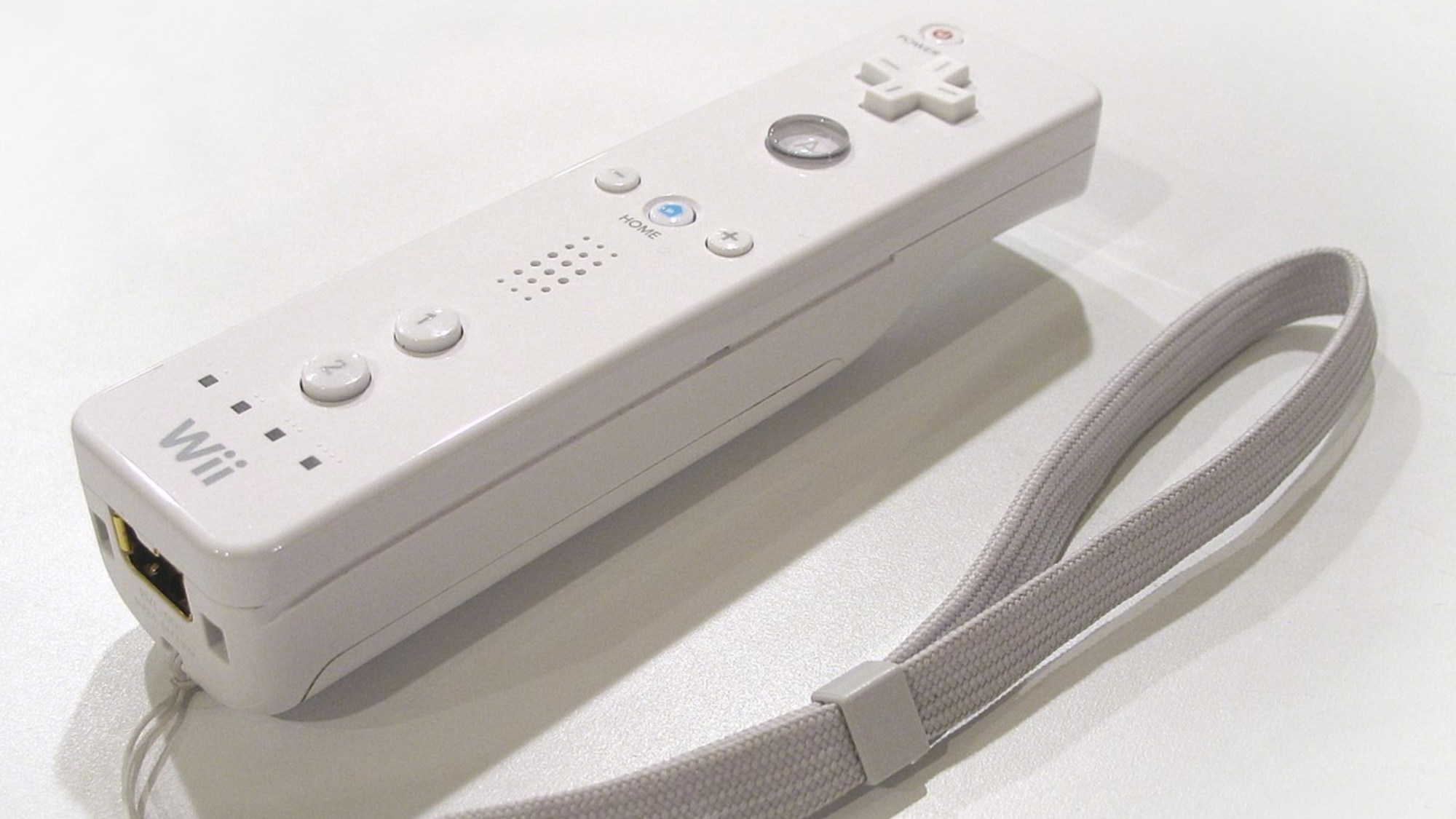
While every entry in the series has its fans, Super Smash Bros. Brawl is everything I love about the series distilled into one tight package. The third entry in the series, Brawl was the Nintendo Wii’s take on the crossover fighting game. With an expanded roster and new control methods afforded to players who embraced the Wii-mote and nunchuk, Brawl retained much of the charm and craft of the previous games. Elements like the Final Smash and Assist Trophies add more chaos to the game, befitting the enhanced speed and faster pace of Brawl when compared to Super Smash Bros. Melee. The expansive cast put emphasis on different gameplay styles, encouraging experimentation with new characters. The game formally established that the series could incorporate faces from other franchises, with Sonic and Solid Snake opening the door for other brands to get into the game.
The stage creator introduced a level of customization to the experience that allowed players to craft countless new challenges and tweaks to the gameplay that added potentially limitless depth to the experience. The game also featured a genuine campaign mode that blended traditional battles with a side-scrolling experience that was a retro blast for old-school Nintendo fans. “The Subspace Emissary” even came with vivid cinematics that threw Nintendo icons together for plenty of unexpected partnerships and exciting team-ups, with the likes of Bowser and Ganondorf teaming up for the kind of story that die-hard Nintendo fans had been waiting their entire life to see.
All of this depth was on top of the already refined gameplay mechanics of the Super Smash Bros. series, which remained a refreshing four-player contrast to the typical fighting game mechanics of other franchises. Super Smash Bros was already an all-time contender in the fighting genre thanks to the original game and the enhanced sequel, but Brawl took it even further. While subsequent sequels like Super Smash Bros. Brawl built on all that success, the level of depth afforded to Brawl makes it stand out even amongst the rest of the series.
Why Super Smash Bros. Brawl Is The Best
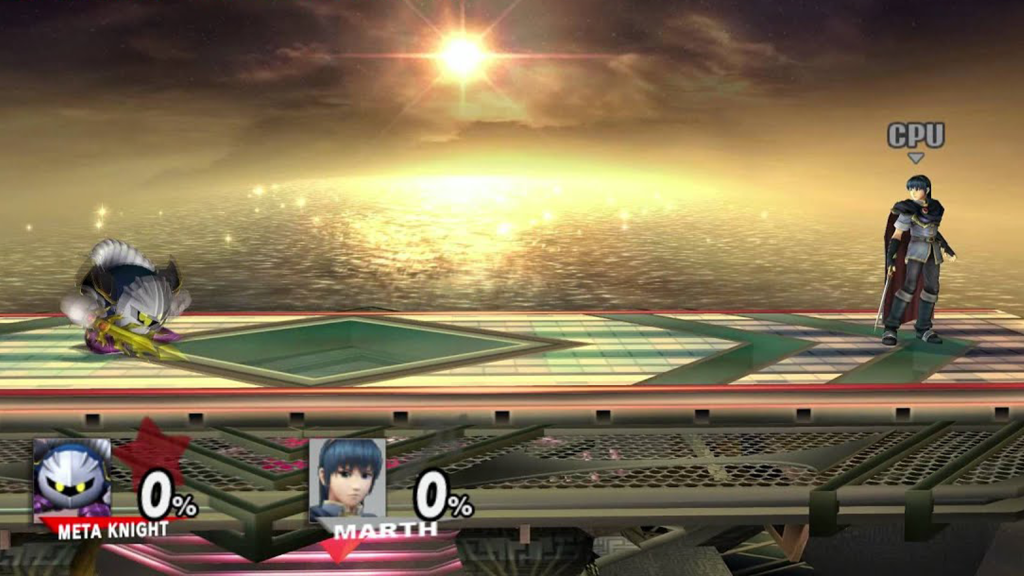
Brawl is a personal favorite for a lot of reasons. It was the newest entry in the series when this writer was a freshman in college, which meant it became a mainstay of the dorm room. While the earlier entries had their place in that gaming ecosystem, the sheer depth of Brawl both as a creative outlet, a single-player experience, and a multiplayer bonanza, ensured that it was constantly being played. As a lifelong fan of the series, it was exciting to see the game expand in massive new ways, with the enhanced single-player campaign and crossover potential adding potential for further expansions in later games. The stage creator meant that players could throw each for a loop and introduce challenges expressly meant to mess with one another, encouraging a level of interaction with the underlying game design that simply wasn’t there with previous games. That pacing and speed was a crucial element, ensuring that every 1-on-1 duel or chaotic free-for-all moved at a great pace.
The stickers added to the solo campaign as a stand-in for leveling up a character served as a great way to expand on the trophy section of Melee, helping turn the game into a living, breathing museum to the history of not just Nintendo but gaming at large. Super Smash Bros. Brawl was a delight to play from the second it first booted up, with a level of depth that Nintendo would expand upon in the future — but still has trouble matching, even in newer releases. The game design of Super Smash Bros. is inherently more chaotic than most fighting games, which means that there’s a level of uncertainty in each match that can be thrown off by unexpected items, tweaked rule mechanics, and stage changes.
The result is a fighting game that truly stands the test of time. Even after it’s been out for nearly twenty years, it’s hard to find almost any faults with the game, with the cartoonish graphics still looking good multiple console generations later. If you’re a fighting game fan, you’re going to have your personal favorites — and Super Smash Bros. Brawl is mine. It just helps that the game is more or less flawless on a technical level, making it easier to wholeheartedly argue that it’s among the best entries in the history of the genre.