
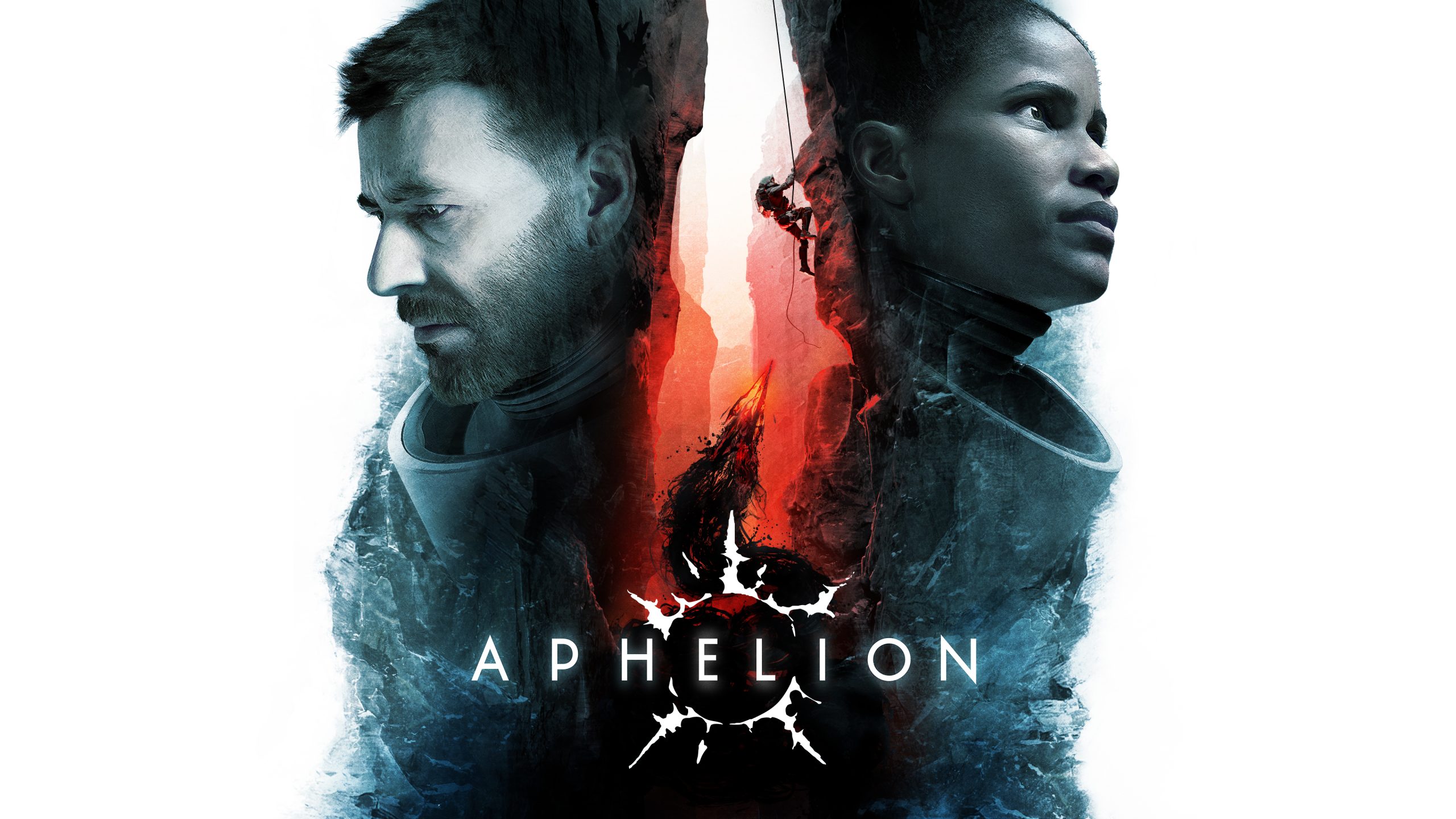
Wccftech recently attended a remote press presentation in which French developer DON’T NOD (Life is Strange, Vampyr, Banishers: Ghost of New Eden, Lost Records: Bloom & Rage) unveiled an extended preview of Aphelion, their upcoming sci-fi narrative-driven adventure game, showcasing two early chapters that introduced the game’s hostile alien world and the mechanics that will define the experience. The presentation was led by Dimitri Weideli, executive producer, and Florent Guillaume, creative director, who walked us through gameplay and then answered some questions.
In this article:
A Desperate Mission Gone Wrong
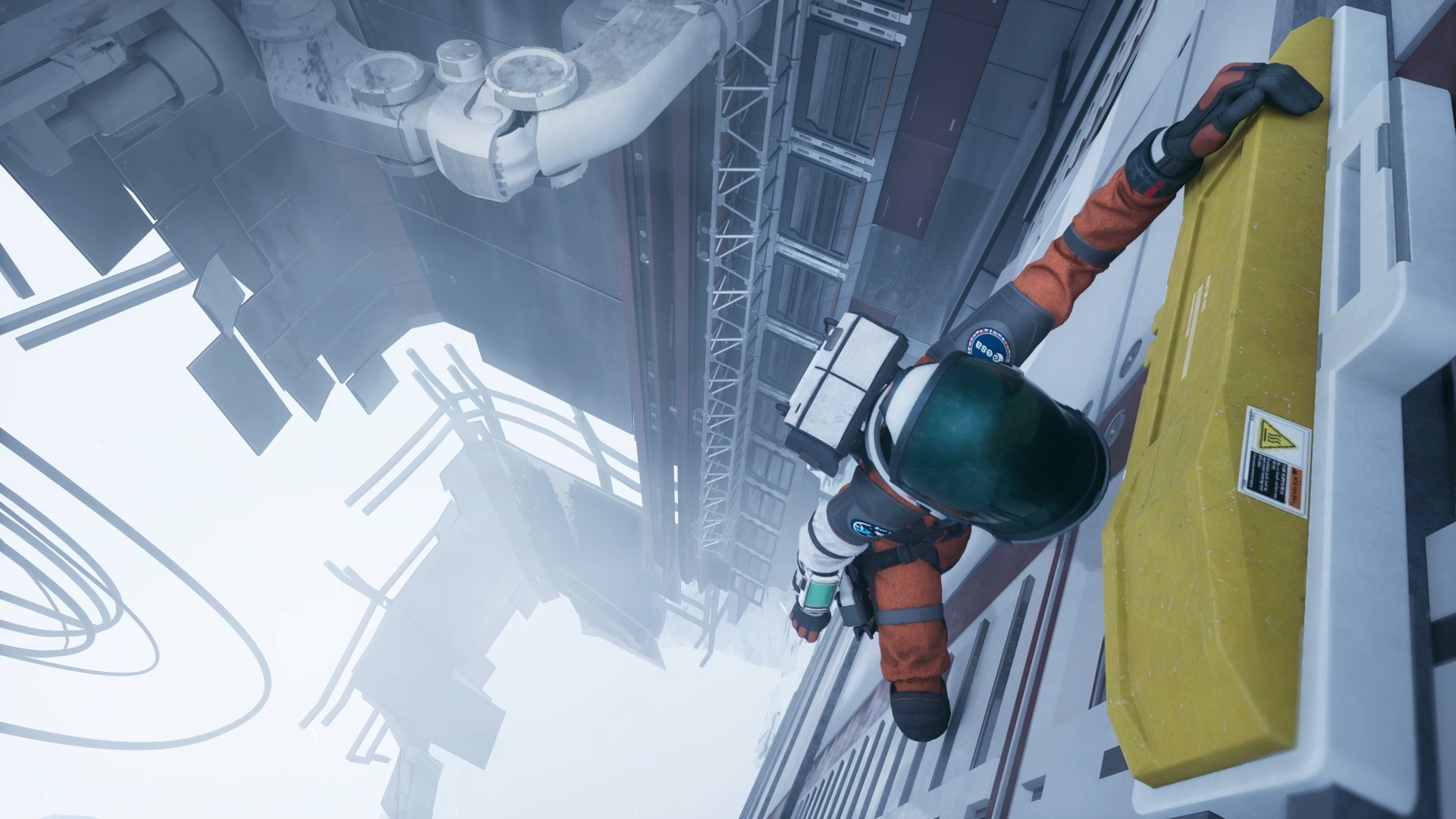
Set in 2062, Aphelion tells the story of astronauts Ariane Montclair and Thomas Cross, who crash-land on Persephone, a newly discovered icy planet at the edge of the Solar System. With Earth in a catastrophic crisis due to global warming, humanity had hoped this world could offer salvation, but the exploratory mission goes wrong from the start. The game opens right after the crash, with Ariane alone in the wreckage of her upside-down spacecraft, desperately trying to contact her missing companion, Thomas. Right away, let us clear up that this will be a linear narrative, not a branching story like Life is Strange.
Active Climbing and the Partnership with the ESA
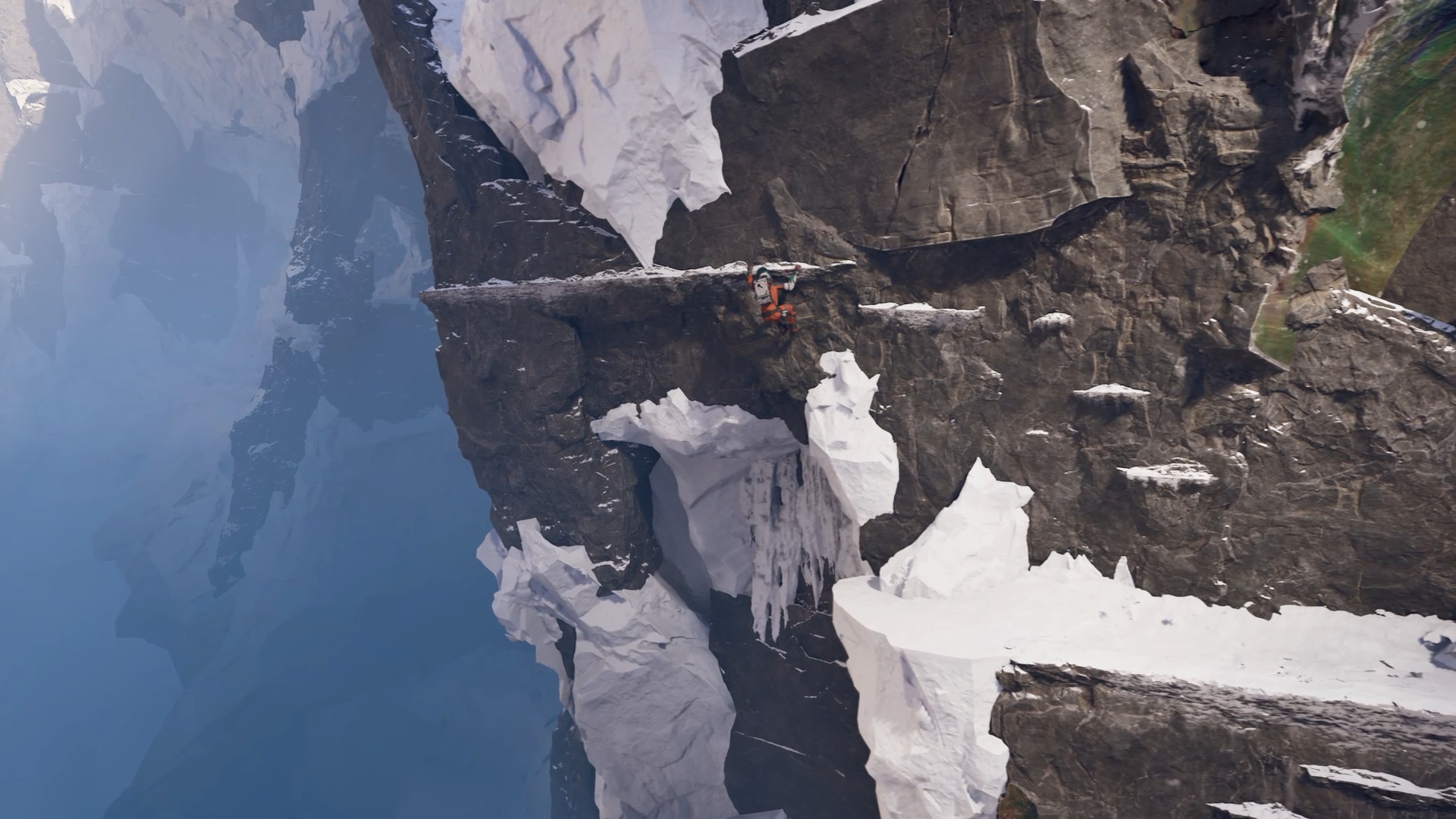
DON’T NOD revealed that Aphelion’s gameplay centers on three pillars: exploration, traversal, and stealth. The climbing system requires active player input. Unlike in most other action/adventure games, ledges don’t automatically grab, forcing players to time their button presses or risk falling. The development team, which shares some members with the folks behind the climbing game Jusant, deliberately chose a more accessible yet time-focused approach rather than Jusant’s more systemic mechanics.
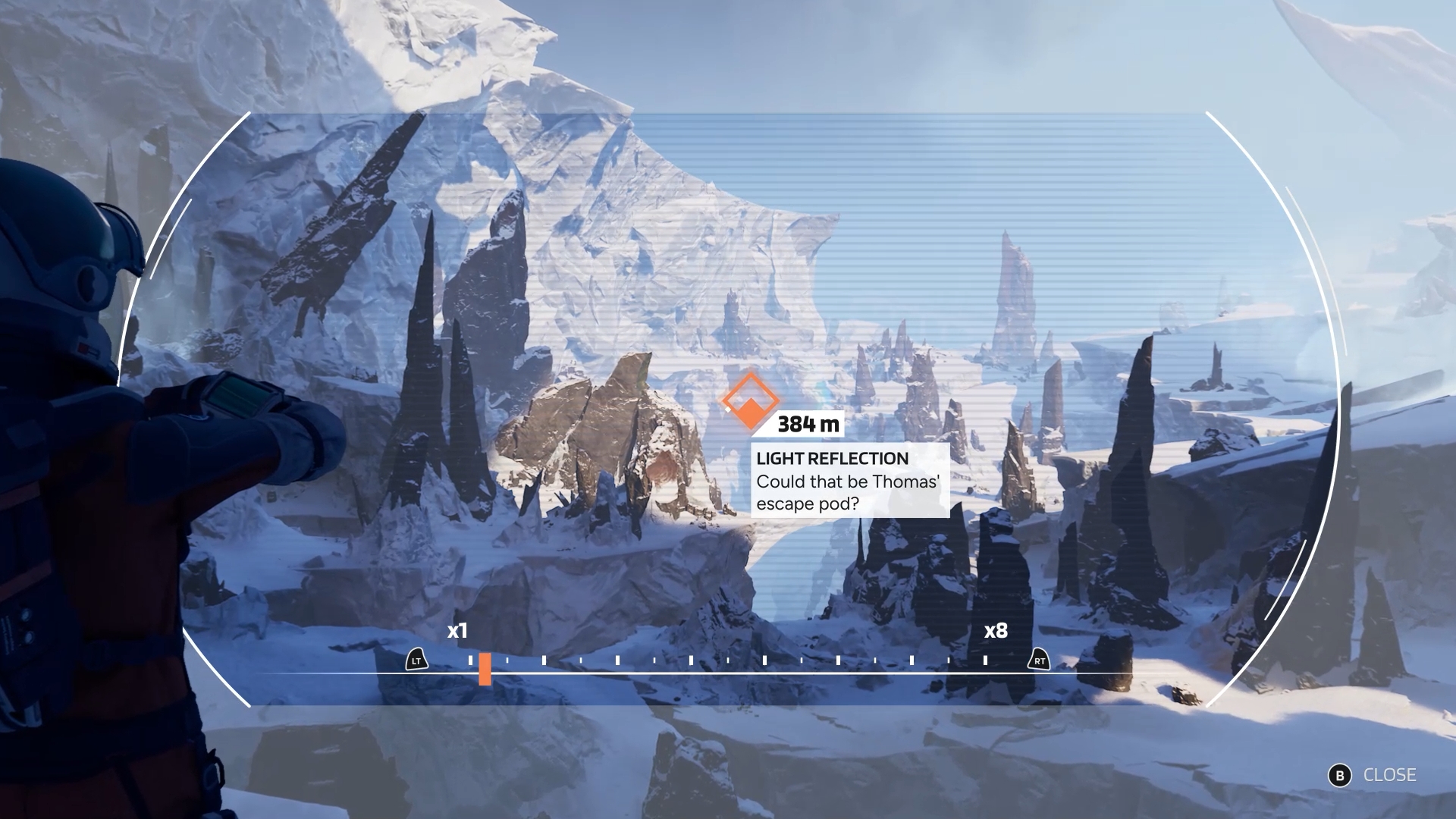
Ariane is equipped with essential tools for navigating the planet’s highly vertical terrain, including a grappling hook that allows her to rappel up and down surfaces and even gain momentum to reach distant ledges. The Navigator, a tracking device, helps mark objectives and navigate the environment without cluttering the screen with UI elements. Persephone itself was described by the developers as the other character in the game. Its melting ice creates both dangers and new areas to explore.
The developers worked closely with the ESA (the European Space Agency) to create a believable near-future setting, basing Persephone on the hypothetical Planet Nine scientists are currently searching for in our solar system after noticing unusual patterns in the Kuiper Belt, the region beyond Neptune filled with icy bodies and dwarf planets.
The Nemesis: A Relentless Hunter
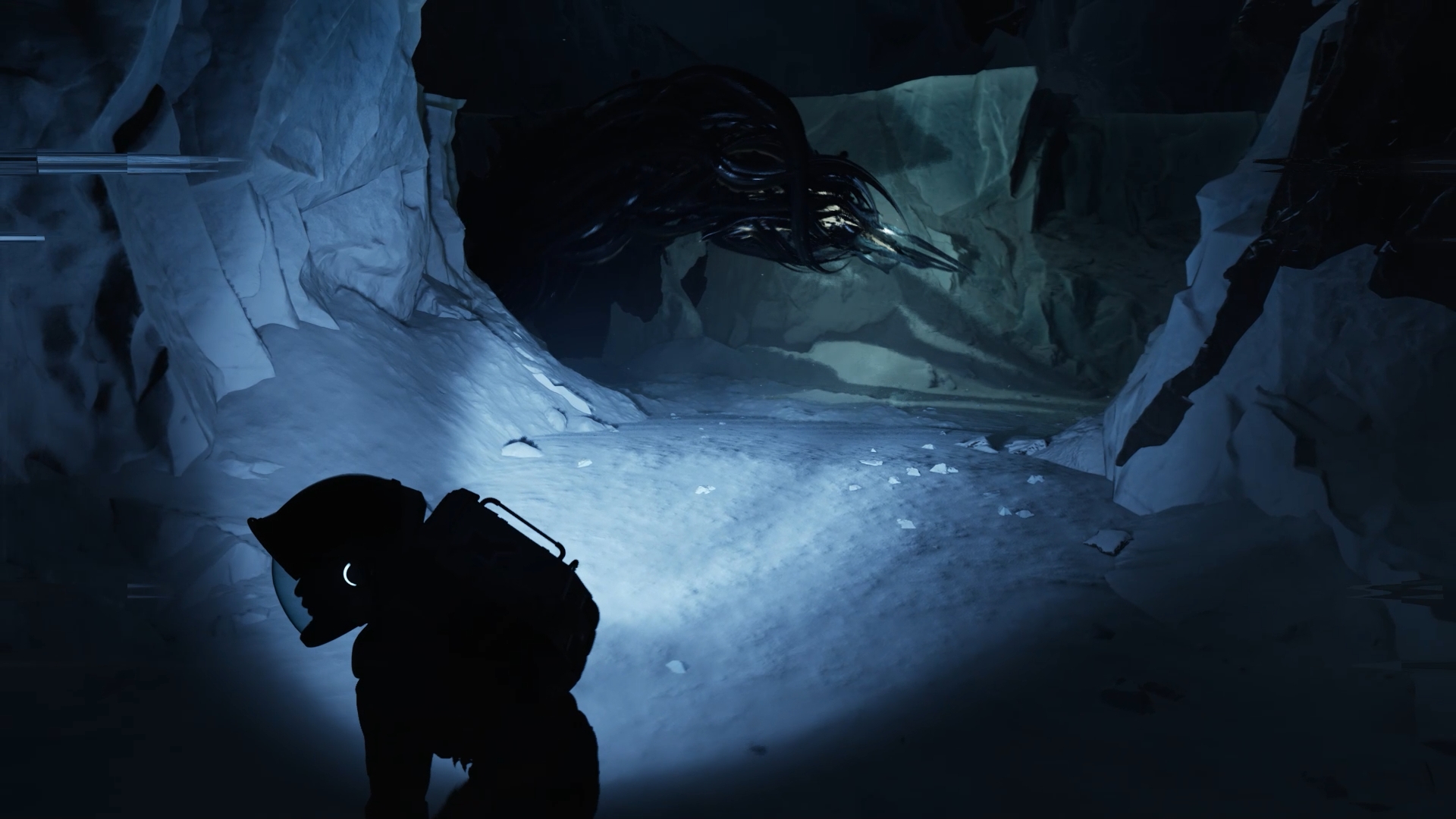
The presentation then moved to the game’s second chapter, introducing players to the one and only living threat: the so-called Nemesis, a hostile life form native to the planet. This creature, composed of water in its various states (liquid, ice, gas), is blind but extremely sensitive to vibrations and sound.
Unlike traditional videogame foes, the Nemesis cannot be killed and was designed to be a persistent threat chasing players throughout the entirety of Aphelion. The developers cited Creative Assembly’s Alien: Isolation as an obvious inspiration while noting their unique twist: while Amanda Ripley had to avoid being seen, the astronauts in this game must avoid being heard.
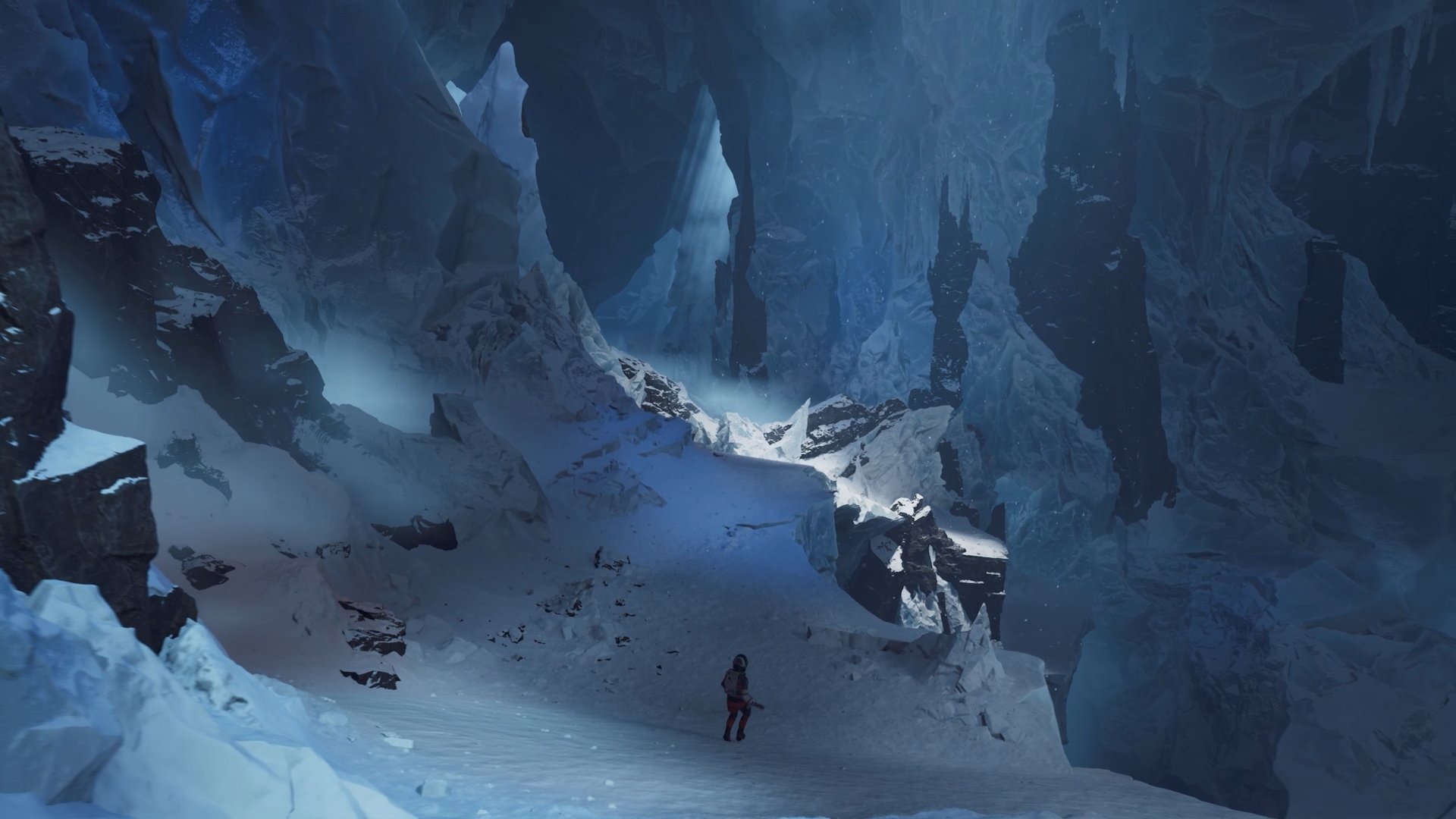
The creature’s presence causes technology to malfunction, and Ariane’s flashlight flickers as a warning that danger is near. Early encounters with the Nemesis take place in claustrophobic cave systems designed to feel like a maze, heightening tension as players navigate them in near-darkness.
The game also features stealth sections that require very careful movement, because sprinting and climbing create noise that attracts the Nemesis to your location. Players can use the Navigator to track the creature’s patrol patterns, though these patterns change dynamically based on player actions. As the game progresses, the Nemesis gains new abilities, while the players acquire tools such as decoys to manage subsequent encounters with the life form.
Two Perspectives, One (Linear) Story
Aphelion is composed of 11 chapters, each roughly an hour long, alternating between Ariane and Thomas. While Ariane’s gameplay focuses on traversal and stealth encounters with the Nemesis, Thomas offers a more traditional DON’T NOD narrative experience (although we had to take the developer’s word for it, since it wasn’t part of the presentation). Thomas was injured in the crash, limiting his physical abilities and making his gameplay more investigation-focused. He also faces unique survival challenges, such as managing oxygen levels.
A key narrative device has the astronauts recording audio logs of their discoveries and feelings. While initially unable to communicate, the characters will eventually find a “supernatural way” to access each other’s logs, creating an emotional connection despite their physical separation.
Accessibility Over Difficulty
Rather than traditional difficulty settings, Aphelion offers extensive accessibility options. Players can disable manual ledge-grabbing, remove balancing challenges on thin ice, add persistent overlays to highlight climbable surfaces, and adjust measurement-based timing challenges related to the Nemesis encounters.
The developers emphasized their intention for the game to be challenging yet accessible, believing that difficulty creates a sense of reward when players learn from mistakes. However, they want to ensure everyone can experience the story regardless of skill level.
Following the underwhelming commercial performance of Banishers: Ghosts of New Eden and Jusant (despite the fact that they’re good games, especially Banishers), DON’T NOD is hoping to bounce back. The game certainly looks interesting enough, although we’ll have to play it first before we can assess its true value. Aphelion is scheduled to launch this year on PC, PlayStation 5, and Xbox Series S|X; it will be available on Game Pass from day one.
Developer Q&A
Would you mind telling us more about ESA’s work and their inspirations for the game?
Florent Guillaume: Yes. As you know, we worked with ESA on this project because doing a sci-fi work, especially this type… We’re not doing sci-fi fantasy, we’re trying to do science fiction in a near future that is a projection of our current world. This planet we’re exploring, Persephone, is actually based on what we call a “what if” scenario, because there is currently a search in our solar system for a new planet, a ninth planet. ESA really helped us through our understanding of space and the solar system, how to make this planet believable in our world, and also about our characters. We developed the characters and the technology thanks to them because we’re not so far in the future, only about 40 years. They were with us to define this planet, the characters, their gear, and their tools, and to inform the narrative as we crafted the story to really understand the lives of these people and their thoughts and concerns.
Are both Ariane and Thomas playable characters in the game?
Florent Guillaume: Yes. The main character is Ariane, the Erin of the game, and Thomas is the psychic of the mission. They have totally different experiences. Ariane’s experience is based on exploration, traversal, and stealth-based confrontation with the Nemesis. Thomas is much more narrative-focused, so he has fewer scenes and less game time. His gameplay is more traditional to what we do at DON’T NOD with narrative exploration and development. I can’t give too many spoilers about what Thomas finds on the planet, but he’ll be investigating the things he discovers to make the plot progress.
Was the crash caused by an accident?
Florent Guillaume: We skipped the intro cinematic for spoiler reasons, but I can provide some context. Yes, it was an accident, but not a technical one. It was something more mysterious. That’s part of the plot you’ll understand and discover. In a way, the planet is somewhat responsible for what happens in the crash.
Do Ariane and Thomas have different skills?
Florent Guillaume: Yes. Ariane is much more engaged in traversal and action. Thomas is much more engaged in understanding and investigating the phenomena and discoveries I cannot discuss today.
Do certain interactions you do in one chapter with one character affect the other?
Florent Guillaume: That’s an interesting question. The game is linear, which means the story moves forward as you go. There’s no branching scenes or narrative. The characters are separated, which means you play them at different times. But there are relationships between the scenes and characters, as I said, with the logs they’re doing and other stuff linked to the lore of the game. So yes, there are interactions between chapters. Something you do with one character in one chapter will affect the character in another scene, but I can’t go deeper into the explanation here.
Dimitri Weideli: I saw a related question asking if it was like a Life is Strange type game with branching, and no, there is no branching and no multiple endings. There’s one story.
Florent Guillaume: No branching narrative. It’s a proper linear adventure story that moves forward.
Is the name of the protagonist inspired by the Ariane space program?
Florent Guillaume: Yes. Ariane’s name comes from the spaceship program. Ariane is a French astronaut coming from Guiana, so her name comes from the rocket family indeed.
Q: How was ESA involved in the development of Aphelion?
Dimitri Weideli: It’s really a partnership. We had discussions with them about all the questions we had about technology and space. They were very open. Their goal was not to make a scientifically accurate video game. It was more like, “If you have questions about space or technology, let’s go for it.” That was the kind of relationship we had with them.
Will there be more enemies besides the Nemesis?
Florent Guillaume: As I said, there are no other enemies than the Nemesis, but the way it attacks you and behaves will trigger different gameplay. It’s a single enemy always coming back, always chasing you, but the way you play will evolve according to the situation, your behavior, and how it triggers reactions from the Nemesis.
Would you mind giving us more details regarding the inspirations behind the Nemesis?
Florent Guillaume: That’s a good question. The inspiration is pretty broad in terms of science fiction. It ranges from very contemporary modern sci-fi like Interstellar and Arrival to traditional SF like Alien. We can say that Alien is obviously an inspiration, both in terms of lore and games, because we’ve all played different Alien games, especially the one I think you all have in mind. That was obviously a source of inspiration, though the fact that the Nemesis doesn’t see triggers a different way to interact with this kind of alien encounter. It was really interesting for us to play on a different level: not trying not to be seen, but trying not to be heard. That tension was really interesting for us to develop different ways of playing from what we see in traditional games.
Dimitri Weideli: Regarding the artistic direction: Persephone is an icy planet, so there’s a strong connection with water. We wanted an organic enemy made from the planet itself, which is why it has an organic shape.
Florent Guillaume: The Nemesis is made of ice, basically water in its different forms: water, ice, gas. It can blend into the environment, return to the ice, and pop up anywhere in the world. That’s something we’re playing with, because you never know where it can come out. There’s ice everywhere, after all, and it’s made of ice, so it can basically emerge from anywhere.
Are there difficulty levels and accessibility options available for players? in Aphelion
Florent Guillaume: There are no difficulty levels because we didn’t want to categorize players into easy, medium, or hard, making them feel they’re not good enough to play this way. We prefer to propose different accessibility options. We try to give accessibility to the different types of gameplay in the game. For example, traversal and the fact that you have to grab the ledge to avoid falling. For players less at ease with timing challenges, they can remove that and make the game more accessible.
With the Nemesis, there are different options to ease the measurement aspects, because the gameplay is very based on measurement. If it’s difficult for you to gauge an input, you can remove that and turn some parts of the gameplay more binary. There are different accessibility options, and our goal is for everyone to be able to enjoy the same game and story, with options that allow anyone with any kind of difficulty to still play and access the game. You can also activate or deactivate the balancing. When you saw me walking on a thin layer of ice, you can switch that off, and for all the ledges in the game, you can put an overlay on them that stays on all the time to be sure to see your path.
Regarding the yellow ledges question: our goal was to avoid that as much as possible. In the scene we showed, it’s part of the ship, so we tried to make it clear for the player to see the ledges while making it relevant to the situation. In the game’s second part, most of the ledges are organic, made of rock, and blend with the environment. No yellow things everywhere: most of the game has more natural elements. If you don’t see it, though, we have an accessibility option for you.
What’s the balance between cinematics, narrative, and gameplay?
Florent Guillaume: What we’ve shown today is pretty early in the game, and some moments are key moments that require more cinematics and narration. The rest of the game has a different ratio. For example, it’s about 2 minutes of cinematics per 30 minutes of gameplay. The beginning of the game is more narrative heavy than as you progress. There are more challenges and longer gameplay sessions with action and less narration. The game is pretty balanced—the beginning is more narrative-heavy, but that’s pretty classical.
What time span will the story cover?
Florent Guillaume: Aphelion is pretty tightly packaged. It basically takes place in 24 hours. It’s not fully seamless; there are a few ellipses, but it’s pretty tight. It doesn’t span across weeks or months. Everything in this game is oriented toward the characters and their journey. The time span is very focused on the characters.
Is the character voiced by the same actress as Returnal?
Florent Guillaume: No, it’s not the same actress. We’re working with a French actress. Since Arian is French, we cast someone who really fits the role.
Thank you for your time.
Follow Wccftech on Google to get more of our news coverage in your feeds.