

Street Fighter may find itself in a really good place right now (for the most part), but that wasn’t the case a decade ago.
Today marks the 10th anniversary of Street Fighter 5’s launch, which is going to bring up a lot of complicated feelings among the fighting game community, though its history of initial mistakes led to a long road to redemption.
This was actually the first Street Fighter title I was personally present for since the very beginning (and technically before then through the beta tests) considering I didn’t touch Street Fighter 4 until after Super released.
So I got to witness the complete downs and ups of Street Fighter 5, covering it amateurly since 2016 and professionally here at EventHubs since 2018 as a player, spectator and reporter.
The game’s infamous launch and first year pushed away many previous fans for multiple reasons, but it also slowly improved and grew an audience of its own between veterans and talented fresh faces that have stuck around.
It’s no secret that Street Fighter 5 was a barebones experience upon release 10 years ago now, however, it was still something people were initially excited for as the latest installment of the iconic franchise that popularized the genre in the first place.
Street Fighter 5 was rushed out the door, not because it was ready, but because the higher powers between Capcom and PlayStation, who helped fund the project, felt it had to come out for one reason or another.
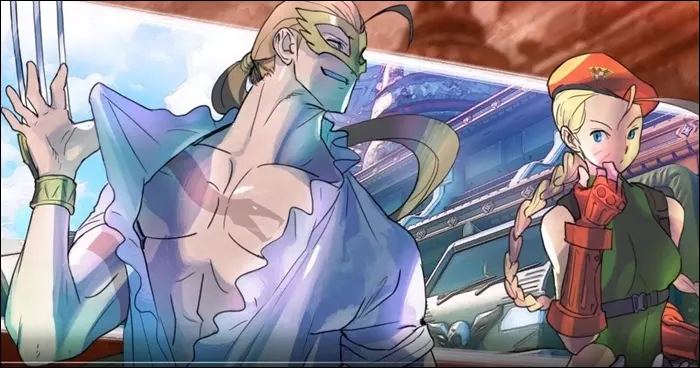
There was very little single-player content to be found mostly relegated to Survival mode and the short character Story modes for the 16 roster members with questionable artwork from someone who was previously considered a legendary artist in Bengus, and they didn’t even include an Arcade ladder.
That left online play to be the main draw of SF5 being the first new game in the series to launch with rollback netcode as well as crossplay between the PlayStation 4 and PC ahead of its time — plus its generous way to purchase characters and stages through the in-game currency of Fight Money.
Said netcode, however, was unstable and led to many matches feeling bizarrely unplayable with visual rollbacks impacting game states regularly, which the game would continue to struggle with through its life.
Even Street Fighter 5’s promised cinematic Story Mode, A Shadow Falls, was delayed at the last minute and released almost six months later as a free update.
While the story clearly had some ambition, it was generally received as mediocre at best and wasn’t nearly up to the level of previous Mortal Kombat and Injustice titles.
This is all on top of more controversies like the Capcom.sys rootkit on PC and infamous 8 frames of input lag that also mired the game’s first year.
Back then, it felt like the game’s only true saving grace was the competitive scene and Capcom Pro Tour.
Street Fighter 5’s gameplay was in many ways developed as a response to what issues players had with Street Fighter 4, which sounds like a good idea on paper, but was far more complicated in execution.
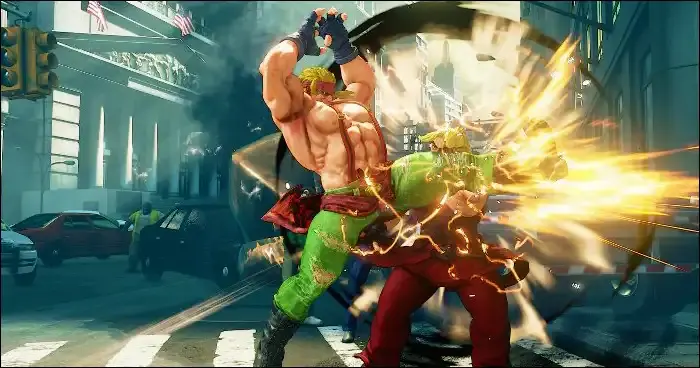
Crush Counters were created to make relying on light attacks a much more risky venture while V-Reversals could stop the dreaded vortex from being overpowering.
They also made V-Triggers and V-Skills to try and differentiate the cast, but ultimately, it felt like there was much less open player expression in how the characters were actually played.
Capcom CEO Kenzo Tsujimoto later admitted that SF5 had a “lack of content” and “needed more polish” though they were the ones that released the game in that state.
Then Producer Yoshinori Ono also stated “we all know that we didn’t put out a complete product, in a way that is a learning experience.”
Street Fighter 5 failed to meet its early sales goals by a pretty wide margin with just 1.5 million copies sold in a year, which raised questions as to the game’s future.
Capcom would fix the 8 frames of lag that year and crowned NuckleDu as the first SF5 Capcom Cup champion (as well as the first American winner).
With Akuma releasing shortly afterwards, it seemed like the game might be on the upswing, but to many, things largely felt the same.
The Season 2 balance update hit many of the “strongest” characters from the first year pretty hard including Ryu, Nash, Chun-Li and R. Mika with the fighters taking a long time to recover in the meta (and some arguably never really did) — while others like Balrog and Urien turned into monsters.
This was unfortunate for me personally as a Nash main since the initial betas. I tried to play Urien for a while, but it wasn’t quite the same.
Besides Akuma, Capcom made the bold choice of releasing all brand new characters for Season 2 with Kolin and Ed not really setting the world on fire from what they were capable of.
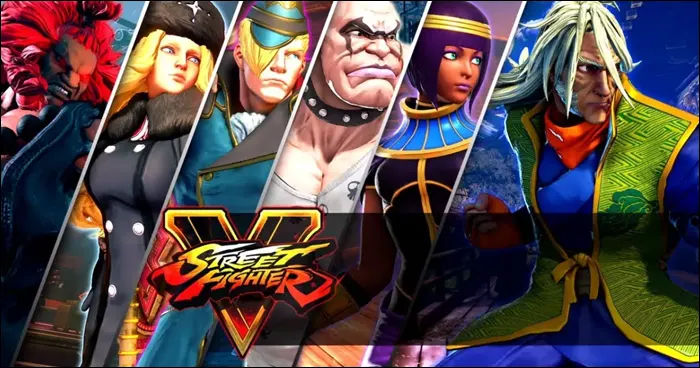
No matter how you feel about him, I view Abigail as the start of the turning point for Street Fighter 5 in terms of making characters feel truly unique and interesting.
Menat and Zeku followed through with the complexities of her orbs and his transformations that helped breathe more life into a community that had grown bored of the game.
Then the big break happened.
Street Fighter 5: Arcade Edition dropped in early 2018 to freshen up the game with new balancing, but more importantly, V-Trigger 2 and an actual Arcade Mode with some unique ladders depending on the character.
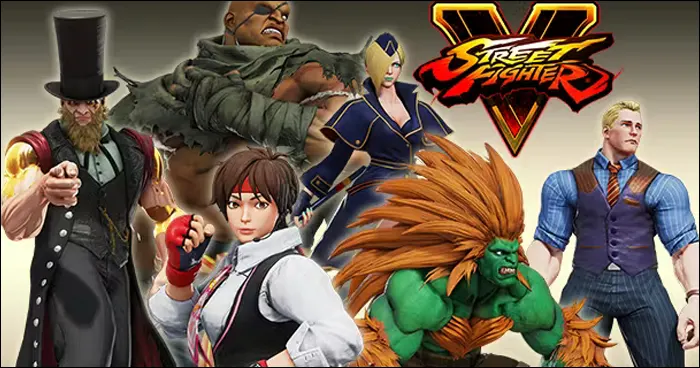
It also brought back some more fan-favorite fighters for Season 3 including Sakura, Sagat, Cody and Blanka as well as introducing us all to the “President of the World” G as an enigmatic figure who stoked many theories as to his goals and connection to Street Fighter 3’s Q.
Street Fighter 5 finally felt like a complete game, but it took two years to reach that point, which was enough to bring back some players but not others.
They also made weekly Missions feel like something worth actually doing by releasing special crossover costumes that players could unlock for free by just completing simple battles four weeks in a row.
Season 4, however, was more of an odd year since while the big yearly update continued to refine and improve the gameplay further, its content releases were a step in a different direction.
Kage launched in December 2018 after Capcom Cup, but it wouldn’t be until August that players received Poison, E. Honda and Lucia all at once after Evo 2019 with their announcement famously leaking early.
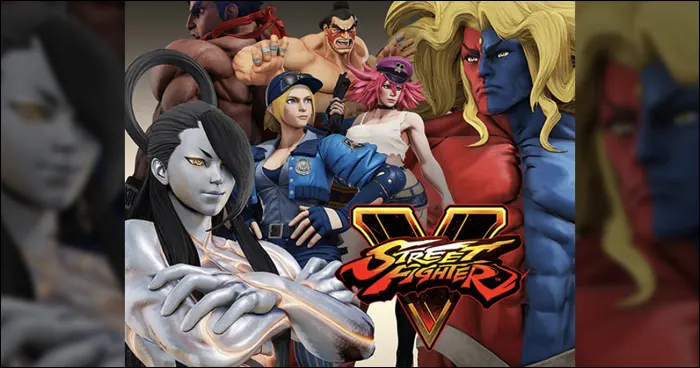
Gill would follow in December with a new balance patch and introduction of V-Skill 2 for every character and then finally Seth in February 2020.
The Street Fighter 4 boss also brought the release of Street Fighter 5: Champion Edition that combined most of the previous content all together.
It felt like Champion Edition marked the end of Street Fighter 5’s major support after four years, and that was the case for a while.
Longtime Street Fighter Producer Yoshinori Ono left Capcom after nearly 27 years in August 2020 with rumors floating around that he was essentially pushed out for SF5’s missteps and alleged issues impacting Street Fighter 6’s development behind the scenes.
It was then that Director Takayuki Nakayama and new Producer Shuhei Matsumoto would take over as the public faces of Street Fighter moving forward, which has continued to this day.
Their SF5 Season 5 reveal felt like the most open Capcom had been about the series in a long time and was a breath of fresh air for communication.
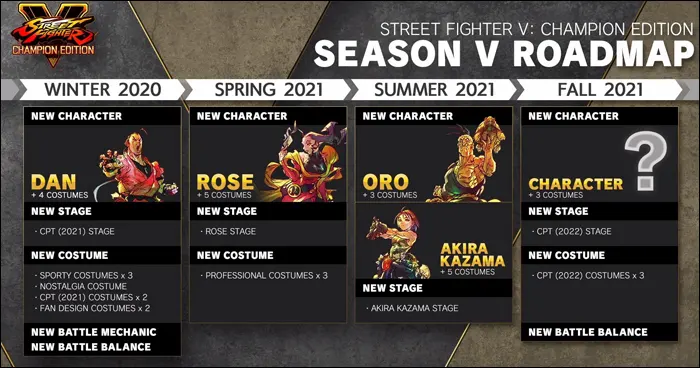
The initially troubled game would try and go out on a high note with one final season, more balance patches, and the introduction of V-Shift as a brand new mechanic to shake up the meta.
This last push would bring back fan-favorites with Dan Hibiki and Rose as well as Street Fighter 3’s Oro, and fans were very excited that Akira Kazama was making the jump over from Rival Schools.
It also set up intriguing plot developments involving Rose, Oro, M. Bison and G, which unfortunately hasn’t been carried over to Street Fighter 6 so far.
They left one more character as a mystery, who was later revealed to be a look at the future of Street Fighter 6 with the protagonist Luke marking the final major DLC for the game.
While the previous four Season 5 characters all got a pretty warm reception, the same couldn’t exactly be said for Luke.
Some players were not too fond of his appearance and design, but the real problem came from his balancing.
Luke quickly shot up to be the best character in Street Fighter 5 with the unique attribute of being able to recharge his activated V-Trigger, which was pretty absurd upon release and the following months.
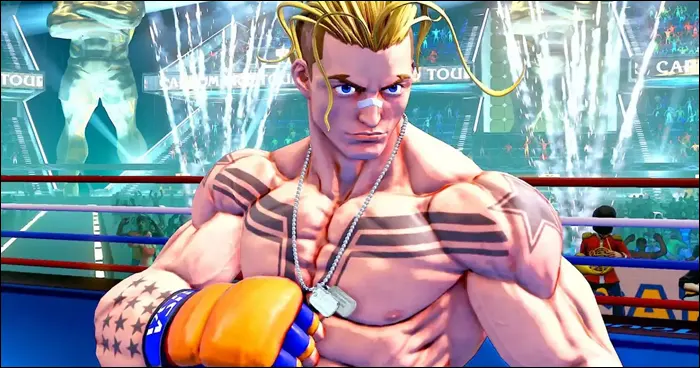
Capcom would attempt to tone him down, however, he still left a sour taste in the mouth of some of the community, which was largely rectified by his portrayal in Street Fighter 6 proper.
Street Fighter 5 ended its life playing the best it ever had with the most variety available, and almost every character on the roster offering something interesting to do.
The developers managed to actually right the ship after years of work and updates, however, a sizable portion of the fanbase would never come back or get invested in the title.
Street Fighter 5’s legacy is a complicated one full of initial missteps and mistakes that took time to rectify, but in the end, it offered the most content in the series as a stark contrast to where it all began 10 years ago.
jokes aside happy 10th to a game that was dogwater garbage on release and ended up among my favourite fighting games of all time
p.s. bring back oro
— Broskі (@broskiFGC) February 16, 2026
Some now applaud the game as one of their favorites in the franchise while others still place it towards the bottom.
Street Fighter 5 has managed to sell 7.9 million copies in a decade, which puts it as Capcom’s 14th best-selling single release of all time, but still behind Street Fighter 4’s combined sales of all its various versions.
And now Street Fighter 6 is already hot on its heels with 6.36 million copies sold after just two and a half years.
It did mark the more user-friendly shift in keeping Street Fighter 5 as one unified title throughout the game’s life instead of the previous status quo of releasing brand new updated games that had grown tiresome and far outdated by the time of Ultra Street Fighter 4 and Ultimate Marvel vs. Capcom 3.
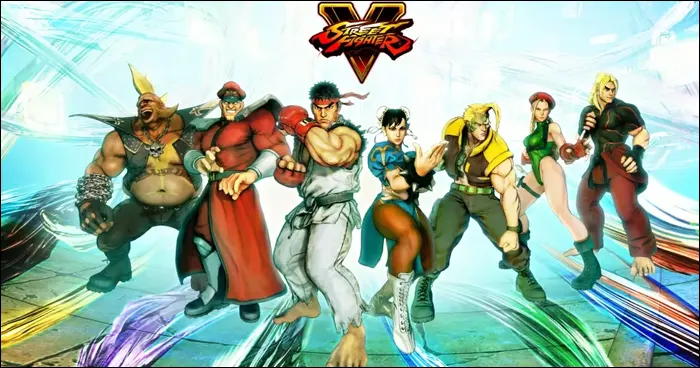
Street Fighter 5’s mistakes would inform the development of Street Fighter 6 as to not repeat them again, and it really paid off for Capcom.
Despite SF5 leaving off in a good place, the game has become entirely overshadowed by its successor having a much stronger and content-filled launch, so Champion Edition doesn’t really get the respect now that we think it ultimately deserves.
In a way, it’s very surprising that Capcom didn’t jump ship after the first few seasons like they did with Marvel vs. Capcom: Infinite, however, they stuck to their guns to create a fighting game the team could be proud of.
Those early years were a dark period for the Street Fighter community, but we wouldn’t be where we are now without those harshly learned lessons.
So happy 10th birthday Street Fighter 5. You were far from perfect, however, I’m glad I saw the game through from the beginning and stuck around to see the heights it could accomplish.