
Walk with me here, everyone, while we wade into the stupidly surreal.
An association of more than 300 universities agrees on fundamental structure for intercollegiate sports.
A handful of prominent, football-playing universities within that association decide winning football games is more important — and legally challenge the structure in courts all over the land.
Advertisement
The next thing you know, the NCAA is legally defending itself from itself.
If it weren’t so comically laughable, it would be so dangerously destructive.
But let’s make something very clear from the jump: If universities weren’t agreeable to players gaming the eligibility system, the system wouldn’t be broken.
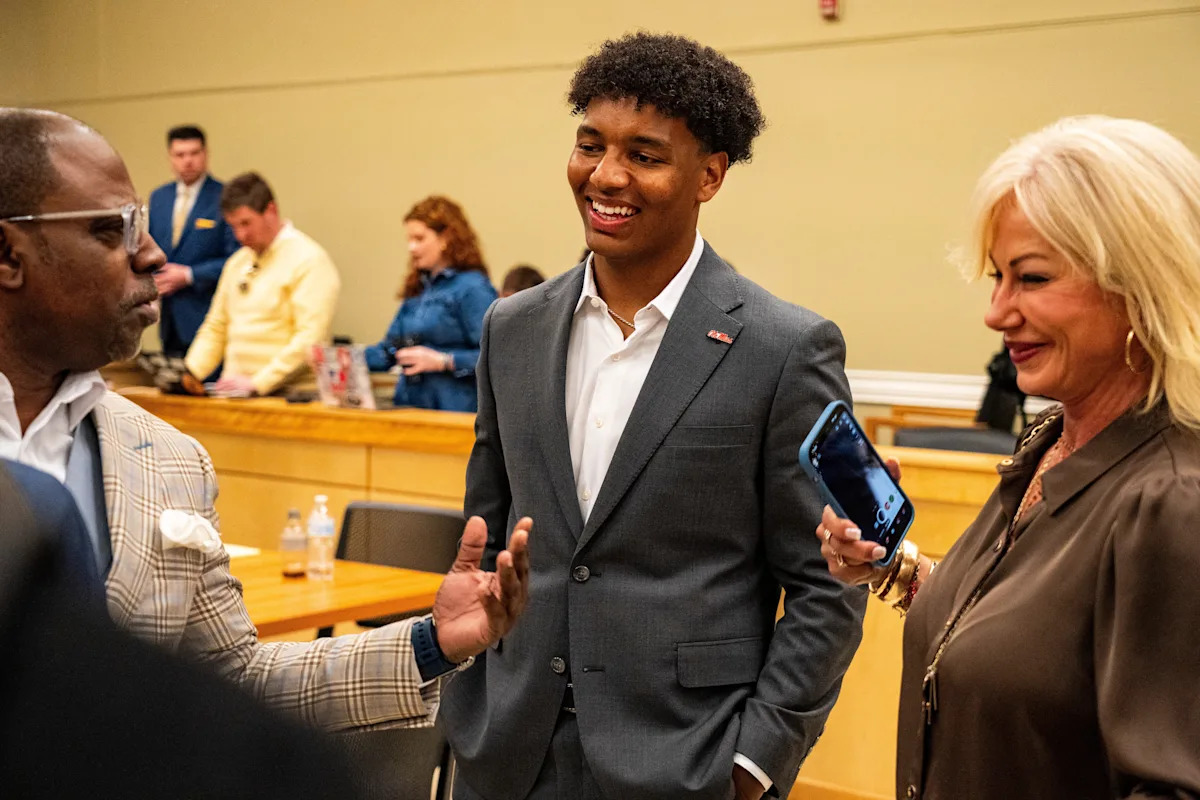
If Ole Miss told star quarterback Trinidad Chambliss — despite his unique medical objections — their association has rules and Ole Miss will follow the rules, the NCAA wouldn’t have been in Calhoun (Miss.) County court all day Thursday defending its foundational structure from the very member who agreed to it in the first place.
Advertisement
Cash is king: One solution to FSU’s $437 million debt — win. Mike Norvell, you’re up
Make a statement: Time for SEC to force Big Ten to join CFP party, or go it alone
If Tennessee told quarterback Joey Aguilar — despite his understandable objections that his NCAA clock shouldn’t have been running while attending junior college — their association has rules and Tennessee will follow the rules, the NCAA wouldn’t have to send a team of attorneys Friday to the Knox (Tenn.) County Chancery Court to defend its foundational structure from the very member who agreed to it in the first place.
The story isn’t that Chambliss on Thursday was granted a preliminary injunction against the NCAA to play in 2026. Or that Aguilar on Friday will also win an injunction to play.
Advertisement
The story is anarchy within the NCAA, poison spreading from institution to institution — with the help of ambulance-chasing attorneys judge shopping to further game the system. And, you know, earn a little cash in the process.
You’re not righting decades of wrong with more wrong heaped onto to it. And certainly not by taking away opportunity for high school players, or younger college players, while playing shell games with an already broken eligibility system.
After the Chambliss ruling, Ole Miss released a stunning statement that all but gave the NCAA two middle fingers.
Advertisement
“Ole Miss will continue to advocate for our student athletes and support them in pursuing every opportunity afforded to them under the rules and the law,” the statement read.
And the law.
Translation: Our rules — that we agreed to — mean nothing. The law does.
Especially when we find the right judge, in the right county, with the right background. The judge who ― I swear I’m not making this up ― had to compose himself while reading his ruling.
The only way it could be easier would be if the NCAA attorneys gave up and walked out before the final ruling. Which is exactly what NCAA attorneys in the Chambliss case did.
Advertisement
That’s right, hightailed it out of there before another legal embarrassment, before another member institution put itself before the association to win football games. And won in court.
Don’t feel sorry for the NCAA, the 300-plus universities decided long ago to manage themselves — and got away with it for about a century. Until the players had enough.
Now they’re sharing media rights revenue, and in some cases, making more money than NFL players.
Now they’re swimming in a sea of tranquility, a no rules free agency structure that allows them to move from team to team every season — and never, ever have academic concerns.
Advertisement
Now they’re hiring high-priced, fancy attorneys to fight for eligibility after five, six or eight years into their NCAA clock. Now they have a willing partner in crime, a self-serving mole within the NCAA structure to help pave the way for groundbreaking decisions.
The self-serving moles who voted for the structure in the first place.
Come on, who cares about rules anymore when players and their new friends, the universities, have the law on their side.
Advertisement
And a handful of judges.
Matt Hayes is the senior national college football writer for USA TODAY Sports Network. Follow him on X at @MattHayesCFB.
This article originally appeared on USA TODAY: Trinidad Chambliss gets injunction, but not without help from Ole Miss