
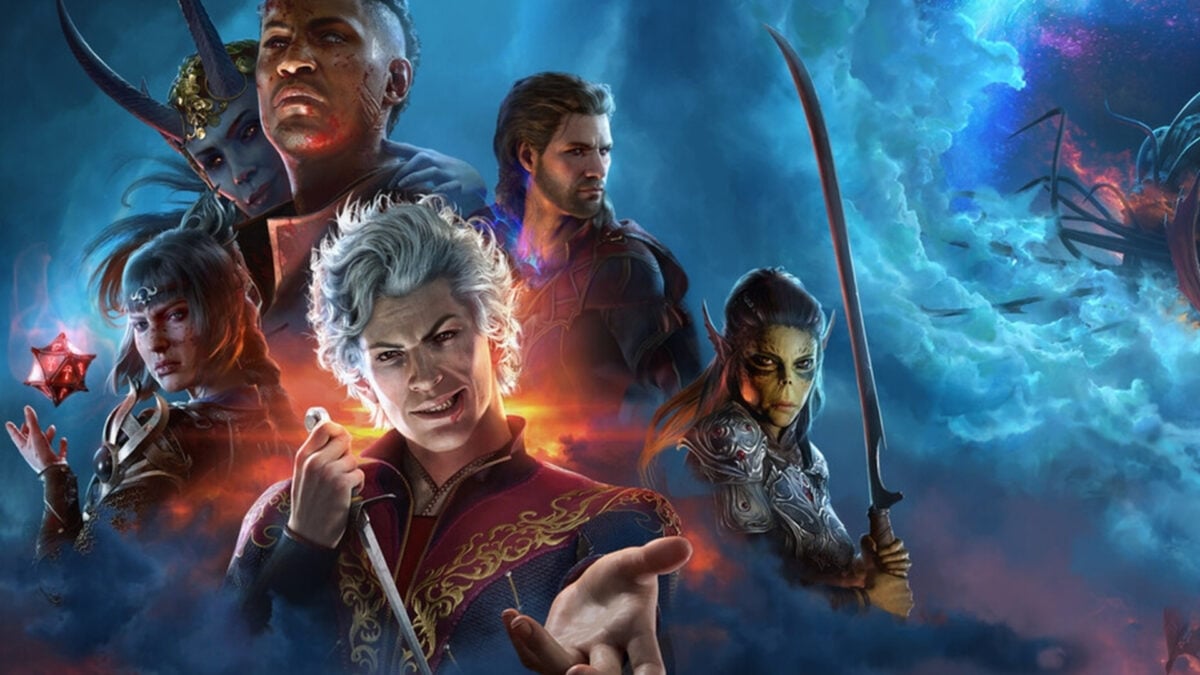
There have been enough video game adaptations that it’s easier to view every game through a lens of “when,” not “if,” they’ll get one. Even so, that doesn’t take away from the surprise of HBO adapting the fantasy-RPG series Baldur’s Gate—not just that, but continuing the story of its critically acclaimed third installment.
Reactions across the board have leaned more toward mixed, if not full, negativity. Much of this reception, along with just general confusion, starts with the news that The Last of Us showrunner Craig Mazin is in charge here, and fans of that property have been more than open about their feelings toward that adaptation.
Further complicating things is that Dungeons & Dragons owner Wizards of the Coast is involved with the show while Baldur’s Gate 3 creator Larian currently isn’t. Oh, and there’s the part where BG3 has a lot of game in it, with players having spent dozens or hundreds of hours making choices and rolls that dictate its conclusion and the fate of the world and its core cast.
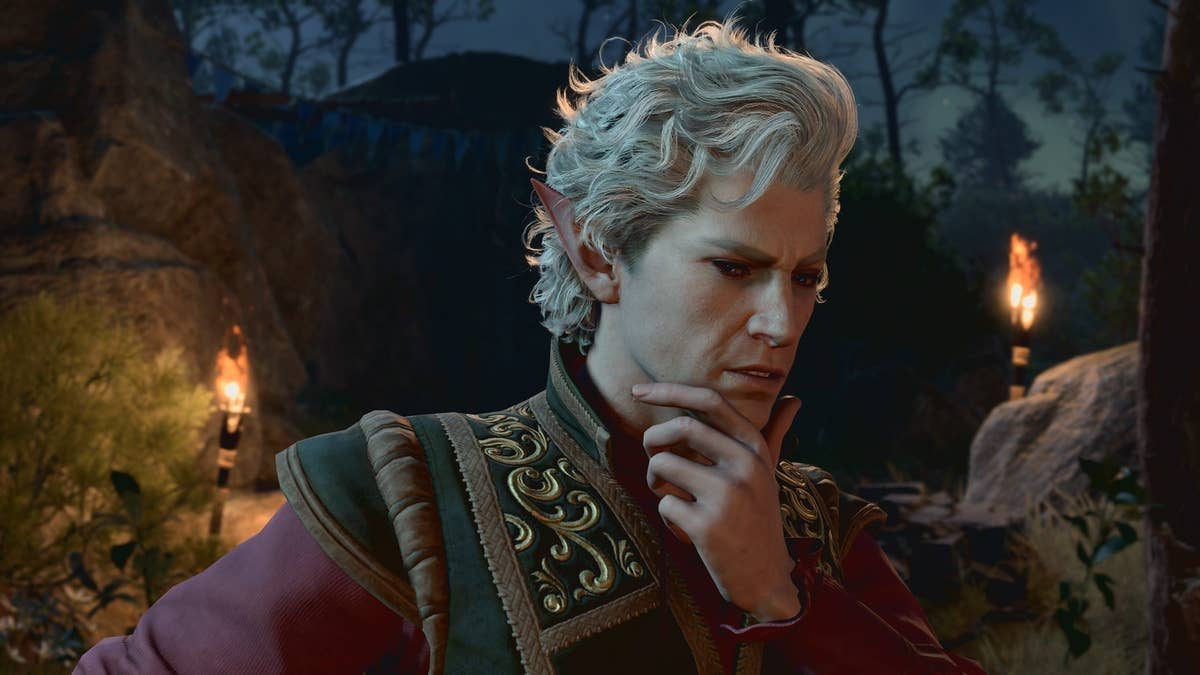 © Larian Studios
Just off these three main points, you can see how this show is currently putting anyone who’s touched BG3 in a strange state. But for as much discussion as news of this Baldur’s show has elicited, how much of it is actually about the show itself versus the idea of continuing the Baldur’s world without Larian? The Belgian developer has been around for 30 years, with its profile gradually built up through its Divinity series. Released in 2017, Divinity: Original Sin II put more eyes on it, but Baldur’s Gate 3 leaving Early Access in 2023 and its subsequent success made it so that everybody knew the studio’s name. That’s what happens to the hard workers in any creative field; sooner or later, the stars align to where their next project is the one that puts them on the map.
It was only just a few years ago, but BG3 really was an incredible success for both its creator and D&D at large—which needed it at the time thanks to its Open Gaming License controversy earlier that year, remember? The way people talked about it, it was the second coming of RPGs, with many saying similar fantasy franchises should follow in its footsteps (or just be given to Larian), even as the developer itself explained things just happened to line up this way.
So it seemed likely that Larian would continue the momentum with a sequel or big expansion… only to shock everyone when it revealed in 2024 that it had had its fill of Baldur’s Gate. There’d be patches and updates, but it was otherwise moving on to other projects based on its own IP, with the first being Divinity, revealed this past December.
Whether the studio really was just in the world of Baldur’s for a good, not a long time, or if that decision really was inspired by the layoffs that affected Wizards back then, it did feel like some kind of unspoken rule was broken. Previously, Larian had earned a reputation as a developer Doing Things Right by getting involved with the game’s community through memes, sales, and revealing a variety of player stats. Leaving Baldur’s behind wouldn’t be the true parasocial betrayal for fans, but it might’ve been a soft crack in the armor, even while it also set up interest for whatever its next games would be.
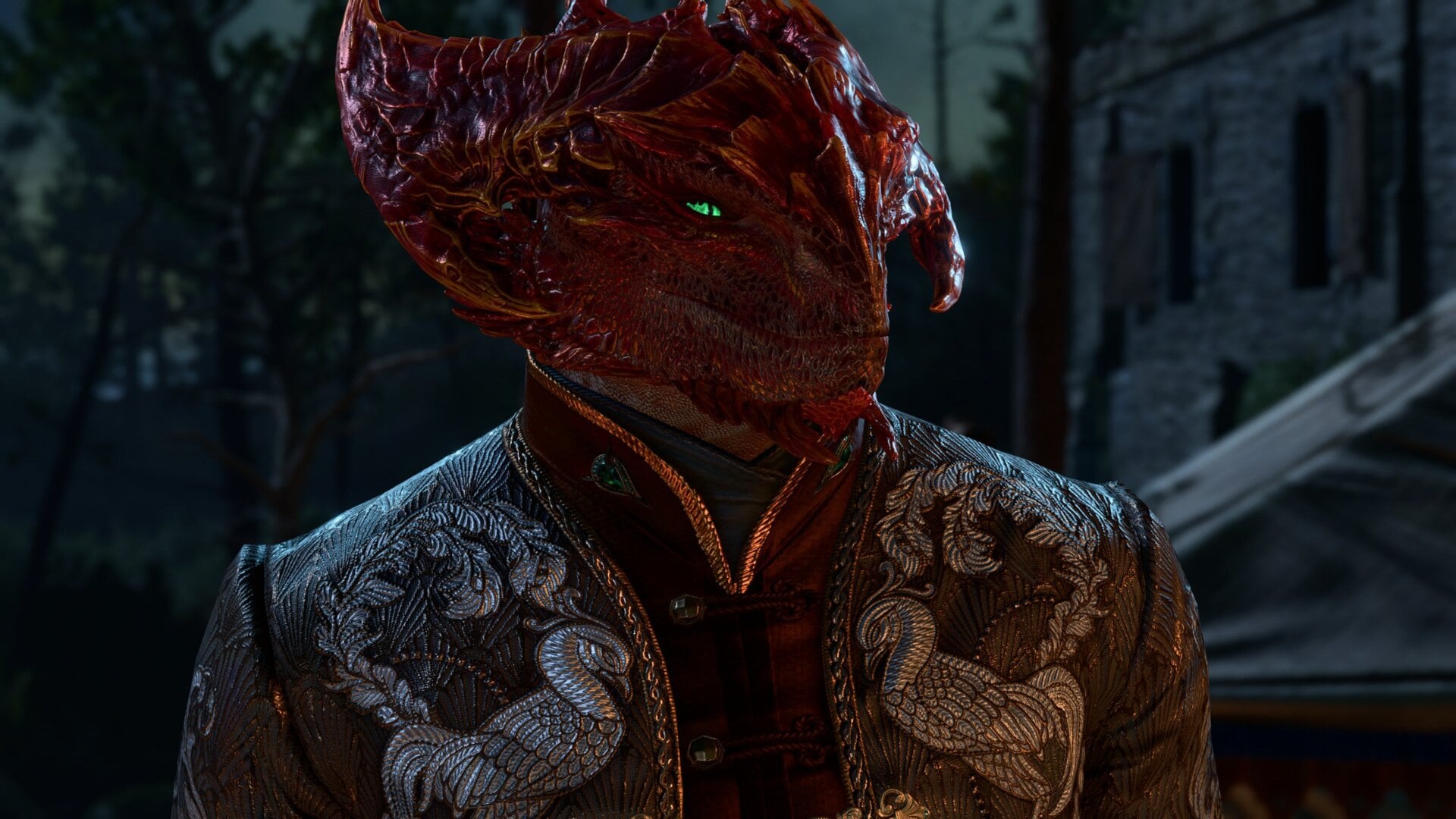 © Larian Studios
As the first real addition to the Baldur’s Gate universe post-BG3, its existence is good in helping fans get the shock out of their system so they can accept whoever takes the reins once Wizards finds a developer for Baldur’s Gate 4. Will that be the only good thing about the series? We’ll have to wait and see; Larian’s both posting through it and appears open to speaking with Mazin about the show, so that may bode well.
And if the show ends up being a bust, it won’t take away from what Larian got done with Baldur’s Gate 3—and it won’t be the first time its players have had to live with a bad roll.
Want more io9 news? Check out when to expect the latest Marvel, Star Wars, and Star Trek releases, what’s next for the DC Universe on film and TV, and everything you need to know about the future of Doctor Who.