
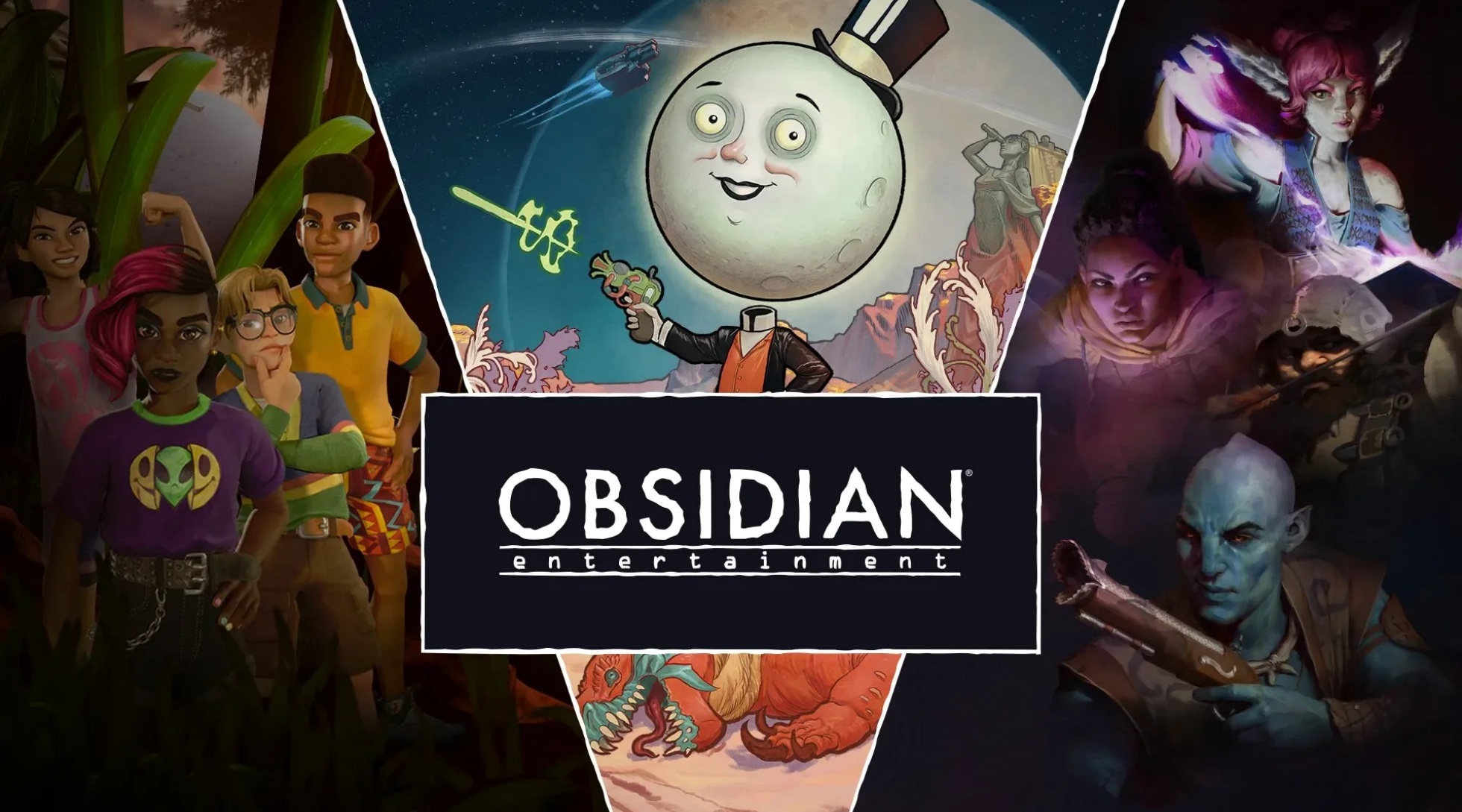
Obsidian Entertainment was one of the busiest studios in 2025, releasing not just one, but three major titles last year. It began the year with Avowed in February 2025, followed by Grounded 2 releasing in early access in July 2025, and capped off the year with The Outer Worlds 2 in October 2025. Two of those three games were misfires in terms of sales (though they were fairly well received by critics, especially here on Wccftech), and a new report from Bloomberg digs into how the studio is looking to bounce back and “reinvent itself.”
If you can’t guess which of the two games missed the mark on their sales, it was The Outer Worlds 2 and Avowed, though Obsidian Entertainment studio head Feargus Urquhart is quick to note that they weren’t complete bombs. “They’re not disasters. I’m not going to say this was a kick in the teeth,” Urquhart said. “It was more like: ‘That sucks. What are we learning?'”
One of those takeaways is how long the studio takes on its projects. Avowed and The Outer Worlds 2 both took over half a decade to make, and Urquhart (and the rest of the studio, seemingly) wants to cut that time down by half, within reason. When Avowed was initially pitched to Microsoft, it was initially envisioned as a massive, ambitious cross between The Elder Scrolls V: Skyrim and Destiny 2. As the studio’s design director, Josh Sawyer put it: “I don’t think there’s a team on the planet that could execute on this.”
Obviously, that’s not what Avowed ended up becoming, but by the time the decision was made to do away with the multiplayer portion and assign a new director to the game, it had been in development for three years. It took a total of seven years to actually get what we know Avowed to be out the door.
Regarding the time spent developing The Outer Worlds 2, which took six years between the release of the first game to the release of its sequel, game director Brandon Adler said, “I don’t think anybody really likes five, six, seven-year dev cycles. We’ve kind of grown into that.”
As for why Grounded 2 was able to come together faster than Outer Worlds 2 and Avowed, that came partially from Eidos Montreal pitching itself as a support studio for Obsidian. With the help of Eidos, and the distance afforded by not developing the entire thing internally, Obsidian co-founder and one of the game’s managing directors, Chris Parker, noted that it gave them the grace to make faster decisions.
“I was like, ‘If this was one of our internal teams, we would work on this for another two or three months,'” when discussing the decision to abandon making the rideable bugs in Grounded 2 shared by two or more players at once. “We made this call because we could tell them what to do. It feels like we still run around with our kid gloves on internally.”
Probably the most damning quote in the report, in terms of how the studio needed to take a hard look at its processes and work towards change, comes from Sawyer. Regarding the fact that Obsidian released three games last year, he said, “Spacing those releases helps the company manage its resources and not burn everybody out. It’s not good to release three games in the same year. It’s a result of things going wrong.”
Leaning on support studios seems to be one tactic the studio may use to make faster decisions, but a more reliable tactic will be reusing technology and systems where possible, instead of having to start from scratch all the time. “We don’t need to change everything every time,” Urquhart said. “We’ve had this debate internally: Do people really care that we spent an extra hundred person-months on the inventory screen?”
At the same time, Urquhart also noted that when doing a post-mortem on Outer Worlds 2 and Avowed, it can be minor differences that make a huge impact on a game’s success. The trouble is figuring out which way those minor details are meant to go. “Our job, all of us here, is to make games that people want to play and buy, and if we continue to do that, then we have a solid business.”
Cutting down development times with more outsourcing and reusing technology where possible are two of the key elements in Obsidian Entertainment’s plan for the future. Also included in those plans are the growth of up-and-coming developers, with Urquhart mentoring Justin Birtch and Marcus Morgan to take his place one day at the studio’s helm, and having multiple, smaller-scale projects on the go at once, instead of one big project that consumes the entire workforce.
“You need to keep having at-bats, because at some point, if you can consistently make good stuff, you’ll get those breakout hits,” said Morgan.


As for Obsidian Entertainment’s next “at-bats,” the report corroborates what we’ve previously heard, that the studio is not working on The Outer Worlds 3, but is instead focused on new games in the Avowed universe as its next major project. Alongside that, it’ll be working on new content for Grounded 2 and The Outer Worlds 2, and whatever it is that Fallout creator Tim Cain recently returned to Obsidian full-time to work on.
Follow Wccftech on Google to get more of our news coverage in your feeds.