
When a video game series goes on for a long time, it raises a question for newcomers: Just where is the best place to jump in? In the case of Dragon Quest, there are nearly a dozen mainline titles, not to mention copious spinoffs and ports that span four decades of history. Of late, though, publisher Square Enix has been releasing a number of remakes that serve as almost ideal entry points for beginners who are intimidated by all of that baggage. And the new Dragon Quest VII Reimagined might just be the best so far.
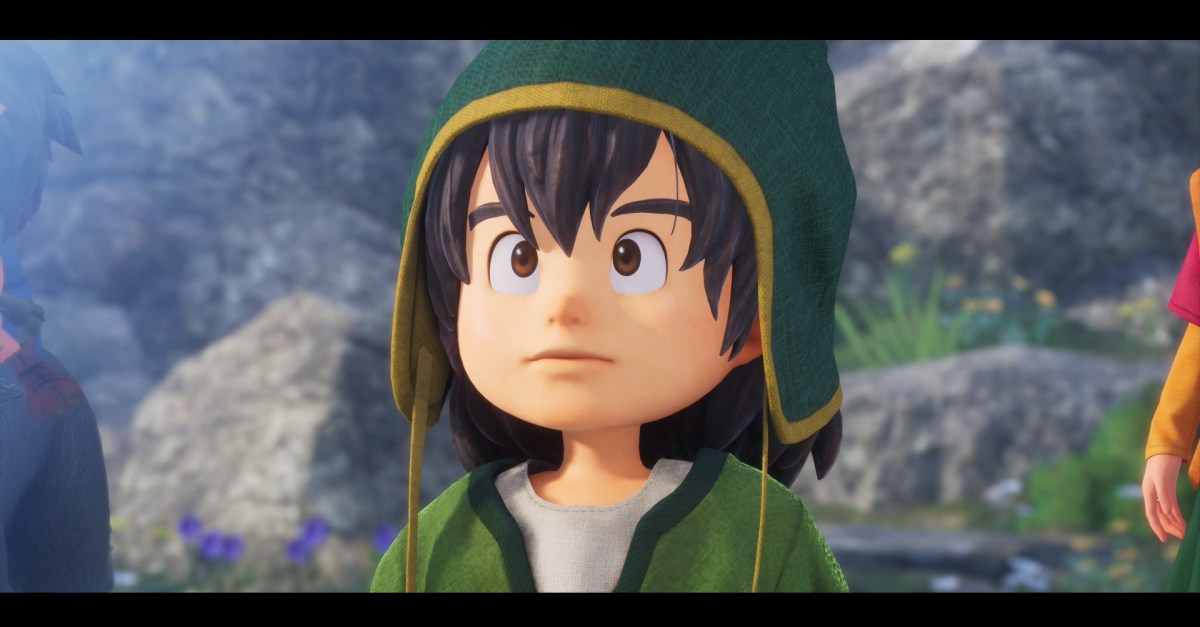
DQVII was a pivotal game for the series when it launched on the original PlayStation, as it was the first with 3D graphics. For a franchise that evolves at a slow, deliberate pace, that was a big deal. Maybe that’s why this isn’t the first time Square Enix has remade it; the game also launched on the Nintendo 3DS under the new subtitle Fragments of the Forgotten Past. Reimagined builds on the core experience with a number of quality-of-life tweaks — you can see enemies before battle starts, for instance, and the game gives you a “previously on” story update each time you start it up — along with revamped graphics that make the game world look like a series of cute-as-heck dioramas. It doesn’t quite approach the handcrafted charm of Fantasian, but it’s close.
That stuff is great and makes Reimagined feel like a thoroughly modern game. But what really makes it a great entry point for Dragon Quest beginners is the way it’s structured. For the most part, every Dragon Quest is a standalone experience that tells its own story, so narrative-wise there’s no real issue with jumping into the series with any specific number, including the seventh game. But what makes DQVII unique is how its premise turns it into a series of episodes that are much more digestible than one single, epic quest.
Unlike most Dragon Quest games, and most other fantasy RPGs for that matter, DQVII isn’t set in one huge world. Instead, the game opens on a tiny island, one where the residents believe it’s literally the only place in the world. Of course, that turns out to not exactly be the case, as other islands slowly start to appear and you, the plucky hero, are also able to piece together magical tablets that whisk you to faraway realms.
DQVII still has the epic scope of a traditional RPG, but this structure — which has you exploring these new islands and locations one at a time — makes it easier to both play in bite-sized chunks and remember just what the heck is going on. There’s an overarching story, but because each area has its own distinct storyline, the game ends up feeling almost like a series of chapters you tackle individually. I never really found myself lost in the story — thanks in part to the recap feature — nor did I find myself lost in the world itself, unsure of where to go next. And the islands are all pretty delightful places to explore; one moment you’re investigating a strange ritual in a giant volcano, the next you’re visiting a farming village where everyone has been turned into an animal.
It’s the combination of visual refresh, streamlined quality-of-life features, and less-intimidating structure that makes Reimagined such a good entry point. It’s also not alone. Dragon Quest has been incredibly popular in Japan since its inception, but has gradually grown its audience in the rest of the world. And over the last few years in particular, Square Enix has released a handful of titles that I consider to be great starter games. If you’re looking for something with a little bit more of a retro feel, the remake of Dragon Quest III — part of the publisher’s fascinating HD-2D line of games — manages to strike the right blend of depth and approachability. It’s straightforward in a way that turns into something like RPG comfort food. And for something larger in scope, there’s always Dragon Quest XI, the most recent mainline entry in the series, which takes the familiar DQ gameplay and bolts on high-end graphics and cutscenes that make it feel more like a modern epic.
But I think that Reimagined has those games beat when it comes to being welcoming. Every DQ game is charming, and every modern release has quality-of-life tweaks that make it more palatable compared to older RPGs. But the narrative structure of DQVII turns a huge adventure into a series of smaller, digestible stories, making it easier to play on your own terms. So if you’ve been wondering what the deal with blue slimes is, this is your best chance to find out.
Dragon Quest VII Reimagined launches on February 5th on the Switch, PS5, Xbox, and PC.