
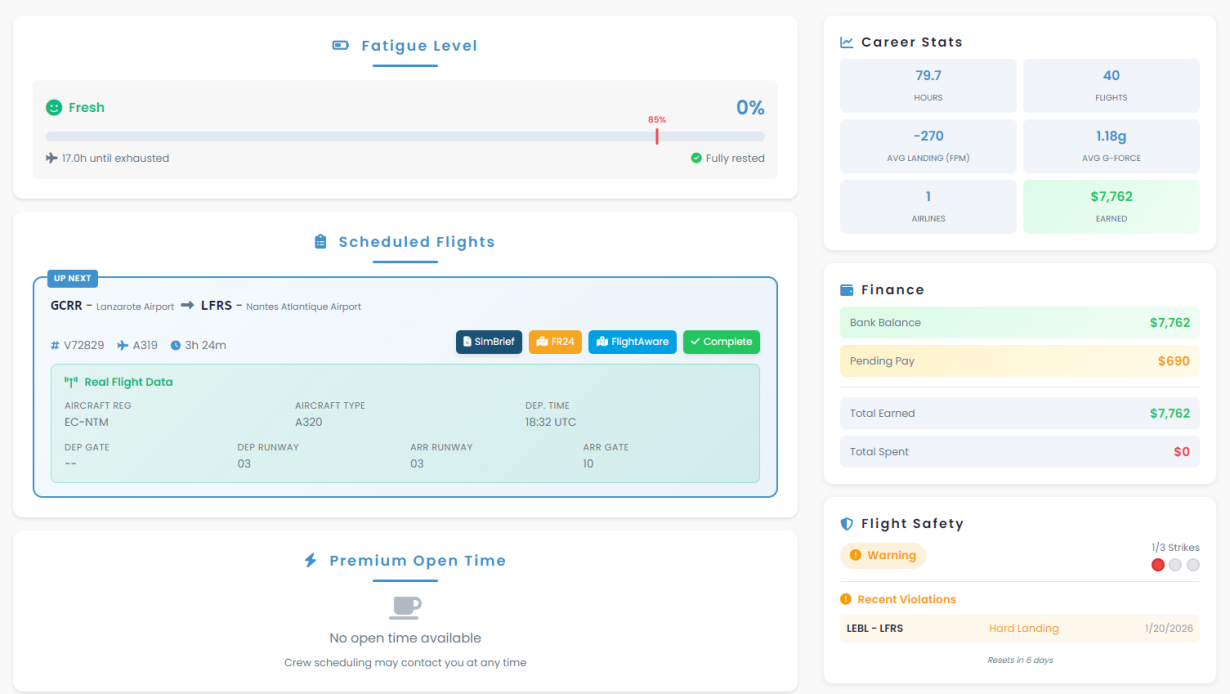
iFly Schedules has announced a significant expansion to its platform with the introduction of a new Career Mode, aiming to give Microsoft Flight Simulator pilots a clearer sense of progression and purpose. Known primarily as a route-planning and scheduling tool, iFly Schedules is now moving beyond simple flight suggestions and into structured pilot development, bringing it closer to a full career-style experience.
The new Career Mode introduces a tier-based progression system that mirrors real-world airline careers. Pilots begin their journey flying for smaller regional operators, gradually building experience, flight hours, and reputation. As progress is made, new opportunities unlock, allowing virtual pilots to move into larger airlines and more complex operations, ultimately working toward senior captain roles at major carriers.
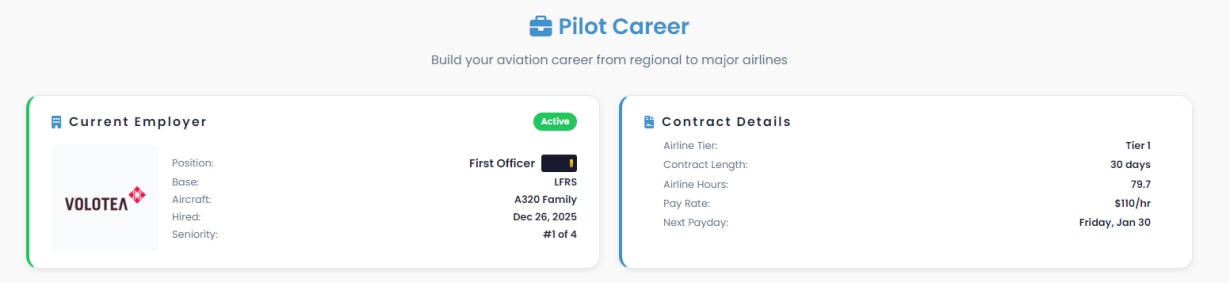
Rather than forcing users into a rigid structure, Career Mode is designed as an optional layer on top of iFly Schedules’ existing functionality. Those who simply want to generate realistic routes can continue to do so, while others can opt into the career system for added depth. This flexibility ensures the tool remains accessible to casual simmers while offering long-term goals for those seeking a more immersive experience.
To support this progression, iFly Schedules introduces several realism-focused systems. A safety monitoring feature tracks flight behaviour, including excessive descent rates, overspeed events, and high G-forces. Repeated violations can result in strikes, with penalties applied if poor performance continues. Alongside this is a fatigue system, which limits how much flying a pilot can complete without rest, encouraging more realistic scheduling rather than continuous back-to-back flights.
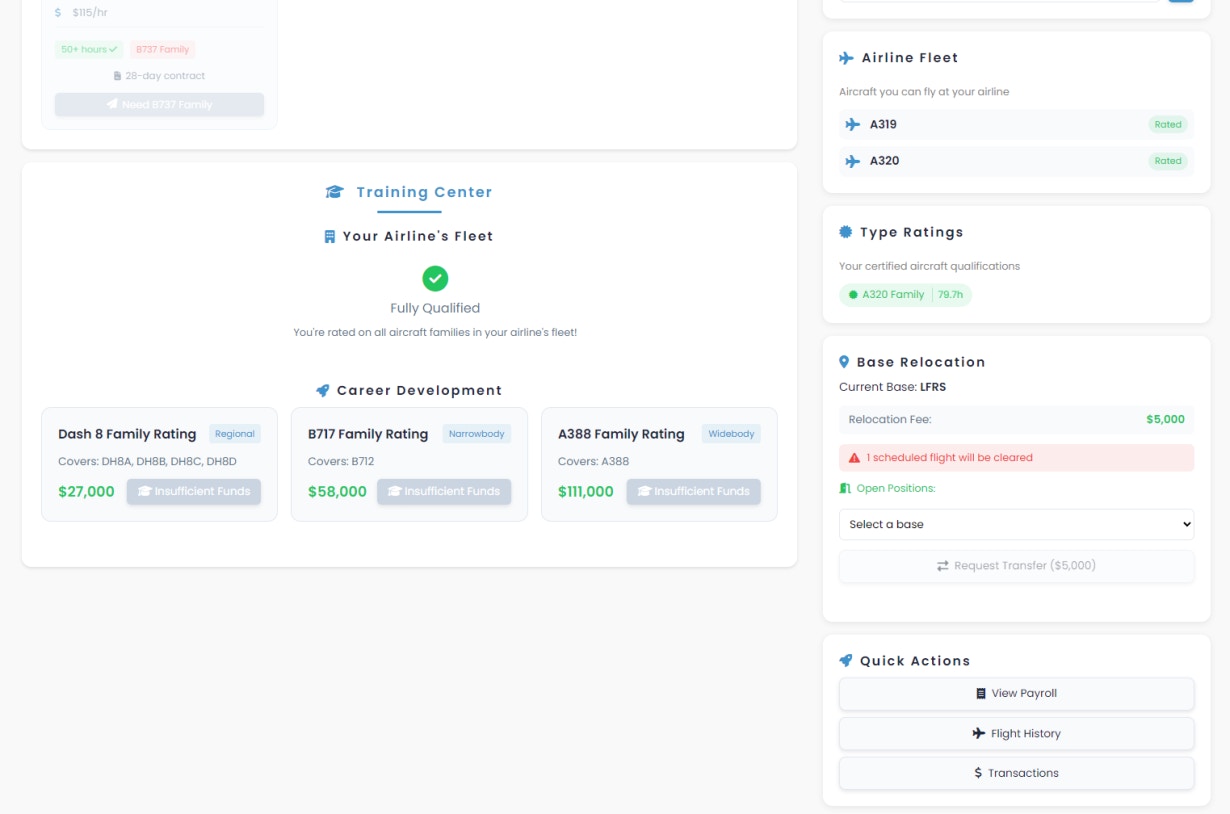
Career Mode also includes an economic layer tied to aircraft access. Pilots are required to purchase type ratings in order to operate new aircraft, with certifications grouped by aircraft family rather than individual variants. This approach reflects real-world licensing practices and reduces unnecessary repetition when flying closely related aircraft types.
The update is currently available in Alpha, with the developer making it clear that further balancing and refinement will follow as feedback is gathered. Early reactions suggest the integration of career progression directly into a route-planning platform could appeal to simmers who want structure without committing to a separate, standalone career add-on.
Alongside the Career Mode rollout, iFly Schedules continues to develop its companion desktop application, iFly Tracker, which is currently available in version 0.9. The tracker acts as the operational backbone of the platform, providing real-time flight monitoring, SimBrief OFP integration, and live aircraft telemetry during a flight. From within the app, users can view departure and arrival weather, decoded METAR data, route maps, and detailed flight statistics such as groundspeed, vertical speed, heading, and G-forces, all presented in a clean, modern interface.
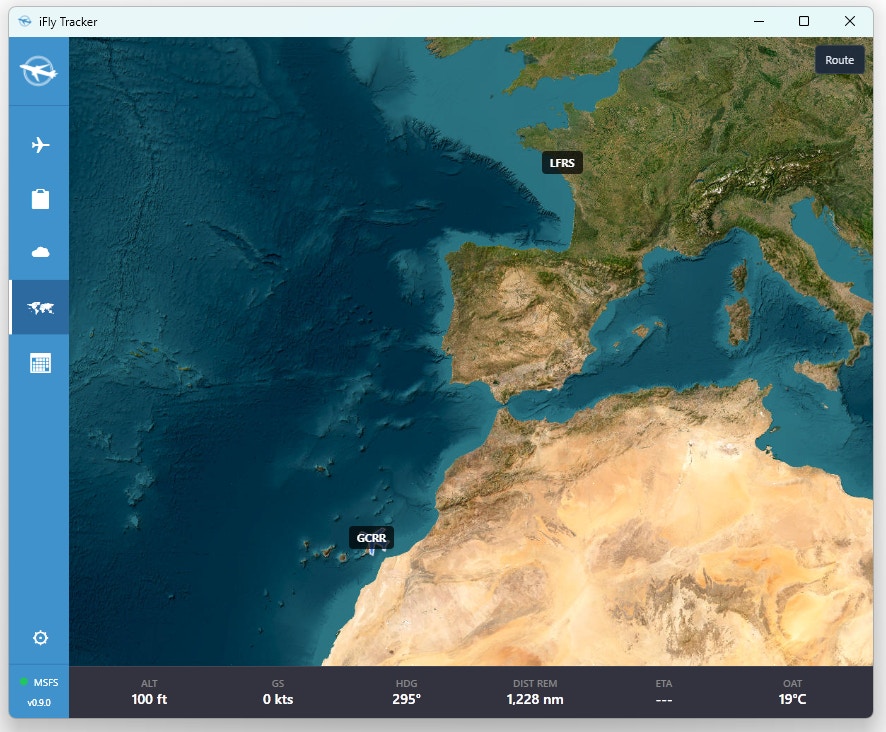
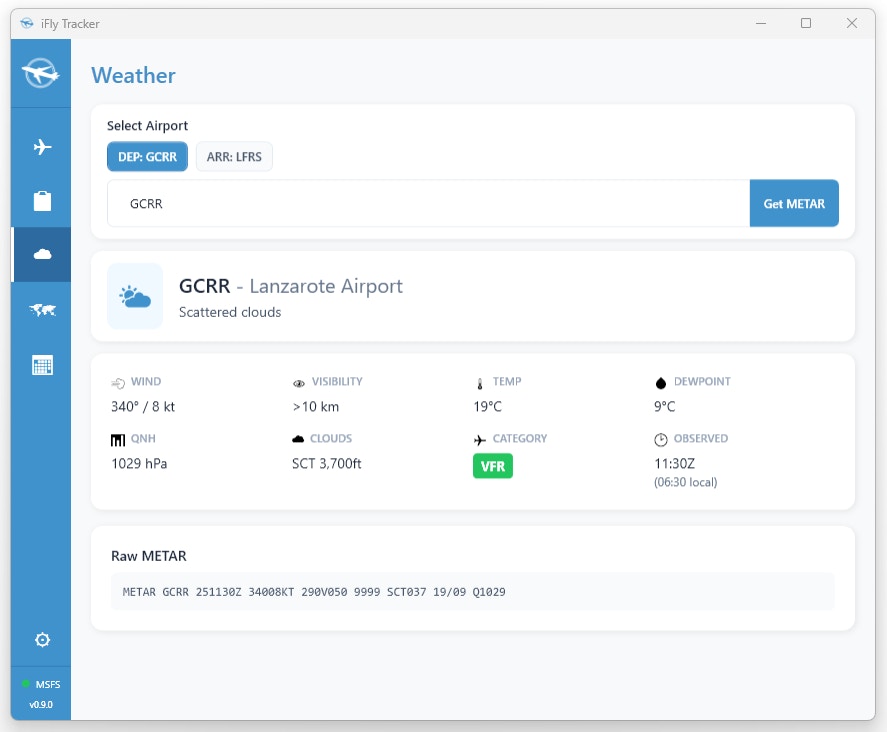
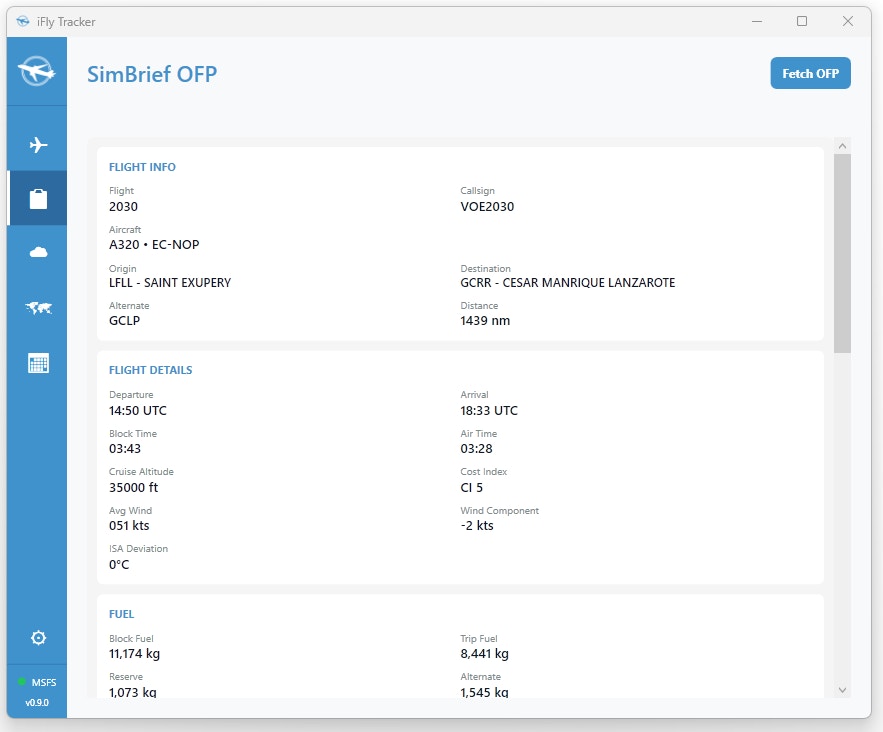
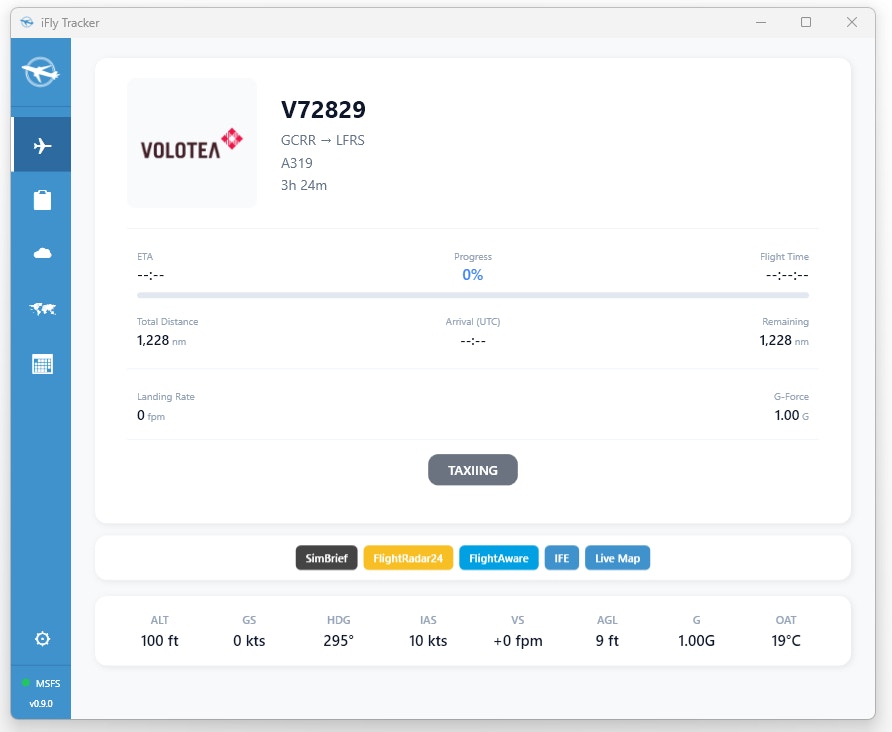
The tracker also supports live flight progression tracking, displaying distance remaining, estimated arrival times, and flight phase status, while offering quick links to external services such as SimBrief, FlightRadar24, and FlightAware. Although still marked as a pre-1.0 release, version 0.9 already demonstrates a high level of polish and functionality, suggesting the tracker will play a central role as Career Mode and future features continue to evolve.
You can learn more at iFly Schedules.com. If you want to sign up to use career mode, you can join for $4.00 per month ($40.00 per year).