

The term “min-maxer” in Dungeons and Dragons refers to someone who likes to push the TTRPG’s mechanics to their limits, optimizing a built character to have the strongest abilities imaginable. For any encounter these characters are made to the horror of Dungeon Masters, but they require detailed study of stats, skills, and other mechanics. Combining archetypes for a multiclass build is usually the best way to do this, creating truly OP D&D characters.
5th Edition D&D made several core rule changes in 2024, drastically impacting how multiclass characters work within the game. For example, all classes now have subclasses at Level 3 universally, instead of some gaining unique paths much sooner. This creates a far greater commitment to investing in class levels when you double dip, which is something this list explores by adhering to the updated 2024 5e system.
5. Monk/Ranger
 Courtesy of Wizards of the Coast
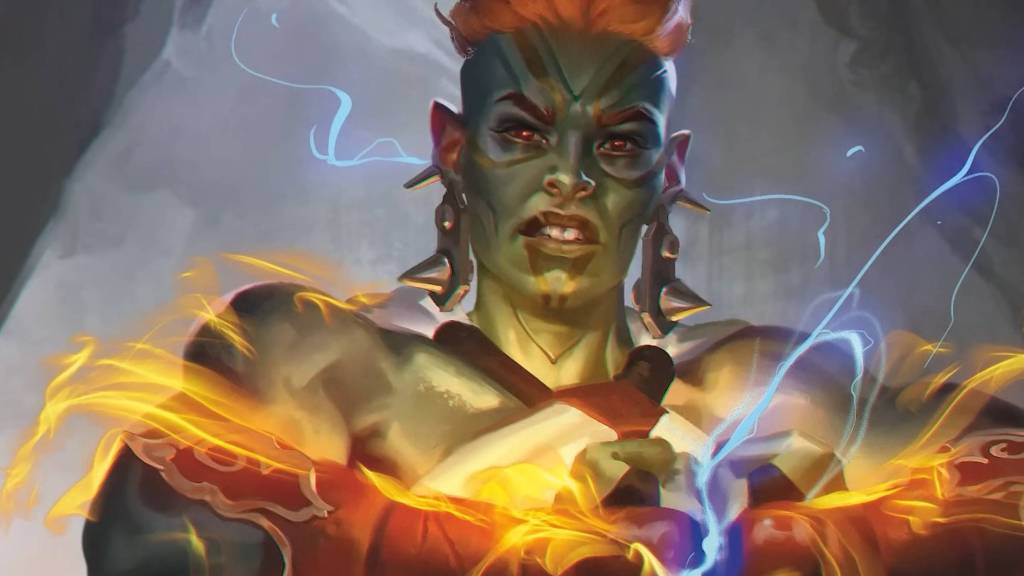
Monks were made far stronger in 2024 5e, gaining extra damage with their Martial Arts dice and having far more flexibility in the melee combat. These revisions make the class far deadlier, with spending Focus Points on additional actions allowing you to redirect strikes, gain extra movement, or even stun foes to give your party a huge advantage. Monks tend to use Wisdom and Dexterity to channel their abilities, but these stats are also the same ones that define the Ranger class.
Ranger/Monk hybrids don’t have to worry about splitting their Ability Scores in different ways, mainly gaining unique benefits through each other. Rangers have a wider range of equipment, gaining Fighting Styles that provide great bonuses to whatever tools they use. Minor Ranger spellcasting helps you ensnare preferred enemies before unleashing a Flurry of Blows from your Monk attacks, dealing incredible single-target damage in the process. These two classes synergize well, moving quickly and gaining many skill proficiencies to help you even outside of combat.
4. Paladin/Sorcerer
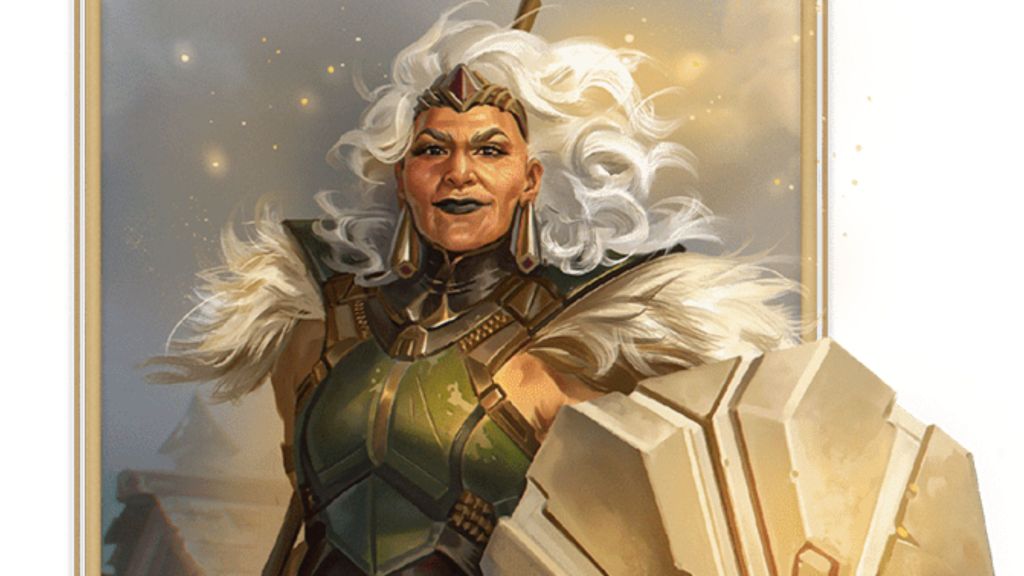 Image courtesy of Wizards of the Coast
Also known as the “Sorcadin,” the Paladin/Sorcerer combo in 2024 D&D remains a powerful multiclass, taking advantage of both archetype’s reliance on a character’s Charisma stat. Both classes have their magic tied to Charisma, with saving throws for both the Paladin’s divine magic and the Sorcerer’s explosive utility being determined by a single score. This makes it easy to craft a character with Charisma as its focus, but other benefits raise the bar on this multiclass beyond just its simplicity.
Even with Divine Smite and Metamagic changes in 2024, this multiclass is still perfect for adding more spell slots to a character looking to unleash more Paladin-focused magic. Extra Smites and the ability to alter that magic with Sorcery Points gives an otherwise narrow class extra flexibility to support their party. With Weapon Mastery systems giving this build greater variety too, the subclasses in D&D for this multiclass almost don’t matter, as anything that utilize this combination can be good.
3. Fighter/Rogue
 Courtesy of Wizards of the Coast
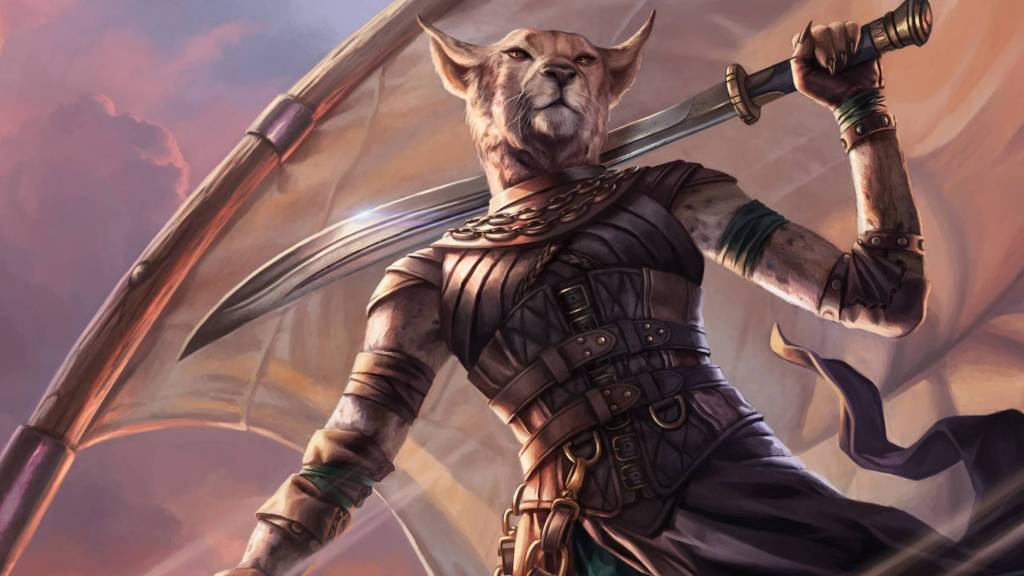
Fighters are arguably the best class to multiclass out of or into, as they contain the highest number of martial benefits even in 2024 rules. If you start out as a Rogue, their glass cannon approach to some fights can be tricky, with high Sneak Attack damage offset somewhat by lower AC. Despite a wealth of skill proficiencies, Rogues tend to struggle at higher levels, which makes a split into Fighter one of their best options.
Both Fighters and Rogues can utilize Dexterity to increase their defenses and mobility, with Fighter levels taking it a step further. In 2024 D&D, Fighters have the most Weapon Mastery abilities possible, which can be applied to any weapon in the game. With mastery over all types of armor and shields, a Rouge/Fighter can gain the best of both worlds, getting the Rogue’s ridiculously high damage and the Fighter’s combat prowess through second turn Action Surges and restorative Second Winds to stay in fights longer.
2. Warlock/Bard
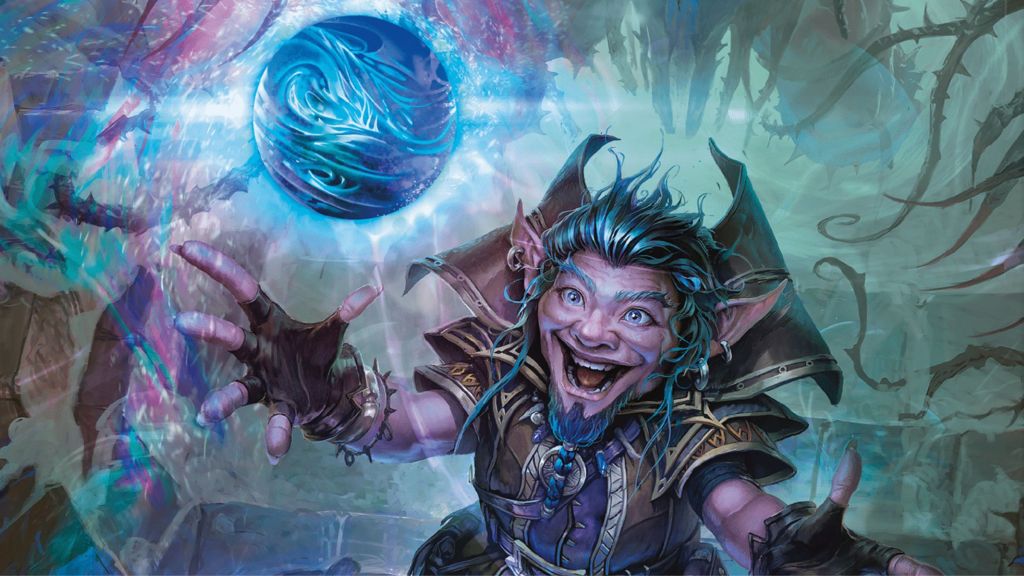 Image courtesy of Wizards of the Coast
Much like the Paladin/Sorcerer, a combination of a Warlock and Bard leans into spellcasting tied to the Charisma stat. However, this multiclass serves to combine offensive and utility magic together, giving you a far wider range of options when casting spells in different scenarios. Bards use Bardic Inspiration and manipulative magic to alter conditions on the battlefield, while Warlocks channel destructive Invocations and limited arcane power to devastate foes.
When put together, this build becomes a jack-of-all-trades without losing its mastery of specific magic. Bards simply gain access to more skills, while Warlocks have a longer list of spells to use. The limitations on a Warlock’s very minuscule spell slot maximum is almost alleviated by taking levels in Bard, giving you far more arcane affinity than normal. In contrast, the Bard’s restrictive spell list is expanded through Warlock levels, complimenting the dual nature of the multiclass. Each side lifts each other up, preparing a character for anything in a variety of D&D adventures.
1. Cleric/Druid
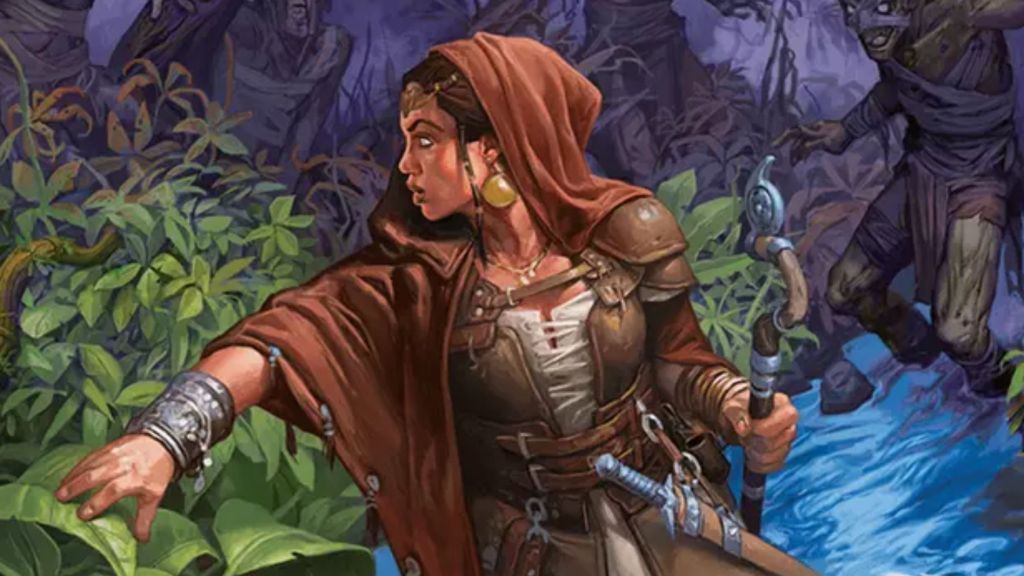 Image courtesy of Wizards of the Coast
Spells remain the key to most “broken” builds in D&D, with a multiclass like a Cleric/Druid combo perhaps gaining more magic than even a maxed out Wizard. On paper, these two classes don’t seem to fit together, other than their shared spellcasting through the Wisdom ability score. Yet, when you look deeper, you’ll find that each class perfectly sets the other up to deliver its strongest features through the sheer utility its magic provides it.
For starters, this multiclass has a huge range of available spell slots as you level up, giving you access to both the extremely powerful Cleric and Druid spell lists in the process. Each class also has multiple ways of solving unique problems, such as the Cleric using Turn Undead to force undead enemies to flee or the Druid using Wild Shape to transform into an animal needed for a special situation. Divine and natural magic allow you to solve innumerable problems that face your party, giving this multiclass an OP quality that extends beyond just fighting.
Since Clerics have access to radiant and necrotic damage through their magic and Druids can almost use every elemental damage type in the game, there’s no situation this multiclass can’t account for. With very little to either archetype’s composition within the new 2024 5e rules for D&D, this build is perfect for min-maxers who want every busted tool in the TTRPG at their fingertips.
What is your favorite type of mix-max character build in D&D? Leave a comment below or join the conversation in the ComicBook Forum!