
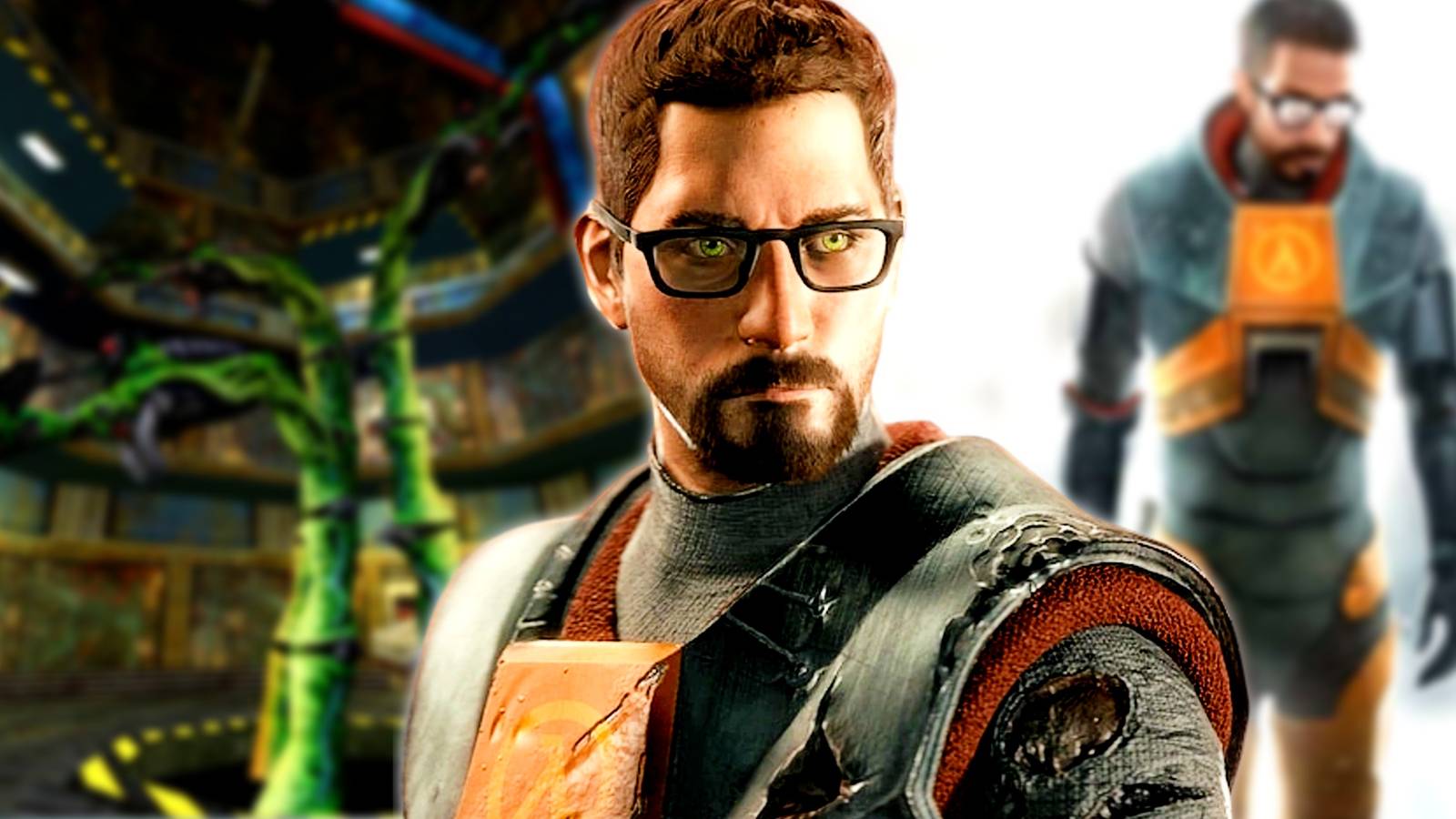
Valve Corporation is easily one of the most influential companies in gaming history, with iconic and genre-defining video game franchises including Portal, Half-Life, Counter Strike, and more. While many of these incredible games set a new bar in the industry, it’s worth taking a look at the top games from Valve over the years and why they stand the test of time.
Valve’s various IPs are among the most recognizable in popular culture. The company’s mastermind, Gabe Newell (affectionately referred to as GabeN), has been vital in shaping Valve’s visionary culture, championing innovation, player freedom, and quality over profit, eventually leading to the creation of Steam, a platform that transformed Valve as a company and the gaming industry as a whole.
Team Fortress 2
Valve’s Ultimate Class-Based Multiplayer Shooter
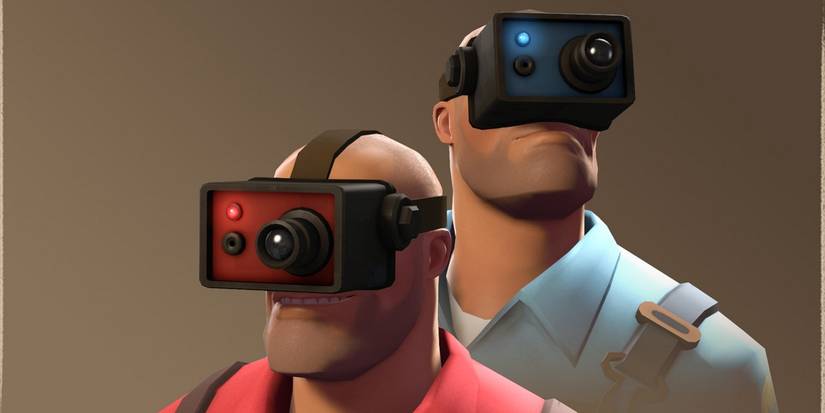
The multiplayer shooter Team Fortress 2 from Valve debuted back in 2007 as part of the wildly popular The Orange Box collection. With a bold cartoon-influenced art style, class-based team gameplay, and an all-around solid (albeit goofy) PvP experience, it distinguished itself within Valve’s catalog.
The game has a whopping 92 Metacritic score, reflecting its widespread acclaim and proving just how much fans still appreciate its imaginative design even after all this time. Compared to other Valve titles, such as the narrative-driven single-player experiences in Half‑Life 2, Team Fortress 2 stands out in Valve’s portfolio for its innovative multiplayer focus and how it expanded on Team Fortress Classic’s foundation.
Team Fortress 2 was originally planned to be a realistic, military-themed shooter called Team Fortress 2: Brotherhood of Arms, but Valve radically changed direction mid-development, opting for the bright, cartoon-inspired aesthetic and signature comedic tone that it’s now known for.
Half-Life
The Shooter That Changed Everything
Valve
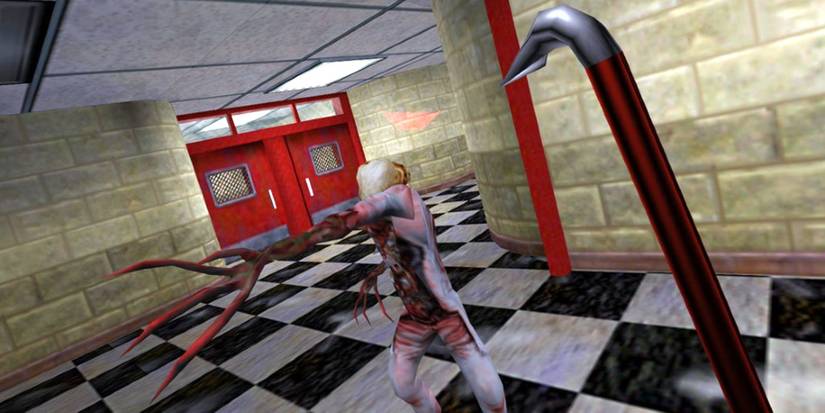
Half-Life revolutionized first-person shooters by leaning into cinematic storytelling without a reliance on cutscenes, instead featuring immersive, uninterrupted narrative moments that are entirely captivating. Players experienced the chaos of the Black Mesa incident entirely through the eyes of scientist Gordon Freeman, and it really created a new standard for narrative design in games.
Fun Fact: Gordon Freeman originally wasn’t supposed to be the main character’s name in Half-Life, with early design documents referring to him as “Ivan the Space Biker.”
Half-Life’s groundbreaking use of scripted sequences, realistic AI, and environmental storytelling influenced countless titles that followed, from Halo to Bioshock to who knows what else. The original Half-Life fostered a massive modding community that produced iconic spin-offs, such as the original Counter-Strike and Team Fortress Classic, mentioned above. Half-Life remains a cultural touchstone and a defining staple in the evolution of interactive storytelling in video games.
Portal
The Project That Redefined Puzzle Games
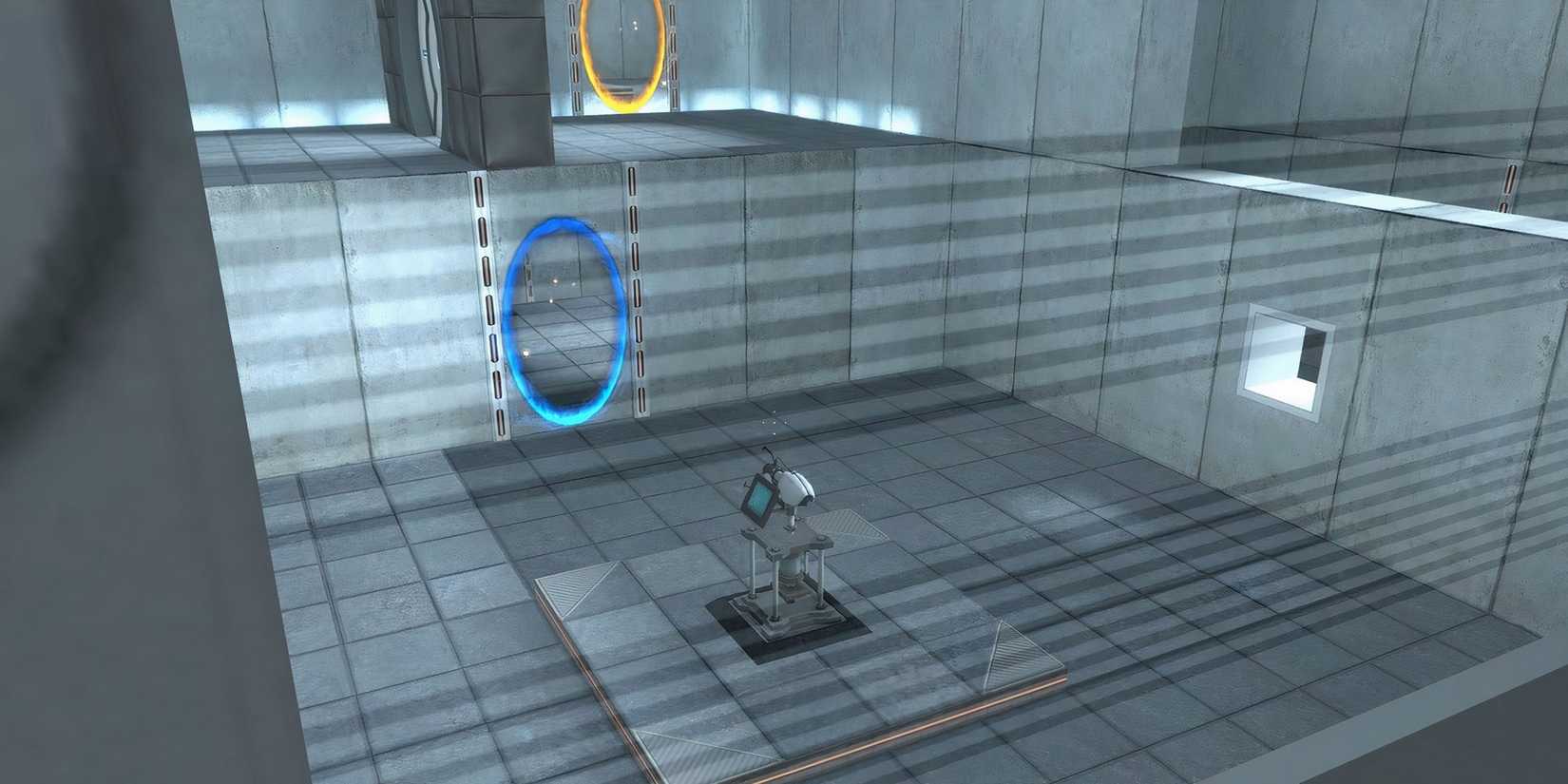
Looking at two portals behind glass a blue and orange one.
Released as part of The Orange Box alongside Half-Life 2: Episode Two and the above-listed Team Fortress 2, Portal stood out as a surprise hit thanks to its ingenious puzzle mechanics and hilarious dark humor.
Developed by Valve from the student project Narbacular Drop, the game introduced players to the now-iconic Aperture Science Handheld Portal Device, revolutionizing puzzle design with physics-based challenges. Portal received widespread critical acclaim, winning multiple Game of the Year awards and honors for innovation and writing from outlets like the Game Developers Choice Awards and BAFTA.
Its minimalist storytelling, centered on the sinister AI GLaDOS, became a cultural phenomenon, with “The cake is a lie” references popping up as Easter eggs in countless games thereafter. Believe it or not, Portal’s entire script was written by just one person, Erik Wolpaw, who helped craft its distinctive dystopian style and charm.
Left 4 Dead
Valve’s Quintessential Co-Op Horror Experience
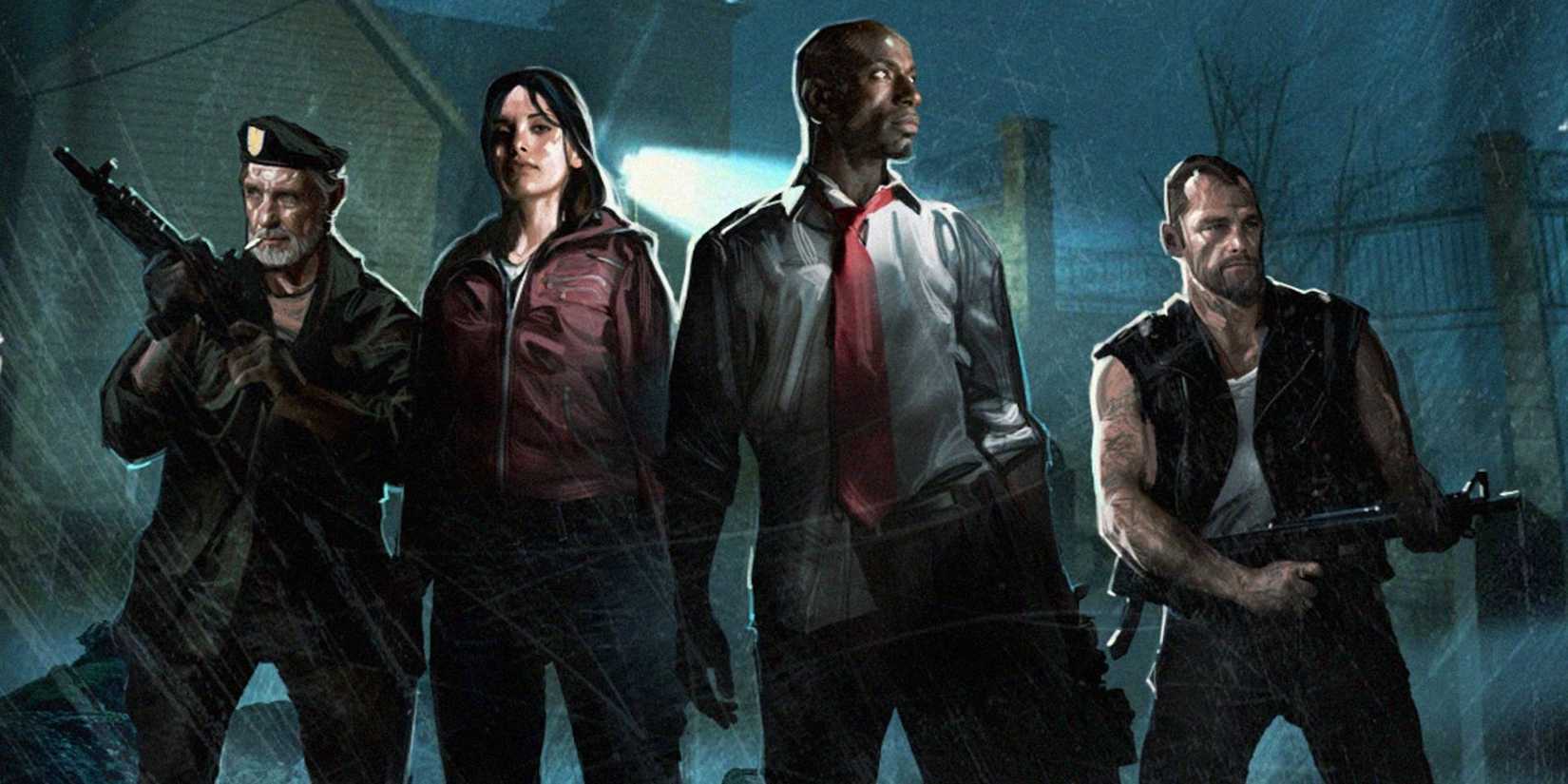
The four playable characters from Left 4 Dead.
Valve and Turtle Rock Studios’ Left 4 Dead redefined cooperative gaming with its fast-paced, four-player survival focus against relentless zombie hordes. What set it apart from other Valve titles was its co-op elements and replayability, largely powered by the innovative “AI Director,” which dynamically adjusted enemy spawns based on player performance.
Left 4 Dead was a groundbreaking zombie survival game that started a franchise and set the stage for countless games utilizing derivative mechanics or approaches to gameplay. When Left 4 Dead launched in 2008, it stood apart from other survival/horror games like Resident Evil 5 and Dead Space by incorporating fast-paced, cooperative gameplay over a more story-driven cinematic horror.
Left 4 Dead 2
Valve’s Second Quintessential Co-Op Horror Experience
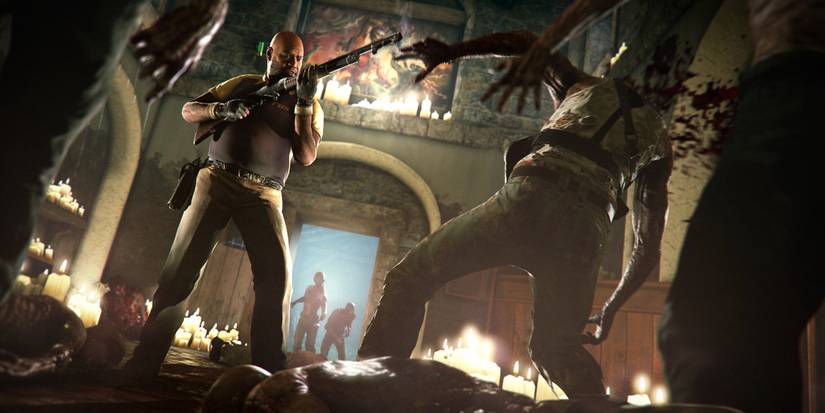
A promo image for Left 4 Dead 2 showing a guy with a gun shooting oncoming zombies
Only a year after the original released, Left 4 Dead 2 launched and expanded the groundbreaking L4D co-op formula with enhanced gameplay, improved settings, and improved PvP multiplayer. It introduced new survivor characters, melee weapons, and special infected, creating more dynamic combat and adding layers of strategy that weren’t present in the original.
The game’s Southern U.S. backdrop added personality and atmosphere, while the improved “AI Director 2.0” adjusted not only enemy placement but also weather and map routes, making the sequel even more replayable than its predecessor.
Despite initial backlash over its quick release so soon after the first L4D, Left 4 Dead 2 earned critical acclaim and a loyal following for refining the original’s design without losing what made it popular in the first place. Over time, it became the definitive version of Valve’s cooperative survival experience, uniting fans of both games.
Dota 2
Valve’s Legendary MOBA Hit

Dota 2 is a multiplayer online battle arena (MOBA) that evolved from the fan-made Defense of the Ancients mod for Warcraft III. Featuring two teams of five players battling to destroy the opposing Ancient, the game is celebrated for its depth of strategy, impeccable balance, and nearly limitless skill ceiling. Unlike many modern titles, Dota 2 remains completely free-to-play with all heroes unlocked, resulting in a fiercely dedicated global competitive community.
Its influence extends beyond gameplay—The International, Valve’s annual world championship, boasts some of the largest prize pools in esports history. Fans laud Dota 2 for its integrity as a competitive MOBA experience, securing its place as one of Valve’s most ambitious and enduring games. It’s currently the second-most played game on Steam (via SteamDB), bested only by one of Valve’s other top games, Counter-Strike 2.
Counter-Strike 2 & CS:GO
Valve’s Iconic Tactical Shooter That Redefined Esports
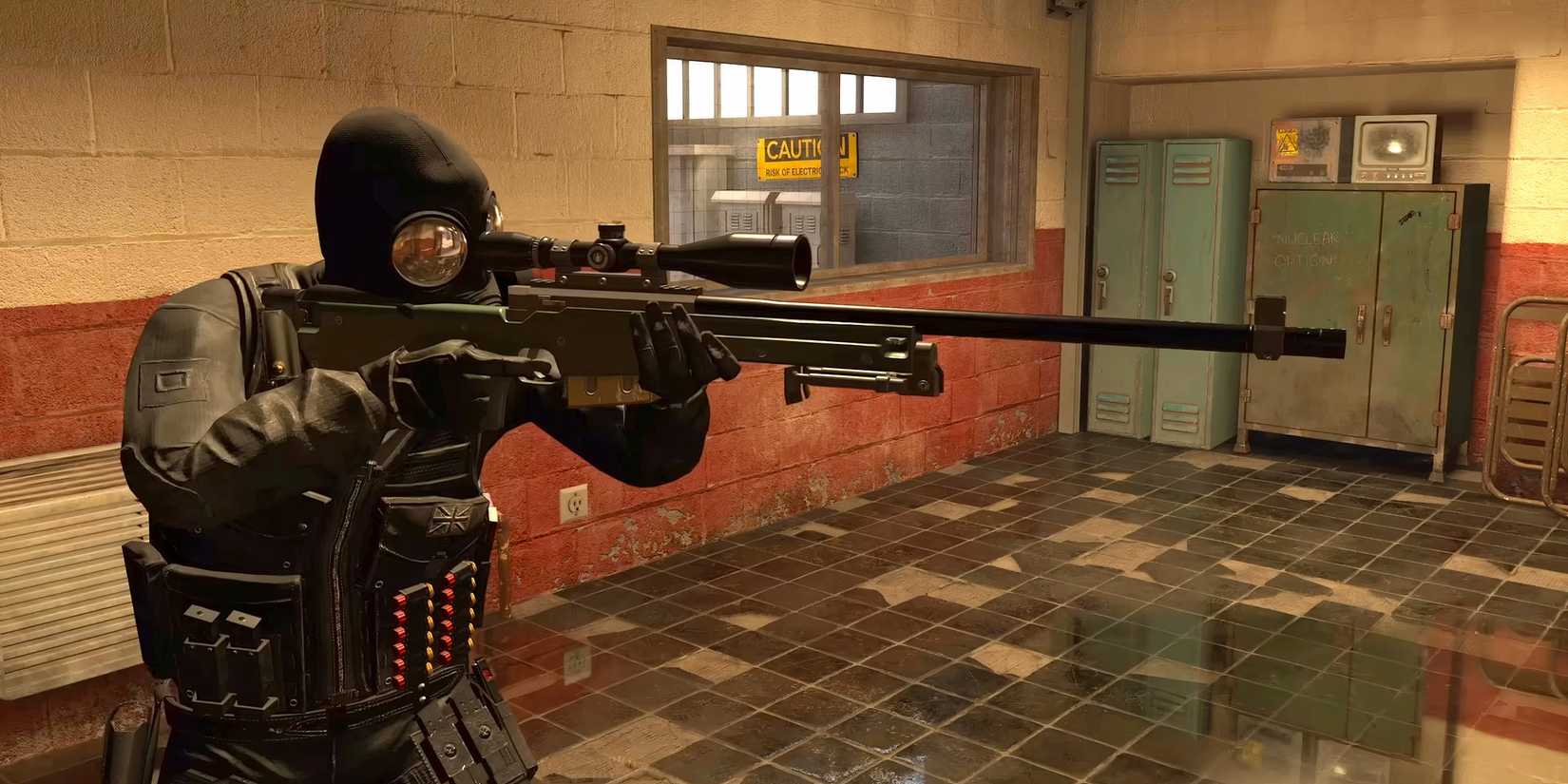
A player wielding a sniper rifle takes aim in a screenshot from the fan-made game Counter-Strike: Legacy.
Counter-Strike: Global Offensive (aka CS:GO) was released by Valve and Hidden Path Entertainment in 2012, and it refined the Counter-Strike franchise’s signature tactical, team-based combat with updated visuals, new maps, and an extremely active competitive community of players. As the fourth main entry in the Counter-Strike series, it built upon the legacy of the original 1999 mod by becoming a global esports phenomenon and setting the standard for modern competitive shooters.
CS:GO helped pioneer the use of cosmetic weapon skins as a major part of a game’s economy—for better or worse. The introduction of the Arms Deal Update in 2013 created a massive virtual marketplace where some rare CS:GO skins have sold for tens of thousands of dollars.
Counter‑Strike 2, the 2023 update to CS:GO, stands as the latest chapter in the long-running Counter‑Strike franchise. By moving to the Source 2 engine and refining every visible and mechanical element, it became the definitive version of the series.
Counter-Strike 2 regularly dominates Steam’s top-played charts with well over a million concurrent players at any given time. Its place in the franchise is rooted in decades of competitive heritage, but it stands out for how accessible and persistent it remains—a pure multiplayer experience that still engages millions globally.
Half‑Life: Alyx
The VR Killer App

Half-Life: Alyx is Valve’s groundbreaking return to the iconic franchise and a defining moment for virtual reality. Set between Half-Life and Half-Life 2, it immerses players in the role of Alyx Vance, using VR technology to deliver unprecedented realism and immersion, and delivers heavily on the universe’s signature environmental storytelling.
Every mechanic was designed to showcase what VR could truly achieve, from reloading weapons to rummaging through shelves. Half-Life: Alyx earned numerous Game of the Year and Best VR Experience awards, and really became the killer app for VR, proving that virtual reality could deliver a fully realized, narrative-driven experience on par with and even beyond what we experience in traditional gaming.
Portal 2
The Sequel That Re-Redefined Puzzle Games
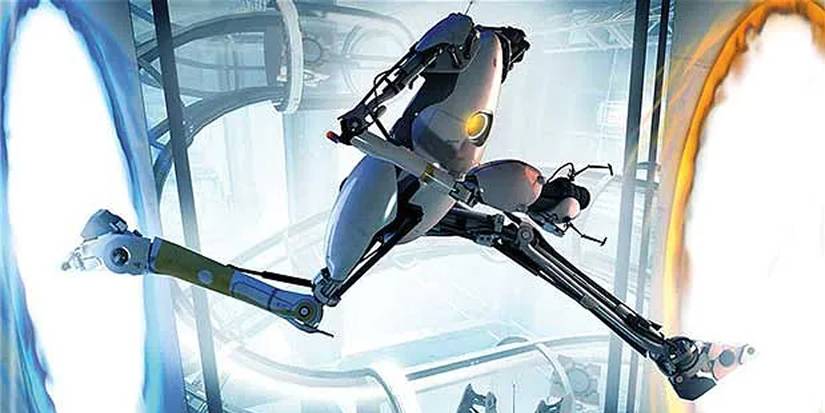
Portal 2’s Key art featuring a robot jumping between a blue and orange portal
Portal 2 expanded everything that made the original a surprise hit, with even trickier puzzles, better storytelling, and a much larger world. And it did so while preserving the trademark wit and minimalist design from the original. Valve introduced new mechanics like gels, light bridges, and tractor beams, deepening the puzzle-solving significantly and giving the game its own distinct personality without losing what made the first one great.
The story built upon the first game’s dark humor, reuniting players with GLaDOS and introducing memorable new characters like Wheatley and Cave Johnson. Its cooperative campaign added a new layer of creativity and a team-based element, cementing it as one of the most popular puzzle games ever made. Universally acclaimed for its writing, design, and ingenuity, Portal 2 is celebrated as one of the greatest Valve games of all time, outshone only by the incomparable Half-Life 2.
Half-Life 2
Undisputedly One Of The Best Games Ever Made
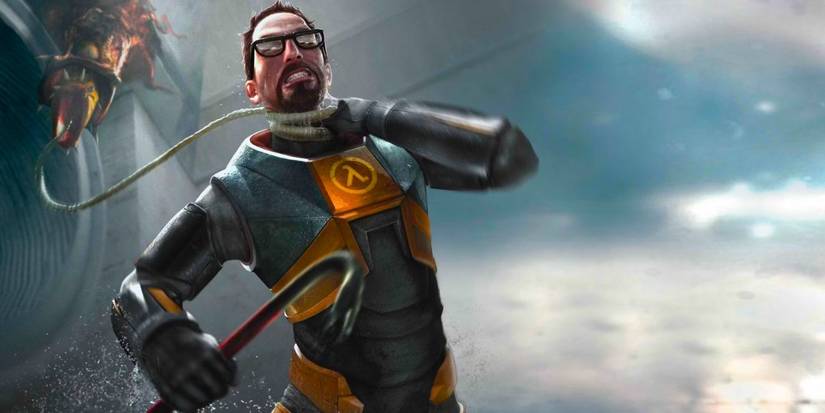
Gordon Freeman being choked by a monster in Half-Life 2.
Half-Life 2 is widely regarded as one of the greatest video games ever made, redefining first-person storytelling and immersive world-building. Powered by Valve’s then-revolutionary Source engine, it combined realistic physics, expressive facial animation, and cinematic pacing to create an experience far ahead of its time.
Players once again took control of Gordon Freeman, navigating a dystopian world under alien rule, in a game that blends action, exploration, and emotional storytelling seamlessly. Its infamous Gravity Gun became iconic for its transformative physics, influencing countless titles that followed. Half-Life 2 won over 35 Game of the Year awards and remains a benchmark for narrative-driven design, cementing its legacy as the defining entry in Valve’s impressive library of hit games.
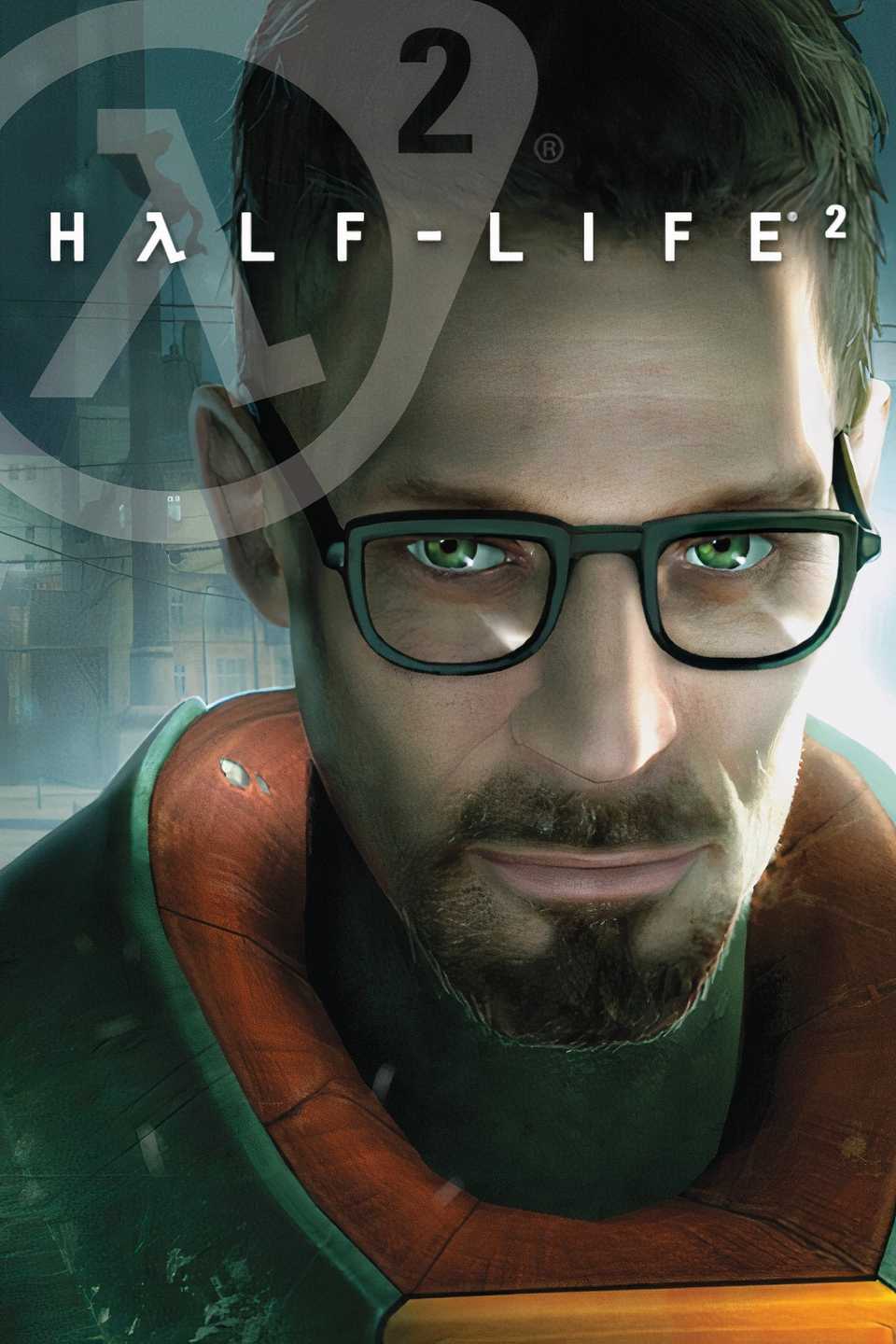
Half-Life 2
Systems


Released
November 16, 2004
ESRB
M for Mature: Blood and Gore, Intense Violence
Engine
source, havok
Franchise
Half-Life