
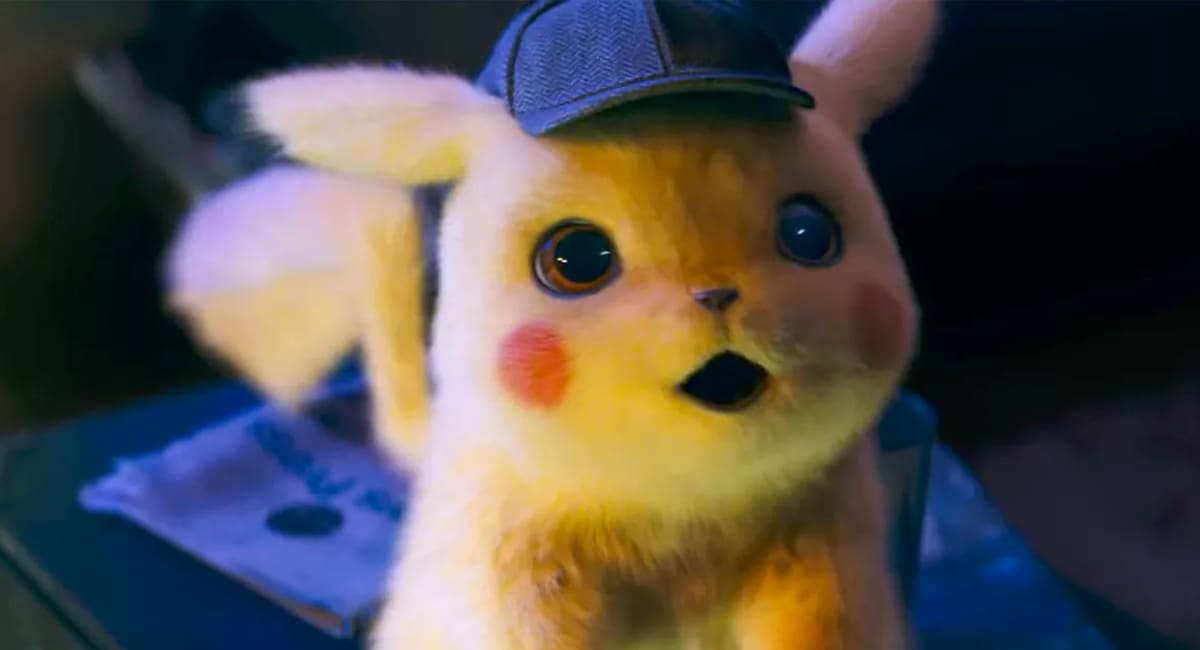
When you picture video games, what’s the first image that comes to mind?
For many, it’s not Mario’s red cap or Master Chief’s helmet — it’s a small, yellow creature with rosy cheeks, an infectious smile, and a lightning bolt for a tail. Pikachu isn’t just a mascot. Pikachu is gaming’s beating heart — the global face of a hobby that leapt from cartridges to culture.
From 8-bit beginnings to global phenomenon
Back in 1996, when Pokémon Red and Green hit Japan’s Game Boy systems, Pikachu wasn’t even meant to be the franchise star. It was just one of 151 creatures. Yet, something about Pikachu’s design — simple, soft, instantly lovable — struck a chord. Unlike dragons, ghosts, and psychic cats, Pikachu was approachable. You didn’t have to “get” Pokémon to get Pikachu.
When Pokémon Yellow launched in 1998 with Pikachu following you around on-screen, it sealed the deal. It wasn’t just a game; it was a friendship simulator before anyone used that phrase. Kids weren’t catching Pikachu — they were bonding with it.
The mascot that crossed generations
Nintendo’s strength has always been its characters. But while Mario represents fun and adventure, Pikachu represents emotion.
He’s soft power in a world of sharp edges. Pikachu never speaks in full sentences, never battles out of malice, and yet somehow expresses more humanity than most human characters in gaming.
It’s why Pikachu became the face of the anime, the movies, the merchandise, and even international marketing. From lunchboxes to airplanes, Pikachu’s cheerful face tells you everything about Nintendo’s philosophy: joy, imagination, connection.
A universal language
What makes Pikachu extraordinary isn’t just its fame — it’s its reach.
There are players in Tokyo, London, Lagos, and São Paulo who may not share a language, but they all know what “Pika Pika!” means. It’s universal shorthand for excitement and positivity. In an age where so much online culture is divided or cynical, Pikachu is pure sincerity.
Even non-gamers get it. Your parents know Pikachu. Your grandparents might even know Pikachu. Try explaining Sonic or Kratos to someone over 70 — now try Pikachu. One smile, and they’ll nod.
That’s cultural power.
Beyond nostalgia
It would be easy to dismiss Pikachu as just a relic of childhood nostalgia. But look closer — Pikachu has evolved as gracefully as the franchise it leads. From pixel art to Detective Pikachu’s CGI fur, the character has adapted without ever losing its warmth.
Compare that to how other mascots age — some grow irrelevant, others get gritty reboots. Pikachu just keeps smiling, quietly proving that you don’t have to change who you are to stay loved.
And in 2025, as Pokémon Horizons expands the anime universe and Pokémon GO continues to thrive, Pikachu remains the constant. The face that launched a thousand spinoffs still feels fresh, familiar, and alive.
The heart of the Pokéball
When you think about it, Pikachu’s enduring power says something about us. We’re drawn to kindness — to stories that remind us that friendship, teamwork, and perseverance still matter.
In every electric spark and “Pika!” squeal, there’s a message: it’s okay to be small, soft, and still make an impact.
In a gaming landscape obsessed with power fantasies, Pikachu endures because it never tried to be powerful — it tried to be loved.
And maybe that’s why, decades later, the little yellow mouse still stands taller than any titan, soldier, or plumber.