
One of the first pieces I ever wrote for TheGamer was about howa generation of broke gamers is being exploited, or in some cases, excluded from the medium altogether. Whether it’s insidious free-to-play games turning kids into gamblers, or the rising cost of everything in the industry pricing them out of it entirely, my heart goes out to those who can see everyone else engaging in this community, but can’t join in.
Back in the day, I made do with older games I found for a few quid at the second-hand electronics chain, CeX. My PS3 and PS4 were from there too, so I was able to nab them for a decent price long after release and fell in love with a range of single-player games. Now, you’d be hard-pressed to find a PS5 or Xbox Series X going for cheap, in fact Xbox has recently raised the price of the Series X yet again. And if you get the more affordable Xbox Series S, then you’re locked out of the second-hand market, as it’s digital only.
But this wasn’t so much of an issue when I wrote about this very same subject back in 2021. I instead praised Xbox as being the exception to the rule, as the Series S and Game Pass deals you could pick up at the time were incredibly accessible. For £21.99 a month, you could pay off your Series S and get 24 months of Game Pass. And if you didn’t want to get tied down to a payment plan, the Series S was a reasonable £249.99.
Now, £21.99 a month won’t even get you the Game Pass Ultimate tier, let alone a console to play it on. In isolation, perhaps this would just be Microsoft responding to market trends, but when this comes just after revealing the ROG Xbox Ally X will cost a grand,andwith Call of Duty being wiped from all Game Pass tiers, it feels more like an abandonment of the working-class gamer – and all because Microsoft tried to turn Xbox into something it was never meant to be.
Xbox Shouldn’t Have Come For PlayStation’s Crown
At the start of this console generation, the lines were drawn. The general consensus was that PlayStation was what you went for if you liked your big, bold single-player exclusives that rolled around a couple of times a year. It was pricey, but those who cared enough would try to make it work.
That left Xbox open to scoop up every other kind of gamer, and it should have. Game Pass was in a healthy place, not only offering new releases on day one but also hosting an incredible back catalogue. The promise of more was on the horizon, as Xbox waited for its Bethesda acquisition to bear fruit. But even while we waited, it was a great place to find smaller games.
In the years that I was subscribed, 2022 was the best time for Game Pass. It might have been criticised for not having big releases, but it was the perfect example of what Game Pass could have and should have been. I caught up on stuff I missed, like The Forgotten City and The Outer Wilds, but we also got smaller gems, like Scorn, Citizen Sleeper, and Pentiment. It showcased what Game Pass was best at, letting you access a bunch of games you might not pick up otherwise. Game Pass became the modern version of CeX, allowing me to pick up and play a variety of games I missed, all without having to spend retail price on them.
But Microsoft either never realised that, or it was not content with that model. It didn’t want to be gaming on a budget; it wanted to be everything. Most importantly, it wanted to beat Sony at its own game.
So, Microsoft fought tooth and nail to acquire Activision Blizzard for $68.7 billion (we can only imagine how much the legal fees added to that) and shoved all of its games on Game Pass, too. Now, Game Pass is packed, but it’s an even more costly experiment than ever before, and it needs to pay off fast.
Seemingly, it hasn’t.Something about Starfield’s release appeared to spook Xboxso much that we eventually saw a complete reversal of the console-exclusive strategy. And now, only one Game Pass tier will give you new games on release day – and only if they’re not Call of Duty.
Game Pass should have been about stability in a tumultuous industry, not a place for big-budget games to have their sales eaten into and for more experimental releases to be punished for not immediately setting the world on fire. As one poor decision stacked on top of another, Xbox lost focus on what this generation should have been about. It shouldn’t have been the only place where you could play some of the biggest games, à la PS5, and once it realised that and started to course correct, it was too late.
To make matters worse, it couldn’t even course-correct properly. It kept trying to secure big day-one releases for Game Pass, even as that model proved ineffectual. And while Clair Obscur: Expedition 33 was a good get, how many of these deals have actually borne fruit?As per a leaked email, Microsoft was willing to put down $250 million for Suicide Squad: Kill the Justice League, another $250 million for Mortal Kombat 1, and just $5 million for Baldur’s Gate 3. It didn’t get any of these games, but that gives you a look at the decision-making being done higher up. Hindsight is 20/20, and even Larian was surprised by Baldur’s Gate 3’s success, but to consistently show such poor instincts is baffling.
That questionable judgment is seen with Xbox’s first-party games, too. Famously, Redfall from Arkane Austin was a disaster. Head of Xbox Gaming Studios, Matt Booty,took some of the blame at the time, saying that Xbox had failed to “set expectations” on what is needed from a game that it publishes. It is worth mentioning that when I have spoken to developers who worked on the ill-fated Fable Legends during the Xbox One era, I heard much the same complaint; Microsoft didn’t know what was going on.
When Xbox dropped the ball back then, a studio was shut down. When it drops the ball now, multiple studios are shut down, and Game Pass keeps getting worse.
Xbox Has Set Itself On This Path, And It Can’t Turn Away Now
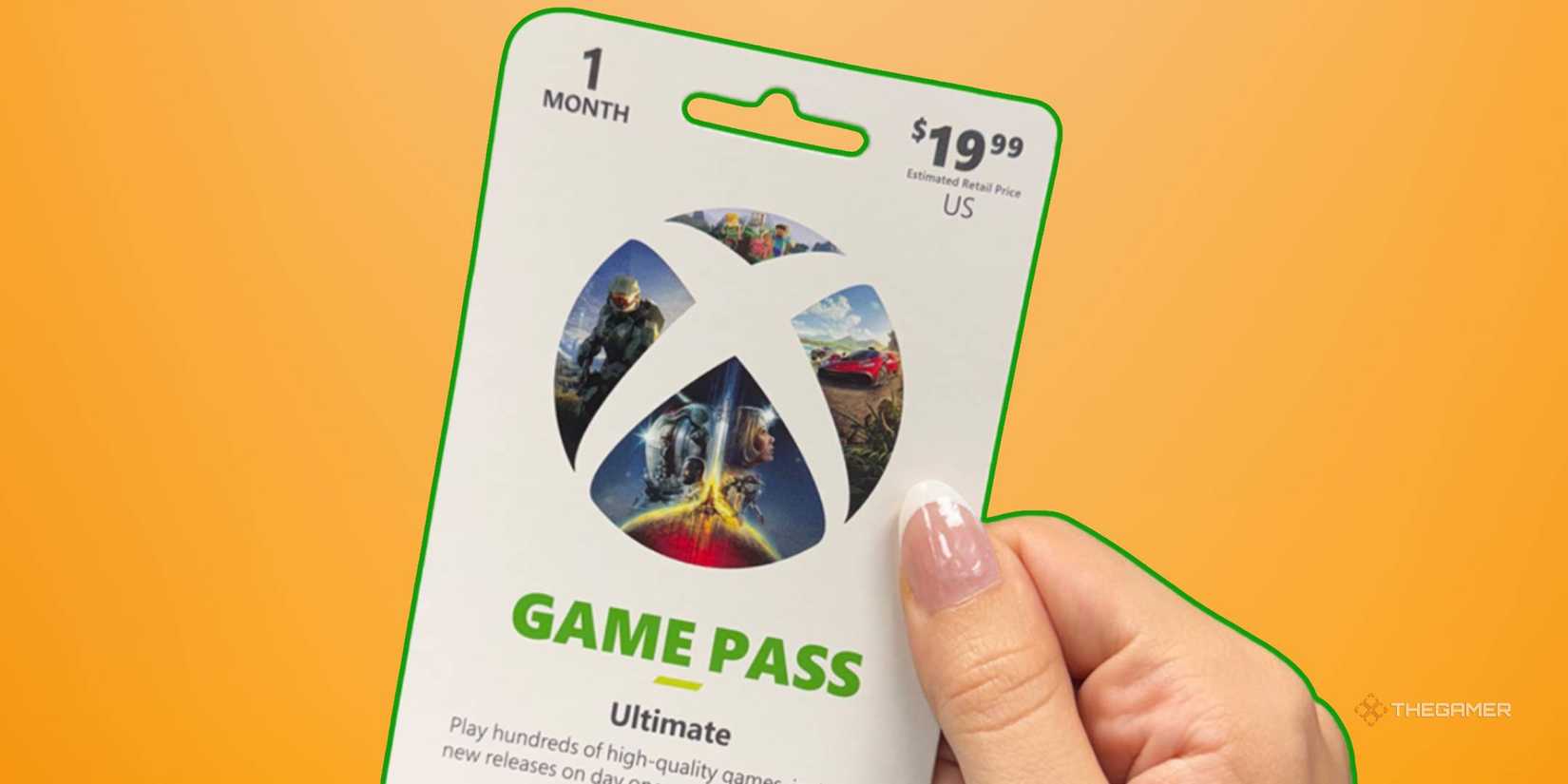
Now, these Game Pass pricing changes are just another example of trying to go for everyone and no one all at once. If anyone cares enough about games to pay 30 bucks to play them every month, they are not on Xbox. They are on PC, PlayStation, or have just forked over all their money on a Switch 2. They sure as hell aren’t going to pick up an Xbox now – even pricier than it was at launch – and a subscription service which is only getting worse, or even promising games that might be cancelled in another round of layoffs.
A few years ago, we hoped that Xbox might turn Activision Blizzard around. Now, it has become the stain on the industry that we thought it would fight against. Game Pass has irrevocably changed the way its players value the games being put out by its studios for the worse. Microsoft has become unreliable as a parent company, offering seemingly little oversight over the games that are being made under its watch, and cancelling titles that show promise.
It made studios across the globe,especially in Europe, reliant on its support, and then unceremoniously threw them to the wolves. And that’s not even getting into the human cost, as thousands of employees have been laid off, and even more have to work under the fear of having the rug pulled out from under them at any moment.
Could Game Pass ever have worked, or was it always going to be doomed by its own success? Did it have to be the beast that is seemingly reviled by the wider gaming industry? I don’t know. What Idoknow is that for the past few years, Xbox has done nothing to foster its strengths, and has turned it into a service utterly unrecognisable from what I signed up to at the start of the generation.
One of the few good deals for broke gamers has been taken away from us, and there’s nothing to replace it. For that, Xbox has utterly lost my trust, and should lose yours as well, at least until new leadership is in place.
Number of Devices Concurrently
Five, with Friends & Family (in limited countries)
Number of Accounts
1 Primary Account Holder