
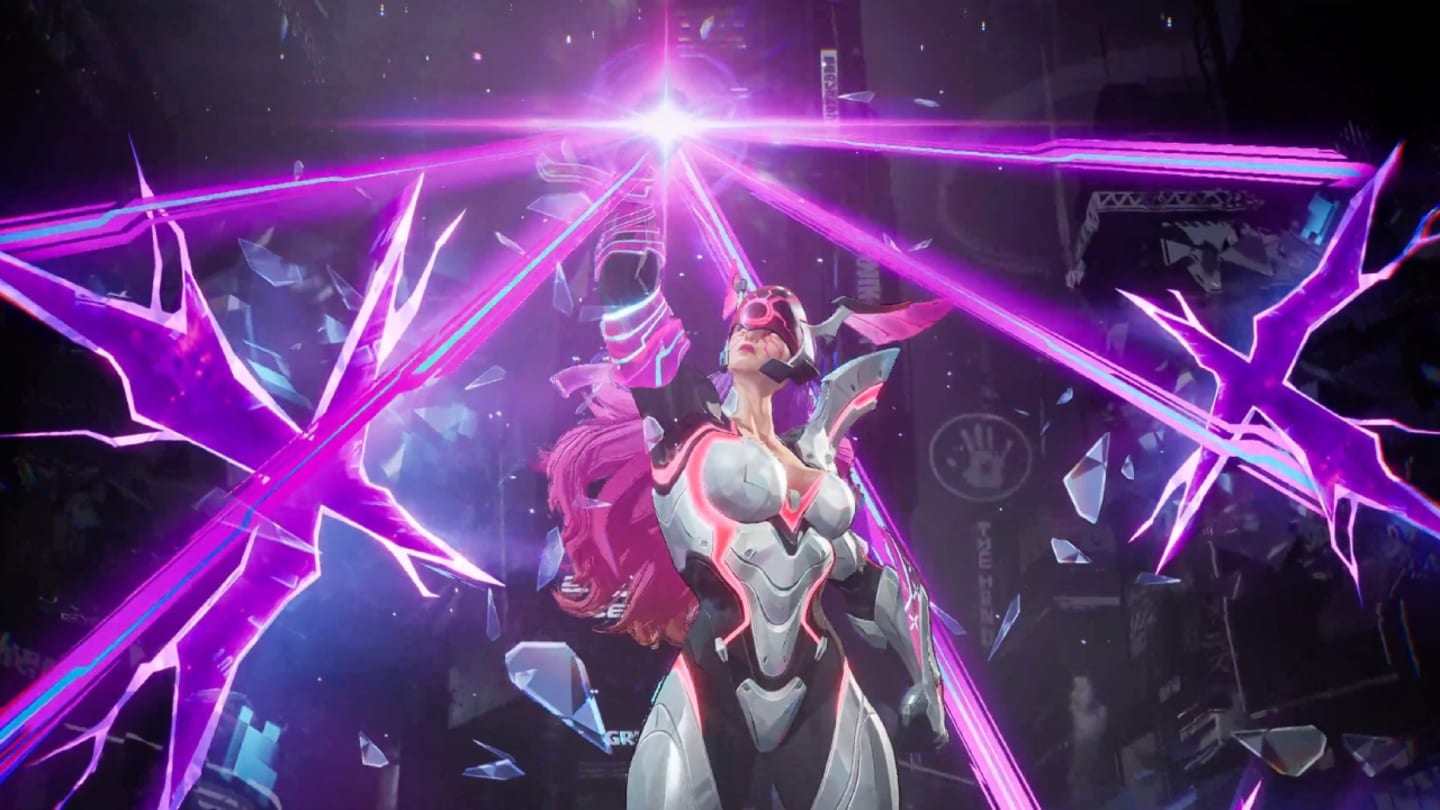
Since Marvel Rivals launched its Season 4, players across different platforms began reporting several technical in-game abnormalities en masse. These issues primarily included stuttering, performance, and general stability issues that appeared mid-match and hindered the overall experience, rendering the game even borderline unplayable in certain effect-heavy situations.
Fortunately, on September 17, the official Marvel Rivals YouTube channel released its first video of the brand new Technically Speaking diary. Featuring FanFan, the game’s Technical Director, the goal here was to discuss several tech-related behind-the-scenes updates with the community and address the aforementioned setbacks.
The team breaks down the video into three segments — Stuttering, Performance, and Stability — with each segment explaining changes to fix its corresponding issue. For the most part, those changes are limited to a PC perspective, but general improvements will be applied to consoles as well.
To summarize Technically Speaking Vol. 1, here is a list of everything Marvel Rivals is doing to tackle the ongoing tech issues:
Fluid experience after uncovering stuttering culprits / Image via NetEase Games
With regards to stuttering, FanFan brought up how Marvel Rivals is changing its shader-compiling strategy to improve the overall experience. Rather than compiling shaders upfront, the game will now preload the most frequently used shaders, reducing memory usage and the average startup time by 40%.
Moving on, they also claim to have successfully tracked down more than “200 performance hotspots” and optimized them through better logic and processing. In a nutshell, this effectively targets specific instances where Rivals was pushing your hardware to its limit. They’re also implementing new detection techniques to track down even more hotspots later on.
Revamped Marvel Rivals performance-testing tool / Image via NetEase Games
Arguably, the biggest performance-related change we’re seeing in Marvel Rivals is launching a brand new ‘Standard Performance Test’ tool, which essentially benchmarks your game with intense in-game scenarios. Now, on top of seeing detailed metrics, the tool will auto-optimize your device and find the best setting specifically for you.
Related Article: College Students Get New Free Marvel Rivals Skins in Season 4 Perks Program
Another major change this time around is the improvement to Parallelism. For the non-techies, this section involves how the game utilizes your PC’s extra cores and resources (specifically the CPU) by sharing the workload — also called “multithreading”. According to FanFan, they’ve revamped their approach for better parallelism, and the highlight here is a whopping 30% better average frame rate.
PlayStation 4 Owners To Expect A Smoother Experience From Mid-Season 4 Onwards
Launched alongside Season 4 on September 12, many players deemed Marvel Rivals’ PS4 port to be a miracle. Unfortunately, the performance figures and fluidity matched everyone’s expectations, making the game laughably nonfunctional on the Base and Slim models.
Here we have an ancient PS4 proudly running Doctor Strange’s portal
Via/Most-Year-7326 pic.twitter.com/5oLWDFCYQP
— Marvel Rivals Intel (@RivalsAssembled) September 13, 2025
In Technically Speaking Vol. 1, the team acknowledged this fact and dedicated an entire subsection to explain how they’re rolling out patches to improve last-gen experience. Although they didn’t give out any specifics, they mentioned that these enhancements will begin somewhere in Season 4 and will also benefit PC and current-generation owners.
GPU crashes are dying down / Image via NetEase Games
Game crashes remain a key issue in Marvel Rivals, and players using Intel 13th and 14th-generation CPUs specifically were reporting lots of those. While some believe this was expected, given these lineups’ widespread stability complaints, but Rivals’ crashing issue also bled out to GPUs that weren’t paired with these processors.
Related Article: Marvel Rivals Season 4 Battle Pass Guide – All Skins and Cosmetics
Although the team didn’t delve too deeply into their revised strategy, they assured us that they’re performing tests to weed out the causes and make crashes significantly less frequent. Additionally, FanFan also announced that they’re partnering up with hardware manufacturers, like NVIDIA, to roll out specific stability-related fixes for Marvel Rivals.
PC performance is an absolutely critical part of any esport. If the game doesn’t run well, online tournaments are effectively impossible to operate. The more types of hardware that can run a game, the larger the potential player base will be. Marvel Rivals surged out of the gate at the start of this year, but has steadily slowed its momentum (minus the fervor for the swimsuit costumes). Improving performance and stability will be crucial in order to keep the enfranchised players in the ecosystem for as long as possible until the next big hero release encourages those who left the game due to not being able to run it properly return.