
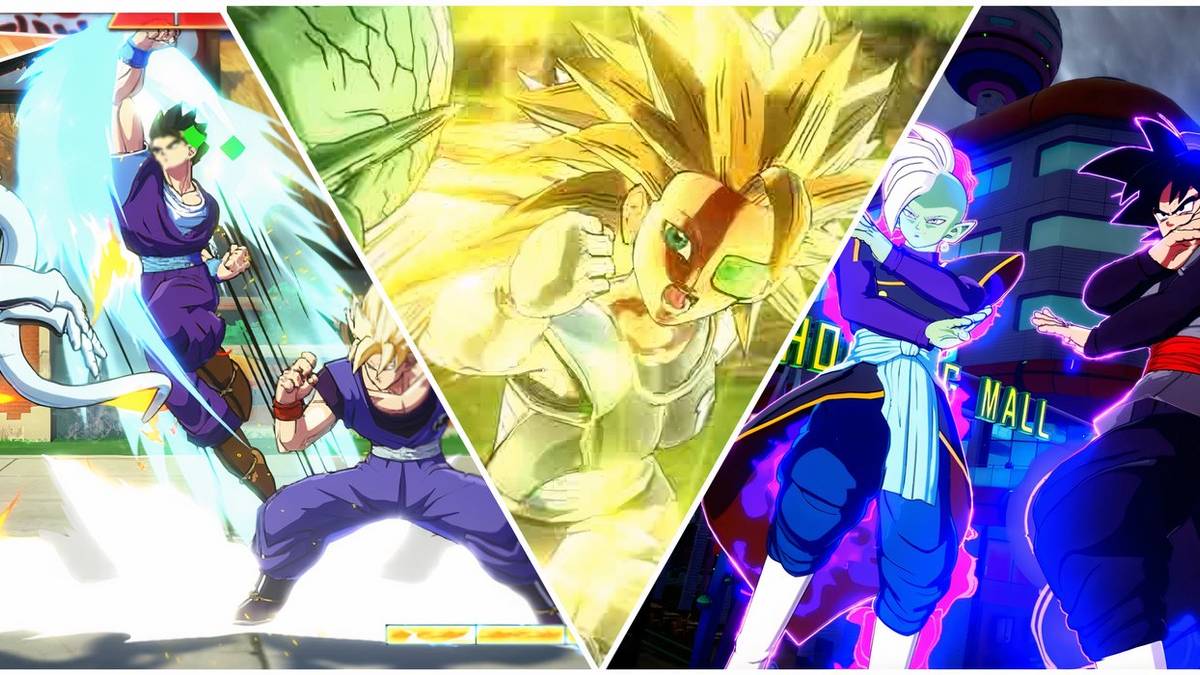
Dragon Ball’s influence on manga and anime is undeniable, but it’s been fascinating to see how its reputation has extended to other areas, such as video games. Dragon Ball video games have been around for nearly as long as the anime. Over 100 Dragon Ball games have been produced, and this pillar of the franchise has proven to be incredibly important for Dragon Ball’s longevity. Dragon Ball video games were the only place to get new material during the manga and anime’s extended periods of dormancy before Dragon Ball Super. It’s safe to say that video games kept Dragon Ball in the public consciousness so that new anime and manga installments could hit harder than ever when they finally happened.
Dragon Ball video games have evolved over time and gone in curious directions, but this has unfortunately led to a certain stagnation that’s reduced Dragon Ball to yet another fighting game franchise. Dragon Ball is a natural fit for the fighting genre, but it became such a video game staple because of its versatility and ability to penetrate various gaming genres, whether it’s RPGs, adventure games, strategy titles, or even card games. Modern Dragon Ball games are bigger and more impressive than ever, but their decision to prioritize the fighting genre has put the future of Dragon Ball video games in jeopardy.
Dragon Ball’s Best Video Games Haven’t Been Fighters
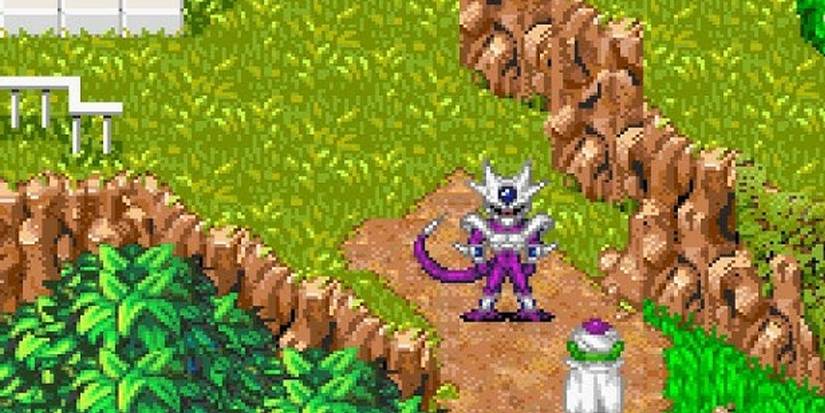
Cooler and Piccolo in The Legacy of Goku.
Image via Infrogrames
Dragon Ball gamers have a number of options when it comes to games that celebrate their favorite series. Dragon Ball FighterZ set new standards for Dragon Ball fighting games, while Dragon Ball: Sparking! ZERO and Dragon Ball Xenoverse 2 continue to release new DLC additions. The recent release of Dragon Ball Gekishin Squadra even brings an impressive Dragon Ball package to the free-to-play crowd. There’s a lot to love in these titles, but they all promote fairly similar fighting game experiences.
The one current Dragon Ball game that opts to do something different through its action-RPG setup is Dragon Ball Z: Kakarot, which is over five years old at this point. The fact that a proper Kakarot successor hasn’t been announced seems to be confirmation that fighting games are where Bandai Namco Entertainment see Dragon Ball’s future. This perspective makes sense, especially with the robust community and professional eSports credibility that Dragon Ball has established for itself. However, in doing so, so many promising Dragon Ball projects are eliminated.
Fighting games may make up the most popular Dragon Ball games with incredibly active communities. However, some of the franchise’s best games were brave enough to experiment in other genres. Games like Dragon Ball Z: Legendary Super Warriors, Dragon Ball Z: Attack of the Saiyans, Dragon Ball: Revenge of King Piccolo, Dragon Ball: Origins and its sequel, and the Legacy of Goku trilogy are still cherished classics that continue to come up in modern gaming discussions.
Newer Dragon Ball games accomplish remarkable things that would have been impossible a decade ago, but there are still inherent limitations in the fighting genre that aren’t faced by RPGs, adventure titles, and other types of games. Some of these games even blend multiple genres together in order to create something original that still respects Dragon Ball’s tone and energy. Dragon Ball has a rich story that’s developed over several decades, and sometimes a lengthy RPG is required to capture the series’ nuance. Some of the strongest moments in Dragon Ball gaming come from titles that aren’t part of the fighting genre and demonstrate their implicit Dragon Ball knowledge in other areas.
Focusing on Fighting Games Limits What Dragon Ball Games Can Do in the Future
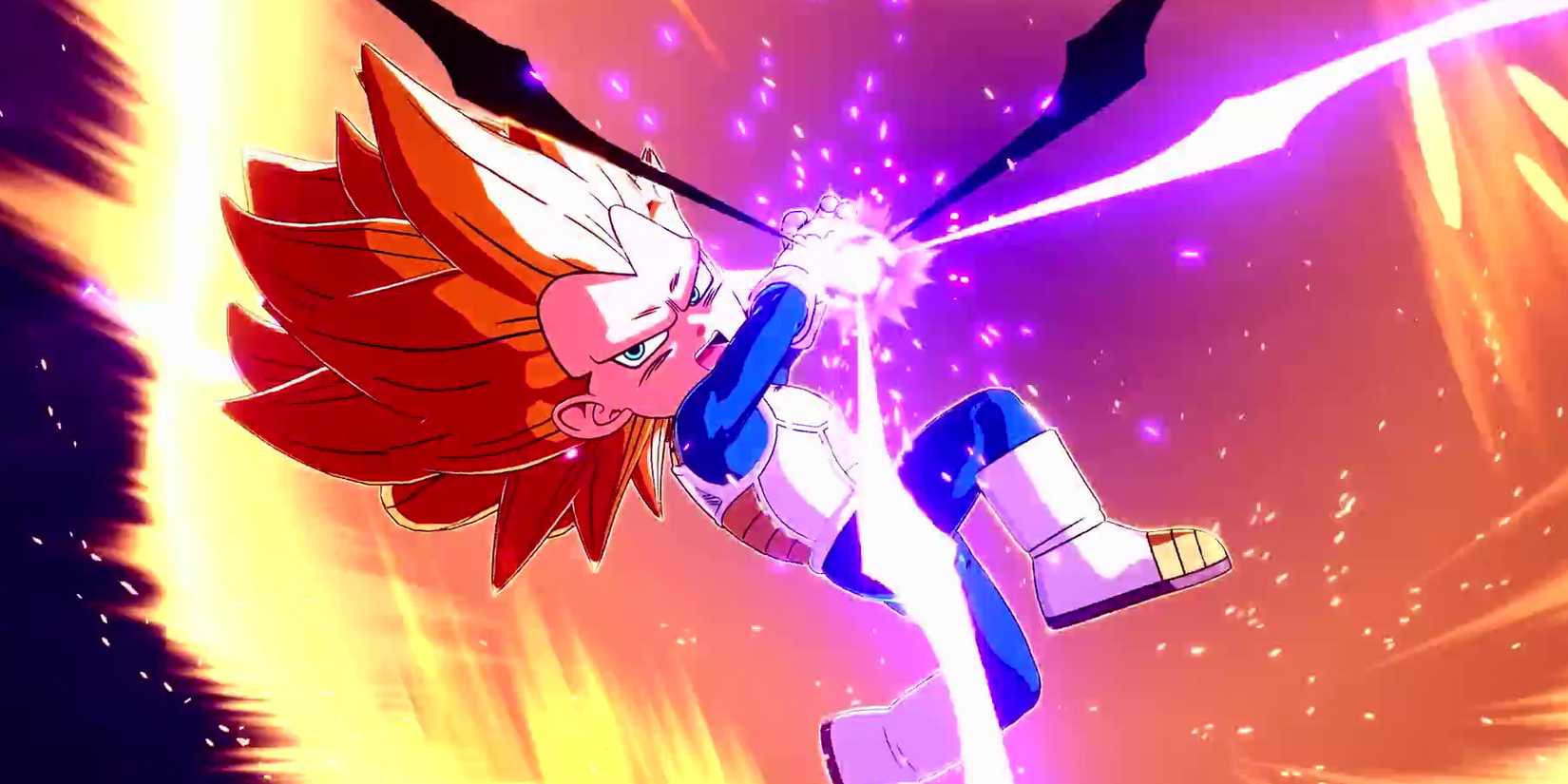
Vegeta fires a Galick Gun in Dragon Ball: Sparking Zero.
Image via Bandai Namco Entertainment
Risks can be seen as scary propositions in the gaming industry; there’s much greater security in turning out more of the same. Dragon Ball: Sparking! ZERO is certainly cut from the same cloth as past Dragon Ball fighters, which could also be said about FighterZ and Xenoverse 2. The reason that more of the same style of game continues to be produced is because a certain degree of tunnel vision occurs with the industry and consumers. There’s a dangerous feedback loop here in which fighting games are the only Dragon Ball titles that are popular, which means that they’re the only type of Dragon Ball games that get developed.
At the same time, this abundance of Dragon Ball fighters conditions audiences to expect any new Dragon Ball game to fit into the fighting genre. Other types of titles don’t get the opportunity to grow, evolve, and subvert expectations. There was a greater compulsion to mix things up in the 2010s when any Dragon Ball game could succeed. The franchise’s fragmentation has led to a greater degree of caution with Dragon Ball games that limits the type of titles in production.
A lackluster future for Dragon Ball video games that consists primarily of fighting titles also runs the risk of tarnishing the series’ brand and reducing it to something more simplistic. A world in which only fighting games exist for Dragon Ball means that it’s been turned into the exact thing that it’s worked so hard to avoid. It used to be uncommon to get a Dragon Ball RPG or adventure game, but now it’s a genuine shock whenever one is announced.
Dragon Ball games have been reduced to roster announcement videos and character collections that become increasingly convoluted. There’s nothing wrong with a Dragon Ball game that’s packed with content and full of surprises, but it shouldn’t have to be forced into the sterile nature of the fighting genre. Some of the most popular elements in modern Dragon Ball fighters are the “What If?…” storylines because they at least get to briefly pretend that they’re action-adventure games or RPGs.
Dragon Ball Games Have Become Focused on the Same Material
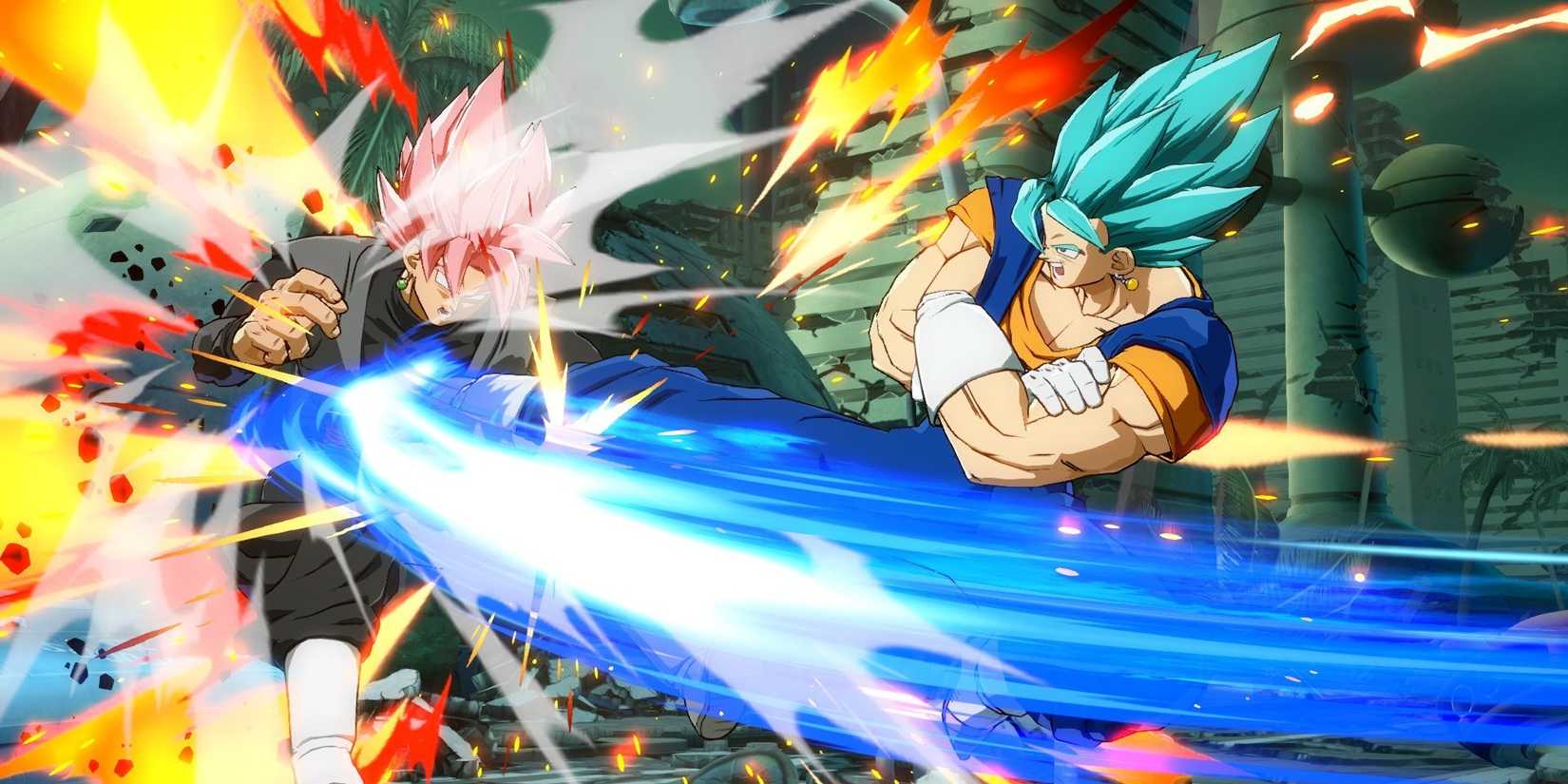
Goku Black and Vegito Blue fight in Dragon Ball FighterZ.
Image via Bandai Namco Entertainment
The sprawling Dragon Ball saga spans over 600 episodes, several series, and more than a dozen feature films. This is all more than enough material to fill a video game, yet Dragon Ball faced an issue where each game had to cover more of the franchise. Dragon Ball reached a point in which it’s now the norm for a title to cover the entirety of Dragon Ball Z and likely at least some of the original series and Dragon Ball Super. Audiences have played through the same milestones and fought against the same villains on countless occasions. It’s no different in Sparking! ZERO or FighterZ, even if they pack in more content.
Dragon Ball is also in the middle of a legal rights issue that means that Super’s manga-exclusive material still can’t migrate over into video games. This limits the franchise’s future and creates an even greater feeling of malaise where each game focuses on the same story elements. This also makes each Dragon Ball game seem more generic when every title is a fighting game that focuses on the same broad material.
It’s important for Dragon Ball to understand that less can be more. It’s not necessary to repeatedly include Saiyan Saga to Buu Saga coverage, especially when everybody already knows it by heart at this point. It would be in Dragon Ball’s best interest to scale things down and instead focus on a snapshot of the series, albeit with an unprecedented level of detail. Some of the best Dragon Ball games are the ones that narrowed in on specific sagas, such as the Legacy of Goku titles or games that were specifically geared to Dragon Ball GT. Dragon Ball games could establish an identity for themselves again if they pulled back and focused on unique material.
Dragon Ball games are only limited and repetitive if they choose to be and reinforce the same old ideas and material. The current fighting game problem reflects other Dragon Ball woes that hold back innovation, rather than the limitless time during the 2010s when it felt like anything was possible in Dragon Ball games because of the brand’s potency and power. There’s still new content coming for Kakarot, Sparking! ZERO, and Xenoverse 2, but big changes will need to occur if the next decade of Dragon Ball gaming wants to be as fruitful as the last.