
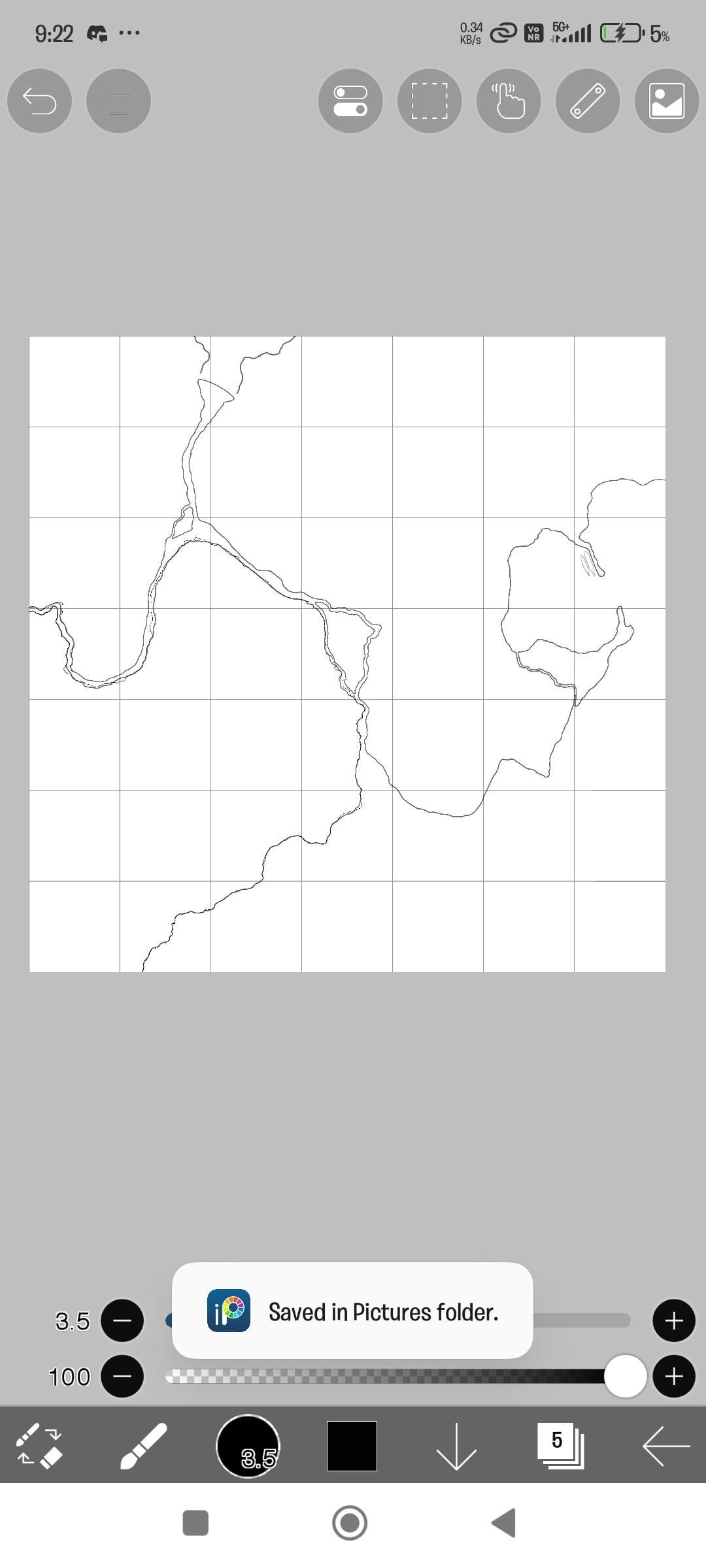
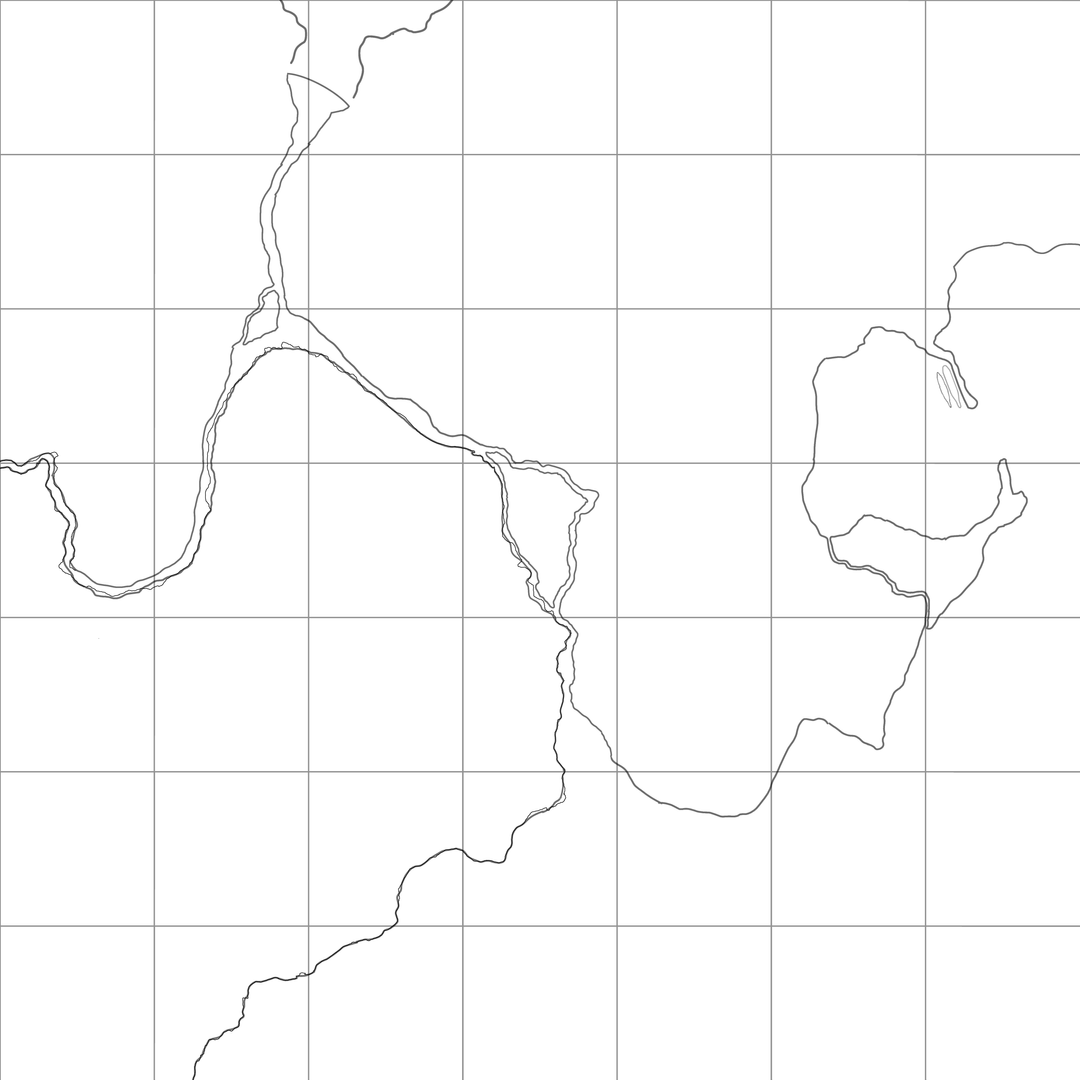
Yudyaska — Complete Lore & Map Design
(Fictional alternate history — does not match real-world events)
📍 Location & Basics
Region: Eastern coast of the Kamchatkan Peninsula, USSR (Alternate Cold War timeline)
Map Size: 7×7=49 km²
Climate: Autumn broadleaf forests, taiga, boreal forest, snowy alpine peaks
Theme: Post-nuclear abandoned military-industrial zone
Status: Abandoned for over 50 years; partially safe from radiation
Unique Gameplay Mechanic: Radiation Zones with slow health & energy drain
📜 Pre-War History
Originally a fishing settlement, Yudyaska became a strategic Soviet stronghold by the late 1930s. Over decades, the USSR transformed it into a fortified military hub:
Lagoon Naval Base with drydocks for capital ships
Northwest Dam for hydroelectric power
Planned eco-medieval town for sustainable civilian living
Bunker 17 — a secret nuclear weapons lab buried inside massive mountains
Modern air base with squadrons of MiG-21 and MiG-19 fighters
By the late 1960s, the incomplete Soviet battleship Kirov (without its nuclear reactor) and the aging Parizhskaya Kommuna were stationed here alongside heavy armor and artillery.
💥 The Yudyaska Incident (Alternate Cold War)
In the early 1970s, U.S.–Soviet tensions peaked. The U.S. launched Operation Black Spire, a massive bombing campaign disguised as a Japanese air force strike.
Over three days:
Anti-aircraft and artillery batteries were destroyed.
Multiple armored divisions were annihilated.
Several MiG-21 and MiG-19 jets were destroyed on the runway.
Missile strikes hit the lagoon, crippling both Kirov and Parizhskaya Kommuna.
Direct hits on the mountains breached Bunker 17’s nuclear containment, releasing radioactive contamination.
Radiation spread across valleys and mountain passes, forcing the evacuation of the entire region.
🌍 Global Fallout
The attack footage leaked worldwide, triggering massive unrest:
United States: Protests, military leaks, and economic collapse — the federal government fell within a year.
Soviet Union: Public outrage and military mutiny toppled the Communist Party.
Both nations splintered into dozens of independent states, city-republics, and warlord territories.
Yudyaska was sealed under an international treaty, becoming a forbidden zone.
⏳ Present Day (Game Era)
Radiation levels have dropped enough for scavengers, mercenaries, and warlords to enter. The zone is now a deadly battleground, rich with loot, rusting war machines, and buried Cold War secrets.
⚠️ Radiation Zones Gameplay Mechanic
Some areas — especially Bunker 17 and parts of the military base — are still “hot.”
Effects:
Slow health drain over time
Boost/Energy bar drains faster, preventing passive healing
Exposure builds over time — the longer you stay, the faster you take damage
Counterplay:
Temporary protection via rare “Hazmat Suit” or “Rad Helmet” loot
High-value loot spawns inside radiation zones to tempt players
Player Experience:
Geiger counter clicks increase the deeper you go
UI warning: “Radiation Exposure Detected”
Forces quick, high-risk raids instead of camping
🏴 Key POIs
-
Bunker 17 — Sealed blast doors, interior mazes, high-tier loot in radiation zones
-
Lagoon Naval Base — Rusting hulls of Parizhskaya Kommuna Battleship & Kirov, underwater loot spots
-
Northwest Dam — Partially operational, guarded by AI-controlled warlord troops
-
Eco-Medieval Town — Overgrown streets, half-finished structures, sniper sightlines
-
Mountain Missile Impact Zones — Cratered terrain, exposed bunkers, rare weapons
-
Autumnwood — Red-orange forests hiding an old artillery battery
-
Frozen Heights — Alpine peaks with hidden sniper nests & icy traversal hazards
-
Abandoned Air Base — Destroyed MiGs, ruined hangars, scattered military loot
🎨 Tone & Atmosphere
Visual Style: Cold, desaturated tones with bursts of autumn red and rusted steel
Audio: Wind over mountains, creaking ship hulls, distant wolf howls, Geiger counter clicks in hot zones
Player Feel: A war ended here twice — once in fire, once in silence. Every ruin tells a story.
📌 Note
This story and setting are entirely fictional. It does not represent or match any real historical events.