
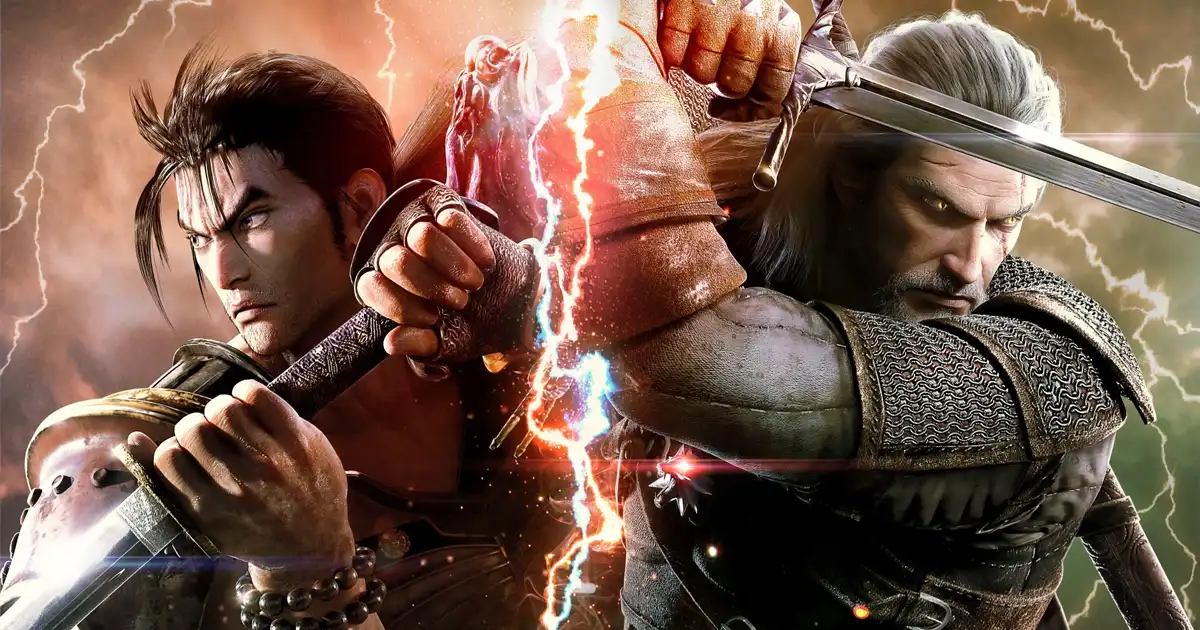

It’s been 7 years now since Soul Calibur 6 was released and while it had a decent enough start, the game faded away all too quickly and now the franchise hasn’t heard any news for several years.
But what exactly happened to cause this? Well, honestly, it’s a long story that goes back a lot longer than just Soul Calibur 6 and concerns the Soul franchise as a whole.
Although the franchise itself would originally come to be referred to as Soul Calibur, the original game which released back in 1996 was actually called Soul Edge. The sequel, Soul Calibur, did so well that Bandai Namco opted to stick with the Soul Calibur brand name to keep loyal fans engaged and the rest, as they say, is history…
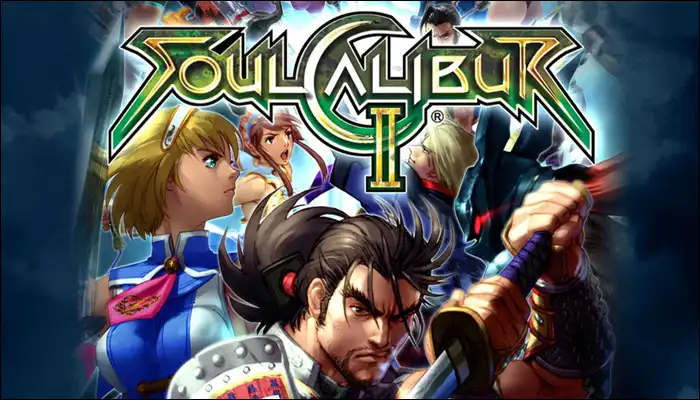
Soul Calibur’s glory days start with the release of… well, Soul Calibur. The title was first released in arcades and later came out for the Sega Dreamcast and is fondly remembered as one of the best fighting games of all time, receiving many perfect marks upon its release — the DreamCast versions sits at an astounding 98/100 on Metacritic.
This success led to Soul Calibur 2, which is generally seen as the best in the franchise by the vast majority of players and had a storied competitive history in the old days of the fighting game community.
It was also the start, or at least the popularization, of guest characters in fighting games as it added a different character on each of its release platforms, with Heihachi from Tekken joining on the Sony PlayStation 2, comic book character Spawn on the Microsoft Xbox and perhaps most famously Link from The Legend of Zelda on the Nintendo Gamecube (this version is now available on the Nintendo Switch 2, by the way.)
At this point in time, Soul Calibur was a household name in the gaming sphere and many people considered it their favorite fighting game franchise.
While the franchise didn’t reach the same heights with its later entries, both Soul Calibur 3 and Soul Calibur 4 did decently well, though their competitive viability was very questionable with poor balance and Hilde in Soul Calibur 4 being such a deterrent for players that she even ended up being banned from competitive play.
Although not necessarily a strong contender for serious fighting game competitions after Soul Calibur 2, the casual appeal was still very strong with the games (also helped by absurd guest characters like Yoda and Darth Vader in Soul Calibur 4 making headlines) and they regularly sold between 2 and 3 million copies.
What came next, however, was where the troubles truly began for the franchise.
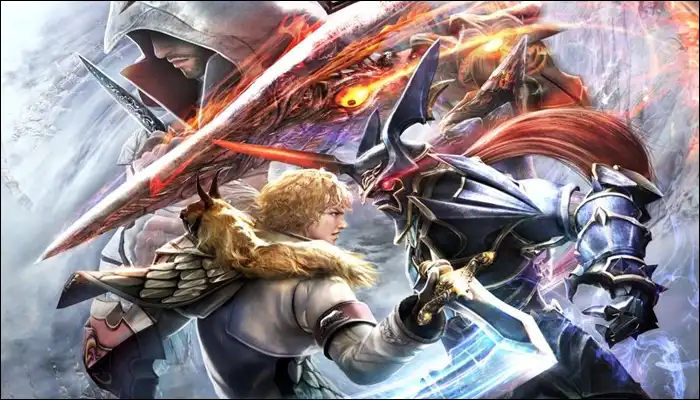
To properly talk about Soul Calibur 6 and the fate it suffered, we have to first look at what preceded it — Soul Calibur 5.
Soul Calibur 5 could honestly have its entirely own article to go through everything that went wrong with it, but to give a basic gist it took massive story risks without putting in the time, budget or effort to justify them.
Many franchise favorites were gone without a trace, even having one of the series icons Sophitia being killed off-screen and their replacements were not warmly received.
Several movesets from fan favorites like Kilik and Taki returned, but employed by characters who were not properly introduced or established and who felt much less fleshed out than the cast people were used to.
While a few classics like Siegfried and Mitsurugi were still in the roster, it wasn’t enough for fans to get over the frustration of how many other characters had been discarded with almost no fanfare and the very poorly told story around it, which was mostly just an unfinished mess, presumably due to Bandai Namco rushing the game.
On top of this, the balance was very poor with series newcomer Viola (heavily hinted to actually be the new identity of Amy Sorel, though this was never properly explained in said rushed story) having an infinite that was never removed, essentially making the game highly questionable in the competitive market.
The franchise may have survived being competitively questionable in prior entries, but by alienating the casual fanbase as well any future for Soul Calibur looked extremely grim especially if they had to follow up on the messy story that Soul Calibur 5 had left them with him. The series stayed largely dormant for 5 years, but then, a light emerged…
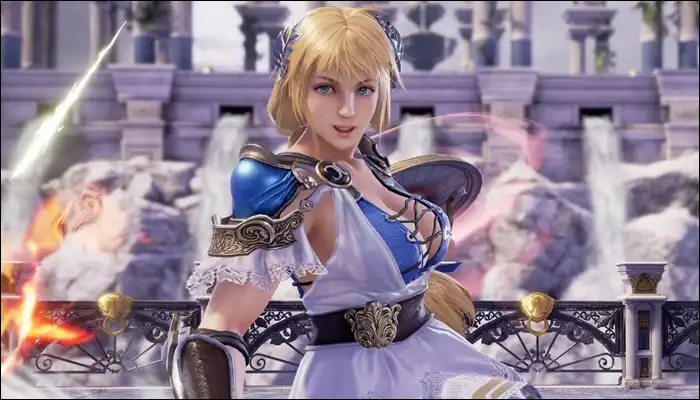
Announced at the Game Awards 2017, Soul Calibur 6 set the fandom ablaze. Bandai Namco were well aware that Soul Calibur 5 had been received questionably and frontloaded Soul Calibur 6’s promotional tour by showing Sophitia front and center and making it clear early on that this would be a reboot of sorts.
Soul Calibur 6 was essentially a retelling of the early games and would move in a different direction than the franchise had earlier, thereby ensuring fans that the grim future of Soul Calibur 5 would not come to pass in this new timeline, assuaging fears that their favorites were brought back only to be killed or removed again.
By embracing classic characters, largely true to their designs that fans had fallen in love with to begin with, Soul Calibur 6 was looking extremely strong during the leadup to its release.
Character customization, a feature that the series had always been highly appreciated for, was returning as usual. Fan favorites were shown one after the other. There would be an emphasis on story mode including a mode called “Libra of Soul”, reminiscent of Soul Calibur 2’s beloved Weapon Master mode.
Basically, the game had everything going for it and truly seemed like it would be the grand return of the Soul Calibur franchise and honestly… it kind of was, at least from a casual perspective.
Bandai-Namco openly considered the launch of Soul Calibur 6 successful and even increased their forecasts for that fiscal year as a result. The game would go on to sell a respectable 2 million copies as of the last report we received.
However, issues were about to start mounting and unfortunately, the biggest issue of all was one which Bandai Namco could never have foreseen.
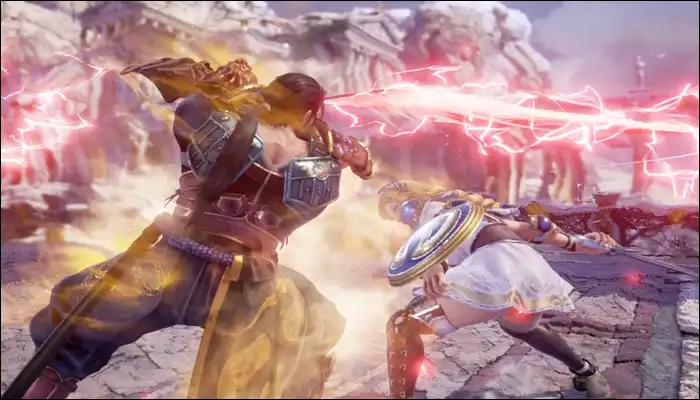
The first problem facing Soul Calibur 6 was something that the franchise had become quite familiar with — questionable decisions for competitive viability.
While this hadn’t been an issue before for the franchise, it was something that was a lot more important in the current era of streaming and tournaments, with a strong push towards esports going on from Bandai Namco on the Tekken side as well.
Luckily, the issues weren’t so egregious that they couldn’t be solved with patches — one of the biggest problems facing people was Reversal Edge, a mechanic which a lot of people felt hurt the game as it changed several established aspects of the series and generally slowed down the flow of the game.
Reversal Edge ended up being toned down to be less frustrating to deal with and while that mechanic on its own probably wouldn’t hurt the game long term, it did contribute to having a rocky reputation early on and we all know that first impressions can hurt games immensely.
Thankfully, Soul Calibur 6 was showing all signs of recovery with a solid post-launch plan bringing back even more fan favorite characters with the first season having Tira, Cassandra and Amy, all beloved characters, and guest character 2B from the then extremely hot Nier: Automata.
Things were looking even better when Season 2 included Samurai Shodown guest character Haohmaru as well as more returning favorites in Hilde, Setsuka and longtime absentee Hwang.
Unfortunately, right when Season 2 started at the end of 2019, the world was hit with something no developer could’ve prepared for.
That’s when the biggest issue of Soul Calibur 6 became reality — the netcode was subpar. As the world was plunged into a state of isolation, online play became everything for fighting games and Soul Calibur 6’s just was not up to snuff.
The situation worsened as the standard for netcode became higher and higher after Guilty Gear Strive released in 2021 and set a new standard that other developers had to follow — and there simply wasn’t enough return of investment projected to try and work on Soul Calibur 6’s netcode.
Despite such a strong start, the grand return of the franchise ended not with a roar, but a whimper.
So what of the future? Well, there’s both good news and bad news…
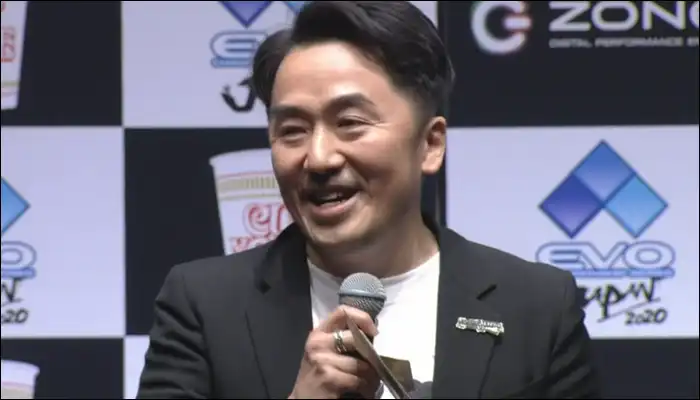
Motohiro Okubo, a former producer for Tekken 7 was the man responsible for making Soul Calibur 6 happen and after 25 years with Bandai Namco, he resigned from his position at the company in 2021, later revealed to have joined Cygames’ American branch, thereby keeping him in the fighting game world as a key player in Granblue Fantasy Versus: Rising.
After such a devastating loss, Project Soul has remained quiet, its development members possibly scattered to other parts of Bandai Namco and Soul Calibur was once again returned to dormancy.
However, about a year ago Tekken series creator and producer Katsuhiro Harada wrote a very long post on X which I highly recommend reading, detailing the long history and storied rivalry between the Tekken team and Project Soul, all the way back to their respective inceptions.
Harada’s conclusion after a very long explanation is that the key difference between Tekken and Soul Calibur which led one to survive and the other to fall in and out of dormancy was the sheer willpower of Harada and the Tekken team to refuse to let go of the series and their refusal to be swept in by the trend of corporate structural micromanagement.
Although the current state of Soul Calibur seems to be about the same as it was in the aftermath of Soul Calibur 5, it’s important to note that Soul Calibur 6 was much more warmly received than its predecessor. It had solid support and Bandai Namco even sang its praises initially.
Much like another title I wrote about, which was even more near and dear to my heart, it fell victim to some absurdly bad timing which ended up making its main flaw — online play — impossible to look past.
With all that said, Katushiro Harada did have some warm words to share regarding the current situation of Project Soul at Bandai Namco.
“But from my point of view, I don’t think the fire of Project Soul has been extinguished. There are still a few people in the company who have the will to do it. I would like to believe that they are just not united now.” — Katsuhiro Harada
While Harada himself was never a key player in the Soul Calibur development teams, he did have a hand in the development of a few games in the franchise and definitely knows the development teams that worked on them well.
After his long post back in June of 2024 detailing the history between the Tekken team and Project Soul and their drive to outdo each other, Harada shared his personal thoughts on the matter as well. “But from my point of view, I don’t think the fire of Project Soul has been extinguished,” he explained.
“There are still a few people in the company who have the will to do it. I would like to believe that they are just not united now”, the Tekken creator concluded.
Let’s hope that Harada’s words ring true and that in the future, our souls can burn once more. I can only speak for myself, but I know that my soul isn’t done with this franchise just yet.