
Edit 2:
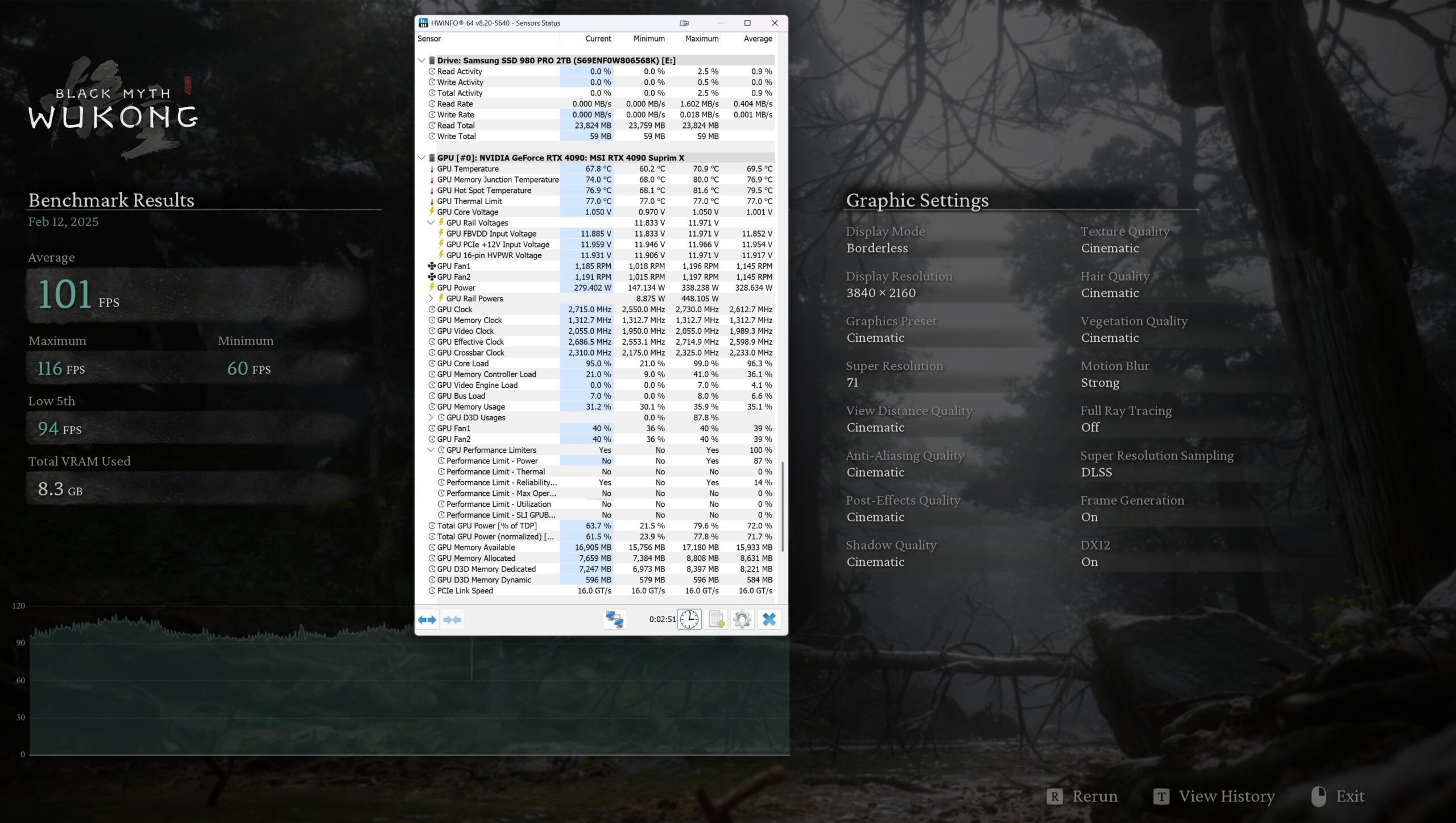
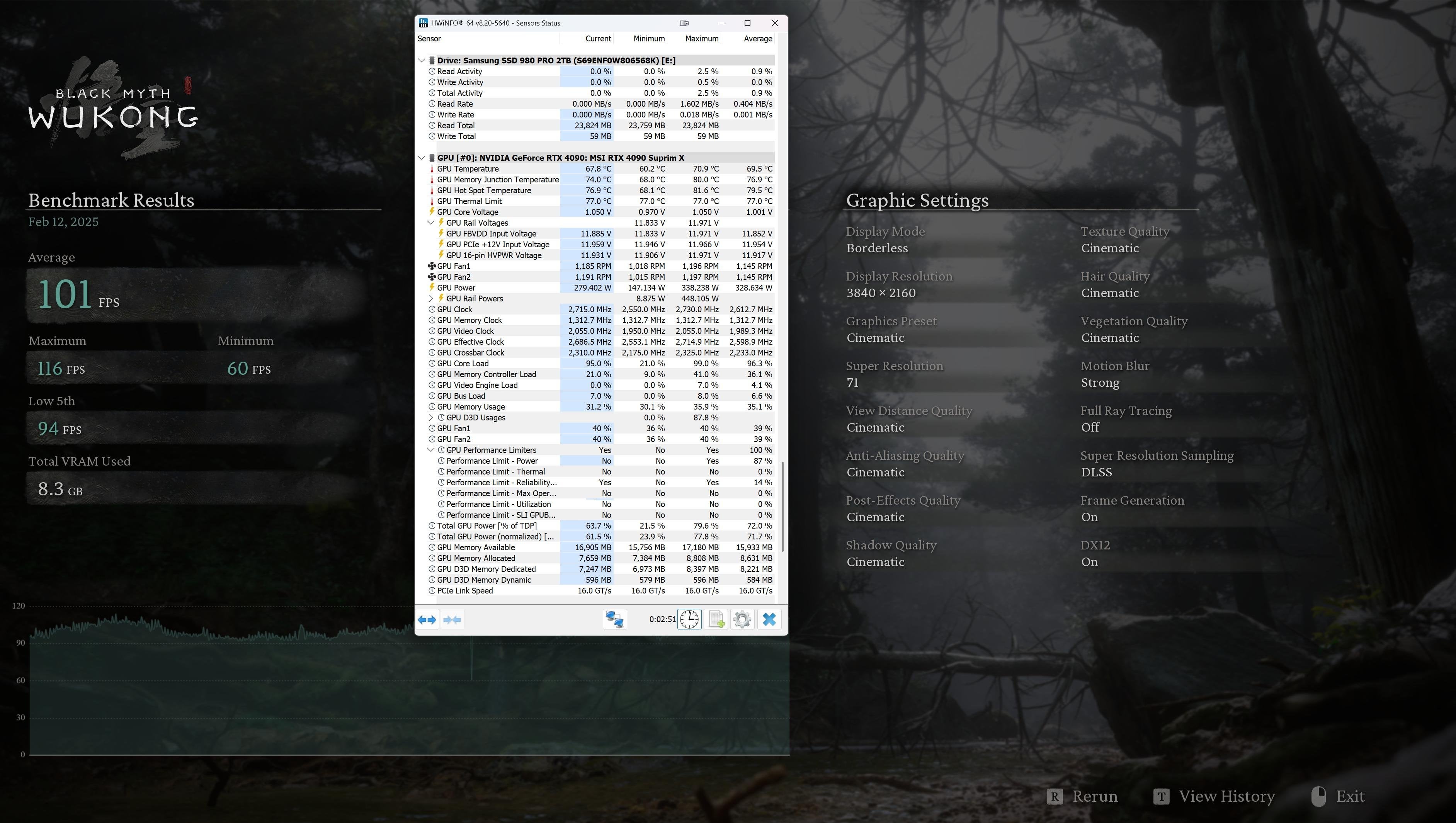
To show what i mean, i found old images of me running wukong benchmark with my undervolt and with a 75% PL, the undervolt uses less power and it is the case for a lot of games.
However, you can also see in something that is power hungry, the undervolt will still let the gpu pull the full watts.
This also can happen in games, Valheim: https://imgur.com/a/bab1Kh7
EDIT:
Title is incorrect but still slightly valid, undervolting alone is not a gaurentee reduction of AMPs vs stock. Power limiting is though. If the reason for undervolting was to reduce risk of burning, you still need to apply a power limit on top because some apps/games will still pull the full power of a 5090 or 4090 depending how low on the voltage curve you've gone. Some games or apps pull full power even at 0.9v, a power limit would ensure that the gpu will not pull full power (stock values).
I did post this on /r/nvidia but i don't have any faith in it going up, or staying up. Most topics of burned cables or anything seem to be removed.
So i've got a 4090 and i've had it undervolted since pretty early on.
On average it results in LESS power for same performance for me, i have added a +core clock and mem clock though.
However, there are cases where even with the undervolt, the gpu still wants to pull the full 400-450w of power.
For example,
OCCT standard GPU test (which was removed recently), would run at 0.9v, so if you did one of the common undervolts at 0.95v or 0.9v, it would still pull the entire 400-450w of power.
Another game i've found to do similar things is valheim. This game pulls a crap ton of watts through the gpu even with the undervolt.
Without adding a power limit at all, it's quite easily reaching near stock wattage and since we've dropped the voltage (I could be wrong with the next part), the amps going through the cable are going to be increased.
For the 4090s, i figure this isn't much of a concern but with the 5090s… i feel like this is going to result in more burned cables.
Most people undervolt WITHOUT adding a power limit on top.
I see people do either a undervolt OR a power limit, hardly any mention doing both together.
5 Comments
I think the technicality here is that the gpu voltage limitation is not applied directly to the input power but rather the consumption power of the chips etc. The rail is always providing a specific voltage, and the amperage only increases to the point where you reach the cards maximum potential wattage draw across the power leads. For example, you have dual 12v 8pin leads connected to the gpu on my 4070ti, undervolting my gpus “.95v to .90v” isn’t going to change anything in regard to the 12 voltage rails connected, just the amount of power the gpu draws for the chips set. When you undervolt your cpu, you reduce the power used to obtain standard clock rate, and reduce heat. If cooled properly, and configured right, this reduction in starting point power levels allows for an increase in clock rates up to the chips default top end power draw limitation and heat dissipation capabilities. It should function similarly on a gpu.
The burned cable issue is due to uneven current distribution across the wires. The total amps through the 12VHPWR connector is actually unchanged.
You could technically still have issues even at 450W if the current distribution is really bad, although likely less risky than if you’re at a sustained 600W.
Could be wrong but there doing the same thing just one is static and one is automatic. Also Don’t think the undervolt ever happens tell you limit voltage manually or using the power limit then going positive on the core causing it to run faster at x voltage then it shipped.
Yeah, that’s how undervolting works when you’re power limited. You open up power budget which is eaten up by frequency boost, and total power draw remains the same. That’s how you can get extra performance by undervolting. Depending on your silicon you might be able to lower voltage enough to get outside of power throttling territory, only then will GPU power/current start to drop with undervolting alone. That, or the GPU gives up on the higher boost clocks because there’s no juice.
Limiting power or boost clocks has the same effect in this scenario, which is to lower power consumption (and thus current through the cable)
I have a [video](https://youtu.be/iZHyp0Ec4wI) on undervolting the 5090 FE. It’s a few months old now but still just as relevant today. The undervolt voltage points I’m using are superior to power limiting. Power draw is considerably lower and performance can be the same or better than stock when adding a memory overclock.
The 5090 FE also behaves very strangely when power limiting in addition to an undervolt, as the power limit % affects boost clock even when power draw is below the new limit, so I don’t recommend it.
That said, I always monitor any new game to see how things behave, and then usually adjust frame rate limits if running too hot for my liking.
Valheim is indeed extremely power hungry for no apparent reason, another one would be The Outer Worlds, but these are the exception rather than the rule. Folding@Home is an example of very hot running workload that’s not a game.
My recommendation would be always undervolt + RTSS / HWiNFO and check whenever running a new game/load.