
There are many titles recognized for pushing the medium of gaming forward. Pong, Pac-Man, Tetris, Ultima, and Super Mario 64 are just a few examples of industry titans that changed the way developers and players saw gaming. However, there’s one storied franchise that still doesn’t get its flowers, at least in the west, and that’s Dragon Quest. The series has been going strong since 1986, with the first title on the Famicom.
The game finally made its way to North America in 1989, PAL regions wouldn’t officially see the game until 2014, but it failed to be the massive hit it was in Japan. The series is so big in Japan, in fact, that there were rumors that a mainline Dragon Quest release would virtually shut the entire country down, with kids skipping school and adults skipping work to play. It’s unclear how much truth there actually is to that, but Square Enix has decided to release each main game in the series on a weekend ever since Dragon Quest III.
A New Approach to RPGs
Inspired by Contemporaries
Dragon Quest wasn’t the first RPG, with titles like Wizardry (1981), Ultima (1980), and Akalabeth (1979) on PC, which themselves were inspired by tabletop role-playing games. Creator Yuji Horii got his start at Enix, before it merged with Square Soft, after his placing in their game programming contest with Love Match Tennis. He then created The Portopia Serial Murder Case solo, which would go on to inspire Hideo Kojima to enter the game industry.
Horri would create several more adventure games, which all utilized a unique, menu-based action system in which players would select what they wanted to do and who/what they wanted to do that action with from a list rather than typing things out into a text parser. This innovation would be crucial in the development of his next project, Dragon Quest. Contemporary RPGs would still rely on text parsers, but Enix wanted Dragon Quest to appeal to a wider audience, releasing on the Famicom.
Obviously, the Famicom and the NES didn’t have keyboards, so the team chose to instead borrow the menu system from The Portopia Serial Murder Case. Players would press a button to bring up a menu, then choose from one of several actions: Talk, Spell, Status, Item, Stairs, Door, Search, and Take. A lot of those have very specific contexts, and they would be narrowed down in future releases, but being able to do multiple things with one button was revolutionary at the time.
Related
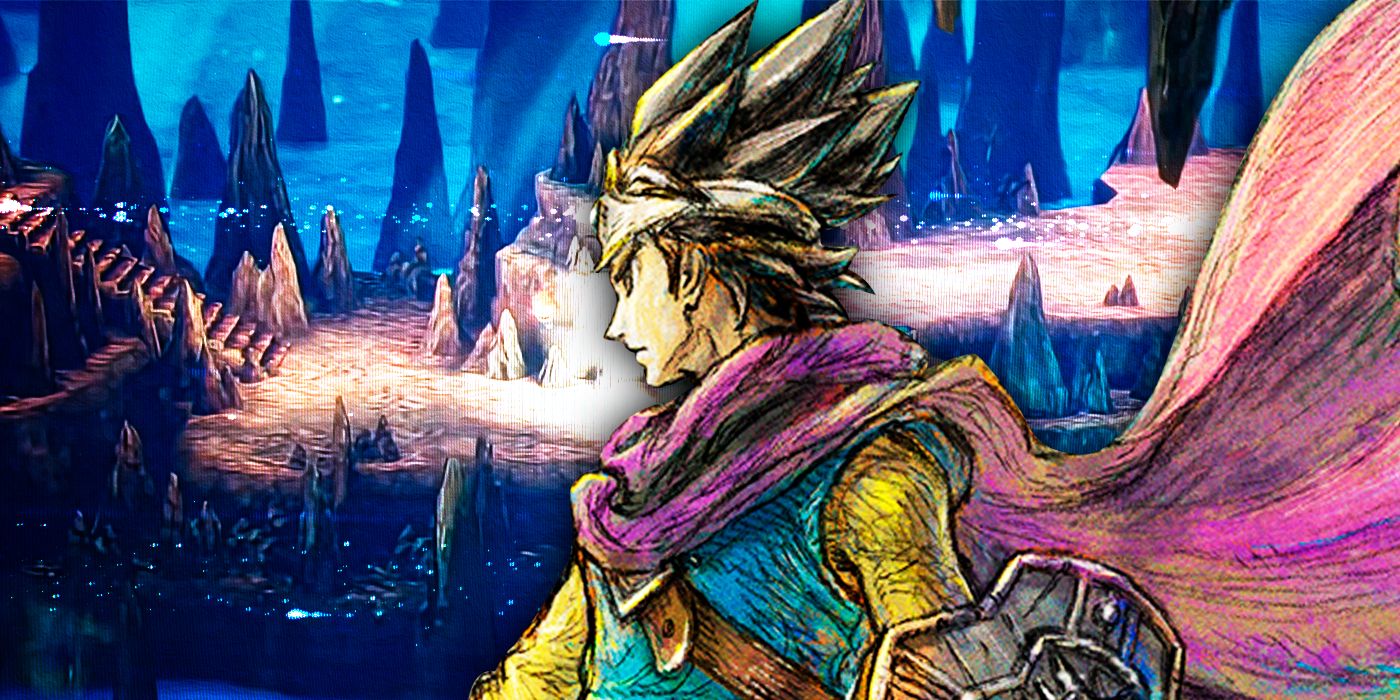
Dragon Quest 3’s Censorship Scandal is a Big Deal – But Not Why You Think
Dragon Quest III’s censorship scandal has been making headlines, and the game’s developers aren’t happy with the changes they’re having to make.
The game utilized a turn-based battle system, where the player would select an action for the hero to take and watch as it played out. The game only featured one party member and could only pit the player against a single enemy at a time, though this allowed the enemy designed by famed mangaka Akira Toriyama of Dragon Ball fame to shine. It’s a simple game, but incredibly fun, charming, and — at the time — novel.
Between the original Dragon Quest release in Japan and the NES Dragon Warrior in the United States, several changes were made to make the game look better and play smoother. The game had a proper save system now instead of passwords, character sprites could face different directions rather than just forward, and rather than picking a direction to talk to someone in the direction the player was facing was used.
Dragon Warrior was given away for Nintendo Power subscribers in the US in the hopes of sparking Dragon Quest mania like in Japan, but it never quite caught on for whatever reason. As time went on, Dragon Quest games would eventually stop being localized by Enix of America, which closed its doors in 1995 after only five years of operation. This happened at the exact wrong time, as this was around the time RPGs finally took off in the West with titles like Final Fantasy VI and Chrono Trigger.
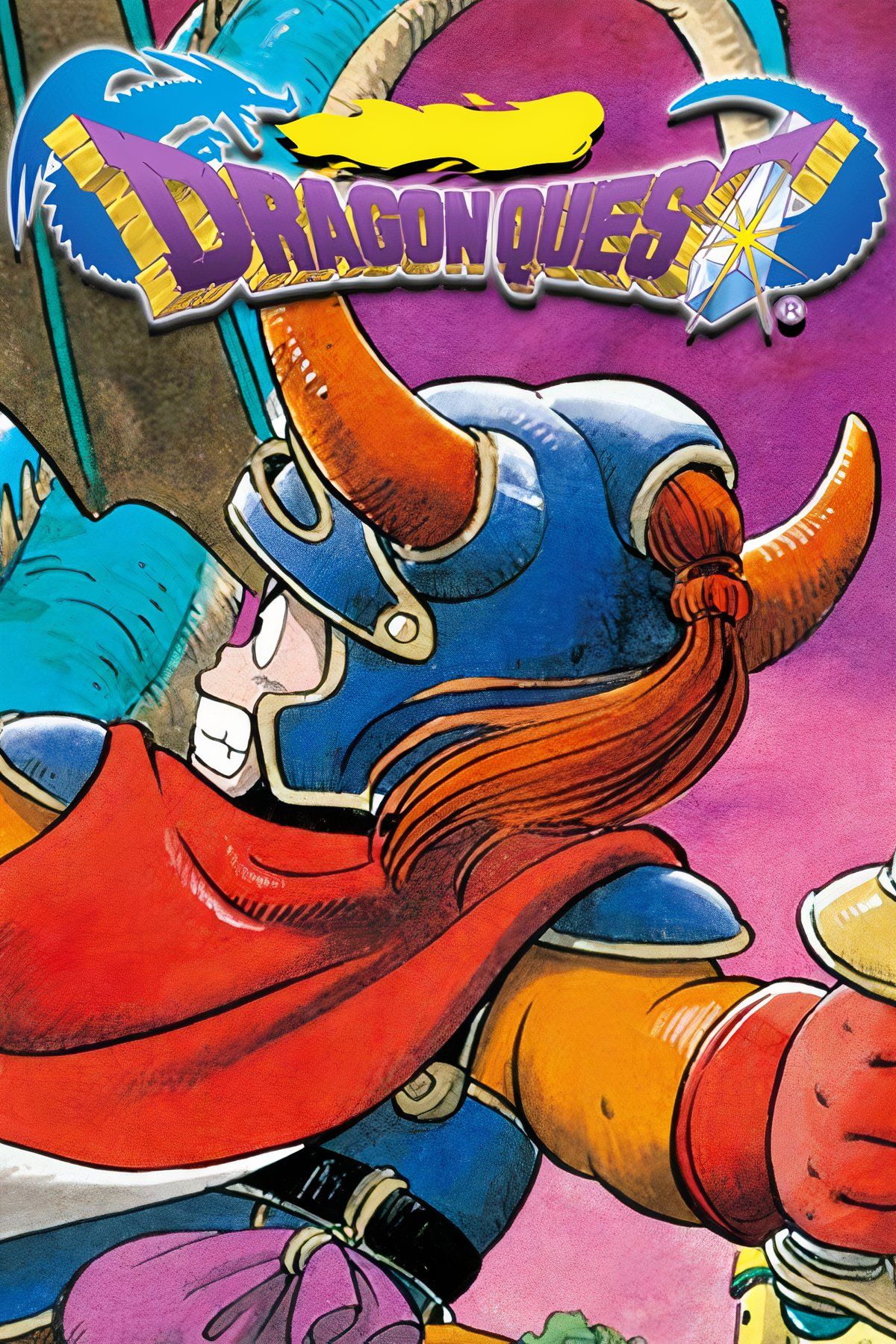
Dragon Quest
Systems

Released
May 27, 1986
ESRB
t
Developer(s)
Chunsoft
Engine
Unreal Engine 4
Franchise
Dragon Quest
The Merger With Square Soft Created Tons of Opportunities
Two Struggling Companies Were Stronger Together
By 2003, Enix was struggling with the rising costs of game development, spreading itself too thin with the manga publishing division, and a lack of creative freedom. Dragon Quest VIII was delayed in 2000, and they couldn’t quite financially recover. Similarly, Square Soft, creators of the Final Fantasy franchise, which was inspired by Dragon Quest, were having financial troubles due to their first film, Final Fantasy: The Spirits Within, flopping.
Related
Silent Protagonists Look Like Idiots in Modern RPGs According to Dragon Quest Series Creator
The creator of the Dragon Quest RPG series opens up about the difficulty of having a silent protagonist in the era of advanced and realistic graphics.
After lengthy talks and Square’s financials stabilizing thanks to Final Fantasy X and Kingdom Hearts, the two companies would complete their merger, and Square Enix was formed. Officially, Square Soft was dissolved and absorbed by Enix. Despite this, the next Dragon Quest game would be developed by another company entirely, Level-5, and release on the PlayStation 2 in 2004 with Yuji Horii serving as the scenario director and Akira Toriyama and Koichi Sugiyama returning for the art and music, respectively.
Over the next year, Square Enix would go all out for the western release of Dragon Quest VIII: Journey of the Cursed King, the first in the series to go by the Japanese name outside of its home country. They had playable demos in malls, redid the entire UI to be more attractive and user-friendly, and even bundled the game with a demo of Final Fantasy XII for good measure. Unfortunately, most players seem to have only bought the game for the included demo, with the franchise remaining in obscurity despite rave reviews and great sales.
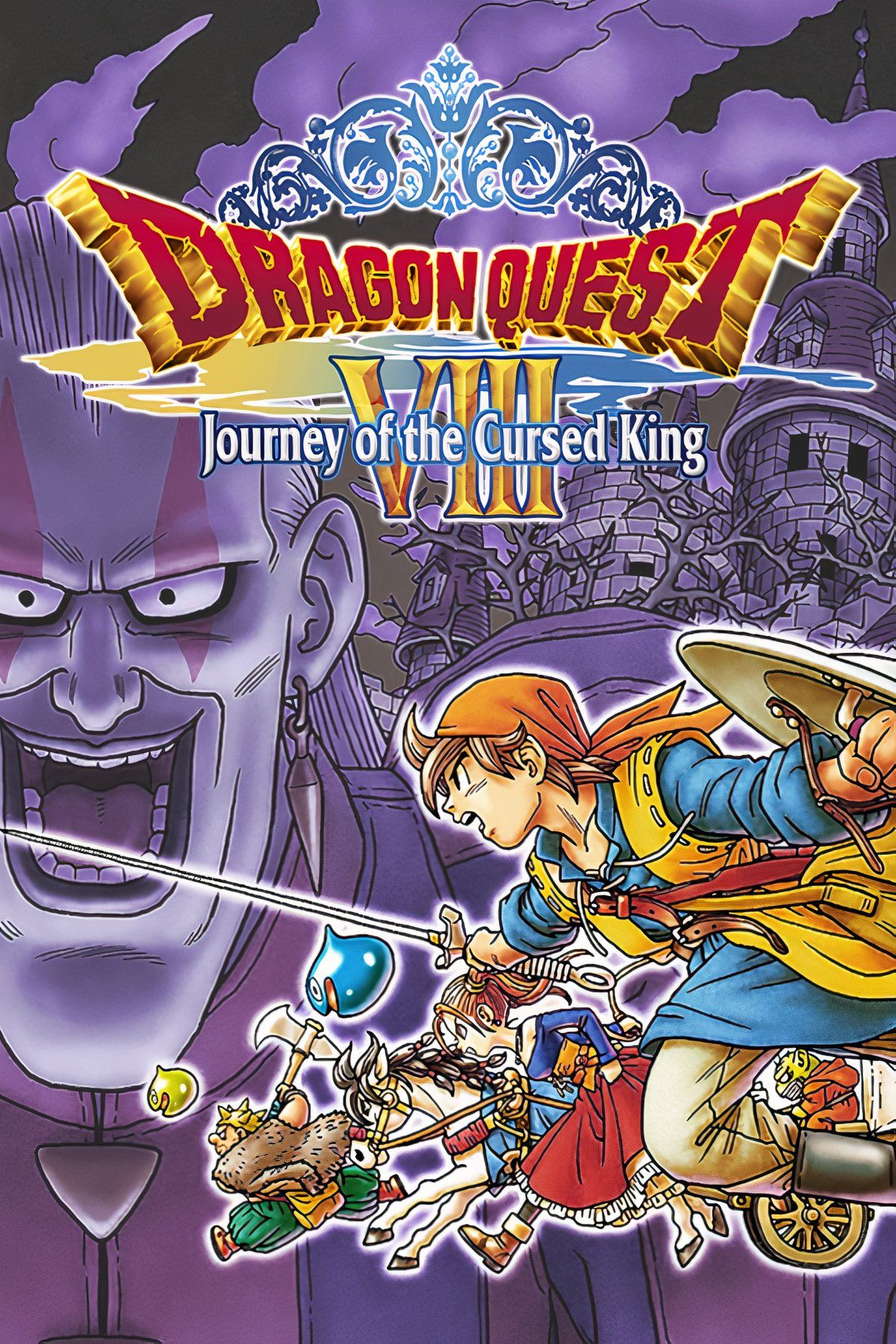
Dragon Quest VIII
Released
November 27, 2004
ESRB
t
Engine
unity
Multiplayer
Local Multiplayer
Franchise
Dragon Quest
Slow But Steady Growth
The West Finally Sees the Appeal
With successive releases of each new Dragon Quest, however, sales would steadily increase overseas. The fandom remained fairly niche, but it was still growing, little by little. Dragon Quest IX for the DS would focus on multiplayer, allowing players to create their own character and team up with their friends for almost the entire adventure. It also added a feature called Tag Mode, where the game would wirelessly communicate with passersby in sleep mode to exchange items and data, which would become the inspiration for the 3DS’ Street Pass.
Dragon Quest X is an MMO, however, and remains unlocalized, though it is still very popular in Japan after its initial release for the Wii in 2012. The game has received six expansions, with the latest releasing in 2024. To help new players, an offline adaptation was created of the base game and its first expansion, with players being able to upload their character to the MMO after completing the game and continue the story where they left off.
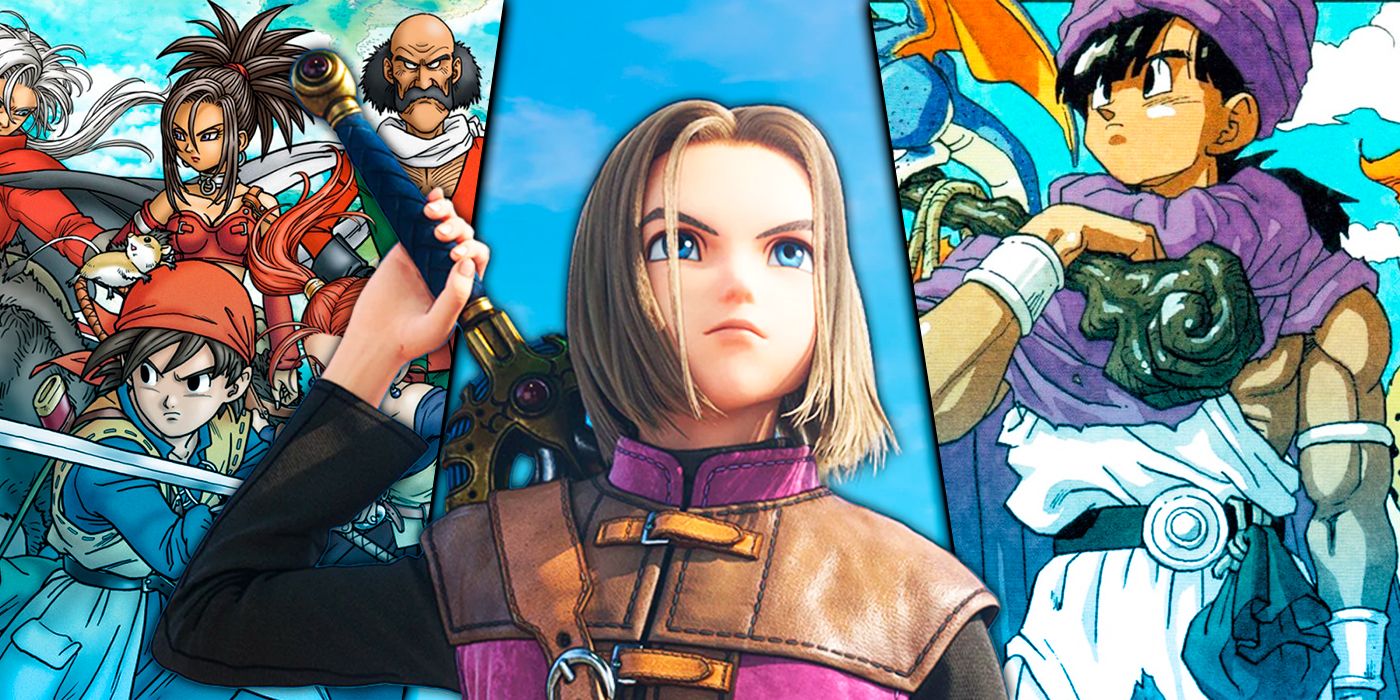
The next game in the series would be a return to form of sorts, with the game being developed in-house and starring a party of bespoke characters with no multiplayer in sight. In celebrating the series, the game would release on both the 3DS and PlayStation 4. The PlayStation 4 version was developed in Unreal Engine for HD graphics, while the 3DS version was a bit more retro with a sprite-based 2D mode as well as a chibi 3D mode.
Related
15 Best Dragon Quest Games, Ranked
In a franchise that helped shape the entire RPG genre, many of its best games are masterpieces regardless of when they have been released.
Only the PlayStation 4 version would make its way outside of Japan, this time for both PlayStation 4 and PC. Dragon Quest IX would be the first to really break into the public consciousness outside of Japan, selling over 6.5 million copies worldwide, and is by far the most successful entry in the series. This figure includes the latest version of the game, Dragon Quest XI S, which released simultaneously worldwide for Switch in 2019 and added new content, including small stories for each party member and an enhanced version of the 3DS’ 2D mode.
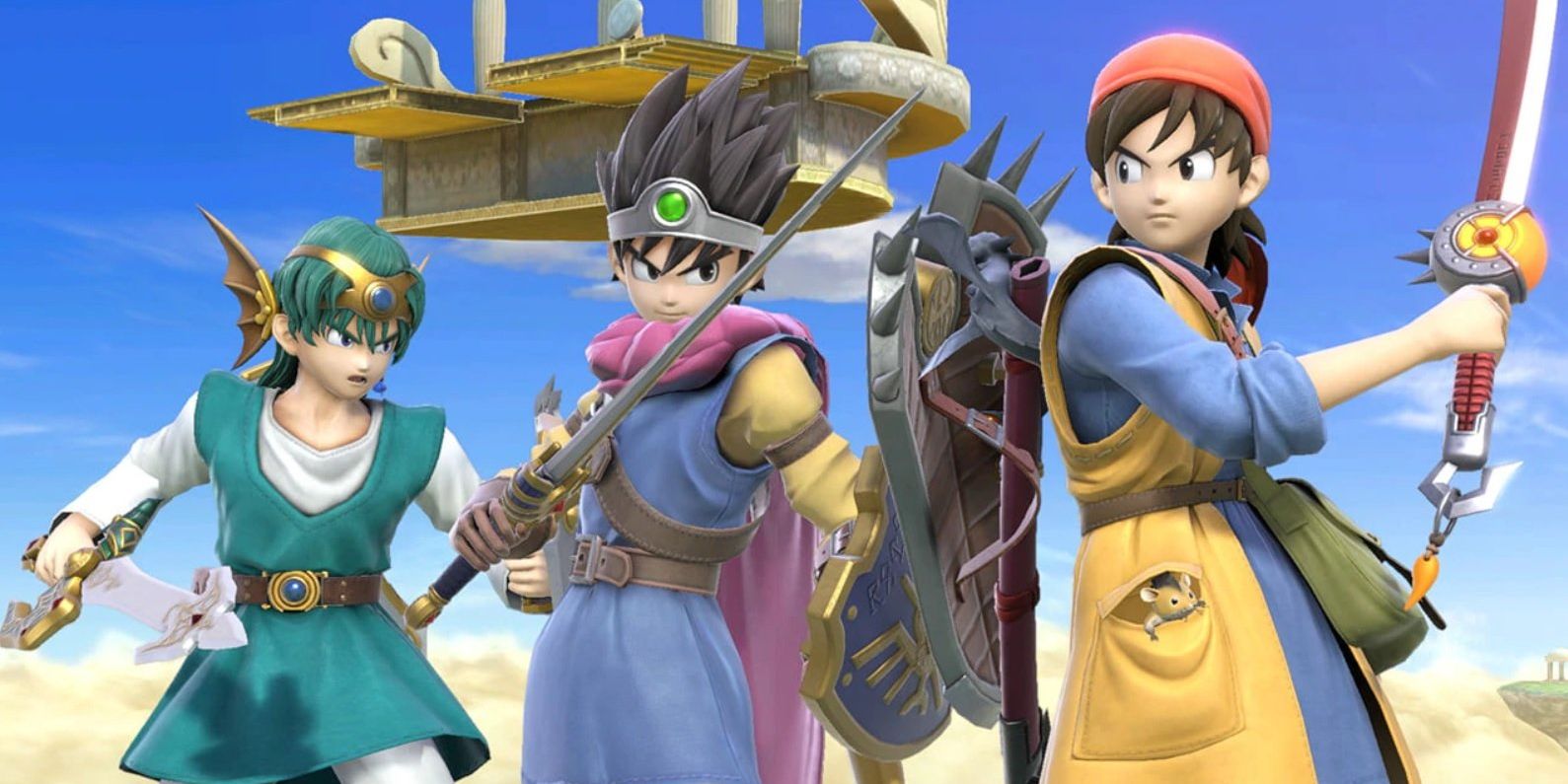
The protagonist of the game, the Luminary, was even added to Super Smash Bros. Ultimate, spreading Dragon Quest to even more people across the world. The series has come a long way since 1986, and changed gaming forever, not just in establishing how many RPGs would play from then on, but also through player-friendly game design, showing that more complex and methodical games could work on consoles, inspiring Street Pass, and much, much more.
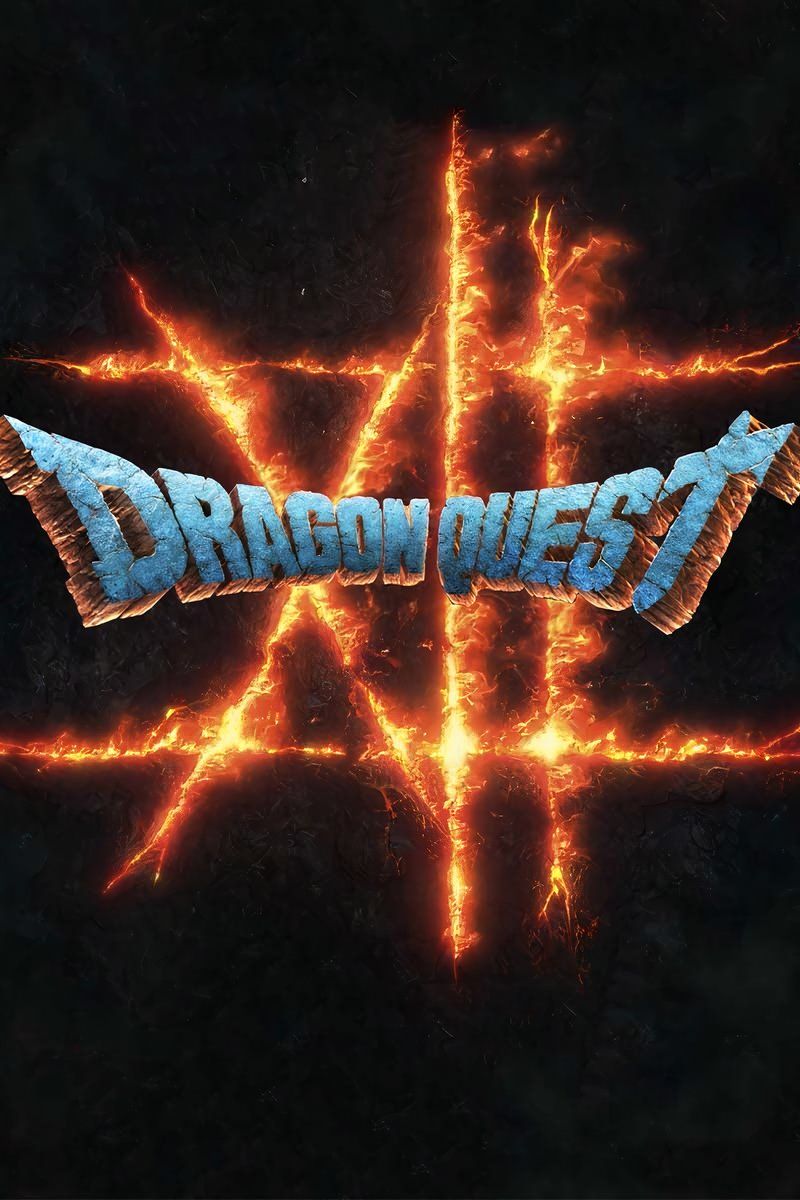
Unfortunately, the series is in somewhat of a stasis. Dragon Quest XII has been announced, but nothing is known about it other than the fact that it will have a darker tone and that it will pay tribute to the late Akira Toriyama. With Square Enix’s current company-wide restructuring, it’s unlikely fans will hear about the game for a while. However, the remakes of the first trilogy of games should tide players over until XII finally reappears.
Dragon Quest 12: The Flames of Fate
ESRB
m
Developer(s)
Square Enix
Publisher(s)
Square Enix
Engine
Unreal Engine 5
Franchise
Dragon Quest