I was too young to speak confidently of this. But back then, things just didn’t expect multi core architectures.
As in, you did not have threading. Like, it wasn’t there. Parallel vs Concurrent execution runtime.
So the first software to start utilizing threading didn’t even do it like today, they offloaded tasks that was easily threaded. This is why games took so long to adapt because they’re inherently hard to modify because of inheritance and complex code bases.
n674u
I had one of these, I never knew this.
Yahiroz
Wait until you see Pentium D, Intel’s earlier attempt at duo cores. It had two variations, Smithfield and Presler. The older Smithfield was two Prescott (Pentium 4) dies printed next to each other (so still one single die), while Presler was actual MCM with two Cedar Mill (die shrunk P4) dies similar to the Core 2 Quads.
DGlen
Thank God AMD pushed them into actually making higher core count processors.
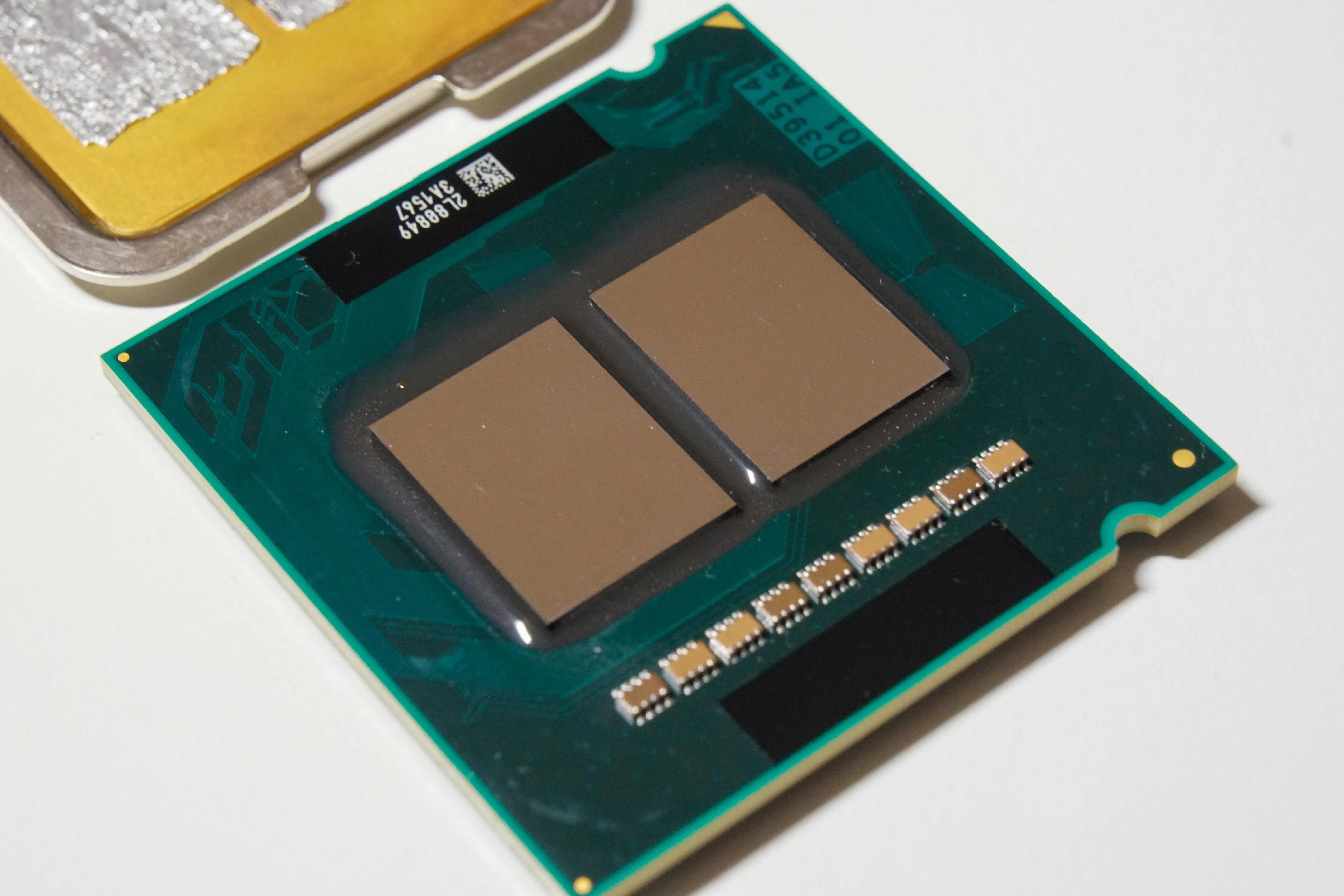
“in the beginning of core 2 cpu there were 2 cores running the same die and communication between the 2 cores was internal, in the core 2 quad there are 2 glued together duo dies completely separated from each other and their communication is through the FSB – that reduces performance and increases latency in addition to that the use of the FSB for inter-core communication reduces the available FSB resources for other FSB operations (PCI, RAM, SB etc). the OS (in this case Linux) is not aware of this so it cannot deal with this problem automatically, and neither does windows. this requires user intervention, to tell the system how to run it’s processes in the most efficient way.”
Blunt552
Someone correct me if I’m wrong, but wasnt that just the case with the Q6000 series? Wasn’t the Q9000 series the first ‘real’ quadcore from Intel?
I vaguely remember something like that but I might remember wrong.
PWModulation
Had a Core 2 Quad processor for 15 years. It was, in my experience, a good stable processor. Made music and played games with it.

11 Comments
I was too young to speak confidently of this. But back then, things just didn’t expect multi core architectures.
As in, you did not have threading. Like, it wasn’t there. Parallel vs Concurrent execution runtime.
So the first software to start utilizing threading didn’t even do it like today, they offloaded tasks that was easily threaded. This is why games took so long to adapt because they’re inherently hard to modify because of inheritance and complex code bases.
I had one of these, I never knew this.
Wait until you see Pentium D, Intel’s earlier attempt at duo cores. It had two variations, Smithfield and Presler. The older Smithfield was two Prescott (Pentium 4) dies printed next to each other (so still one single die), while Presler was actual MCM with two Cedar Mill (die shrunk P4) dies similar to the Core 2 Quads.
Thank God AMD pushed them into actually making higher core count processors.
https://www.techpowerup.com/forums/threads/core-2-quad-numa-affinity-and-scheduling.240050/
This was the link where I read such information.
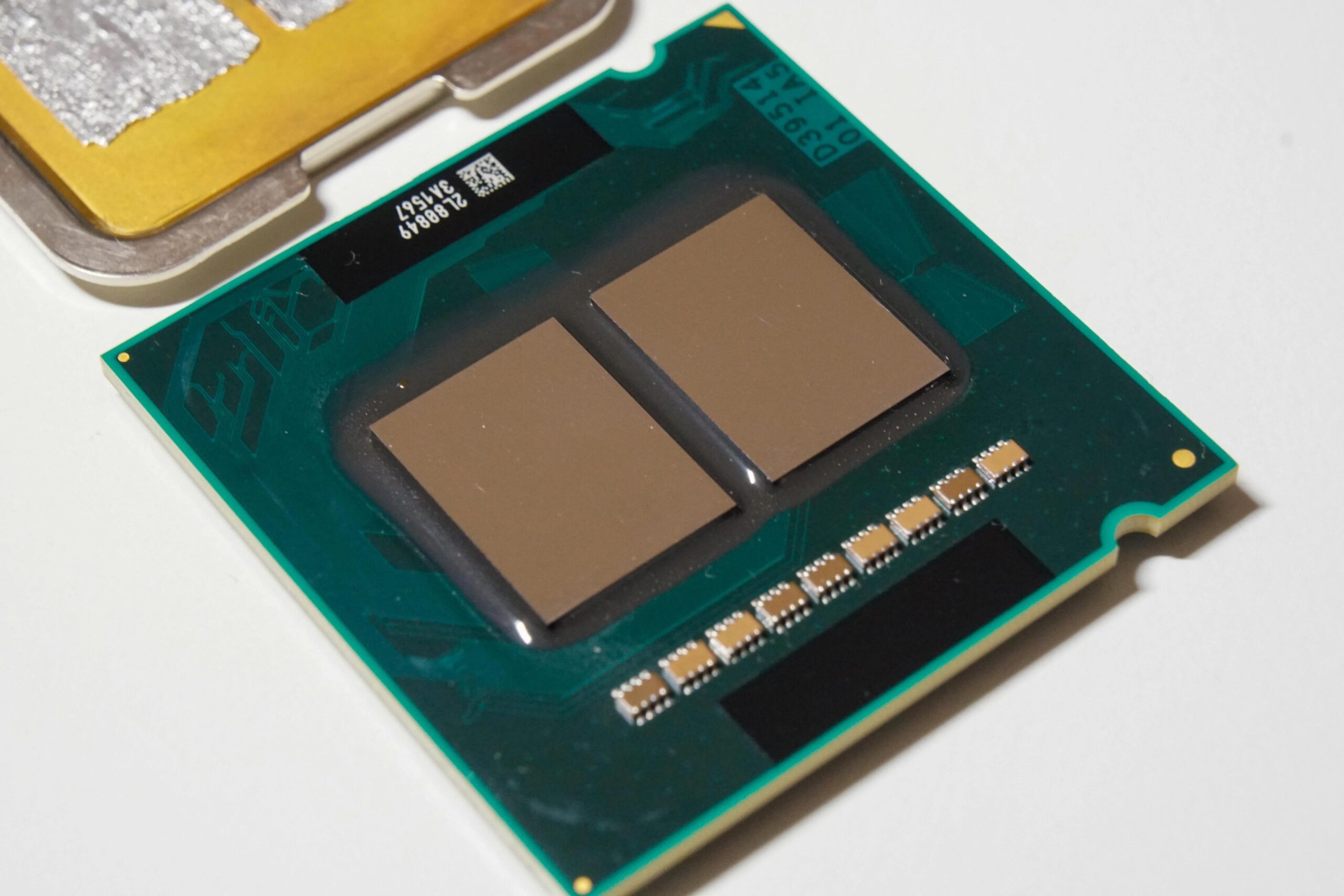
“in the beginning of core 2 cpu there were 2 cores running the same die and communication between the 2 cores was internal, in the core 2 quad there are 2 glued together duo dies completely separated from each other and their communication is through the FSB – that reduces performance and increases latency in addition to that the use of the FSB for inter-core communication reduces the available FSB resources for other FSB operations (PCI, RAM, SB etc). the OS (in this case Linux) is not aware of this so it cannot deal with this problem automatically, and neither does windows. this requires user intervention, to tell the system how to run it’s processes in the most efficient way.”
Someone correct me if I’m wrong, but wasnt that just the case with the Q6000 series? Wasn’t the Q9000 series the first ‘real’ quadcore from Intel?
I vaguely remember something like that but I might remember wrong.
Had a Core 2 Quad processor for 15 years. It was, in my experience, a good stable processor. Made music and played games with it.
And then several years later Intel had the audacity to [mock AMD for “glued-together dies”](https://cdn.mos.cms.futurecdn.net/pPtQr2PKSemDqkhahtz8VN-1200-80.jpg.webp)
Q6600 G0 slacr
The Q6600 was the first processor I ever bought, a legend of a CPU that lasted me many many years.
Server motherboards did that with regular cpus for a long time. Multipricessors operating system know how to deal with this limitations