
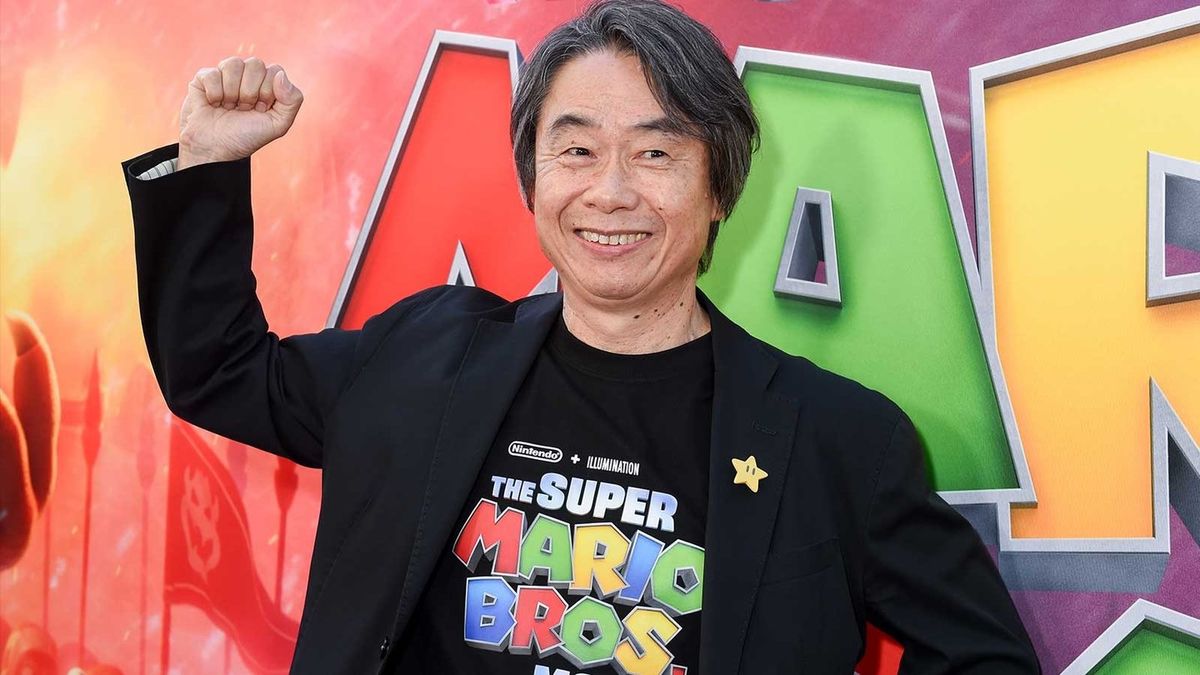
Super Mario went from a simple platformer on the Nintendo Entertainment System to the company’s mascot and console-seller, and Shigeru Miyamoto thinks it couldn’t have been possible without some honest-to-God human collaboration.
The goal for Super Mario Bros. was very simple. Design and publish a simple, replayable and enjoyable platformer for all ages. It succeeded.
In fact, it was so successful that it didn’t just lead to several sequels, it also had other developers attempting to catch that same lightning in a different bottle. We wouldn’t have Sonic The Hedgehog, for example, were it not for Super Mario.
Through an interview with Japanese magazine Casa Brutus, which was translated by Nintendo Everything, Miyamoto spoke about those early days of development.
The father of Super Mario said loads of the game’s ideas came naturally during development, with an example being Mario’s infamous ‘B-Dash’, which lets him run across small gaps as if they weren’t there. Miyamoto said this was the result of a glitch, but before it was corrected, he said: “No, no! It’s fun if he can dash across – let’s leave it as is!”
He went on to say: “None of these things could have been done by one person alone. I believe it’s because we created it together, by discussion and argument as a team, that the game came about.”
Miyamoto’s account of making Super Mario Bros. highlights the problems with modern gaming
We’ve hit a point in the game industry where so many games are being developed to make money first, and be enjoyable second.
Hardware is only becoming more advanced with Xbox Project Helix and the PlayStation 6 expected to cost a small fortune. It has a knock-on effect on games too. Gamers are expected to take advantage of the hardware they’re developed for, and while added realism can be nice, it doesn’t automatically mean ‘fun’.
READ NEXT: 6 Reasons Why Project Helix Is The Nail In Gaming’s Coffin
We’re seeing more and more AI being implemented into development too. Gamers have been very vocal about their distaste for AI tools, but you can’t argue they don’t effectively cut down development costs/time. It’s easy to see why so many studios are being tempted by the forbidden fruit.
However, all of these added layers are obscuring the vision, the metric that all games inevitably live and die by; is it actually fun?
Plenty of AAAs released this year have passed this test with flying colours, such as Resident Evil Requiem, 007 First Light and Halo: Campaign Evolved, but it’s the indie games that have been stealing the show.
Titles like Mina The Hollower, Slay The Spire 2 and MECCHA CHAMELEON express the same spirit as those early NES games. They prove games don’t need a $80 price-tag or 100+ hours of gameplay to be memorable and enjoyable, nor do they need to cut corners just to get a ‘finished’ product out the door.
Gaming is still fun in 2026, but it’s nowhere near as creative and freeing as it used to be. The hobby has slowly but surely become more corporate, oppressive and downright depressing at times, especially this year.
There’s still time to change, and Miyamoto’s anecdotes are a perfect example of what all video game studios should be striving to be: comprising of real humans who actually care.
READ NEXT: The 11 best SEGA Dreamcast games of all time