
Performance and Portfolio Trade-Offs
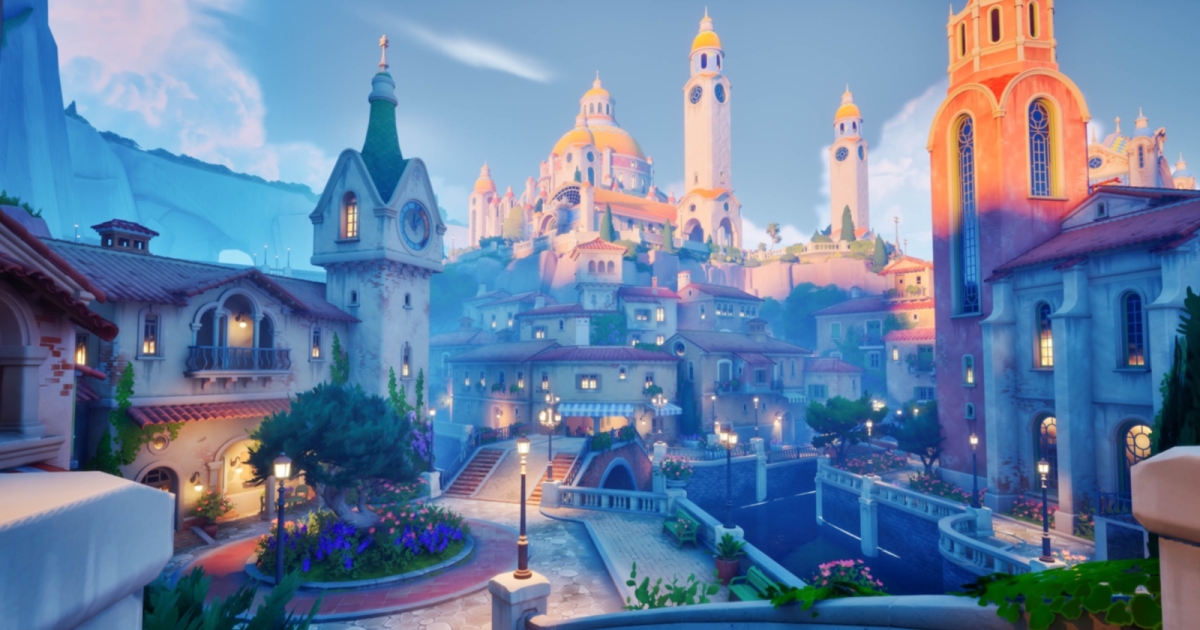
Since this was a large solo portfolio project, I made some performance and production trade-offs along the way. The environment still ran above 60 FPS in Unreal Engine 5, and I kept the workflow grounded in a game environment art pipeline, but I did not push every part to full production-ready standards. For a shipped game environment, I would spend more time on optimization.
For this project, I focused more on final visual quality, modular workflow, and real-time presentation. I think this was the right choice for the goal of the project. Since it was a portfolio piece, the most important thing was to show the overall environment direction, visual quality, and ability to finish a large scene. I wanted to be honest about the difference between a portfolio environment and a fully shipped production level.
Conclusion
Looking back, this project became more than just a portfolio piece for me. It was a way to connect the skills I already had as a concept artist with the 3D environment workflow I had been learning over the past year. Because the scope was large, I had to be very practical with my decisions. I could not fully concept every corner or polish every asset like a hero prop.
Instead, I focused on building a clear visual direction first, then used Unreal Engine and Blender to keep designing, testing, and adjusting the town as the project developed. Finishing the environment from art blockout to final in around 3.5 months taught me a lot about speed, scope control, and knowing where time matters most.
This project also confirmed something important for me: a strong environment is not only about individual assets. It is about how everything works together, the composition, rhythm, mood, color, lighting, and the way the viewer moves through the space.
For artists working on large personal projects, I would suggest keeping the goal clear and a realistic deadline. Planning is important, but many problems only become clear once the work is in engine. Try to define the hero areas early, simplify your references, and focus on making the whole world work together.
You can find more of my work on ArtStation and connect with me on LinkedIn.