
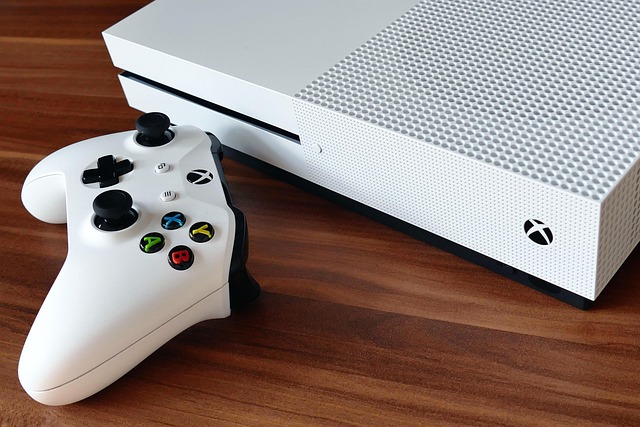
One of the most underappreciated inflation stories has been bubbling away for well over a year now: The cost of gaming has gone up way beyond real-price inflation over the last 18 months. Console prices have soared – by up to 70% in some cases – gaming subscriptions have risen, as have the cost of AAA games. It’s been a perfect storm, largely caused by demand for components and chips from the AI sector, but other factors have added to the price point pain, including supply-chain issues caused by events in the Middle East and Ukraine.
The causes of the price hikes are one thing, but the reality is that it does not look like it will change anytime soon. Indeed, experts think it could get worse. Yet, gaming is a very broad industry, and just because the cost of a Gaming PC and a AAA game has risen, it does not mean you have to miss out on top-tier gaming experiences. Consider some of these tips to keep costs down:
Start with an audit
Like all household bills and subscriptions, gaming can be an expense that does not always match up to how you use it. For example, if you have a game pass from Xbox or PlayStation, start factoring in what those costs over a year, matching it to how many games you play, and which titles you play. It might be the case that it is better to buy some games outright, stopping the monthly bills.
Consider subscription rotation
A lot of people will take sign-up offers to platforms like Spotify or newspaper subscriptions, then cancel once the trial period ends, swapping to another option, and so on. It might feel a little unethical at times, but there’s nothing wrong with swapping out. The thing is, there are so many different gaming subscriptions to try, so you can spend a good time period within the trial offers. And if you find one you really like with value for money, you can stick with it.
Explore free gaming
There is a big, big world of free-to-play gaming entertainment out there. Genshin Impact, Valorant, Dota 2, and many others can be experienced for free. Some titles are considered “freemium,” where you are pushed to make purchases to unlock features and levels, but many of the best freemium games aren’t that aggressive.
Look beyond the usual routes
There are lots of alternatives to linear gaming experiences. Netflix, for instance, has been quietly building a gaming empire, with titles free-to-play with your standard TV subscription. Amazon, too, can allow free games via Prime. Even sweepstakes casino games can be accessed for free and represent an entertaining alternative to real-money games. Even good old public libraries can still stock video games and allow you to borrow them for free. The point is that there is a lot out there to explore beyond Xbox and PlayStation premium titles.
Steam remains a viable option for free games
The Steam platform is the world’s largest repository of games for purchase, covering over 100,000 titles that range in cost from a few bucks to AAA-pricing. Yet, it has a significant list of free-to-play titles on its platform, usually on a rotational basis. You can often think of it as a try-before-you-buy option, allowing you to experience the game before you decide whether it is worth parting with cash to buy it.
Learn the art of waiting around
The gaming industry has a knack for building anticipation – look at the fervor around the release of Grand Theft Auto VI in the fall – but scrambling to buy games and hardware at launch can mean you end up paying a premium. If you wait around, games can become discounted or end up in subscription bundles. While it’s true that hardware has been rising in cost recently, it is an abnormal period, and it’s a general rule that tech gets cheaper over time.
Consider holding on to older consoles and devices
Here’s a universal truth: There is a law of diminishing returns when it comes to new consoles. Yes, the PlayStation 5 is more powerful than the PlayStation 4, and whenever it comes, the PlayStation 6 will be more powerful than its predecessor. But each new generation can only improve on the last by a diminishing amount. Gaming has become less about the device and more about the cloud, so take a moment to consider whether the hardware is obsolete.
The refurb industry is booming
A new console does not always have to be brand new. There is a huge industry now in refurbished devices, including officially audited refurbs from platforms like Xbox. In this era when hardware costs are soaring, looking to second-hand consoles that have been rebuilt can be a no-brainer for keeping costs down. The same goes for gaming PCs, which can also be repaired. The only thing to be aware of is to make sure that the refurb is legitimate; just because an eBay seller says a refurbished console is perfect doesn’t always make it true.
Have a think about physical media
If you buy a physical game, you are the owner. You can later choose to sell it on to recoup some of your money. With digital copies, you no longer have that option. You might not make a fortune trading in old games, but it can help your budget, especially if you have bought second-hand in the first place.
Care for your existing devices
Finally, we should say that a little TLC with your console/PC and accessories can really help with the performance. Consider some of these tips to keep equipment running effectively:
Keep vents unobstructed
Avoid enclosed cabinets while playing
Remove dust periodically
Use surge protection
Do not smoke near hardware
Keep drinks away
Shut down and transport systems properly
Leave adequate space around power supplies