
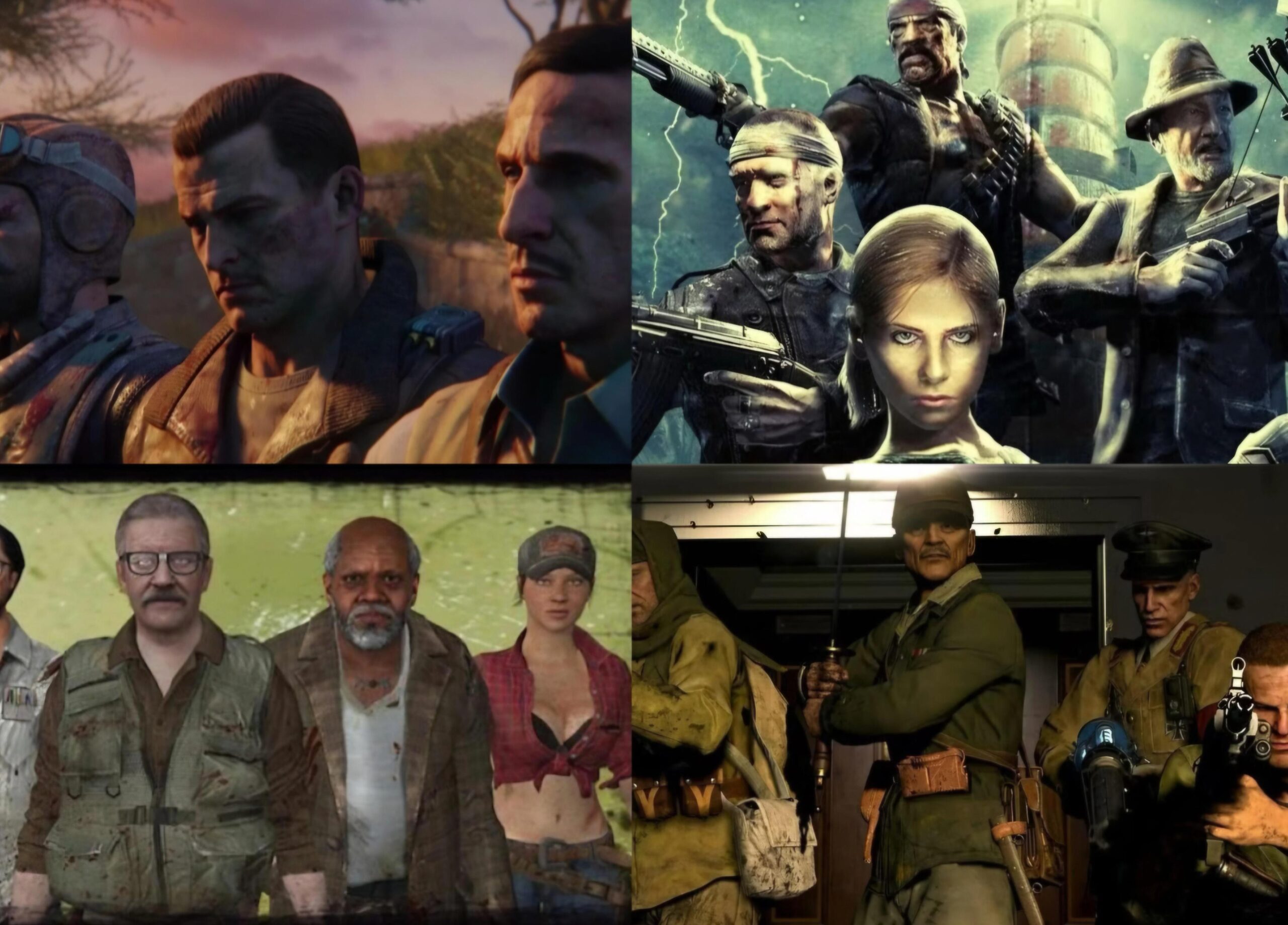
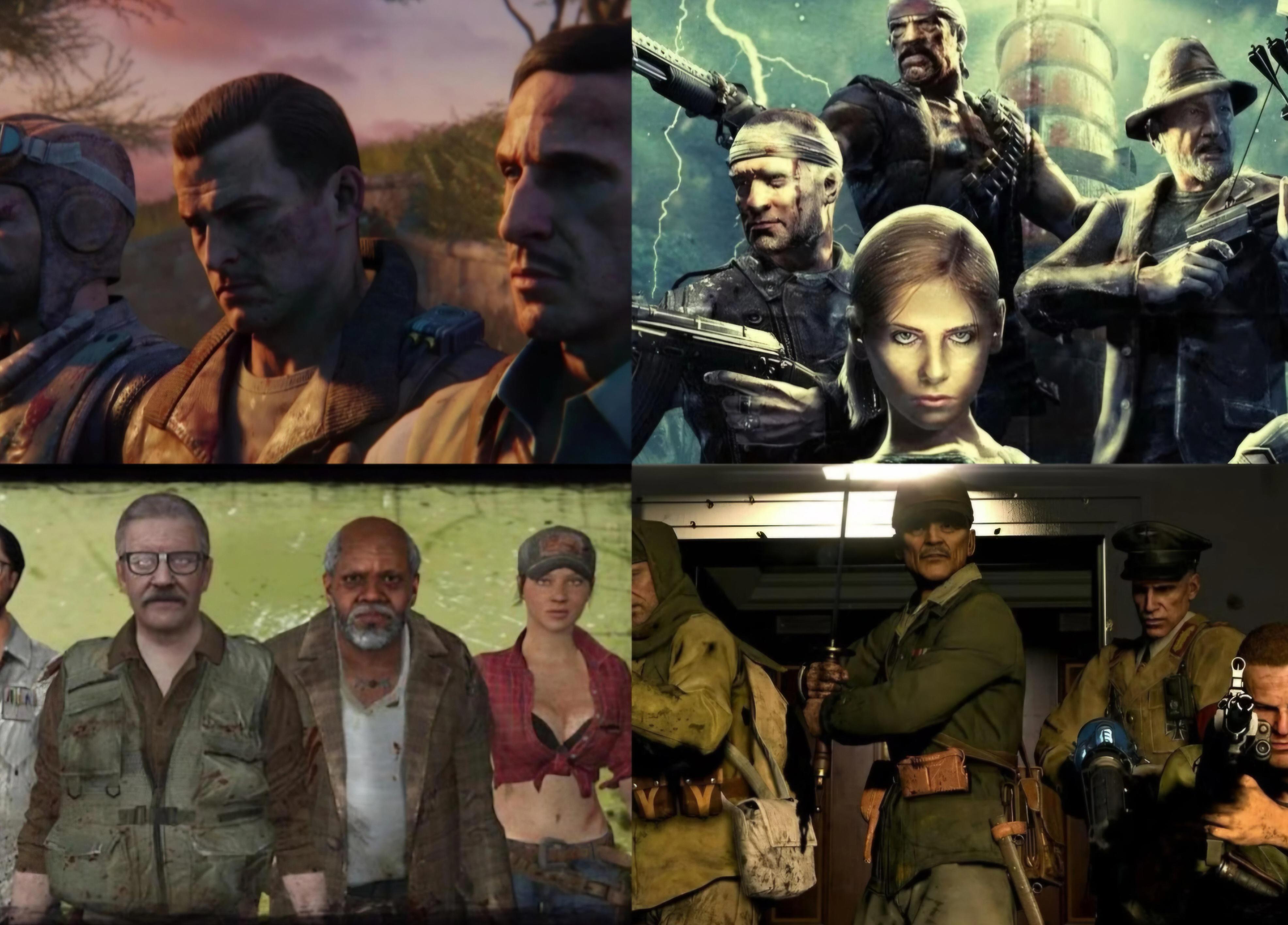
-
Ashes of the Damned = BO2. The expansive map that takes what TranZit did wrong and creates a much greater vision for what they wanted to do so many years ago. Just like BO2's focus on innovation, Ashes takes the idea of a transport system and makes it repeatably upgradeable along with a first ever rocket league-style bossfight
-
Astra Malorum = BO1. This is by far the most BO1-feeling zombies map we've had in many years, with OSCAR essentially being a new take on George Romero and maintaining the challenging neusance theme Zelinski loved using throughout that game. It's also a smaller size like many of BO1s maps, and you can't forget all the Shang references
-
Paradox Junction = WAW. While yes Nuketown ofc is another BO2 original for zombies, the small scale of the map is much more akin to WAW. What each WAW map did was build on the core foundation while adding small but innovative features, and similarly the time travel gimmick does this while keeping the enemy types simplistic and survival being a bit more at the forefront again
-
Totenreich = BO3. A big part of Totenreich's return to form for zombies is how much all the unique, well-designed side content makes for a complete experience like with most of BO3. The Dravakar boss is cinematic with a main quest that feels integrated into the flow of the map itself moreso than a grand quest. Also like BO3, it makes the most out of a classic-style setting to integrate a whole other mythical side that blends seamlessly
-
Kowakujo = BO4. Blundell said his goal with BO4 was to make the quests feel much more like an actual quest rather than an easter egg, and this applies perfectly to Kowakujo's murder mystery quest. The cat also encapsulates the extensive wonder weapon quests for some of the most creative weapons in zombies. If you told me this was Chaos with Japanese mythos I'd believe you