
Video games have come a long way since their inception, but you’ll find the furthest they’ve gone (so far) is the depths of space itself. No, we’re not talking about video games set in space; these actually went into space.
From individual missions to tours aboard the ISS, video games have featured surprisingly often in the inky blackness of space. Astronauts are pretty busy when they’re on a mission — it’s quite expensive to get them into orbit, and the taxpayers don’t want to spend millions of dollars so Victor Glover can play Halo in orbit — but they do occasionally get to take games into space.
So strap in and prepare to blast off as we look at our brief history of sending video games to space.
You may like
1993 — Tetris becomes the 1st game In space (that we know of)
(Image credit: Bonhams)
In the early 90s, the newly born Russian Federation was still managing the world’s first modular space station, Mir.
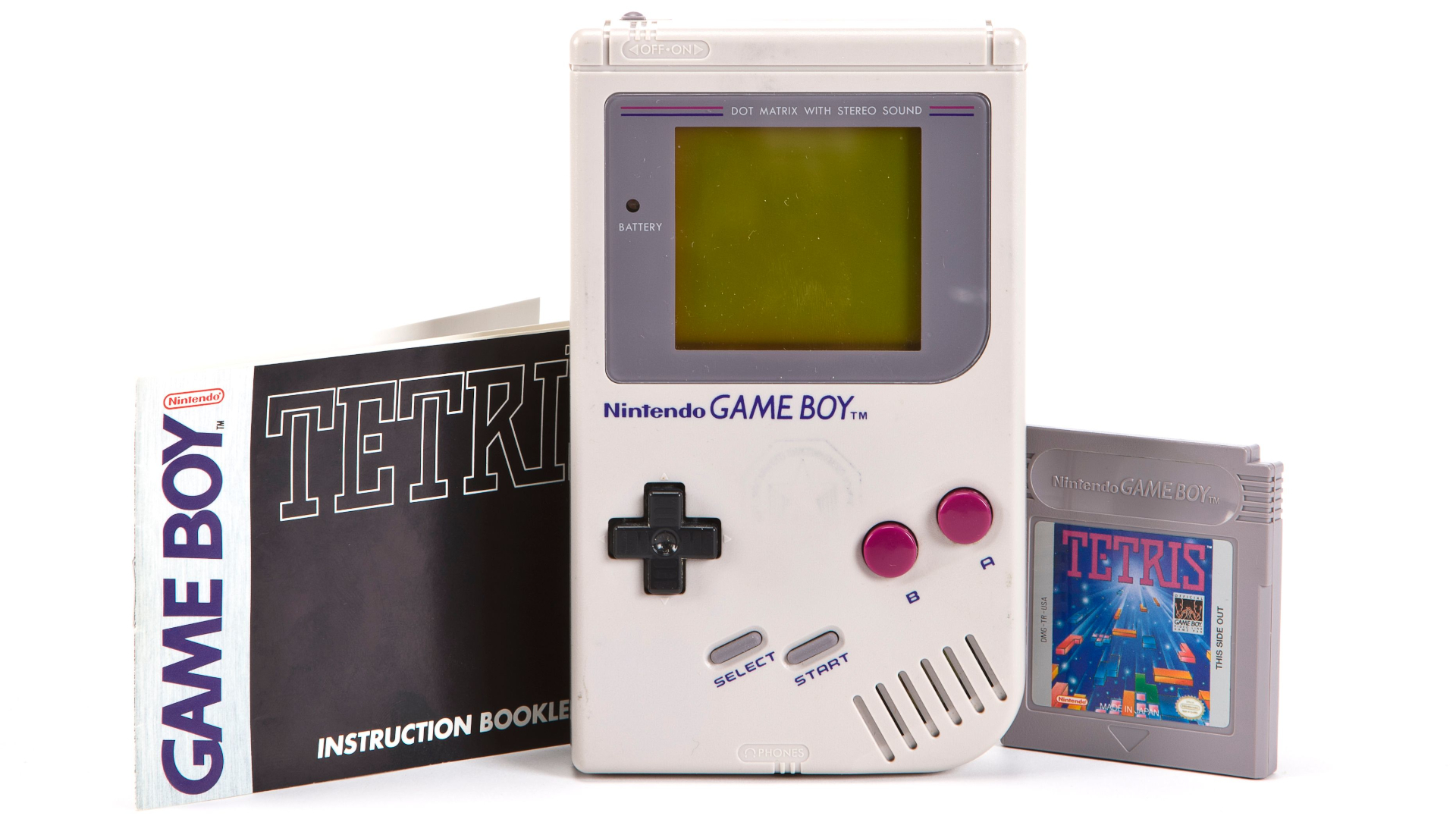
One of the brave cosmonauts tasked with a 196-day mission aboard the world’s pre-eminent space station was Aleksander Serebrov. When Serebrov wasn’t busy setting the world record for the number of space walks (a record later surpassed by Anatoly Solovyev), he found time to enjoy his Game Boy with a copy of the seminal Russian puzzle game, Tetris.
Not only does this make Serebrov the first person to play video games in space, but it also marks a spectacular piece of technological patriotism.
In 2011, Serebrov’s Game Boy and copy of Tetris were auctioned off in New York for $1220 USD, along with a note of provenance reading: “Like all cosmonauts, I love sport. My particular favourites are football and swimming. During flight, in rare minutes of leisure, I enjoyed playing Game Boy.”

1998 — And now for something completely different
(Image credit: 7th Level, Inc)
Keeping things with the Mir station, in 1998, one of the final missions to the station, STS-89, was launched from Kennedy Space Centre.
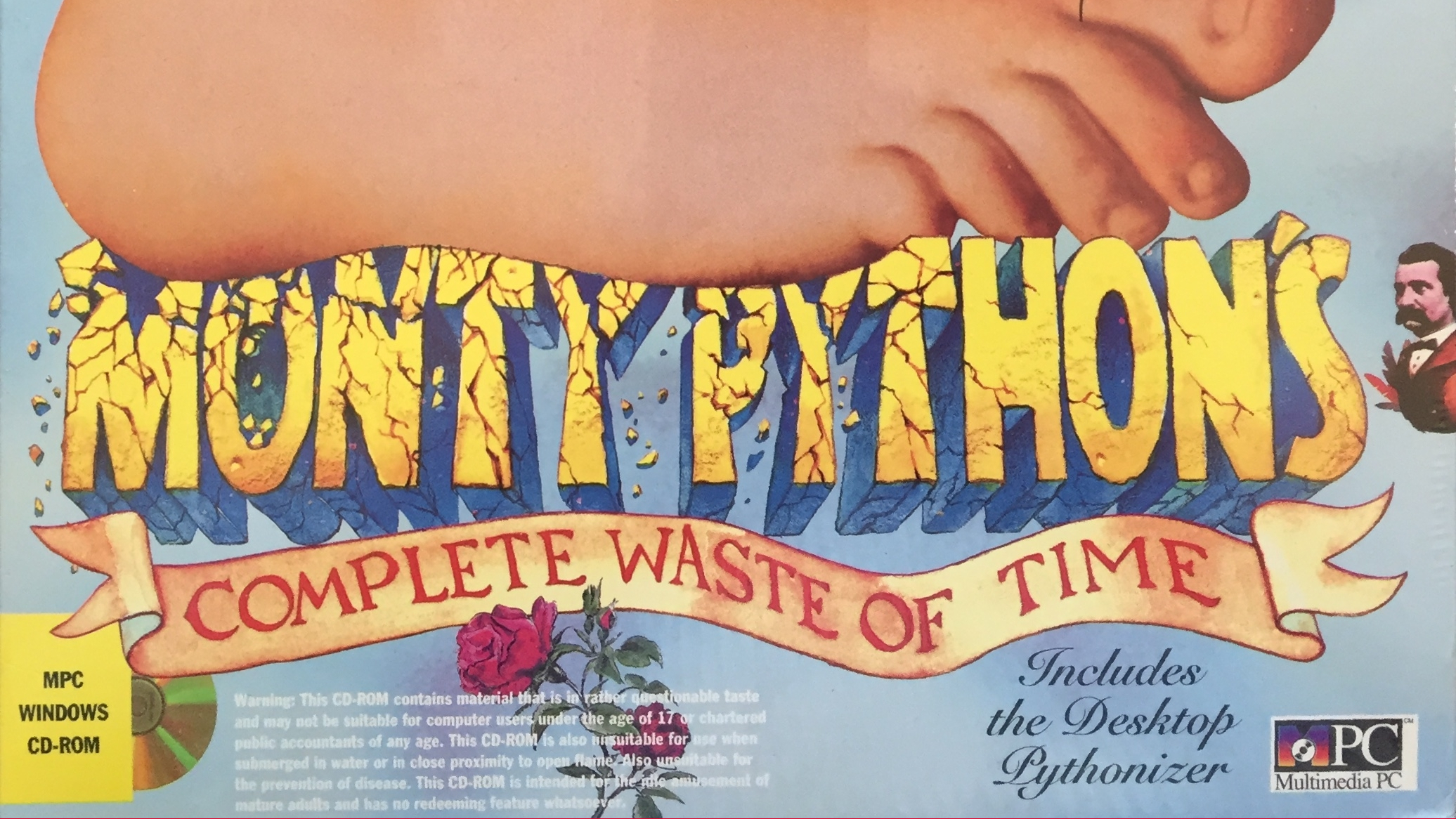
Onboard was a crew of American astronauts, including mission specialist Andy Thomas. Alongside being an excellent mechanical engineer, aerodynamic scientist, and mission specialist, he’s also a bit of a gamer — at least, if his choice of entertainment aboard the Russian space station is anything to go by. Andy bought with him a PC game called ‘Monty Python’s Complete Waste of Time’.
If you haven’t heard of it, consider yourself lucky. It’s basically an FMV mini-game collection that is, aptly, a complete waste of time. We’re not 100% sure why someone would want to lock themselves in a cramped, ageing space station for 6 months with this terrible game, but it cemented itself in history as the second game played in space.
What to read next
1999 — Folks, we’re going international
(Image credit: Blizzard)
The longest continually manned space station in history, the International Space Station (ISS), is a modern wonder of the world. Along with a host of astronauts, it’s also briefly been home to one of the greatest space strategy games ever made.
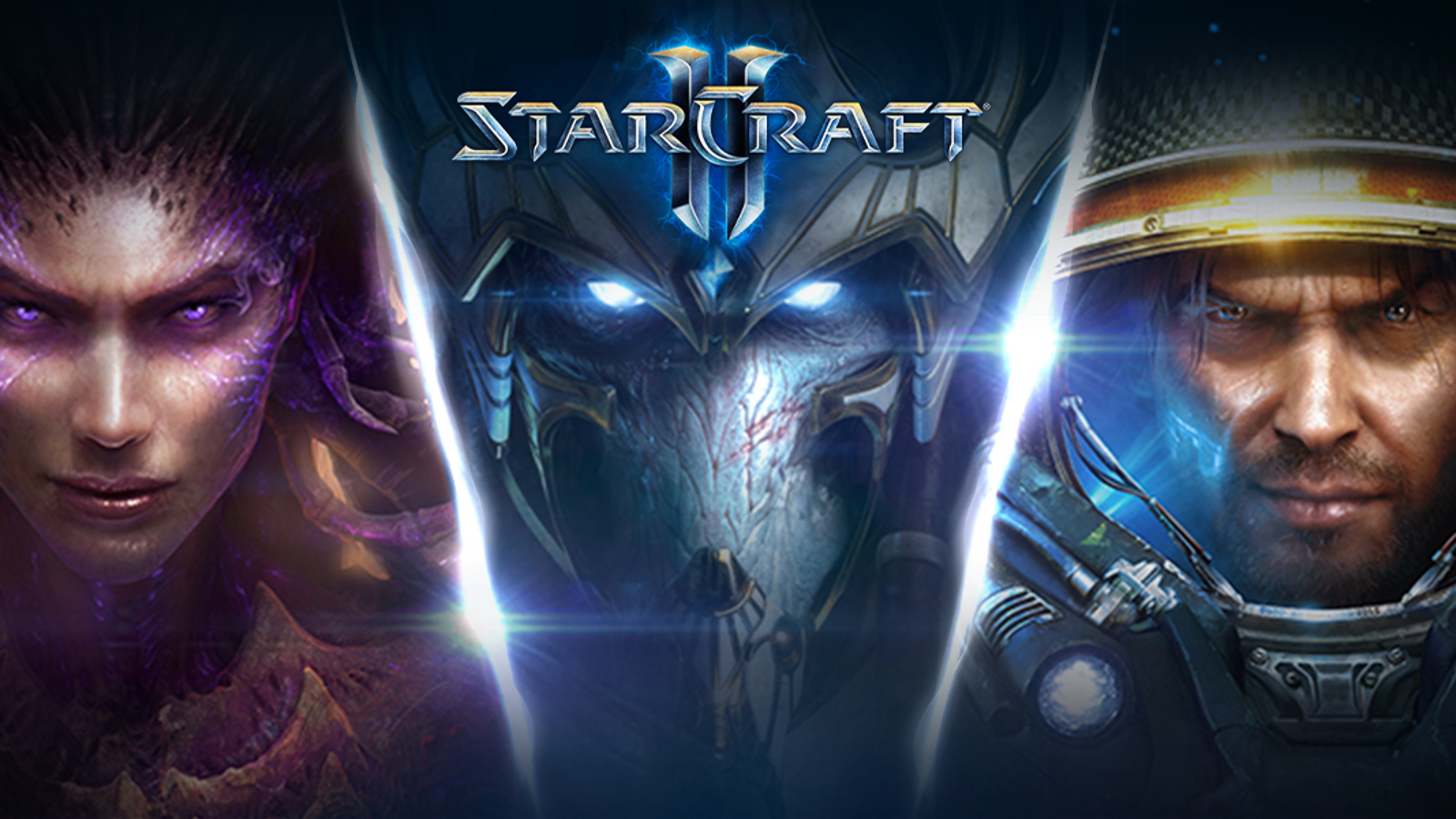
In 1999, space mission STS-96 delivered the first crew to inhabit the station, including Daniel Barry, who brought with him a copy of StarCraft because he happened to be a big fan of the franchise. Where better to enjoy a sci-fi RTS than the cold vacuum of space?
While his mission aboard the ISS only lasted around 30 days, in an interview in 2017, Barry said that part of the reason he chose Starcraft as a way of connecting with his far-flung family.
Barry used to Zerg-rush his partner and daughter back on Earth, so this was a way of taking that bond into orbit. Sadly, he wasn’t able to actually play the game, but the copy he took to space now resides in Blizzard’s headquarters.
2001-2005 — A mystery game
Sometimes, kids are given the chance to speak to real astronauts and ask them questions, and even more rarely, they’re allowed to do it with the President of the United States.
Back in 2009, a bunch of school kids and the 44th President of the United States, Barack Obama, called the crew of the ISS, including one John L Phillips, to ask them questions.
When asked by one of the kids if they were allowed to play video games in space, Phillips admitted that on one of his previous missions, he had brought a PC with him to get some gaming in on his off time.
This means that during his 6-month mission aboard the ISS in 2005, he managed to bring some undisclosed video games with him and spent his free time gaming. Although by the sounds of the interview, his free time was pretty thin on the ground.
2016 — The future of gaming and space
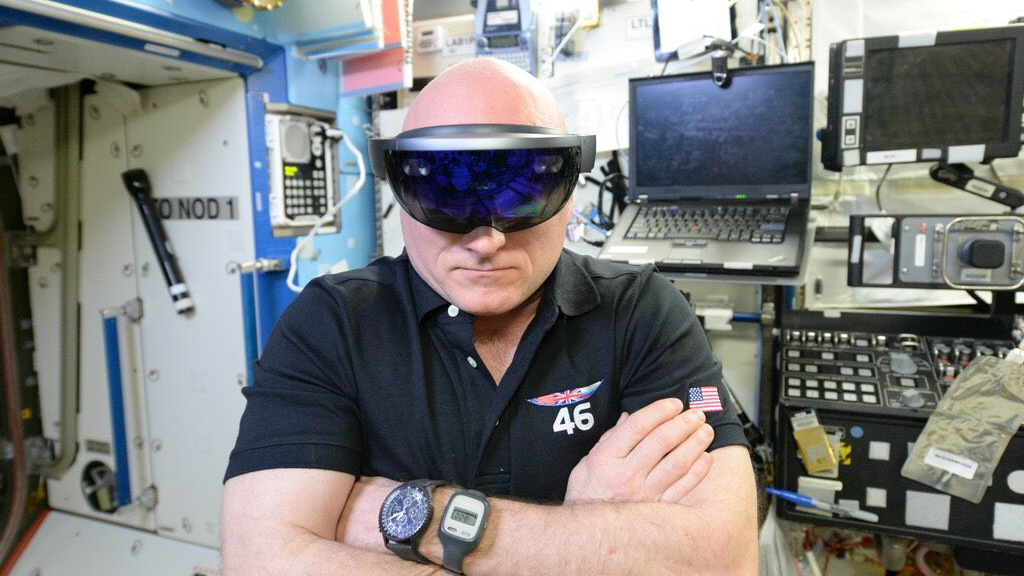
(Image credit: Scott Kelly)
When it comes to the future of gaming, enthusiasts may tell you that it lies in the twin avenues of AR (augmented reality) and VR (virtual reality). While the veracity of those statements is, at best, questionable, the final entry in the saga of games going to space features Microsoft’s AR HoloLens technology.
In 2016, astronaut and former jet pilot Scott Kelly tweeted a picture of himself wearing Microsoft’s AR-enabled HoloLens goggles, with a link to a YouTube video talking about NASA’s ‘Project Sidekick’. This project mostly focused on enabling crews to benefit from ground-based assistance when completing highly technical procedures aboard the ISS or other spacecraft.
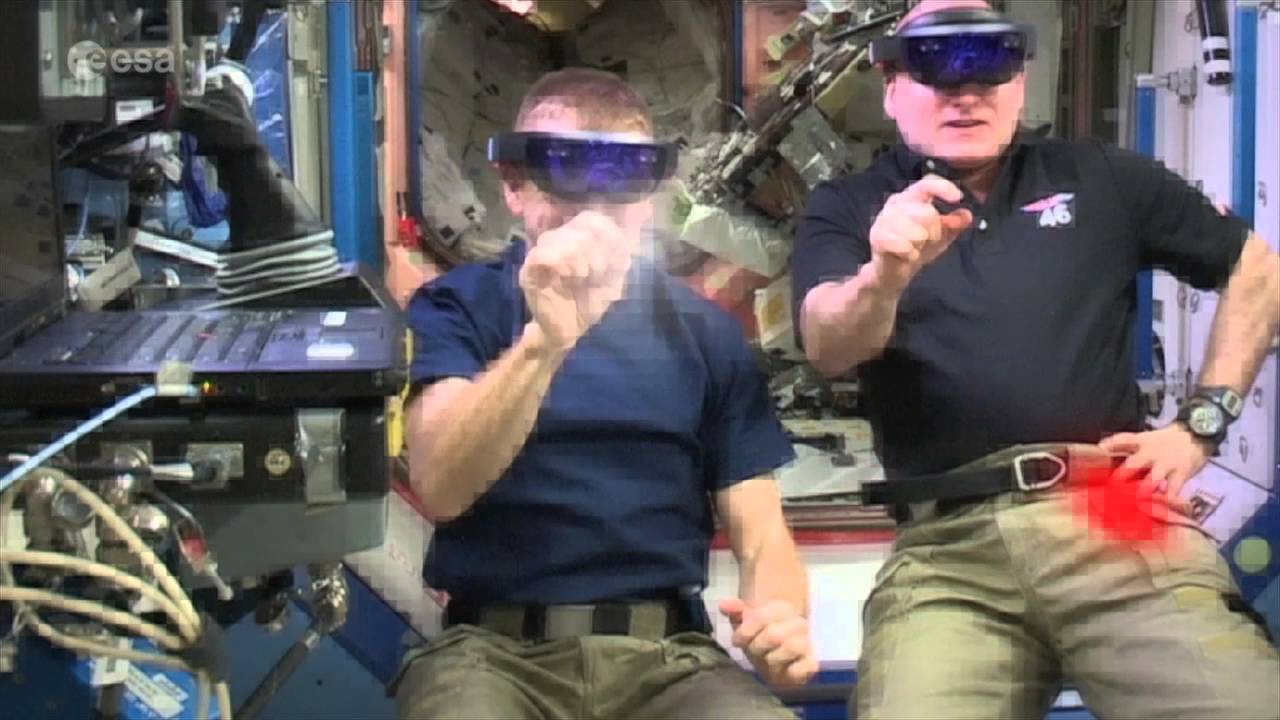
While the project is focused on using the goggles as a productivity aid, that doesn’t mean they’re entirely devoid of fun uses as well. While Kelly and fellow astronaut Tim Peake were trying out the headsets, they came under attack from virtual aliens and had to blast lasers from their fingers to fend off the attack.
Space invaders – in space! – YouTube
Watch On
It’s not immediately clear which game they’re playing, but the likely answer is RoboRaid, a HoloLens game that sees you pinching your fingers to fire lasers at invading aliens.
While news on Project Sidekick has been a little slim over the past few years, outside of a Hologramatic Doctor being beamed to the ISS in 2022, there’s still every chance that the crew aboard the ISS is still blasting alien robo-bugs in space to this day.
And there you have it, all of the times (so far as we know) that video games have made their way into space.
With gaming an ever-more ubiquitous part of our lives, it only makes sense that this trend will grow into the future, and we might even see the fateful day where someone plays FNaF 57: Freddy in Space, actually in space.