
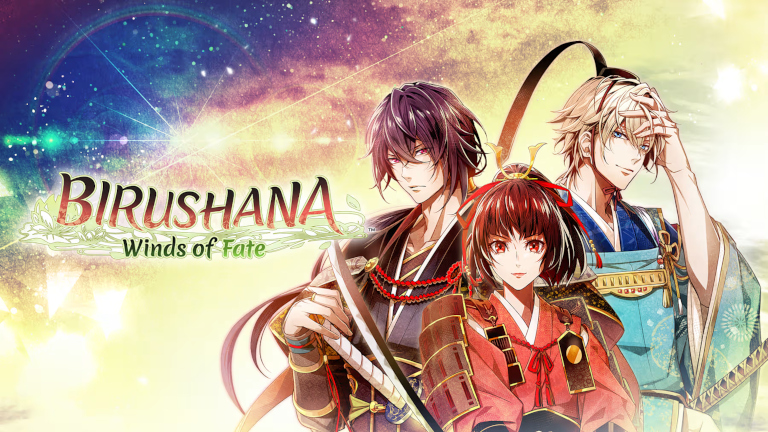
Some stories deserve to keep going. And that’s the case for 2022’s Birushana: Rising Flower of Genpei, a historical-fantasy otome visual novel developed by Red Entertainment. Birushana: Winds of Fate, is a fan-disk that allows you to spend more time with the cast, witnessing Shanao settling down with the five bachelors or building relationships with some of the secondaries who didn’t get a chance to shine in the original.
As such, the novel is mainly geared towards players who enjoyed the core cast and wanted more out of it. This is not a sequel designed to bring in newcomers. The fan disc expects you to have played through Rising Flower to have a basic level understanding of each character’s personality, as well as the basic plot structure of the war between the Genji and the Heike. Going in cold would be like watching the final act of a play you haven’t seen before. And given the rich context, that make for a challenging read.
Wars Might End, But Love Can Be Everlasting
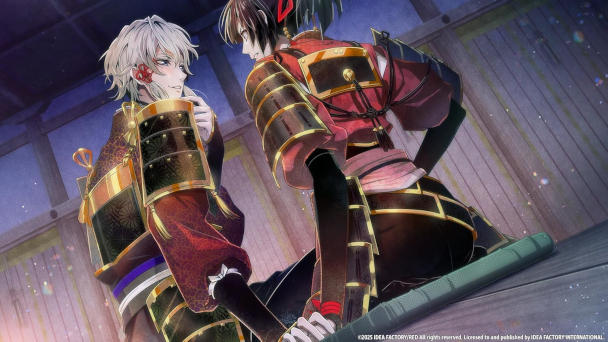
Rising Flower of Genpei was set during the final decade of the Heian period and loosely based on the Genpei War, a critical conflicts in Japanese history. The story took place following the Heiji Rebellion of 1159, when the Heike routed the Genji and took control of Kyoto. Players took on the role of Shanao Yoshitsune (a genderbend of Minamoto no Yoshitsune) the youngest member of the Genji clan, who harbors a deep secret: she’s actually a girl. Raised at Kurama Temple under a false identity, she trains in secret, waiting for the moment she can restore her clan’s honor.
What made Rising Flower of Genpei compelling was that the novel incorporated historical figures. From Benkei, the legendary warrior monk; Noritsune and Tomomori of the rival Heike clan; Yoritomo, Shanao’s formidable half-brother and Genji leader, there’s a nice cross-section of notables from the era. The balance between history and romance is part of what made the original compelling and Winds of Fate habitually builds on some of those notions.
Happily Ever After Meets Alternative After
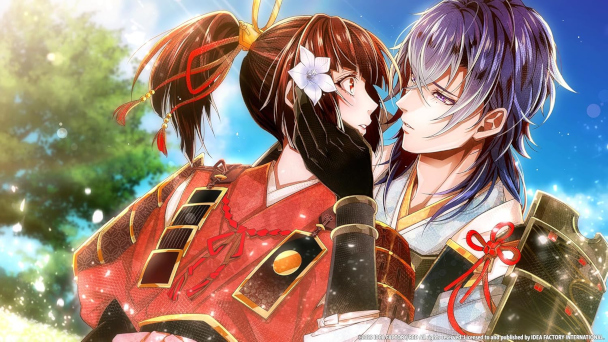
The downloadable title is split into two distinct experiences. The epilogues explore life with Shanao and her chosen love interests from the first game, while the stories kick off directly after Shanao is forced to flee Kyoto with Shungen and Benkei, essentially skipping the base game’s common route. The former half covers the five original bachelors: Yoritomo, Benkei, Shungen, Noritsune, and Tomomori. These storylines all build on the happy endings from the first game, picking up where those conclusions left off, checking in on what life looks like now that the fighting is done. The epilogue routes come in around two hours each, so they’re on the shorter side.
What they lack in length, they make up for in emotional warmth. These are comfort stories removed from the pressure of clan warfare and political survival. Each epilogue puts Shanao in different kinds of relationships: Yoritomo gradually thawing from his cold, maintained distance; Benkei settled into the protector role that always suited him; Shungen, whose bond with Shanao is rooted in shared history, navigating a changed world together.
Once Enemies, Now Lovers Remains a Great Trope
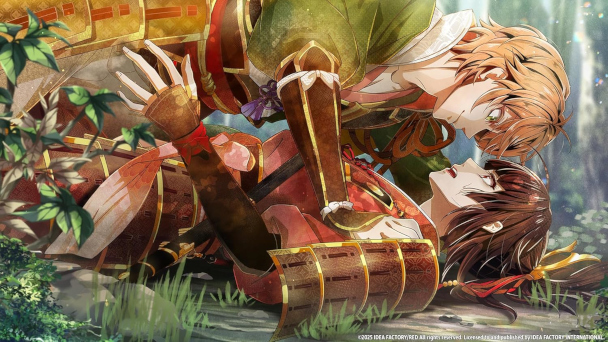
Noritsune and Tomomori, the two love interests drawn from the enemy Heike clan, deliver a particularly gratifying reward, cultivating peace after a turbulent time. While these routes won’t take long to finish, they are rewarding as we witness Shanao in various kinds of relational development, finally relived of the conflict that helped to define her character.
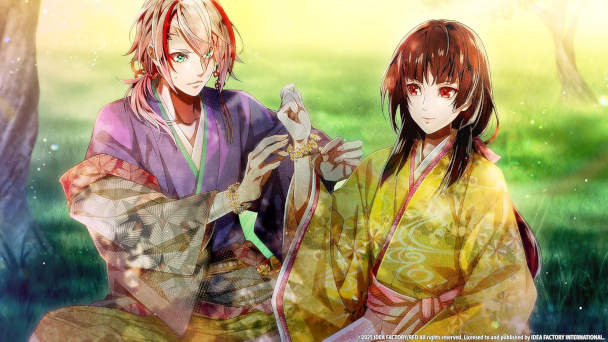
The second half is where Winds of Fate really shines. Four new main routes spotlight previously supporting characters: Shigehira, Takatsuna, Tadanobu, and Tsugunobu, into full romantic leads. Shigehira Taira is Tomomori’s younger brother and a Heike general; Tsugunobu Sato is the eldest son of the Sato clan in Hiraizumi; Tadanobu Sato is Tsugunobu’s younger brother; and Takatsuna Sasaki is a trusted vassal to Shanao’s half-brother Yoritomo. Each of these routes is longer and more involved than the epilogues, allowing the writing to feel richer. Shigehira is a temperamental man bored with a world that poses no challenge to him. Compared to his brother Tomomori’s occasionally psychotic behavior, he feels far more relatable. His route embraces comedy far more than the original did, with laugh out loud moments as his pride conflicts with Shanao’s cool competency.
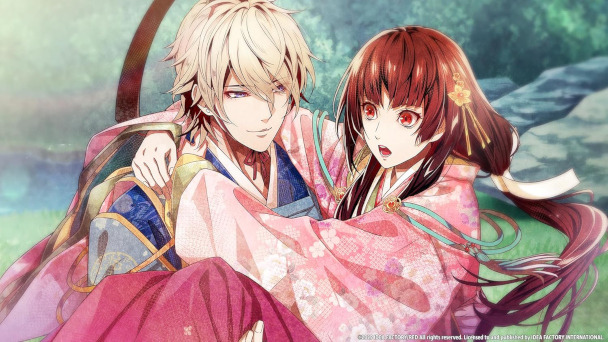
Takatsuna’s ability to swap between dangerous and delightful is unnerving to Shanao, but his insistence on always finding a reason to smile is charming. He’s a pleasant surprise and the kind of character who improves considerably once the game giving him room to grow. Tsugunobu, the intellectual older brother type, fits with Shanao intellectually, but honestly, this was my least favorite arc. But the good news is that the CG work in the main routes are at least as good, if not better than the original novel.
Slightly Lost in Translation
While the translation is generally serviceable and an improvement over the first game, there are some problems. There are some misspellings across the dictionary and script, but they are rare enough to forgive. Less excusable are the lines that aren’t translated correctly; encountering these will probably make you reread the dialogue, which can break the immersion. Speaking of engagement, the localization can sound a bit too contemporary at times. For a period-based storyline, Takatsuna’s informality when addressing his superiors seemed inauthentic.
Like the original, navigation is handled through a visual flowchart, which lays out the branching structure of each route more clearly. Rather than forcing players to guess which choices lead, the flowchart lets you see the trajectory of each story before and during play, making it easy to revisit decision points for alternate endings without having to re-read entire routes. Throughout the new main routes, you will have to make some challenging decisions, and the flowchart help to make managing those branches easier. Each of the new main routes features both a True Love Ending and a Tragic Love Ending, adding some replayability for each character.
Follow Your Heart, But Always Consult the Flowchart First
If you loved the original Birushana and longed for more time with the supporting cast, Winds of Fate is a recommended purchase. Three out of the four new main routes range from pretty good to great. Undoubtedly, the epilogues serve their purpose, offering short but fulfilling peeks at Shanao’s new life. Collectively, Winds of Fate has more to say, even after the fighting has ended and reuniting with the cast justifies this fan-disk.
Birushana: Winds of Fate was played on Switch with review code provided by the publisher.
STORY – 80%
INTERFACE – 80%
AESTHETICS – 80%
ACCESSIBILITY – 65%
PERFORMANCE – 75%
VALUE – 65%
74% GOOD
Birushana: Winds of Fate is a heartfelt fan disc that rewards returning players with satisfying epilogues and strong new romance routes, especially for previously overlooked side characters. While the uneven localization occasionally breaks immersion, the game’s mix of historical drama, warm character writing, and rewarding relationships makes it a worthy follow-up for Rising Flower of Genpei fans.
User Rating: 3.35 ( 1 votes)