
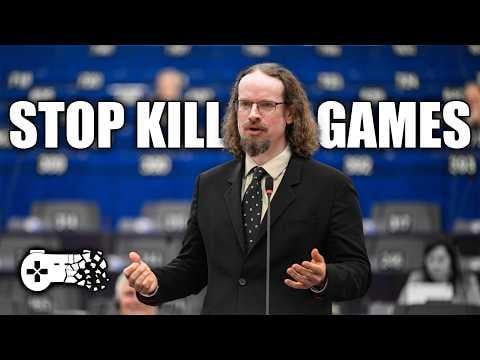
MEPs debated whether EU consumer protection rules should address cases where video games bought or licensed by players become unplayable after publishers shut down servers, end online support, or remotely disable access. Speakers discussed digital ownership, the difference between buying a game and licensing access, the future of the EU video game industry, intellectual property, piracy risks, cultural preservation, right to repair, planned obsolescence, minors, loot boxes and the upcoming Digital Fairness Act.
The initiative gathered nearly 1.3 million validated statements of support from EU citizens and reached the required thresholds in 24 Member States, making it one of the successful European Citizens’ Initiatives to reach the EU institutions. The debate followed the joint European Parliament committee hearing of 16 April 2026 and focused on whether existing EU law is enough, or whether new rules are needed to ensure games remain playable after the end of their commercial life.
The European Commission said it is examining the initiative, including how existing rules apply and whether further clarification or action is needed. The Commission said it would finalize its reply in the form of a communication before the summer.
This full debate includes interventions from the European Commission and Members of the European Parliament from several political groups, with arguments both in favour of stronger consumer safeguards and in favour of avoiding disproportionate burdens on developers and publishers, especially smaller studios. Speakers also addressed the importance of video games as part of Europe’s digital culture and heritage.
Stop Killing Games, officially registered as the European Citizens’ Initiative “Stop destroying videogames”, has been closely associated online with Ross Scott and Accursed Farms @Accursed_Farms although Ross Scott did not speak in this plenary debate.
This is the full European Parliament debate for viewers following EU digital policy, consumer rights, gaming regulation, game preservation, digital ownership, the Digital Fairness Act, right to repair, planned obsolescence, and the future of video games in Europe.