
Cyberpunk isn’t a future aesthetic — it’s a present-day system with a PR team.
A lot of the “future” is already here, but there’s a layer of obfuscation that keeps it feeling abstract: we’re trained to look for chrome limbs and glowing eyes, when the real cyber implants are invisible tendrils—data extraction stitched into the ordinary: browsers, phones, payment rails, workplace tools, recommendation systems.
The implant isn’t a chip. It’s the feedback loop.
And the point isn’t just surveillance for its own sake. It’s turning humans into predictable outputs—so powerful institutions can reliably make x amount of people do x:
- click, buy, comply, churn
- show up, stay longer, argue more
- vote, disengage, self-censor, accept the default Not because anyone “mind-controls” you in a sci‑fi way, but because the environment is engineered into a certainty machine: nudges + friction + incentives + dependency, at scale.
I make a weekly show called Woe Eater that tries to remove that obfuscation layer—taking tech headlines and translating them into the cyberpunk reality they already represent: surveillance capitalism, infrastructure control, enclosure, and how dystopia arrives as a normal update.
Our latest episode (posted Thursday) is here: https://www.youtube.com/watch?v=XKHs_QacZhY&t=4s
EP3 covered:
- IBM “Sovereign Core” — sovereignty marketed as a subscription (rent your freedom; vendor defines the rules)
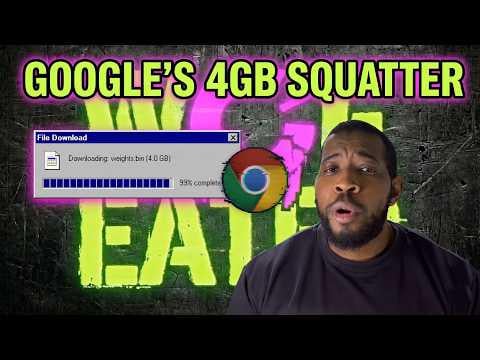
- Chrome’s “4GB squatter” — the scary part isn’t storage, it’s consent + precedent: involuntary infrastructure as strategy
- Geopolitics-as-enclosure — “security” narratives that map to infrastructure capture
- The machine economy — agents getting wallets/spending rails; autonomy turning into governance-by-default
Curious how this lands here: when you say “we’re already cyberpunk,” what’s the clearest example you’ve seen recently—an invisible implant you can’t unsee once you notice it?