
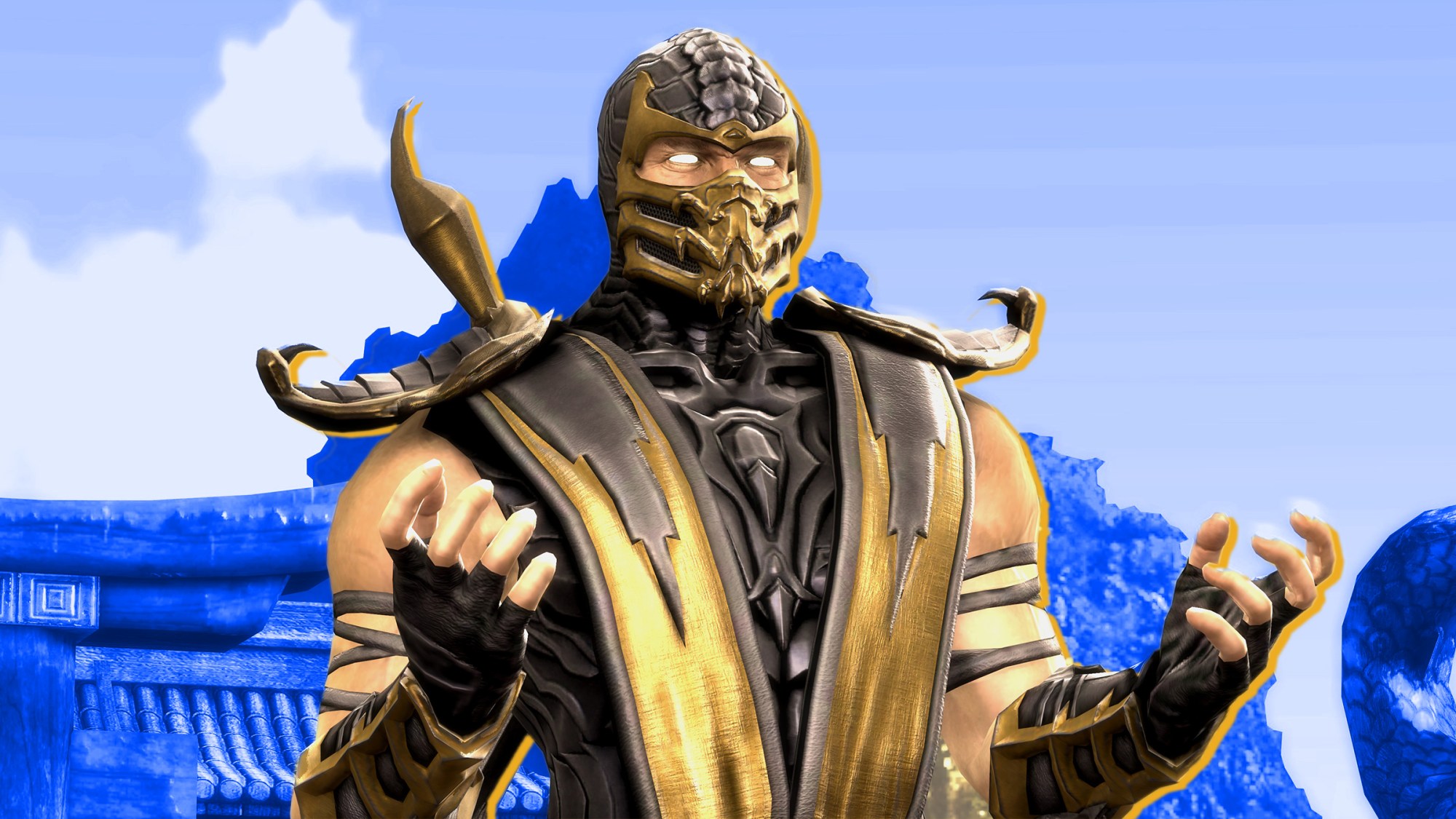
Mortal Kombat 1 put the series in a bit of a crisis. While promising a grand reinvention through a new timeline, it was not received well enough to be the standard for the next era. Developer NetherRealm Studios abandoned it prematurely and the community, despite some amazing updates, more or less followed suit. But this isn’t the first time the bloody franchise has been at a crossroads. NetherRealm was at a nexus point a decade and a half ago when Midway crumbled and it had just come off putting out one of the worst Mortal Kombat games, Mortal Kombat vs. DC Universe. The 2011 Mortal Kombat — also called Mortal Kombat 9 — was the key to the franchise’s recovery and serves as a beacon the studio should follow now.
Mortal Kombat 9 was beloved for so many reasons. Many glaze its roster, which is almost exclusively a collection of established Mortal Kombat faces that many people would at least recognize. Unlike the following games like Mortal Kombat X, Mortal Kombat 11, and Mortal Kombat 1 that had a bigger mix of old and new, MK9’s base roster only includes one original character, Cyber Sub-Zero (or two new characters when counting the Skarlet DLC). Playing the hits is definitely a strategy to easily win people back — it undoubtedly helped in this case — but it goes deeper than that.
Mortal Kombat 9 Innovated Yet Stuck to the Basics
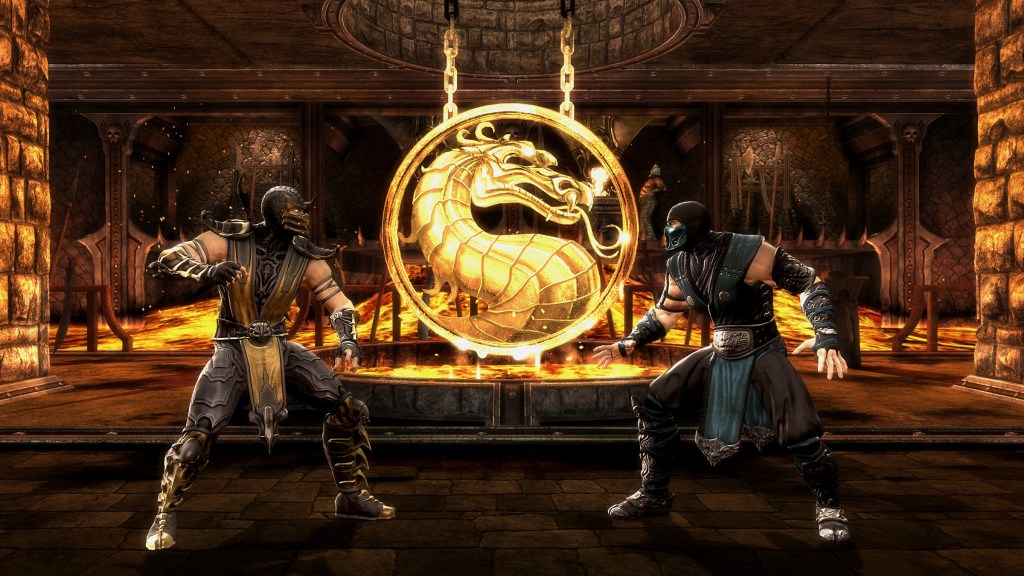 Image Courtesy of Warner Bros. Interactive Entertainment
This familiar roster also signaled how Mortal Kombat was going back to basics. There were no gimmicks. It wasn’t built around breaking Batman’s bones or playing as every other Mortal Kombat character in the same massive game. It was going back to the drawing board and taking the series back to its 2D roots. Things had gotten complicated with bloated rosters and multiple weapons or stances, but MK9 was mainly focused on one-on-one 2D fighting, as it was in the franchise’s golden era.
This return to form stripped away the noise and focused more on player expression within a traditional framework. While MK9 was and still is busted in many respects — there are many abysmal matchups and overpowered characters — it gave fighters more strategy through straightforward move sets. The Variation systems in MKX and MK11 were decent ideas (significantly more so in MKX) that are sometimes undeservedly trashed, but the core criticism of cutting up fighters into pieces rang true in some instances. The simplicity of making sure every combatant is fully complete is much less complicated when their moves don’t have to be spread out across multiple versions.
The next Mortal Kombat would be wise to take note here. MK1’s Kameo system — another unfairly maligned mechanic — was too much or not enough for many people; it wasn’t pure Mortal Kombat nor was it as wild as a tag or assist game. As such, going back to just regular one-on-one fighting might be the best way forward. NetherRealm understood more and more during the game’s abbreviated lifespan that it’s beneficial to open up and give fighters more tools, but this welcome correction didn’t seem to sway the overall consensus on the game because it was too late at that point.
But a new game with this mantra in mind combined with something as immediately understandable as basic one-on-one fighting would be a great way to walk in MK9’s coveted footsteps. Mortal Kombat players are seemingly over gimmicks at this point, and while obeying the desires of fans is a fool’s errand, there’s some merit to taking in that feedback here when the franchise needs a shakeup.
The Next Mortal Kombat Should Take Cues from MK9
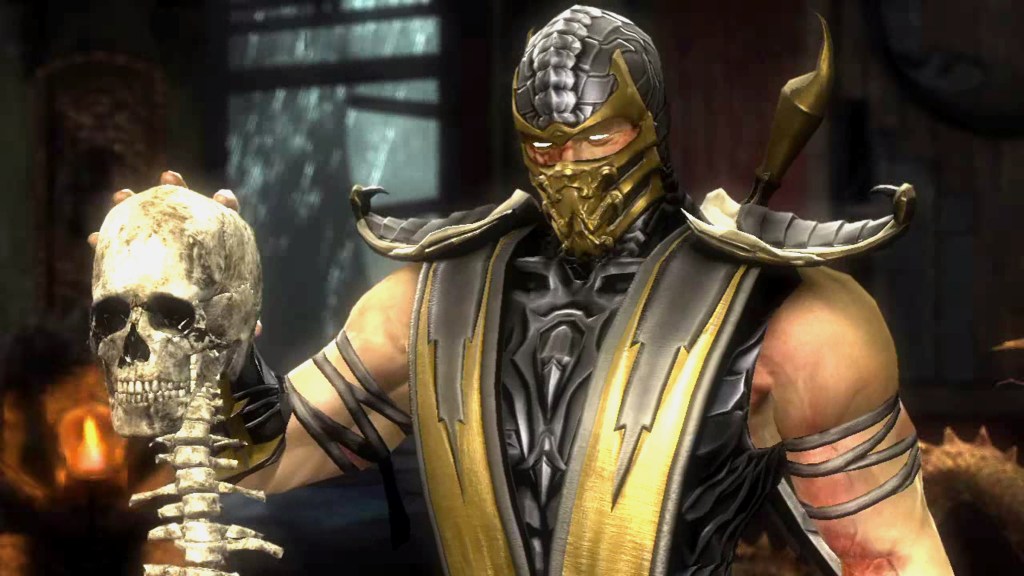 Image Courtesy of Warner Bros. Interactive Entertainment
But MK9 wasn’t content on just jingling keys for jaded diehards. NetherRealm also innovated in key ways. Even though its journey developing cinematic stories began in MKvsDCU, MK9 was the first truly great cinematic campaign in the series and upped the bar for the entire genre. It was paced well and showed that fighting games could tell stories outside of arcade ladders and with a high level of production. Combined with a long challenge tower, it was clear NetherRealm wanted to cater to a more casual audience and push heavily in that regard, something the genre didn’t always do well before then.
It’s not as much about the actual story modes here; Mortal Kombat games didn’t stop having explosive campaigns after that. It’s more about the innovative spirit that led to that mode. NetherRealm needs to prioritize innovation again so it can stand out once more. MK1 was sadly indicative of a team that clearly rushed and subsequently not able to forge ahead. Missing features, a terrible Invasions mode, the lack of cross-platform play at launch, and the overall absence of anything actually new helped contribute to this game’s radioactive release and sentiment that NetherRealm was resting on its laurels and falling well behind the rising genre standard it helped establish. Warner Bros. may have not afforded the team as much time as it needed to innovate, but, at the end of the day, that doesn’t completely absolve the studio.
The next Mortal Kombat needs to make an explosive entrance and push forward to not only make up for the damage MK1 did to the team’s reputation but to also ensure the series is on the right track going forward. Even though it has been 15 years, the 2011 Mortal Kombat provides a decent blueprint for earning back goodwill. Mortal Kombat has recovered from worse and, with the right approach, is capable of doing it again.
What do you think? Leave a comment below and join the conversation now in the ComicBook Forum!