
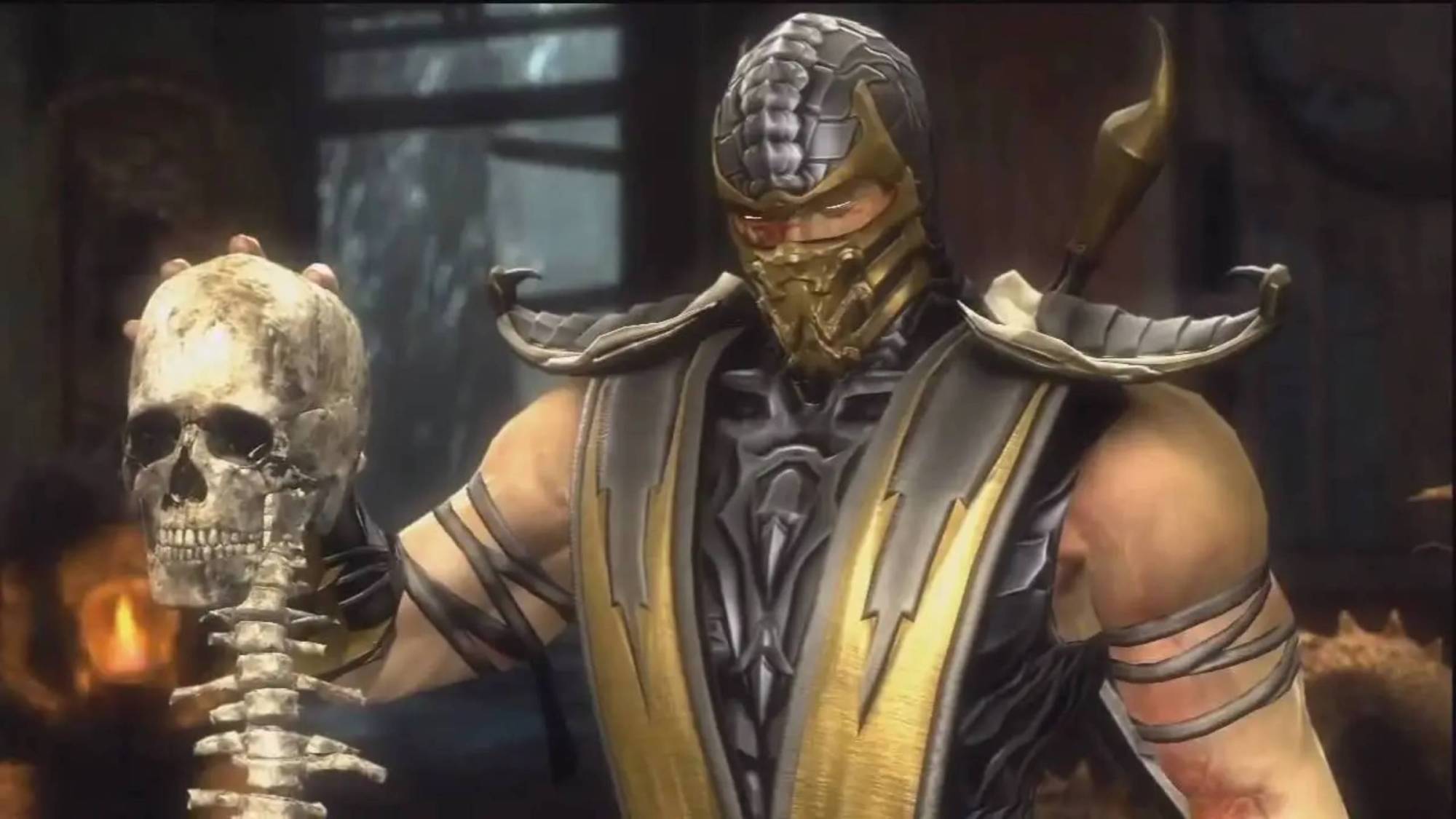
The Mortal Kombat series is a staple in fighting games, but this wasn’t always the case across the 2000’s. The 3D era of the franchise included plenty of divisive games, including Mortal Kombat 4, Mortal Kombat Deception, and the mostly disliked Mortal Kombat vs DC Universe. While this could have led the series to falling into obscurity, one game changed Mortal Kombat for the better, reviving its fan base into a strong foundation that continues to remain a dedicated audience today.
For the longest time, the development group Midway were the people behind Mortal Kombat, ever since the original 1995 arcade title that introduced players to gore-ridden competition. However, Midway’s bankruptcy back in 2009 cased Warner Bros. to buy the Mortal Kombat property, rebranding the original studio in NetherRealm Studios in April of 2010. Although this team was largely responsible for the underwhelming Mortal Kombat vs DC Universe, their next game would release one year after their name change to far more success.
Mortal Kombat (2011) Was The Fighting Game That Brought The Series Back After Multiple Failures
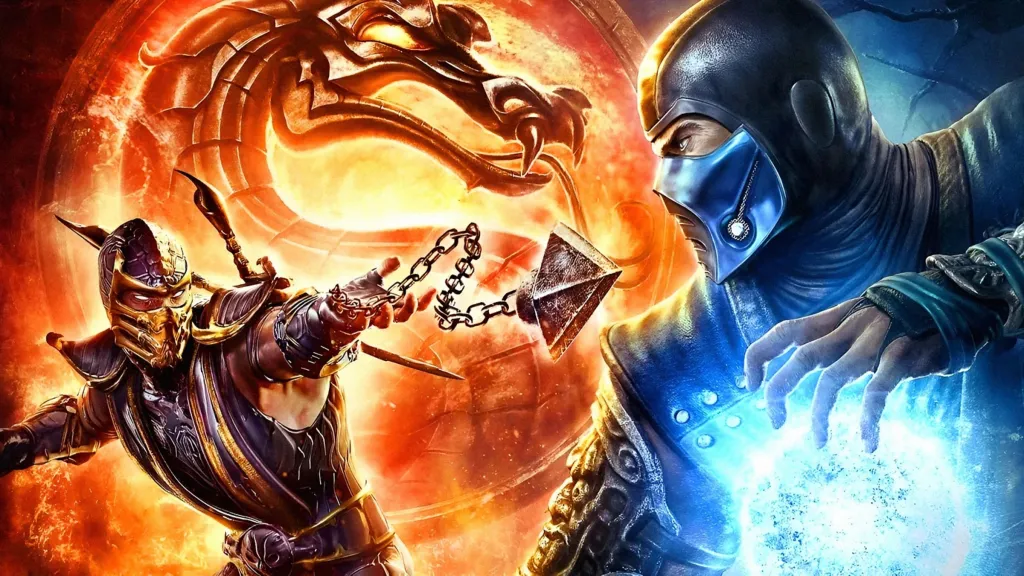 Image courtesy of Warner Bros.
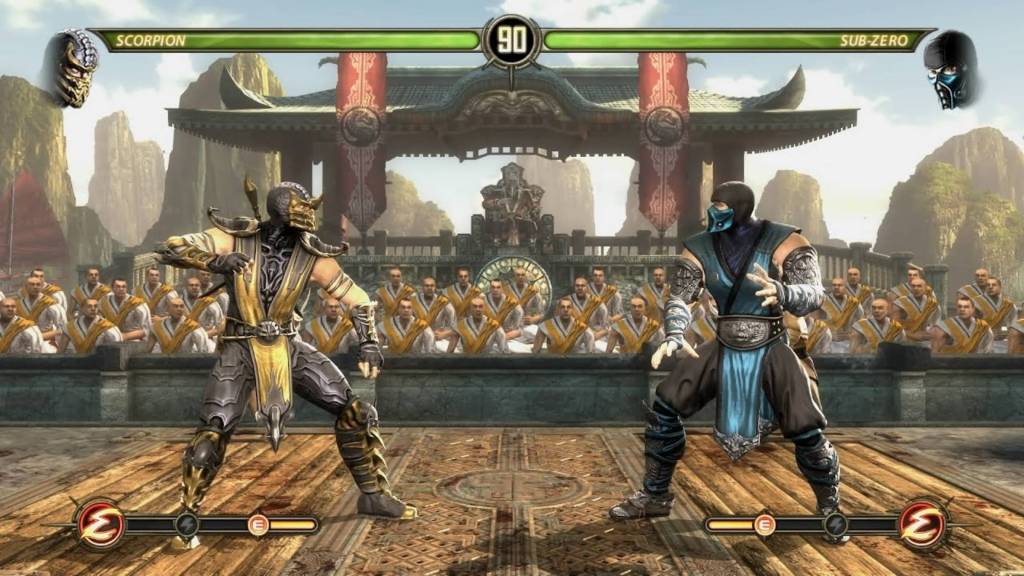
Mortal Kombat (2011) was released 15 years ago, on April 19, 2011, as the ninth main entry in the series. Sometimes referred to as Mortal Kombat 9, this game was a reboot of the franchise, not only marking NetherRealm Studios’ first official title under Warner Bros. but also shifting the fighting game back to its roots. Instead of the 3D style of the last few Mortal Kombat games, Mortal Kombat 9 adopted a 2.5D look that kept characters locked on a 2D plane, just like the original arcade games.
This game came out at the perfect time to compete with Street Fighter 4, which similarly revitalized the Street Fighter series through a return to form approach. Mortal Kombat 9 updated designs for classic characters with a sharp, new style, emulating the older games for newer consoles to look better than ever before. Gone were the rough 3D realistic models of Mortal Kombat Armageddon or Deadly Alliance, with characters now having a unifed, distinct art direction that was highly stylized. Even the ninja characters like Scorpion and Sub-Zero had clear visual differences between them, marking evolutions of beloved fighters.
The roster of Mortal Kombat (2011) was a collection of classics and fan-favorites, creating one of the best groups of playable characters the series had ever created. Guest characters would also appear in this title, such as Kratos for the PS3 version and horror icon Freddy Krueger to diversify the roster further through DLC. Brutal fatalities brought the series back from a goofy, almost cartoonish parody of itself, injecting a level of brutality not seen since the series’ start. Varied gameplay modes also made this game incredibly appealing to mainstream audiences, hooking a new generation onto everything Mortal Kombat.
A Complete Reset Of Mortal Kombat’s Lore Crafted One Of Fighting Games’ Best Stories
 Courtesy of Warner Bros.
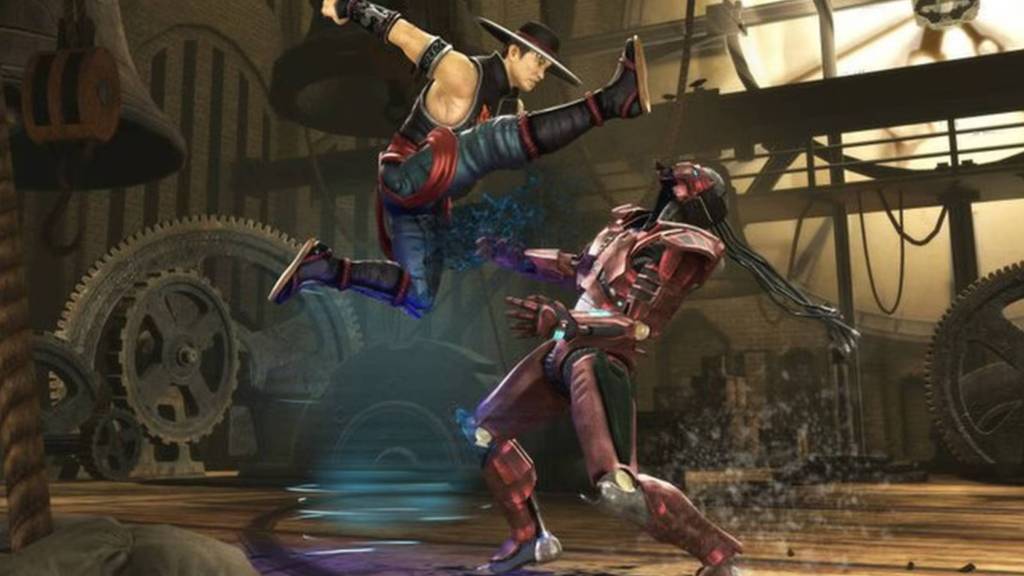
One of the defining features of Mortal Kombat 9 was, surprisingly, its single-player story mode. The narrative of this game takes place as a spiritual successor to Mortal Kombat Armageddon, the last “canon” title in the series, showing how Shao Kahn defeated Raiden atop the battle pyramid where the final boss Blaze once stood. The plot of the story revolves around Raiden desperately sending a message to himself back through time, to when the story of Mortal Kombat first began.
This story acts as both a continuation and restart of the Mortal Kombat world, for both veterans and newcomers to understand. The story’s Chapters are dedicated to specific characters, showcasing their personalities and powers in well-crafted sections of narrative dedicated to their development. With plenty of twists and turns, this story doesn’t pull any punches either, sometimes killing off fan-favorite characters for a tension-filled tale that changes the timeline of Mortal Kombat forever. For its time, Mortal Kombat 9 had one of the best story modes of any fighting game ever made.
Returning To Traditional Fighting Game Systems Made Mortal Kombat (2011) An Evergreen Hit
 Courtesy of NetherRealm Studios
Everything about Mortal Kombat 9‘s gameplay removes the chaotic blend of systems that came before, both adding depth and restoring simplicity found in the original arcade titles. Characters have universal movement options, but have unique special moves that create complex fighters to fully master. The intricate relationship between a character’s strengths and weaknesses compared to another created perhaps the most refined Mortal Kombat when it comes to grounded fighting game interactions.
Although far from perfect, Mortal Kombat 9‘s other secrets helped it thrive almost immediately after its launch. For example, special Challenge Towers that featured ultra-hard fights against boss characters like Shao Khan, Goro, and Kintaro were tied to special rewards, giving players more to do than just jump into online multiplayer. As a fighting game, Mortal Kombat 9 was the complete package, and remains one of the most beloved titles in the series to this day. For some, the roster of this game is perfect, with enough features to continue justify playing it over a decade and a half later.
Celebrations of this game’s 15th Anniversary are still going on at tournaments like Combo Breaker 2026, testifying to how beloved this game was in its legendary series. Without a game like Mortal Kombat (2011) coming out, it’s likely that the franchise would have faded away over time, like some fighting games sadly do.
What are your thoughts on Mortal Kombat 9 15 years later? Leave a comment below or join the conversation in the ComicBook Forum!