
Here’s what you’ll learn when you read this story:
According to legend, the game-maker Atari dumped thousands of game cartridges in a New Mexico landfill after the company collapsed in the early 1980s.Over three decades later, an archaeological dig sought to find the truth behind the urban legend.Crews were only permitted to dig in a fraction of the landfill’s area, but that was enough to determine if the rumors were true.
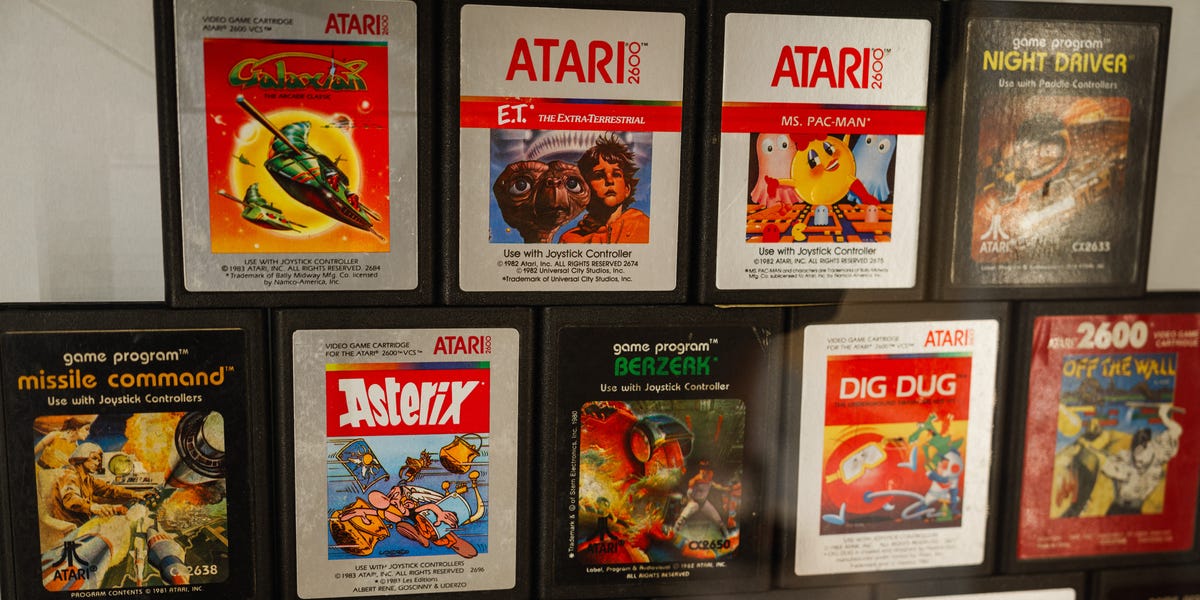
Arguably the biggest flop in video gaming history—the unfortunate launch of Atari’s “E.T. the Extra-Terrestrial”—coincided with the complete demise of Atari in the early 1980s. In the pre-digital era, that meant hundreds of thousands—if not millions—of Atari game cartridges sat in an El Paso warehouse, unsold or returned. At some point, they vanished from that warehouse, and what appeared in their place was the start of an urban legend: Atari had shipped hundreds of thousands of game cartridges to a New Mexico dump.
Over three decades later, the truth was hard to pin down. Was it all real or mostly a concept perpetuated by myth mongers? Archaeologists planned to find an answer in 2014, funded by Fuel Entertainment, Lightbox, and Microsoft, as the companies were producing a documentary about Atari’s demise.
The film crew sought approval to head to Alamogordo, New Mexico, and dig through the landfill. They received a muted permission slip, allowing them just two days and only four acres of search area within the site’s 300-acre expanse.
It was just enough.
Related Story
Bolstered by insights from James Heller, the Atari staffer tasked with disposing of the cartridges, and directed by a team of archaeologists led by Andrew Reinhard, the crews—both documentary and archaeological—descended on the New Mexico dump in 2014 and searched deeper than 30 feet into the trash heap, pulling out 1,382 cartridges in the limited amount of time they were allowed. But it was enough to turn the legend of the Atari cartridge tomb into museum-quality fact.
Heller said in a Q&A with an Atari ephemera-based blog that in 1983, he brought 12 truckloads, totaling 728,000 cartridges, to be dumped in an area of about 50 by 100 feet. After the third day of dumping, he had six loads of concrete layered over the site, since kids were found scavenging for cartridges. Even that enormous amount of concrete wasn’t enough to cover all the games.
“I would say that 95 percent of the cartridges dumped were new,” Heller said. “There were a number of different titles.”
Newspaper articles reported on dumping shortly after it happened, and Atari representatives went on the record at the time, although many of the details—number of games, location of the dump—were kept secret, helping perpetuate the mythic quality of the story for years.
The first 2014 discovery was of a boxed copy of the “E.T.” game, replete with game instructions, a catalogue, and a “Raiders of the Lost Ark” insert, Reinhard wrote for Archaeology Magazine. “Like digging in a pottery dump, coin hoard, or shell midden, each turn of the shovel or bucket loader exposed more games and hardware—thousands of cartridges representing dozens of titles,” he wrote. “The year’s worst sandstorm stopped the excavation, but the game-filled trench was photographed, and thousands of artifacts were bagged for analysis and cataloguing.”
The city had the dig covered back up, not to be examined again.
Joe Lewandowski, owner of the waste collection company in charge of the site, told New Mexico Magazine that he watched the dump back in 1983, and he also led the documentary team, armed with Heller’s information, toward the area where the games were laid to rest, knowing that the archaeologists could only search roughly 1.3 percent of the dump’s area. Among the 1,000-plus game cartridges and other pieces of Atari equipment discovered in the dirt, there were copies of “E.T.,” yes, but also games like “Centipede,” “Pac-Man,” and many others.
Related Story
Lewandowski said he auctioned off quite a few of the pieces and raised over $100,000 for local institutions like the library and a museum. Fuel Entertainment also gifted an “E.T.” cartridge to the Smithsonian, which keeps it—not on display, mind you—at the American History Museum.
The launch of the “E.T.” game ahead of Christmas 1982 came at a tumultuous time for Atari, as rivals flooded the market and the console’s popularity waned. That the game received poor reviews didn’t help. Soon, as sale numbers fell way below the company’s initial projections, copies of “E.T. the Extra-Terrestrial” began piling up in the El Paso warehouse.
With no hope for the extraterrestrial’s eponymous game on the horizon, the company booked its dead stock a one-way ticket to New Mexico. Only a fraction of those ever saw the light of day again.
Best-Selling Products We Recommend

The Best AirPods
 Apple AirPods Pro 3
Now 10% Off
Best Portable Power Station
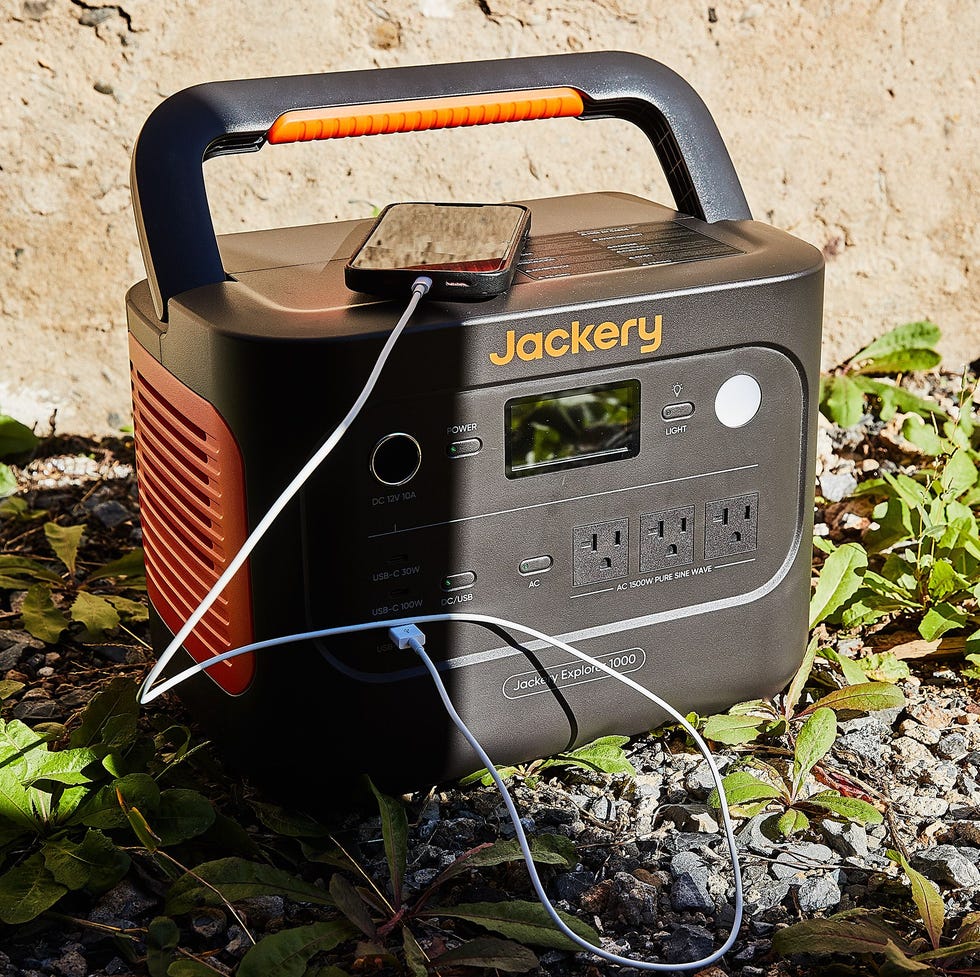 Jackery Explorer 1000 Plus Portable Power Station
Now 44% Off
Compact Power Bank
 Anker Nano Power Bank
Now 23% Off
Best Overall Portable Jump Starter
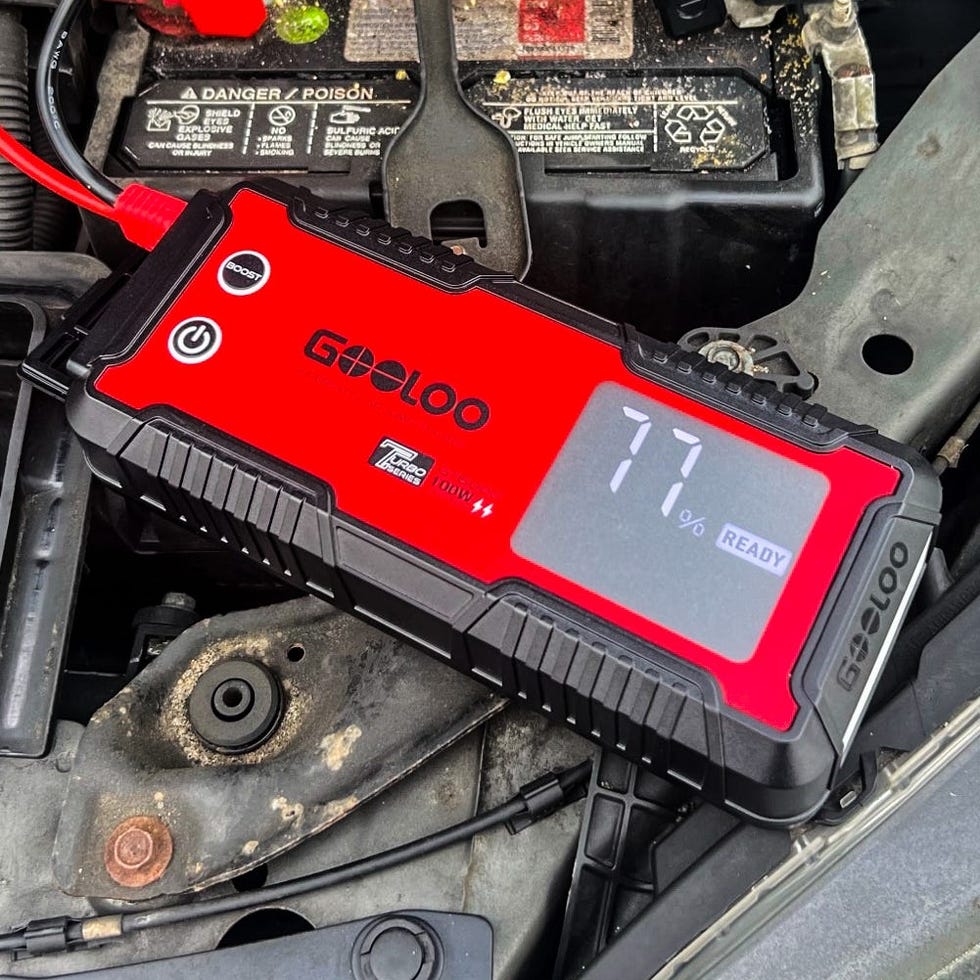 GOOLOO 6000A Portable Jump Starter
Now 18% Off
Best Value Drone
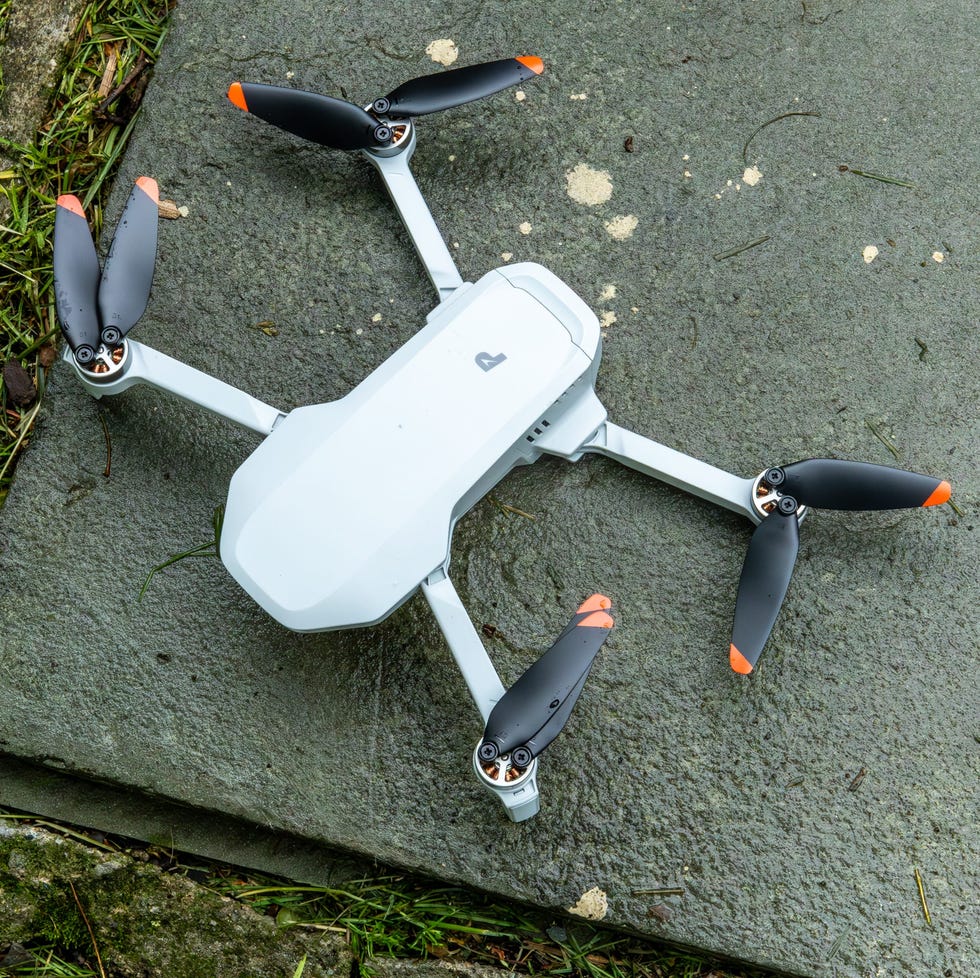 Potensic ATOM SE GPS Drone
Now 20% Off
Best Overall Robot Vacuum

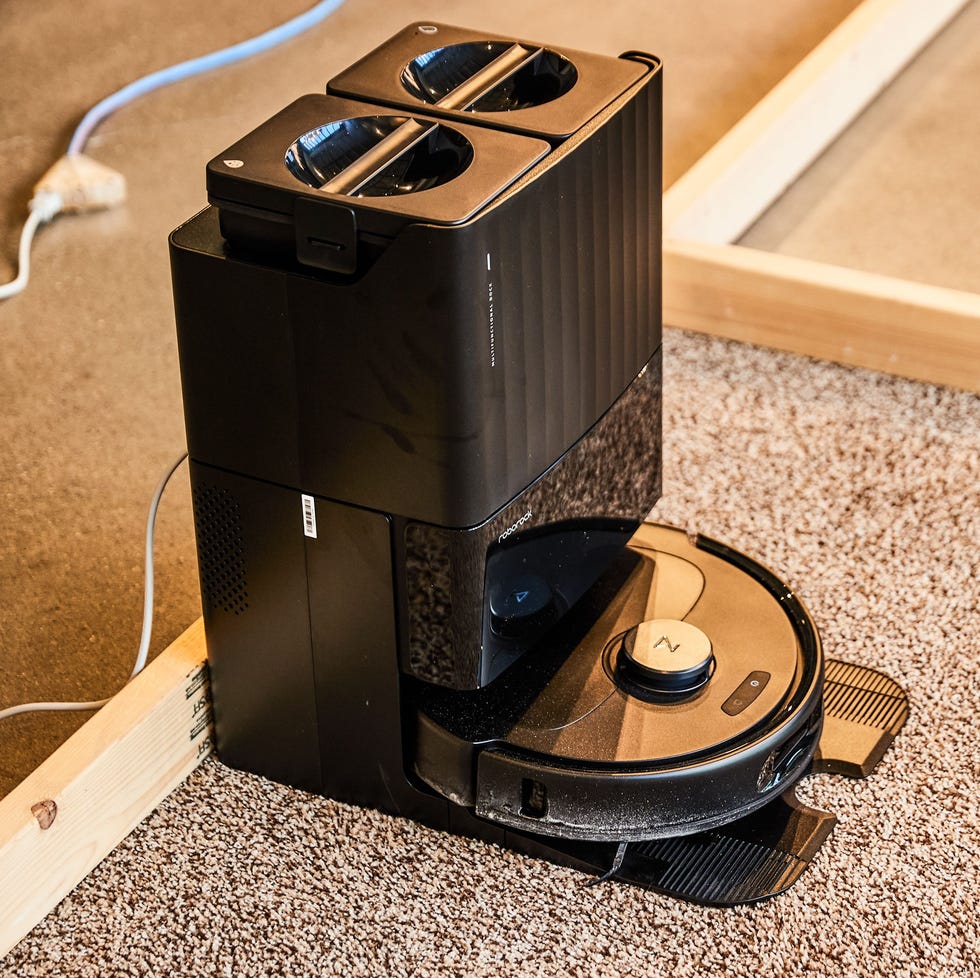 roborock Qrevo Series Robot Vacuum and Mop
Now 23% Off
Best Overall Photo Scanner
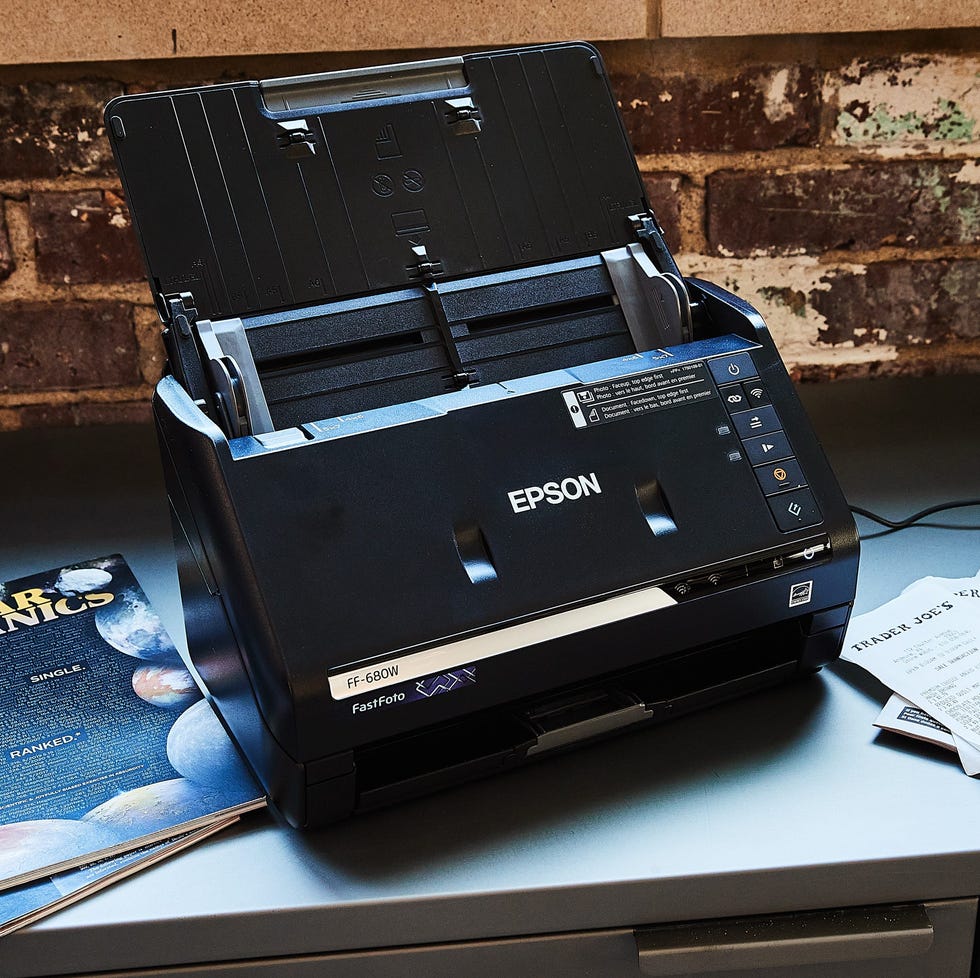 Epson FastFoto FF-640 High-Speed Photo Scanning System
Now 11% Off
Best Vacuum for Pet Hair
 Shark Stratos Upright Vacuum
Now 43% Off

Tim Newcomb is a journalist based in the Pacific Northwest. He covers stadiums, sneakers, gear, infrastructure, and more for a variety of publications, including Popular Mechanics. His favorite interviews have included sit-downs with Roger Federer in Switzerland, Kobe Bryant in Los Angeles, and Tinker Hatfield in Portland.