
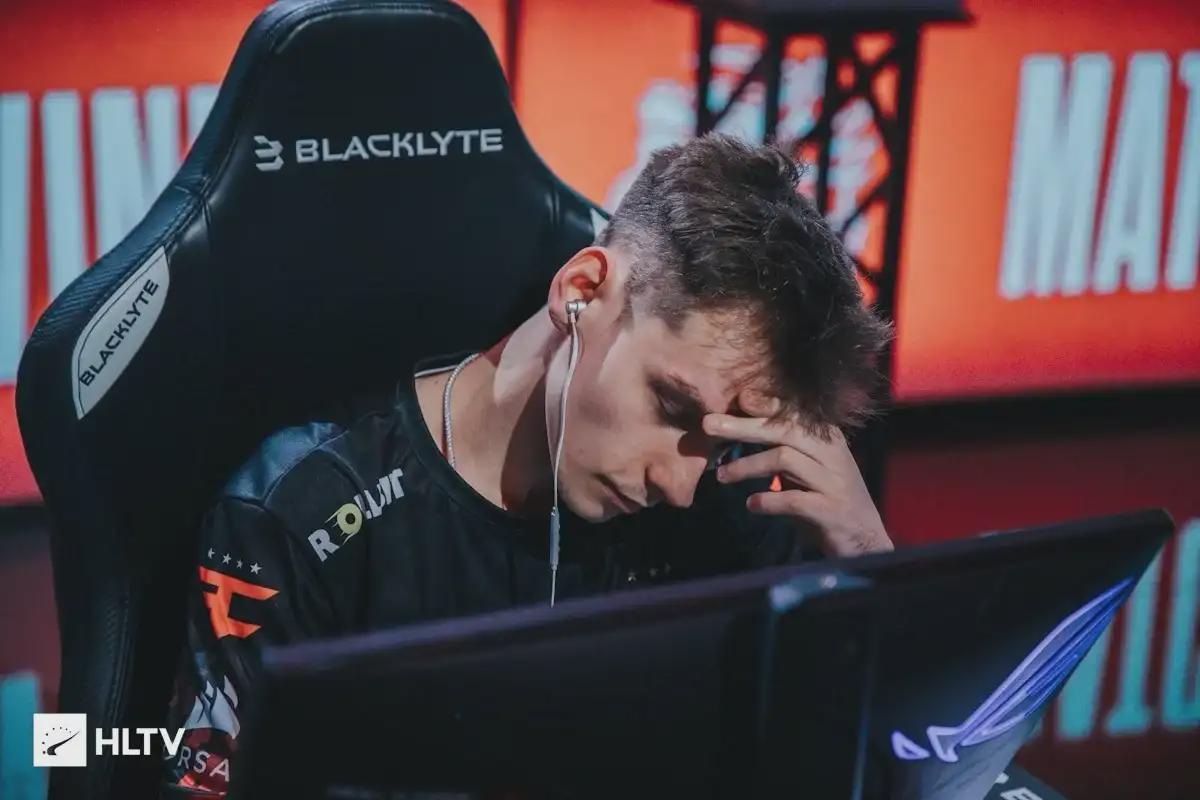
The global top-tier club FaZe Clan, which once dominated esports and youth culture, issued a major announcement through official channels: Due to prolonged financial difficulties, management turmoil, and drastic changes in the esports ecosystem, the club is formally dissolving all its esports divisions and ceasing operations effective immediately. This news has shocked the esports community, marking the end of an era.
Dissolution Statement: The difficult decision behind
Signed jointly by FaZe co-founders Richard "FaZe Banks" Bengtson, Thomas "FaZe Temperrr" Oliveira, and Yousef "FaZe Apex" Abdelfattah, the announcement admitted the decision to dissolve was "agonizing but unavoidable." The statement pointed out that despite the team creating countless glories over the past decade (such as championship reigns in titles like CS:GO and Fortnite), continuous losses in recent years, sponsor exodus, and internal management issues have left the club with "no viable path forward." The founders stated: "We dreamed of building a cultural empire transcending games, but reality proved far harsher than the vision."
Financial Abyss: From $1 billion valuation to the brink of bankruptcy
According to disclosures by Bloomberg and public financial reports, FaZe's downfall had clear warning signs:
98% Market Cap Evaporation: Valued at nearly $1 billion at its public listing, it's now worth only about $20 million. Its stock price plummeted from a high of $24 to under 20 cents, persistently below Nasdaq's delisting threshold.
Consecutive Annual Losses: Lost over $48 million in 2023, with debts exceeding $70 million. Even tournament victories couldn't mask the fragility of its business model.
Cost Overruns: Former CEO Lee Trink's tenure was marred by reports of extravagant spending (e.g., $60,000/month mansion rentals, high-profile influencer marketing). Management chaos led to resource misallocation, with the core esports division becoming a "money-burning black hole."
Competitive Collapse and Roster Disintegration: A sharp decline in competitiveness
Key Tournament Withdrawals Became Routine: Withdrew from 2026 BCG Masters citing scheduling conflicts, with G2 taking their spot; earlier, forced to forfeit EPL S22 due to roster rule disputes, with management decisions heavily criticized.
Star Player Drain and Instability: From ropz to EliGE, frequent changes of core members. Veterans like in-game leader karrigan were powerless to reverse the decline. Internal sources cited unpaid player salaries persisting for months.
Content Division Collapse: The social media and streaming business it was famous for suffered mass sponsor pullouts due to controversial influencer partnerships (e.g., incidents involving influencers accused of misconduct), leading to a sharp drop in traffic and revenue.
Industry Reflection: The Failure of the FaZe Model and the Future of Esports
Analysis indicates that FaZe's dissolution serves as a wake-up call for the entire industry:
The Trap of "Traffic Above All": Over-reliance on influencer effects and short-term hype, while neglecting the core of esports (competitive results and sustainable operations), led to extremely weak risk resistance.
Backlash of the Capital Game: Blind expansion and high-valuation financing proved unsustainable during the capital winter. The Nasdaq delisting crisis was the final straw that broke the organization.
Consequences of Management Chaos: From wasteful spending to roster management flaws, the FaZe case underscores the urgent need for esports organizations to transition towards professionalized, institutionalized operations.
Farewell and Legacy: Fan Lament and Industry Reflection
News of the dissolution triggered a wave of mourning on social media. FaZe's iconic logo and the "F" necklace became symbols of fan nostalgia. A veteran esports observer commented: "FaZe defined the era of entertainment-focused esports, but its collapse also reminds everyone that without results and financial health, a cultural symbol is merely a castle in the air."
Currently, former FaZe players have begun seeking transfers, with some potentially joining surviving giants like G2 or Liquid. The club's remaining assets are being handled by creditors, and the future of its brand trademarks and IP remains uncertain.
FaZe's dissolution is not only a major event in esports history but also an industry lesson about frenzy and bubbles, ideals and reality. As esports enters a "post-bubble era," only by returning to the essence of competition and commercial sustainability can the industry prevent the next "FaZe-style collapse" from repeating.
— Happy April Fools' Day 🙂