
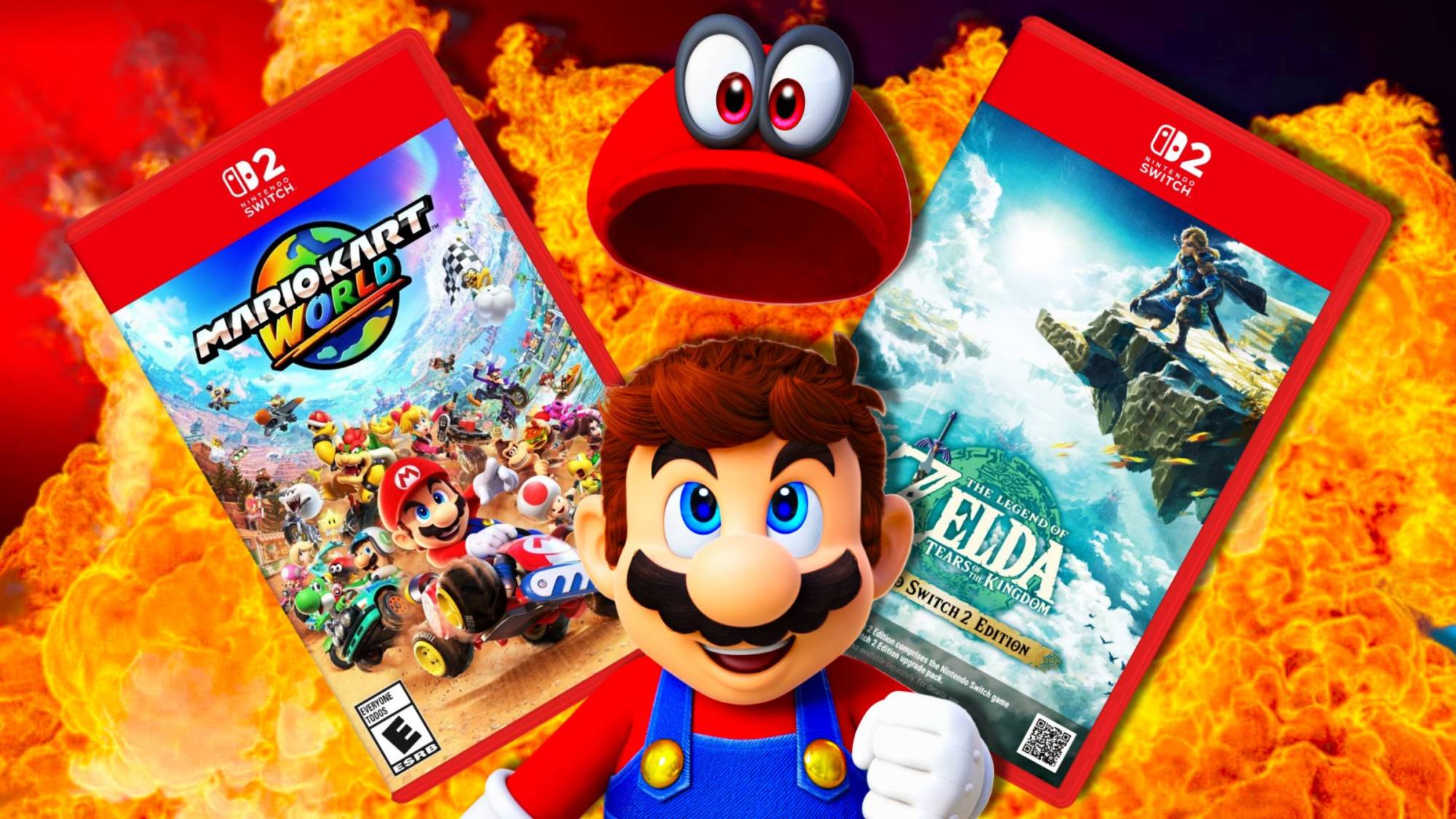
Nintendo has garnered a fairly negative reputation in the West, largely owing to its anti-consumer practices that have defined much of the last decade. That isn’t to discredit the immensely talented developers working for it, nor the games that they produce. Rather, Nintendo’s litigious nature, sweeping dismissal of its fans and their projects, among many other questionable acts, has ensured that many of us, including myself, don’t view it in a terribly favorable light. It is a shame, especially as the company once prided itself on its family-friendly appearance and ethics, but such has been the case for a while now, and it felt like there were no signs of it stopping.
Well, that appears to have changed, at least a tad. In a fairly surprising move, Nintendo has announced a significant update for its digital game library. It goes against the many ways in which Nintendo has been anti-consumer in the past, as it directly benefits those of us shelling out for its now potentially $80 games. What fascinates me most of all is that it has taken this long for Nintendo to do it, and, crucially, its competitors still haven’t implemented it, despite it being completely logical. Indeed, Nintendo’s fixing of its digital game prices feels like it should be an industry standard, and there’s every chance that could happen.
Nintendo Finally Lowered Its Digital Prices In The US
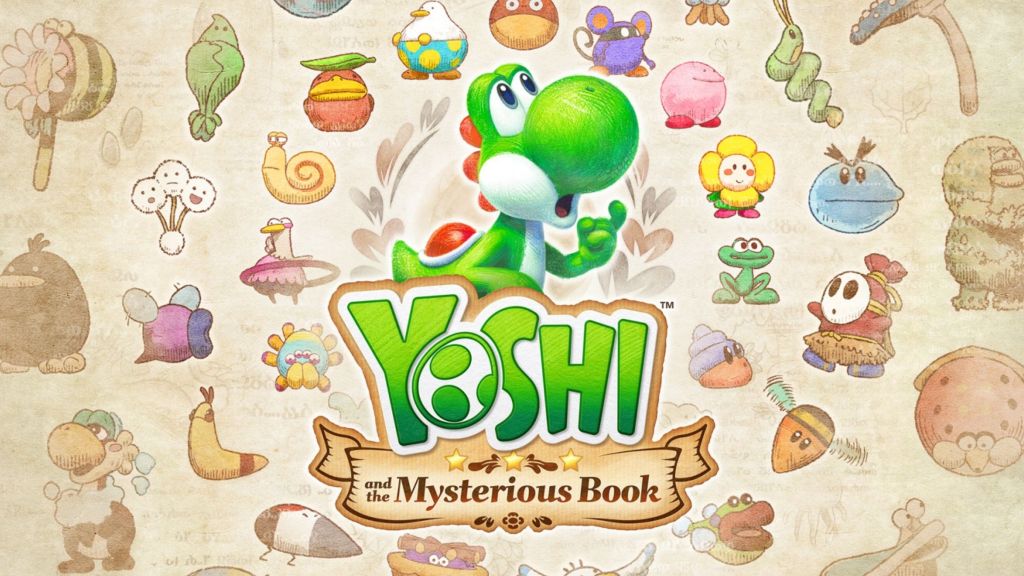 Image courtesy of Nintendo
Since early 2025, the UK has enjoyed cheaper digital first-party Nintendo games. It was a move that wasn’t terribly publicized, but clear if you ever checked the MyNintendo store page. Games like Mario Kart World cost £66.99 on the Switch 2’s eShop and £74.99 physically on the MyNintendo store. Those savings aren’t insignificant and represent the understandable difference in production and distribution costs. However, this pricing structure hadn’t been implemented elsewhere. That was until recently, when Nintendo announced that it would be rolling it out across the US and EU.
The company stated via the official Nintendo of America website that, as of May 2026, “new Nintendo published digital titles exclusive to Nintendo Switch 2 will have an MSRP that is different from physical versions.” This is starting with Yoshi and the Mysterious Book, which will set you back $59.99 digitally but $69.99 physically if bought from the MyNintendo store. The reason given is that Nintendo has seemingly finally realized that it “offer[s] the same experiences whether in packaged or digital format,” and that physical games should cost more as they incur distribution costs. To be clear, this doesn’t mean physical games are getting more expensive; it is just that digital copies will be lowered in price.
As aforementioned, this has been available in the UK for a little under a year now, but the fact that it has taken this long to implement there or in the US is rather absurd. It has been well established that there are practically no additional costs incurred by plopping a digital title onto a digital storefront, thus illustrating it needn’t be as expensive as the physical edition. However, we’ve long since accepted that no matter which edition you buy, you’re paying the same cost. Ironically, in many instances, the physical editions would be cheaper, as retailers can set their own prices and would often try to undercut the competition. Even if it were not at launch, especially in Nintendo’s case, the second-hand physical market would swiftly undercut the digital one, with copies of even first-party Nintendo games going for much cheaper on sites like eBay only a few months after launch.
Considering just how expensive Nintendo Switch 2 games are nowadays, this fair balancing of costs between versions feels like the least the studio can do, especially as it’ll never reduce the cost of its digital games years after launch by more than 33% anyway. There is also every chance that this fix will force the rest of the industry to adopt a similar approach, as, currently, neither Xbox nor PlayStation differentiates between their physical and digital first-party products. However, there is also every chance that Nintendo specifically could utilize this change to push a far worse product.
Nintendo’s Pricing Changes Could Improve Or Ruin Physical Games
 Image Courtesy of Nintendo
The change in price, in theory, could incentivize Nintendo to make its physical products more worthwhile and thus encourage consumers to opt for the more expensive version. While a cartridge in a box is enough for some collectors, there’s really no reason to buy a game physically if it is now more expensive, unless you’re desperate to fill some shelf space like me. However, even I, someone who loves seeing his little red boxes stacked next to each other neatly, will likely feel more inclined to pay for the digital version of a game if I’m saving $10 a time. Games are becoming increasingly more expensive, and keeping up with the hobby is costly. Those savings will make a big difference to a lot of people, so Nintendo will really need to motivate people to actively want to buy the physical version.
It could be as simple as reintroducing manuals again, or the occasional art card insert, or even a booklet with a few pieces of concept art or interviews from the developers, things that won’t really cost Nintendo much to gather. These would go a long way in incentivizing people to buy a physical copy, while also making it feel like an experience again. The art of manual design was treasured by many of us, myself included, and its sudden death with the eighth-generation consoles broke our hearts. It would be nice to see it return in some form, even if it bumped the price of physical games up even further.
However, what I suspect is more likely is that Nintendo will begin utilizing the abysmally bad Game-Key Cards on a more frequent basis. They surely cost significantly less to produce than a regular cartridge and would thus help lower the cost of physical distribution. This would offset any potential losses the studio will make by pushing more consumers toward digital media while still catering to its sizable audience of physical game collectors. It would be a shame to see it happen, especially as the rising costs of packaged products will already speed up the death of physical media.
PlayStation & Xbox Need To Follow Nintendo’s Lead
 Image Courtesy of PlayStation
Frankly, regardless of how Nintendo chooses to deal with its physical games, it is clear that PlayStation and Xbox need to start following its lead. It is outrageous how long it has taken to make a financial distinction between the inarguably cheaper to distribute digital games and physical media. The fact that this hasn’t been an industry norm for much longer is honestly frustrating. Nothing is stopping PlayStation or Xbox from implementing such a fix, and, indeed, at least in the former’s case, it seems to be actively making digital products more expensive.
PlayStation’s controversial dynamic pricing has seen digital products be more expensive for some than others. To be clear, this only applies to discounts, but the practice illustrates the unfair control these studios have had over their digital prices. It is what has enabled them to charge so much for them for so long, as it knows, unlike with physical media, which is predominantly sold through third-party retailers, consumers have no other choice but to abide by their rules. I sincerely hope that by Nintendo fixing its pricing model, the other studios will feel compelled to follow suit.
It is possible, especially if the rumors of its PC-focused console become true, that Xbox will copy this pricing structure. Microsoft allegedly wants to integrate Steam onto the next console, which would absolutely necessitate lowering its prices, as Steam frequently runs sales that see games on its platforms discounted by a ridiculous degree. PlayStation, on the other hand, doesn’t have too big an incentive to lower prices, unless it is somehow forced by consumers. It has already confirmed that it makes a fraction of its sales from physical media, so it has no real need to lower the cost of its most profitable product. Beyond simply being pro-consumer, there isn’t a financially beneficial reason to lower its first-party digital games.
It all remains to be seen, of course, but I would hope that Nintendo’s newfound understanding of distribution costs extends to its competitors as well. As this wonderful hobby of ours becomes increasingly more expensive and veers into being utterly inaccessible to most people, small changes like these can make all the difference. I’m glad that Nintendo is now implementing its new pricing structure in the US, as I can only imagine how much it will save people going forward. And who knows, maybe PlayStation, Xbox, and the big third-party publishers will start lowering the costs of their digital games too, and we can all live happily ever after. You never know, crazier things have happened.
What do you think of Nintendo’s price changes? Leave a comment below and join the conversation now in the ComicBook Forum!