
The arcade scene was once the vibrant driving force in the video game industry, with plenty of arcade games that changed gaming forever arriving during the format’s heyday. However, despite the important role of arcade titles in the medium’s history, many have faded from our collective memories over the years. Many companies have re-issued many classic arcade games, remastering them for modern platforms to introduce them to new generations. But the sad reality is that there are still numerous games from the retro era that haven’t enjoyed an official re-release.
With that in mind, we’re highlighting the arcade games that run the risk of becoming permanently lost to time. These titles remain confined to their initial release, either due to a lack of global popularity or licensing issues linked to their respective source material. Because of this, they have not yet been remastered for modern platforms or re-released through channels like the Nintendo Switch’s digital library of arcade classics. Here are five retro arcade games that vanished without a trace, in danger of becoming lost media as they descend into obscurity.
Popeye
Nintendo
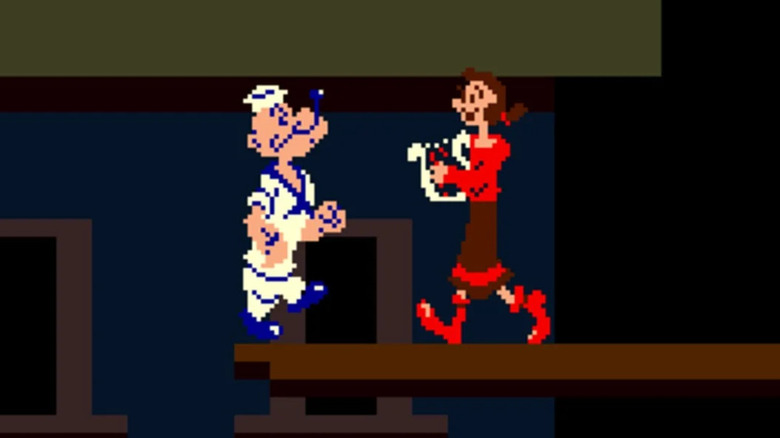
After the success of its 1981 arcade game “Donkey Kong,” Nintendo turned its attention to making an arcade game based on the comic strip character Popeye. The 1982 game has Olive Oyl on top of the stage dropping items for Popeye to catch, with stages ranging from wooden ships to cities. Popeye must avoid various enemies prowling on every level, including his old nemesis Bluto, but Popeye can temporarily fight back if he eats a can of spinach. Popeye can also rely on his punches to eliminate dangerous items and knock down objects to fall on Bluto.
Popeye is the surprising cartoon character that led to the creation of Mario, so it was somewhat poetic that Nintendo got to make an official game based on him. The game was ported to a variety of home platforms in the ’80s, including the Nintendo Entertainment System and Atari 5200, but not since 1984. There have been remakes of the game, including a 2021 3D take on the title for the Nintendo Switch, but as far as the original 1982 arcade title, “Popeye” remains one of those forgotten arcade games based on a cartoon.
Metal Hawk
Bandai Namco Entertainment
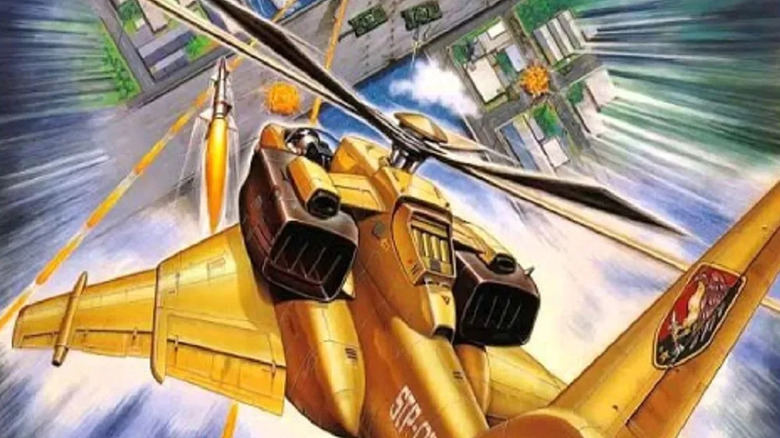
With so many top-down shooters crowding the market as the ’80s progressed, Namco looked for ways for their titles to stand out. Among the most innovative was the 1988 game “Metal Hawk,” which had players sit in a one-person motion simulator. The seat moved based on the player’s movements, as they flew a helicopter into a warzone and, in contrast to other shooters, were able to change the vehicle’s altitude. The player helicopter was fitted with machine guns and missiles as they took on waves of enemies attacking by air, land, and sea.
Because of the amount of floor space that “Metal Hawk” took up, it wasn’t as mass-produced as other conventional arcade cabinets. As such, the units that were produced have since become expensive collectors’ items on the second-hand market. The game wasn’t ported to home platforms during its initial run, with a port planned for the Sega CD reportedly canceled before its completion in the early ’90s. Though Namco released a pared-down version of the game on PlayStation 4, the full ambitious motion simulator experience wouldn’t be replicated outside of its original version.
Willow
Capcom actually published two different video games in 1989 based on the cult classic ’80s fantasy movie “Willow.” In addition to the version released for the Nintendo Entertainment System, Capcom developed and published a separate title for arcades. Whereas the NES game is an action RPG, its arcade counterpart is a platformer that has Willow and Madmartigan protect the baby Elora Danan from the evil Queen Bavmorda. Willow relies on magical attacks to take on enemies, while Madmartigan features a standard hack-and-slash moveset with his sword.
A forgotten arcade game based on a popular movie, “Willow” is one of the more impressive arcade action platformers of its era. Reviewers compared the gameplay to Capcom’s other fantasy franchise, “Ghosts n’ Goblins,” while its comparative difficulty was much more accessible than that notoriously rage quit-inducing series. This version of “Willow” was never ported to home platforms, leaving NES owners with a completely different title despite being based on the same movie. With Capcom’s use of the “Willow” license since expired, neither of its tie-in games have yet to be re-released.
Galaxian3: Project Dragoon
Bandai Namco Entertainment
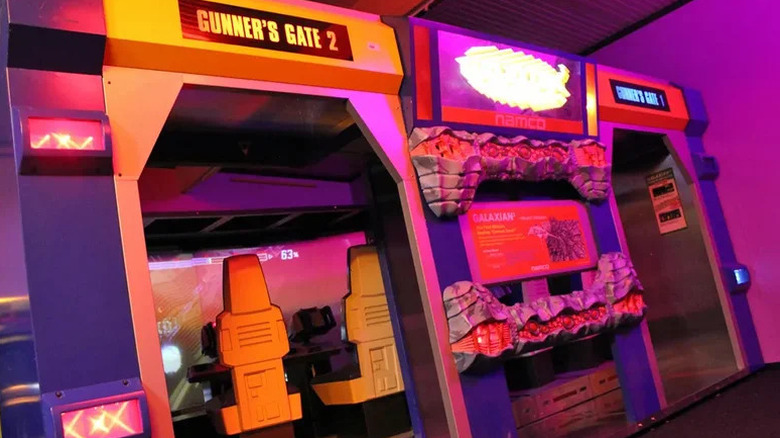
Another arcade game that has become an exceedingly niche title because of its cabinet’s design, 1990’s “Galaxian3: Project Dragoon” is an enormously ambitious space shooter. Powered by LaserDisc technology, “Galaxian3” has players take on incoming waves of enemy space ships rendered in 3D. Initially developed as an experience for the International Flower Exhibition in Osaka, the original version of the game supported up to 28 players in a circular room. A smaller, six-player variant was introduced in Japan and North America for wider release, but still took up considerable floor space.
Because of the sheer scale of “Galaxian3: Project Dragoon,” neither the 28 or six-person versions of the game were ever ported to home platforms. A remixed four-player version was ported to the PlayStation in 1996, but only for the Japanese and European markets. Outside these regional exclusive ports, only a limited number of the six-person “Galaxian3” were ever made, making them worth a fortune today. But as far as the original 28-person “Galaxian3,” complete with hydraulics to simulate the feeling of riding a spaceship into battle, that gameplay experience has since vanished.
Cadillacs and Dinosaurs
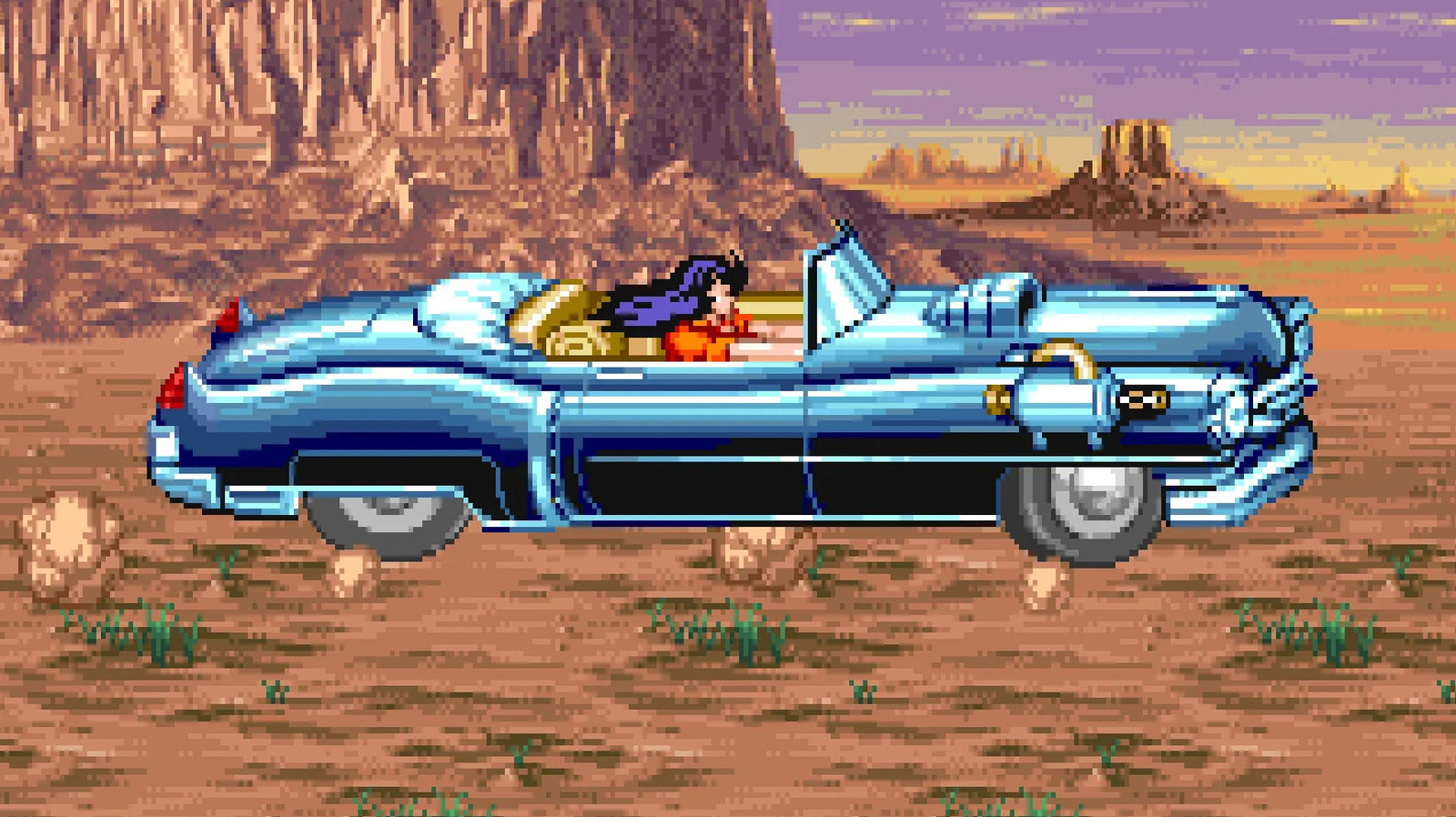
It’s a safe bet that many gamers today don’t know about the 1993 animated series “Cadillacs and Dinosaurs,” let alone that it got an arcade game tie-in the same year. Developed and published by Capcom, the game is a side-scrolling beat-’em-up like Capcom’s other titles in the genre, including “Final Fight” and “The Punisher.” Up to three players can choose between four characters from the show, each with their own unique moves and team-up attacks with corresponding allies. Like the animated series, the game is set in a 26th century where humans and dinosaurs coexist, with the players battling villainous poachers who have turned dinosaurs feral.
Contemporary critical reception to “Cadillacs and Dinosaurs” was largely positive, with reviews complimenting the game’s presentation and abundance of features. However, like the arcade version of “Willow,” the cartoon tie-in game was never ported to home platforms. Because Capcom’s license for the source material has long since expired, the game hasn’t been re-released, unlike other Capcom-licensed arcade classics such as “The Punisher.” That makes “Cadillacs and Dinosaurs” one of the most obscure Capcom beat-’em-ups, and one sorely in need of remastering for modern platforms.