
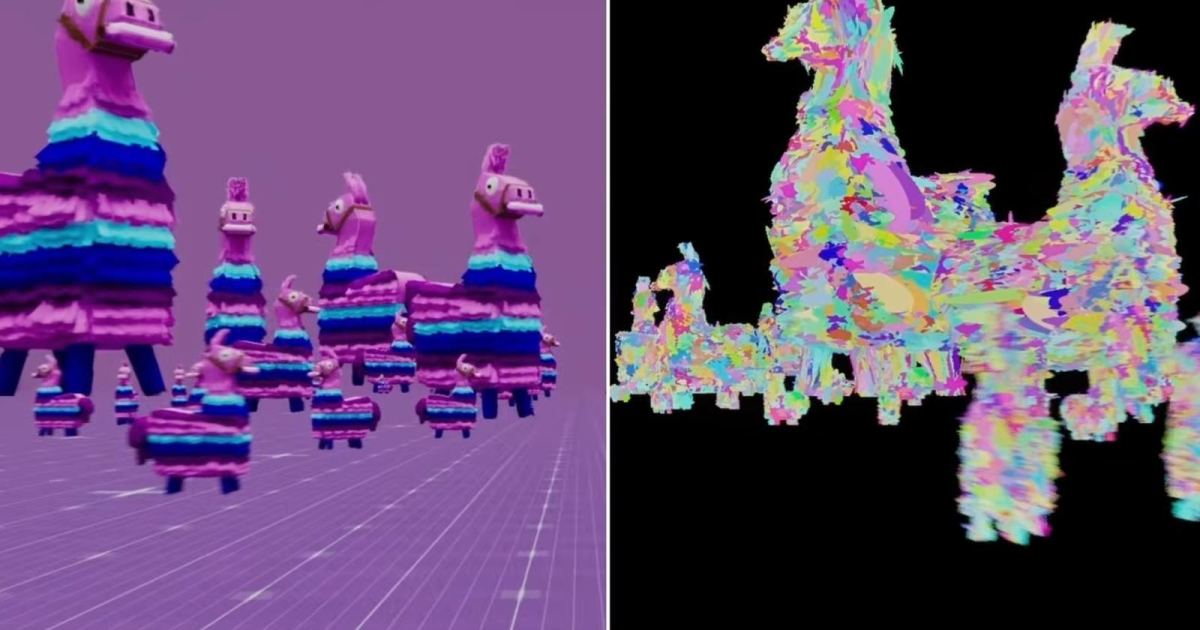
Rendering really large Gaussian Splatting files is always challenging. To do it in real-time, you have to manage VRAM carefully, sort millions of splats efficiently, and only draw the ones that actually appear on the screen. Tim Chen has released NanoGS, a free plug-in that handles optimization, making it possible to render large 3DGS files directly within Unreal Engine more efficiently.
NanoGS uses Nanite-style LOD clusters, screen-space error LOD selection, splat compaction, global accumulator, and GPU-accelerated radix sort. You can watch the video above to see how it works and download the plug-in by clicking this link.
The developer describes NanoGS as more of a proof of concept at this stage, so don’t expect perfect results and feel free to report any issues on the GitHub page. Still, the community response has been very positive, with many users reporting that it works well for their projects.
For best results, Tim recommends splitting a large Gaussian Splatting file into smaller pieces, such as individual props for cinematic scenes or tiles for geospatial data. The repository includes a simple Python tile slicer to help with this.
Follow the developer on LinkedIn for more tools and projects: