
I’m not sure exactly what made me think about this, but the concept of translation was on my mind this morning. Not necessarily linguistic translations, though that is a whole interesting subject of its own, but more transitions of things between types of media and technologies, and how challenging that can be. And, because my default settings tend to revert to things that, you know, don’t really matter, the example that popped into my head had to do with cars and obsolete technologies.
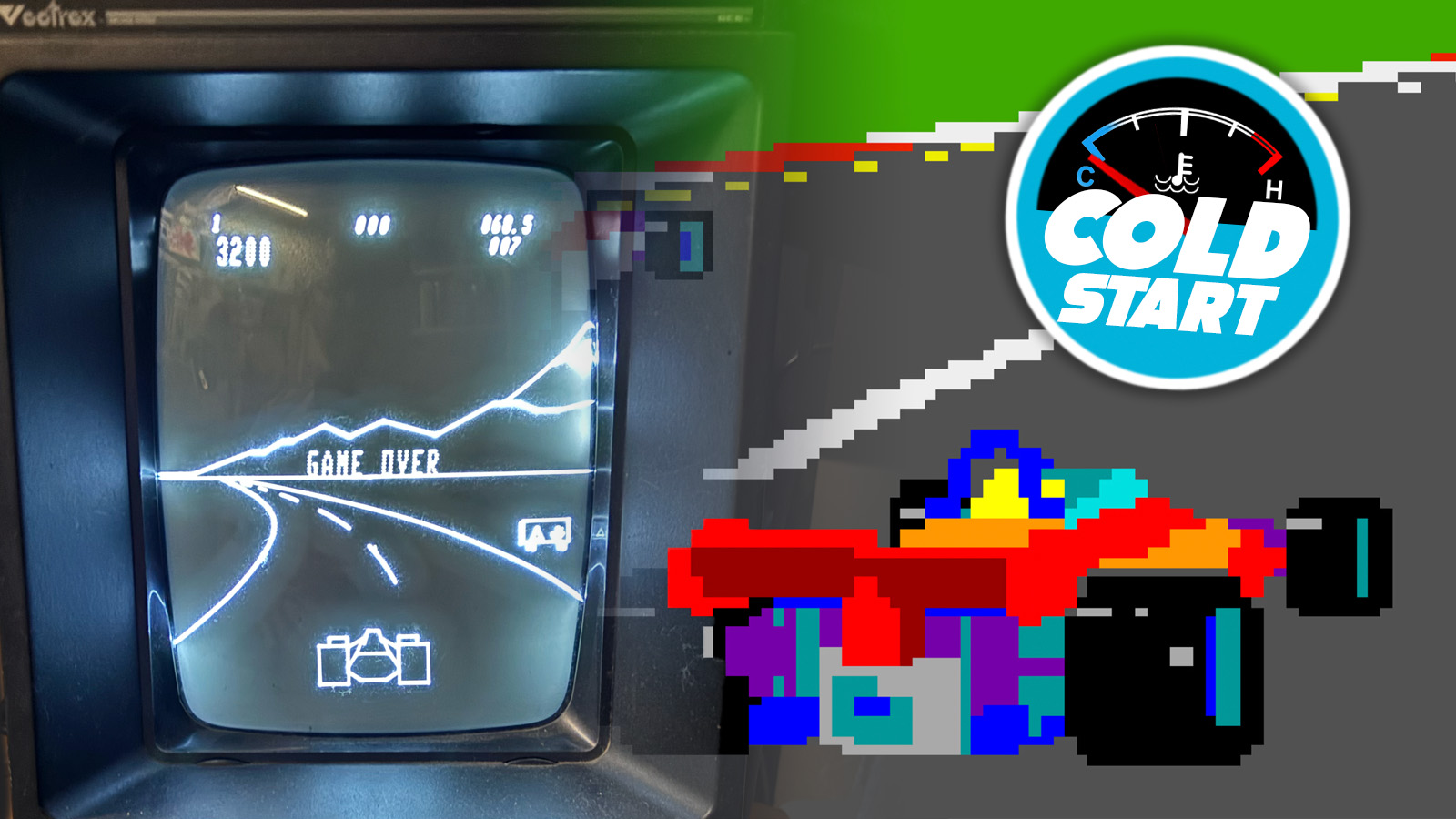
Specifically, I was thinking about the design challenge that arose when the iconic Namco/Atari arcade racing game Pole Position had to be translated for use on the Vectrex, the only home video game console designed to use vector-style graphics as opposed to the far more common raster.


Are you familiar with the Vectrex? I did a whole video about it for the Old Site a few years ago:
The way the Vectrex produced graphics wasn’t just a stylistic difference, it was a fundamental technological difference, with different hardware. That’s why it was the only somewhat-major home console that couldn’t just be connected to your television; it had its own built-in CRT, which was needed because it worked differently than a television CRT. Where a normal raster CRT’s electron gun scans side to side and illuminates discrete pixels to form an image, a vector scan display draws images point to point, creating perfectly straight lines between points. None of that diagonal line stair-stepping effect, just lines that look like they were drawn with a protractor.
There were a number of video games of the era that used this approach, like Asteroids and Tempest, and I think there were some CAD systems back in the day that used this method. Here’s an illustration, if that helps:
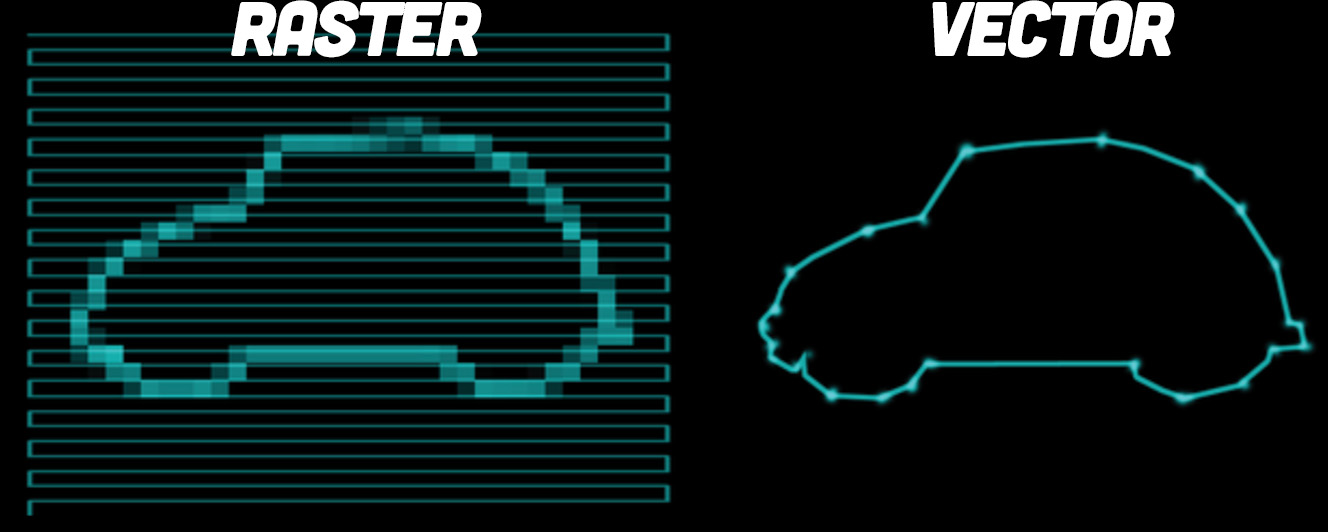
See the difference there? Dots vs. lines, basically. And while vector scan was great for some kinds of images, especially precision wireframe sorts of things, there was lots it just couldn’t do, like big filled-in areas of color. That’s why I was thinking that the translation of a game like Pole Position, known for its rich, colorful, realistic (for the era) graphics, would have been such a challenge for the Vectrex.
Here, let’s compare the arcade Pole Position with the Vectrex version:
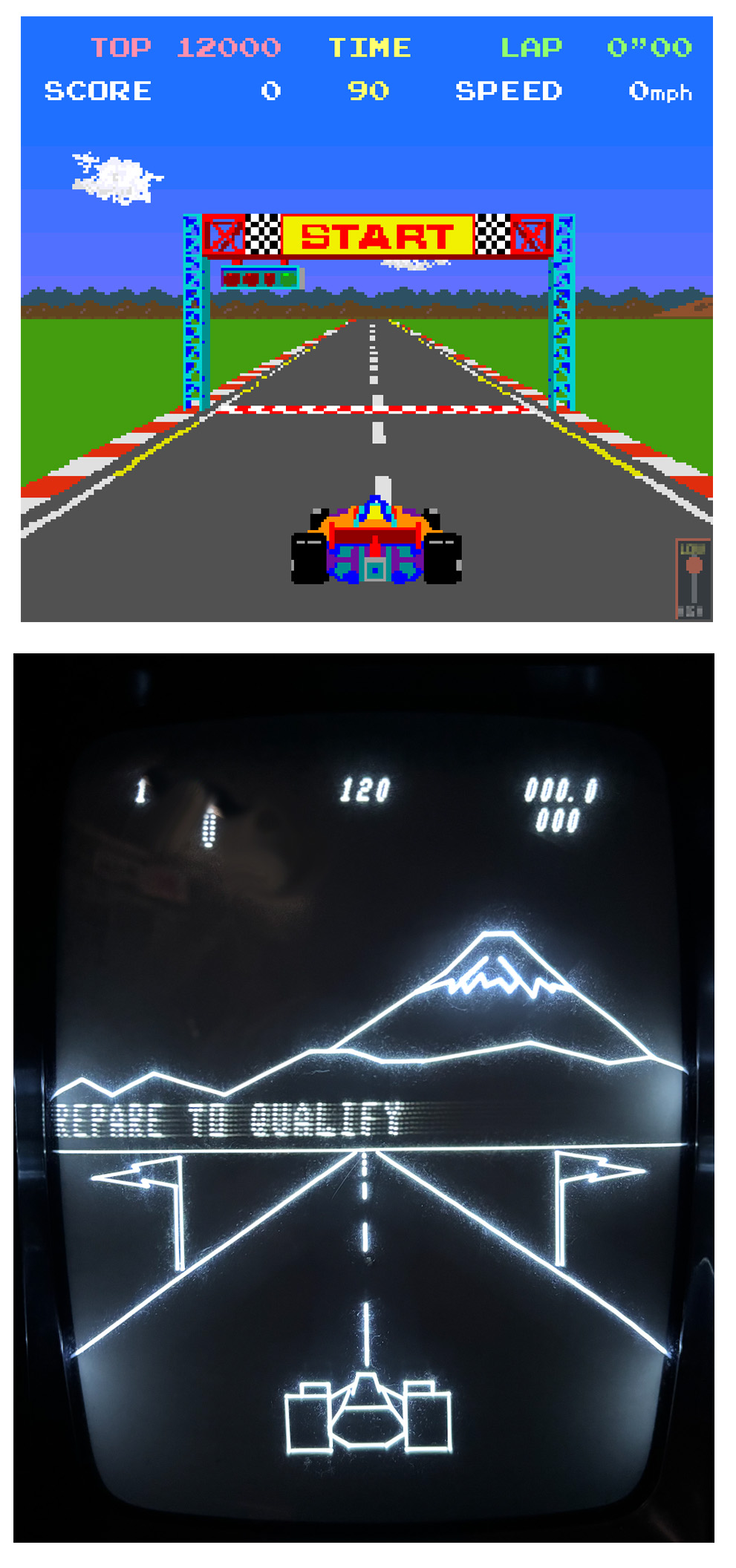
It’s very different, but I think it works remarkably well. All of the key elements are there, and it still feels like the original game, even if it looks significantly different, owing to the very different display technologies. The programmer of the Vectrex conversion of Pole Position wasn’t widely known until 2024, when an Easter Egg in the original code was found that just displayed the words “THE KID.” The Kid himself eventually came forward and told the world his actual name: Joel Hassel.
I especially like how Hassel translated the quite detailed player’s car for the Vectrex version, which was a pretty tricky task. Not only could the Vectrex only produce straight lines, but the number of lines wasn’t unlimited. The limitations of speed and memory meant that the number of line segments needed to be kept fairly low, and I think Hassel did a great job of that, with the whole car being a mere 25 line segments in its central position.
Let’s look in detail at how the car was translated from raster to vector:
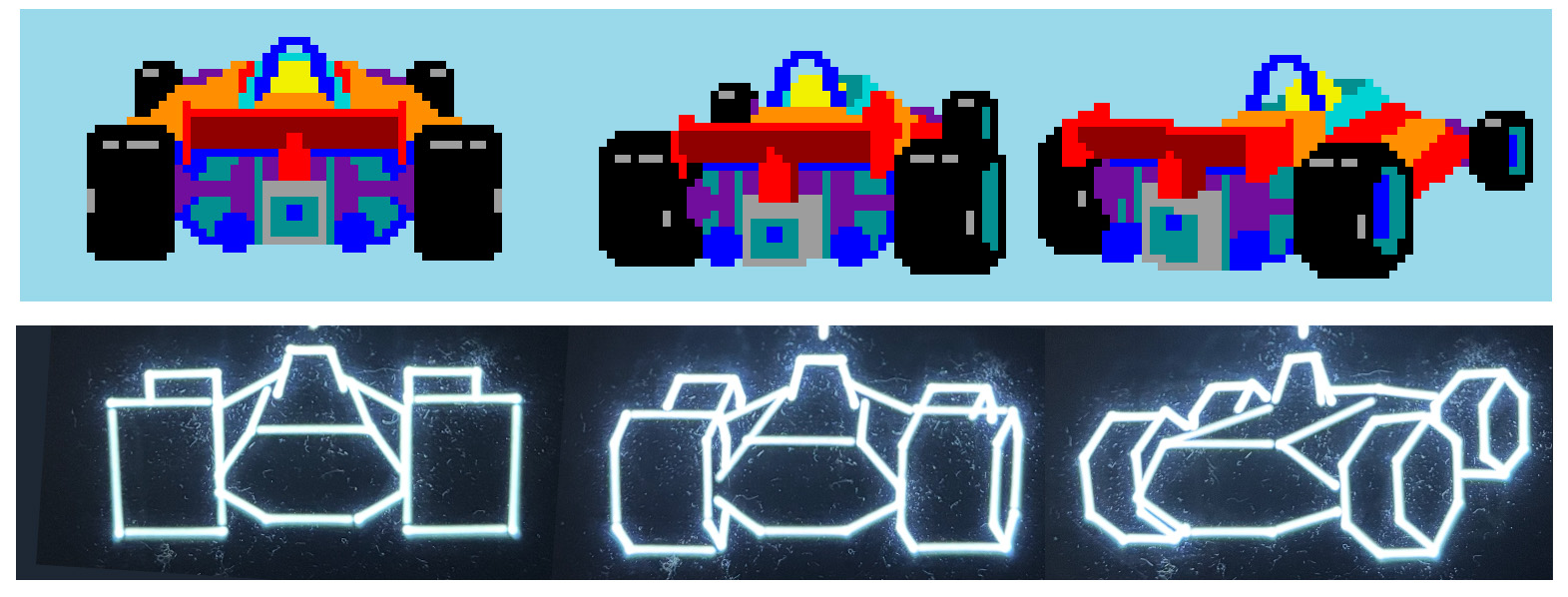
I don’t know exactly why I find this so satisfying, but I have a weird fetish for restrictions and how they force creativity, and I think this is just a really compelling visual example of that. The visual tools here are so divergent, but you have to admire how Hassel captured the look of that car. The widened hexagonal rear section fits well, the two angled lines from the upper corners of the rear hexagon define the body and give it visual, foreshortened length, the wheels feel like chunky F1 tires even if they’re essentially extruded hexagons, too.
Am I fixating too much on these details? Maybe. Probably. But I love seeing a design challenge met, and I think the Vectrex version of Pole Position is absolutely that. Maybe if you have some difficult hurdle facing you, you can look at this 40+ year old video game and find some kind of inspiration in it. I know I do.