
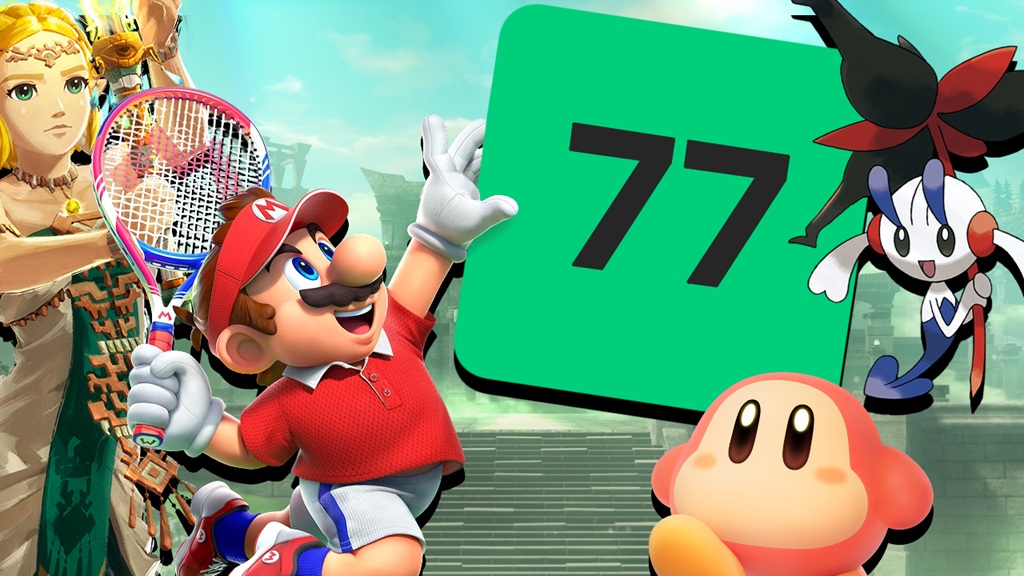
I’ve been having a very unproductive debate with myself lately: are video games getting worse, or are we all just getting older? When I was a kid, every video game was awesome. Super Mario Galaxy was awesome. Super Smash Bros. Brawl was awesome. Wipeout on the Wii was awesome too, even though objectively it’s not even in the same category of quality. Prior to Pokemon Pokopia’s strong reception, Nintendo has been met with some criticism on social media for releasing several games in a row that didn’t get an 80 or higher on Metacritic. It was 79 for Kirby Air Riders, 78 for Metroid Prime 4, 78 for Pokemon Legends: Z-A, 79 for Hyrule Warriors: Age of Imprisonment, and 77 for Mario Tennis Fever. Of course, though, Metascores aren’t everything – it’s actually pretty difficult to give a game an objective numbered ranking, and I’m saying that as someone who reviews a good number of games.
So today, we’re not only talking about the four games in question, but of review scores, Metascores, and opinions of video games in general. Are Nintendo’s newest four titles actually undercooked, or do we lose a sense of wonder, enjoyment, and appreciation as we get older? Probably mostly the latter, if we’re being honest, but let’s discuss anyway.
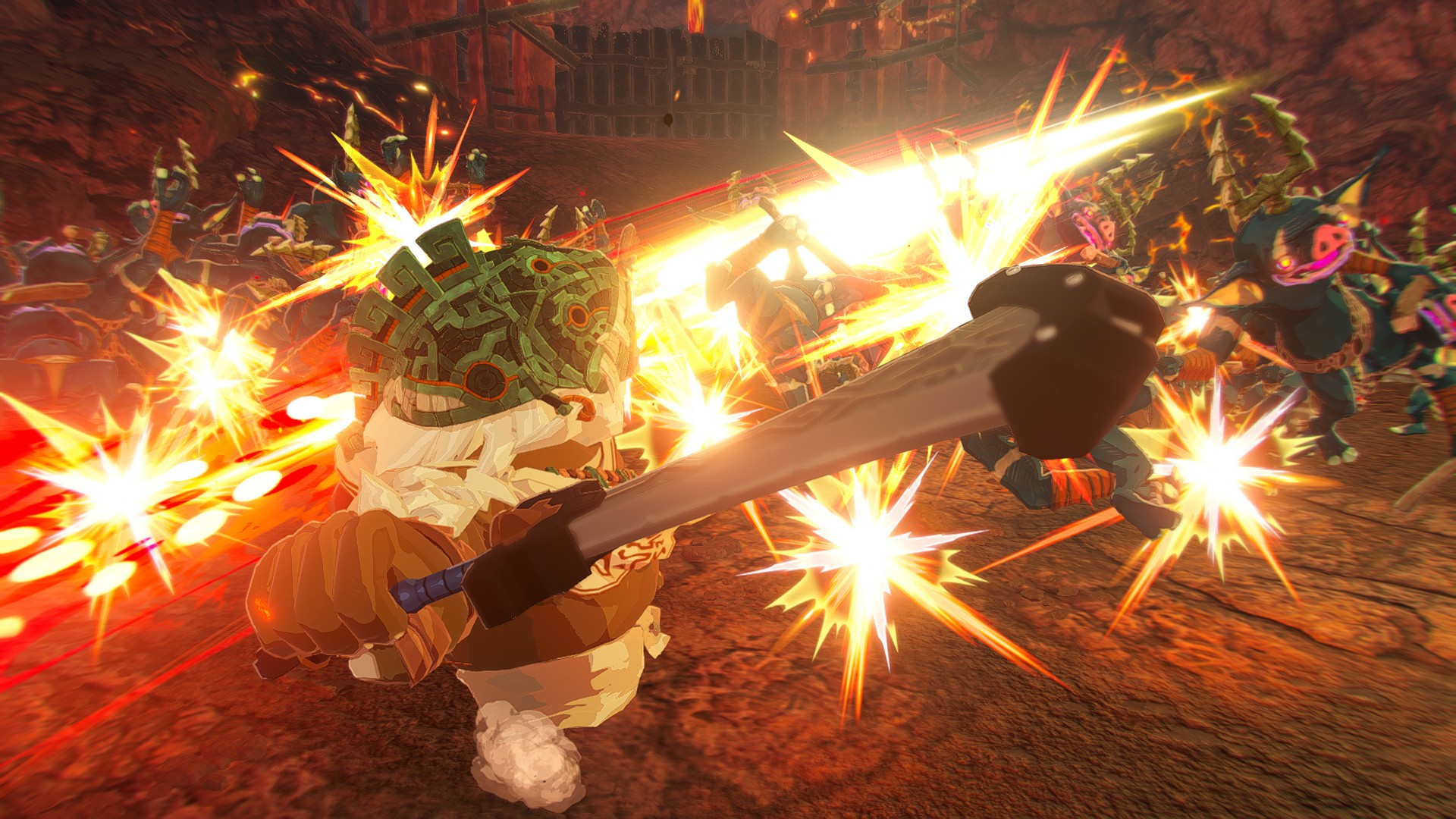
Let’s start off with Age of Imprisonment, which currently has a 79 score on Metacritic. Hyrule Warriors is already a somewhat niche series – it sells well, certainly, but what I mean is that it appears that the franchise doesn’t seem to be capable of exceeding an 80 on Metacritic just because of the way it’s set up. The core mechanics are certainly there, but most players will consider Hyrule Warriors to be a “shut your brain off”-type game where you mindlessly hack and slash hordes of enemies. That concept kind of limits the games from a critical standpoint – is it really possible for a Hyrule Warriors game to get a 10/10? Of course, a game doesn’t need a perfect score to be fun by any means. If you look on Metacritic, Hyrule Warriors has a 76, Hyrule Warriors: Definitive Edition has a 78, and Hyrule Warriors: Age of Calamity also has a 78. Let’s look at that, then: Age of Calamity, the most recent game in the series prior to Age of Imprisonment, has a 78 whereas the latter has a 79. By comparing these two games from Metascore alone, you would think “oh, Age of Imprisonment isn’t much better than Age of Calamity”. As someone who’s played both, that’s not true – I think Age of Imprisonment is a huge improvement, but because it’s a Warriors-style game, it winds up somewhat limited from a critical standpoint.
Age of Imprisonment’s most notable improvement over Age of Calamity is its performance. The game targets 60 frames per second, even in handheld, and it actually manages to keep that target for the most part. There are frame dips here and there, but nothing that ruins the experience by any means. Quite honestly, Age of Calamity barely ran on Nintendo Switch – it targeted 30 frames per second, but often dipped into single-digit frame rates during special moves and especially in split-screen multiplayer. Going back to Age of Calamity after Age of Imprisonment is kind of a nightmare. How did we play that? And whereas Age of Calamity has this weird alternate timeline plot that incorporates time travel and such, Age of Imprisonment is a true canonical tale of the events that took place before Tears of the Kingdom. I’d say the only thing Age of Calamity has over Age of Imprisonment is its character roster, which is only made possible via the aforementioned time travel shenanigans. In comparison, Age of Imprisonment’s roster is plain and has a lot of “who are you”-type characters, and that’s mostly in part because it remains a canonical story. I think the trade-off was worth it.
The point is, though, Age of Calamity and Age of Imprisonment received extremely similar Metascores even though the latter is, in my opinion, a much better and more polished game. But again, it would be very difficult, if not impossible, for a Hyrule Warriors game to earn a score in the high 80s on Metacritic. That would put it above the Link’s Awakening remake, Echoes of Wisdom, and Four Swords, while being on par with Majora’s Mask 3D and Wind Waker HD. That doesn’t seem right! But in summary, I don’t think it’s fair to say that Nintendo’s quality output has decreased and point to a Warriors game as evidence. Age of Imprisonment is an improvement, even if it’s not perfect, and it was always going to score around the same as previous entries in the series.
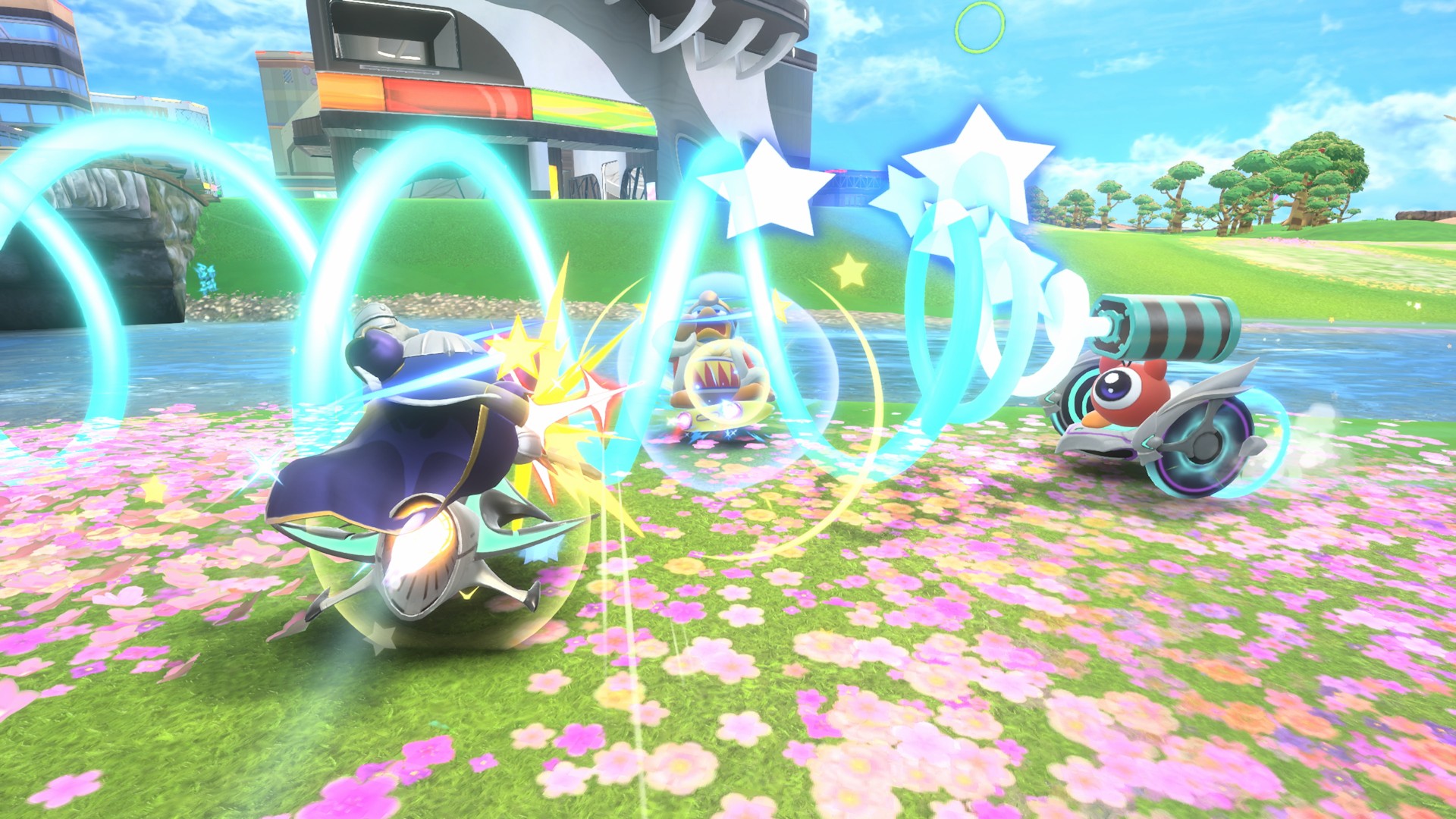
The next game we’re talking about is Kirby Air Riders. How did this score a 79?! I have over 150 hours on the game already, and it’s probably my favorite Nintendo Switch 2 exclusive alongside Donkey Kong Bananza. If you take a look at its Metacritic page, you’ll notice its user score is 8.7 – much higher than the 79 critic score. Now, user scores can be easily review bombed, so just like critic scores, they aren’t to be taken as fact. But I think with Kirby Air Riders, there’s definitely a moment where everything “clicks” that some critics didn’t get. The biggest reason I love this game is that it feels complete on launch. Racing games from major publishers often launch with the expectation that there will be DLC that adds all kinds of content, courses, and characters. You play through everything the game has to offer, and then your brain immediately goes to “I can’t wait for the DLC!” With Kirby Air Riders, all of the content came complete on the cart. You’ve got Air Ride, Top Ride, and City Trial as the main modes, so if one isn’t quite your speed, you can focus on another instead.
It also helps that City Trial is really, really fun. Plus, there are over 50 Stadium events that can happen at the end of each round, which helps keep the mode feeling fresh and new even though it always takes place on the same map. I do think additional maps would have been nice, even if it’s unrealistic to want more. The controls are simple enough to be accessible by anyone, but there’s a steep learning curve afterward for those looking to delve deep into the action. Despite that learning curve, though, it isn’t like you’ll need to look up YouTube tutorials just to be able to hold your own online – as you try out different characters and machines, you’ll improve your gameplay naturally over time, which feels like a satisfying pay-off. You can also try Road Trip, the game’s story mode, to hone your skills. Multiplayer is fun, the character roster is solid even though it’s missing Elfilin, and you can even train up amiibo racers if you have an extra $50 laying around… Maybe we should leave that last one off when it comes to talking about how good Kirby Air Riders is.
Even though Kirby Air Riders only received a 79 on Metacritic, I believe the game is much better than that number implies. It’s extremely chaotic, and maybe some players will get headaches from all the action (or so I’ve heard), but that’s not an issue I’ve had myself after over 150 hours. This is a game that’s going to prove its worth over the next few years – it’ll be nice to pop it open every week or so to play in short bursts online. So as it turns out, Kirby Air Riders can’t really be used as a point against Nintendo in this case either. It’s incredibly high-quality, and its Metascore doesn’t reflect that.
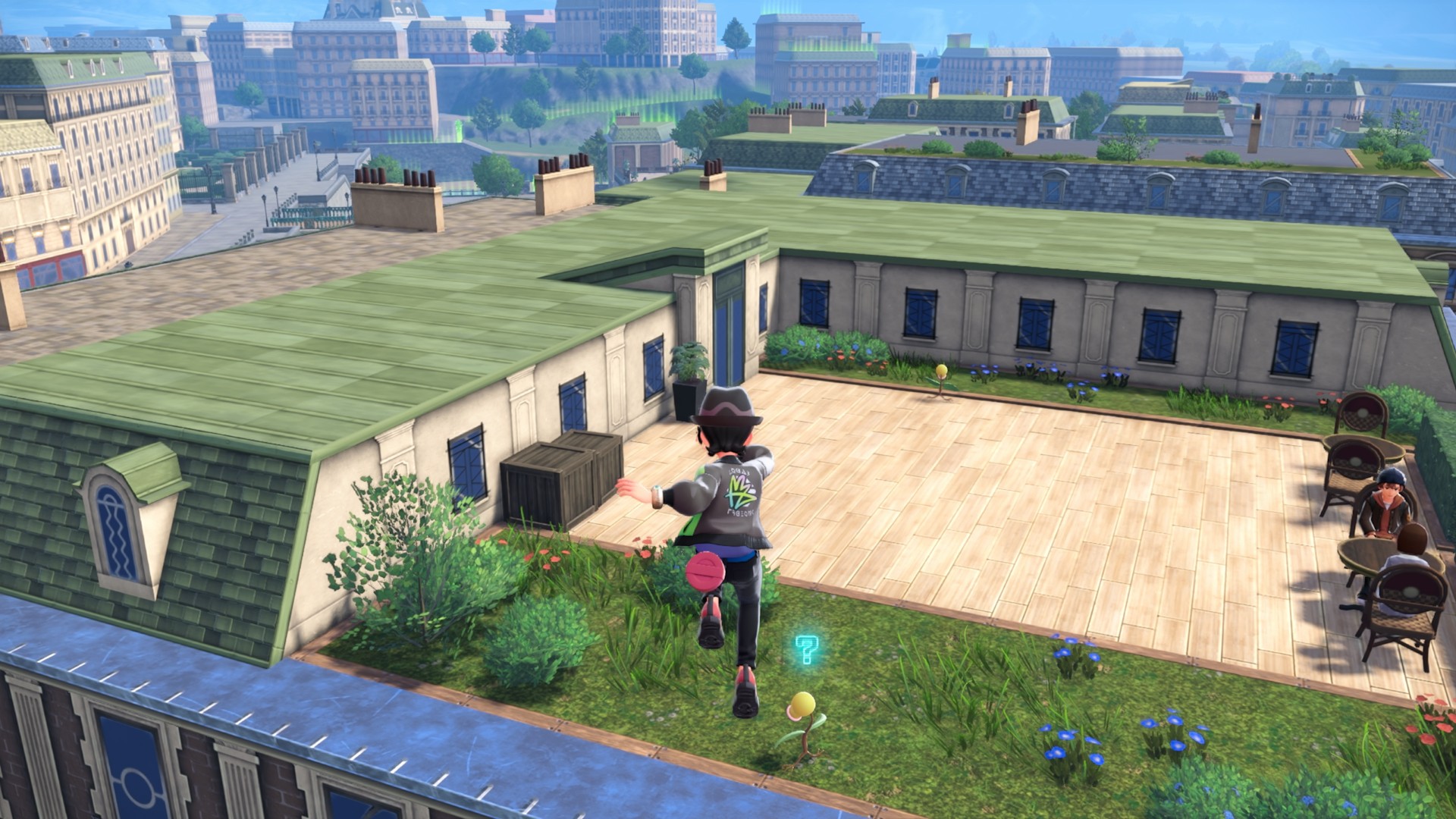
Next up is Pokemon Legends: Z-A, and you’ll notice that my tune is going to change a bit with this one. As someone who’s played over 120 hours of the game, this one’s very strange – I’d give the base game a 7/10, but I would actually lower that score to 6/10 with the DLC attached. It’s unusual for a game’s score to decrease when it gets more content, but I think it’s unfortunately true with this one. With new Pokemon games, a term you hear a lot is “a step in the right direction”. And yes, mechanically, this game is indeed that. But at what point do you expect a leap in the right direction rather than just a step? Pokemon Legends: Z-A’s greatest flaw isn’t one that’s shared by any previous game in the franchise, but rather one that’s all its own: its insistence on keeping the player confined to Lumiose City. Outside of one tiny area at the end of the DLC (and you can’t catch Pokemon in it), the player spends the entire game’s runtime within Lumiose City, which results in a dire lack of visual variety. If the DLC added new routes outside of Lumiose City to catch Pokemon on, I think my opinion of the game would be much more positive.
To me, though, it’s clear that the entire DLC was designed in such a way to save money and save the developers from having to make unique areas. Which is a shame, because even though there are still some rough edges, I like the art style this game is going for and want to see how lush forests and rivers and caves and whatnot would look in its style. The city has a tiny bit of variety with the sewers, but it’s not enough. There’s also a very noticeable lack of voice acting, which winds up worse because the cutscenes are designed as if voice lines are being played, but they aren’t. So a lot of the game’s most dramatic moments kind of fall flat because they’re silent outside of music. None of this is even mentioning how incredibly grind-heavy the DLC is, which brings the whole experience down quite considerably in my opinion.
Pokemon Legends: Z-A isn’t all bad, though – I like the battle system, the new Mega Evolutions, the surprisingly funny writing, and the music. But this definitely isn’t one of Nintendo’s highest-quality releases. At the same time, though, it’s Pokemon. It’s been at about this level for several years, if we’re being honest – though hopefully Pokemon Winds and Waves changes that. So that 78 Metascore may seem like another in a long list of Nintendo Switch 2 games that wound up undercooked, but it’s fairly par for the course as far as Pokemon goes. Pokemon Legends: Arceus got an 83 (deserved), Pokemon Sword and Shield got an 80, Pokemon Scarlet and Violet got a 72, Pokemon, Let’s Go: Pikachu and Eevee got a 79, Pokemon Brilliant Diamond and Shining Pearl got a 73 (that seems a little high)… and Pokemon Black 2 and White 2 got an 80. Okay, maybe Metascores really don’t mean much after all.
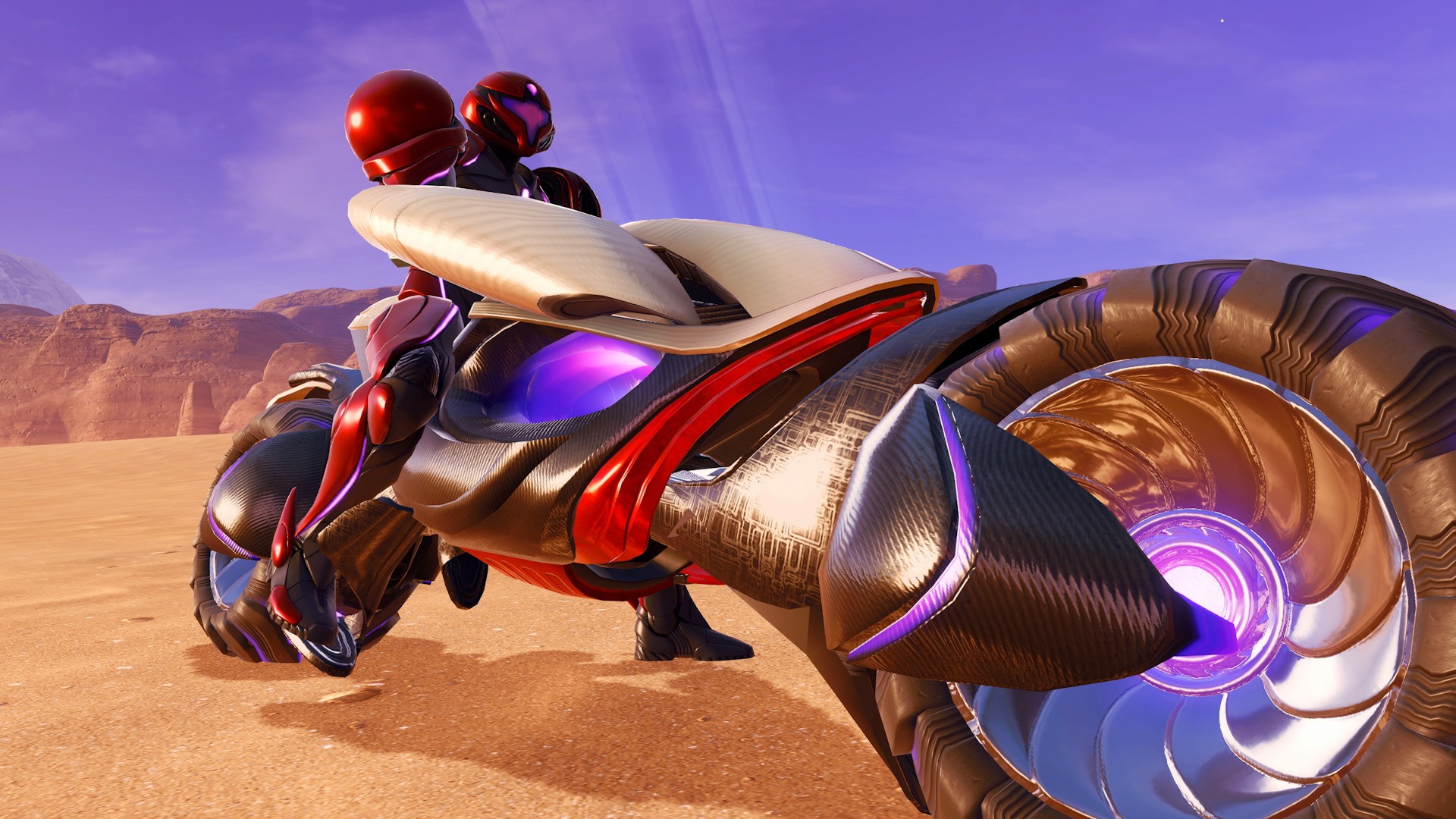
Next up, we have Metroid Prime 4: Beyond, which is another strange case. It was in development for a very, very long time, which raised expectations through the roof. As someone who isn’t a fan of games with a first-person camera, I loved Metroid Prime Remastered – but even though Metroid Prime 4 is technically of high quality, it didn’t capture me in the same way. Much like many players, I lost interest once I arrived at Sol Valley and haven’t picked up the game since. And that’s not because Metroid Prime 4 is bad – it’s definitely not horrible, just misguided. The presentation is absolutely astounding, and the core gameplay (outside of Sol Valley) is solid. But there are so many bizarre design decisions here that bring the game down. The real reason I dropped the game was because I was spoiled on the ending – and without going into details, I wasn’t particularly happy with it. It kind of reminds me of Bayonetta 3 – another game that looks good and has a lot going in its favor, but wound up alienating its player base with characters that weren’t very likable and an ending almost nobody liked. Metroid Prime 4 has a very specific feeling – bear with me here. When I start work on a post or some art, my best work is generally done in the first half. If all goes well, it’s finished within a good time frame. But sometimes, it doesn’t go well, and the project starts to drag on and I start to fizzle out. By the end, I just want the project to be over and done with so I can recharge and do a better job next time. Metroid Prime 4: Beyond, as a whole, feels like the video game equivalent of that sentiment. The graphics team put excellent work in, but the inclusion of Sol Valley, the primary focus on NPC characters (which isn’t inherently flawed, but is very unusual for Metroid), and the extremely linear game direction aren’t what Metroid fans wanted.
That being said, in a vacuum, Metroid Prime 4: Beyond is still a good game. As I’ve said before, comparison is the thief of joy, but it’s kind of impossible to talk about video games without comparing them in some way. It’s still a shame how things turned out – the game was hyped up for years and then fell flat on its face, and now it’s barely in the conversation. Metroid Prime Remastered, despite being a remake of an older title, remains a shining example of how to make 3D Metroid work. Where does Retro Studios go from here, then? Who knows, but hopefully they take the feedback into account if they wind up making another Metroid Prime title.
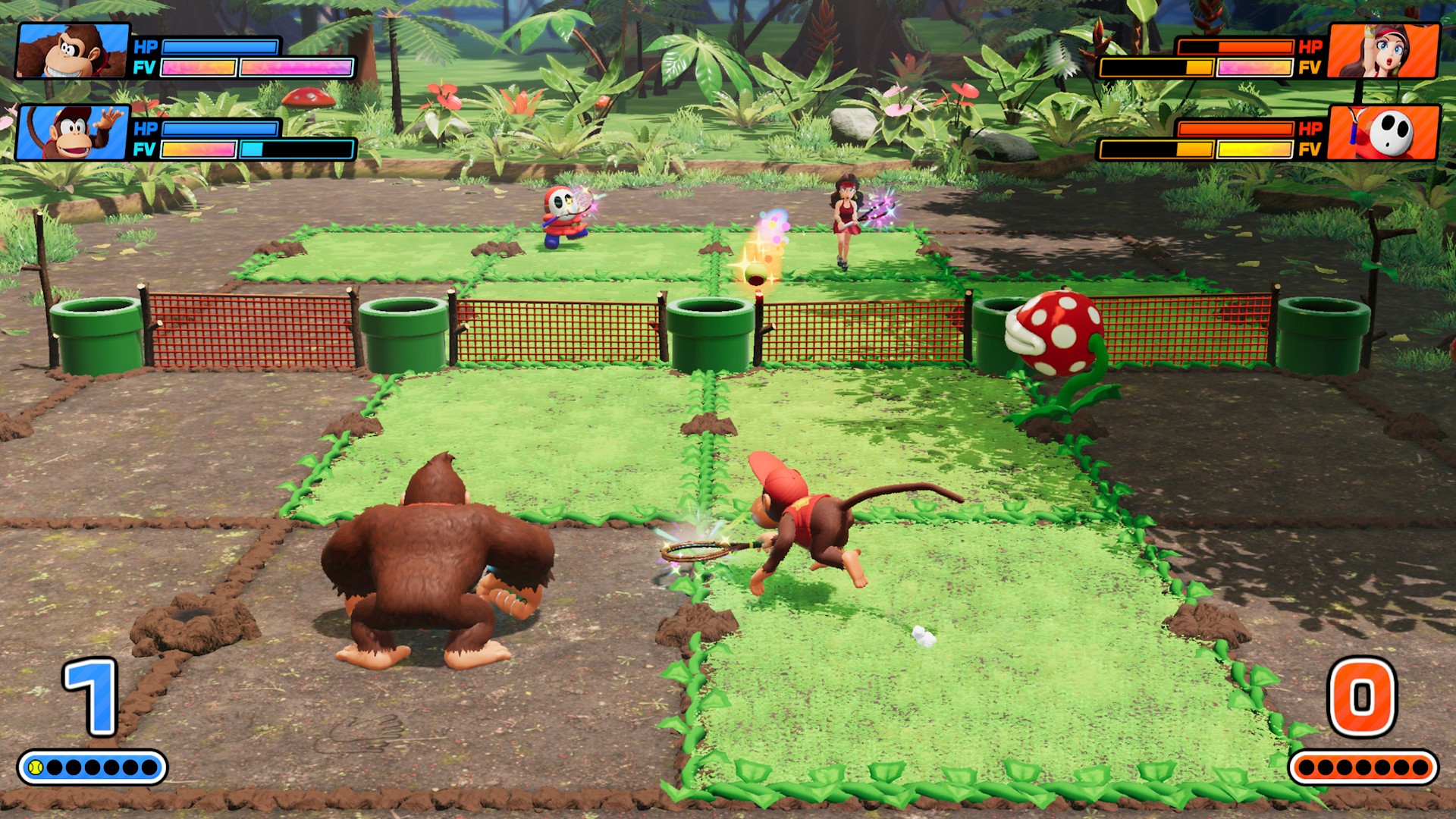
And finally, we’ve got Mario Tennis Fever, which in many ways marks the beginning of a new era of Nintendo sports games. This time around, there’s sufficient content in the base game without having to wait for updates – a huge improvement over Mario Tennis Aces, which launched with an extremely small amount of content in comparison. Aces’ base roster was also missing staples like Koopa Troopa, Diddy Kong, Birdo, Pauline, Shy Guy, and Petey Piranha – these characters had to be added via free updates, which were spread out over the course of roughly a year and a half. Mario Tennis Fever also has a somewhat-hidden 100 Trials mode for single player, which includes 100 unique challenges to earn 3 stars on for 100 percent completion. Pair that with adventure mode, tournaments, score attacks, and Mix It Up modes, and you’ve got a Mario Tennis game that’s looking to be the best one in years…but yes, $70 USD is still too expensive.
Let’s take a look at previous Mario Tennis game Metascores. Fever is at a 77, Aces has a 75, Open on 3DS has a 69, Ultra Smash on Wii U has a 58 (that score ought to be lower), Power Tour on GBA has an 81, Power Tennis on GameCube has an 80, and the original Mario Tennis on Nintendo 64 has a whopping 91. I love Mario Tennis on Nintendo 64, but I do wonder if it would get a 91 if it released today (with updated graphics to match). Regardless, though, even from Metascore alone, it’s clear that Mario Tennis Fever is an improvement on Mario Tennis Aces, Mario Tennis Open, and Mario Tennis: Ultra Smash – not that being better than Ultra Smash is much of an accomplishment, anyway. These days, though, is it possible to see a tennis game become critically acclaimed? Or will it always be somewhat dismissed due to its status as your typical spin-off Mario game?
All of this is to say, for the most part, Nintendo’s recent titles scoring lower than 80 on Metacritic isn’t a huge deal. If we’re being honest, Age of Imprisonment and Mario Tennis Fever were never going to be blockbuster titles with scores of 90+, despite their high prices. Pokemon Legends: Z-A’s under-80 score is typical for the franchise nowadays, though Metroid Prime 4 was certainly a disappointment for many. I do feel that Kirby Air Riders definitely deserves higher than a 79, however.
At any rate, do you agree with the general sentiment on each of these five games? Or do you think one of them is overrated or underrated? Let us know in the comments down below.
Related