
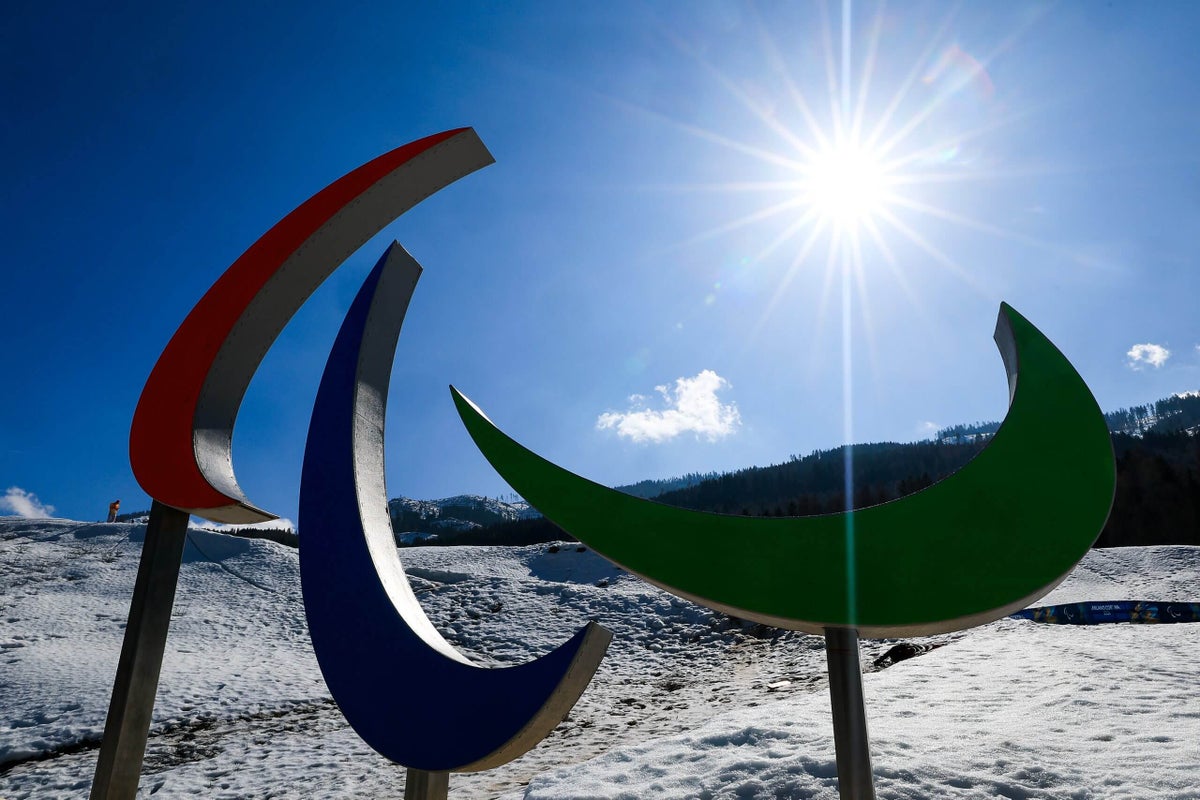
Fifty years ago, in Örnsköldsvik, northern Sweden, the inaugural Winter Paralympics were staged.
There, just under 200 athletes from 16 countries competed in Alpine and cross-country skiing, with ice sledge racing also featured as a demonstration event.
Across the next 12 days in Milan, Cortina d’Ampezzo, Tesero and Verona — the first Winter Paralympics to be hosted across multiple cities — there will be 665 athletes representing more than 50 different nations in six sports throughout northern Italy. Wheelchair curling, sled hockey, snowboard and biathlon have since been added to the two skiing disciplines.
Para sport has grown, and there are no signs of that stopping. The 2o22 Beijing Games had the Paralympics’ best-ever broadcasting numbers, and a record number of women competed. Even more people are expected to engage with these Games because of better time-zone differences for European and American audiences. (The past two Winter Paralympics took place in Asia.)
Though the modern tendency to measure things by numbers — medals, placings, viewership, participation — misses the deeper, more important point. What does this mean to the athletes?
“The progression, exposure and (bigger) events and resorts that host the races for us,” Neil Simpson told The Athletic before the Games. The Great Britain para Alpine skier is the defending Paralympic Super-G champion in the visually impaired category, guided by his brother Andrew.
“You see the preparation that goes on behind the scenes is starting to ramp up. That’s really nice to see it moving towards being viewed similarly to the able-bodied side,” Simpson added.
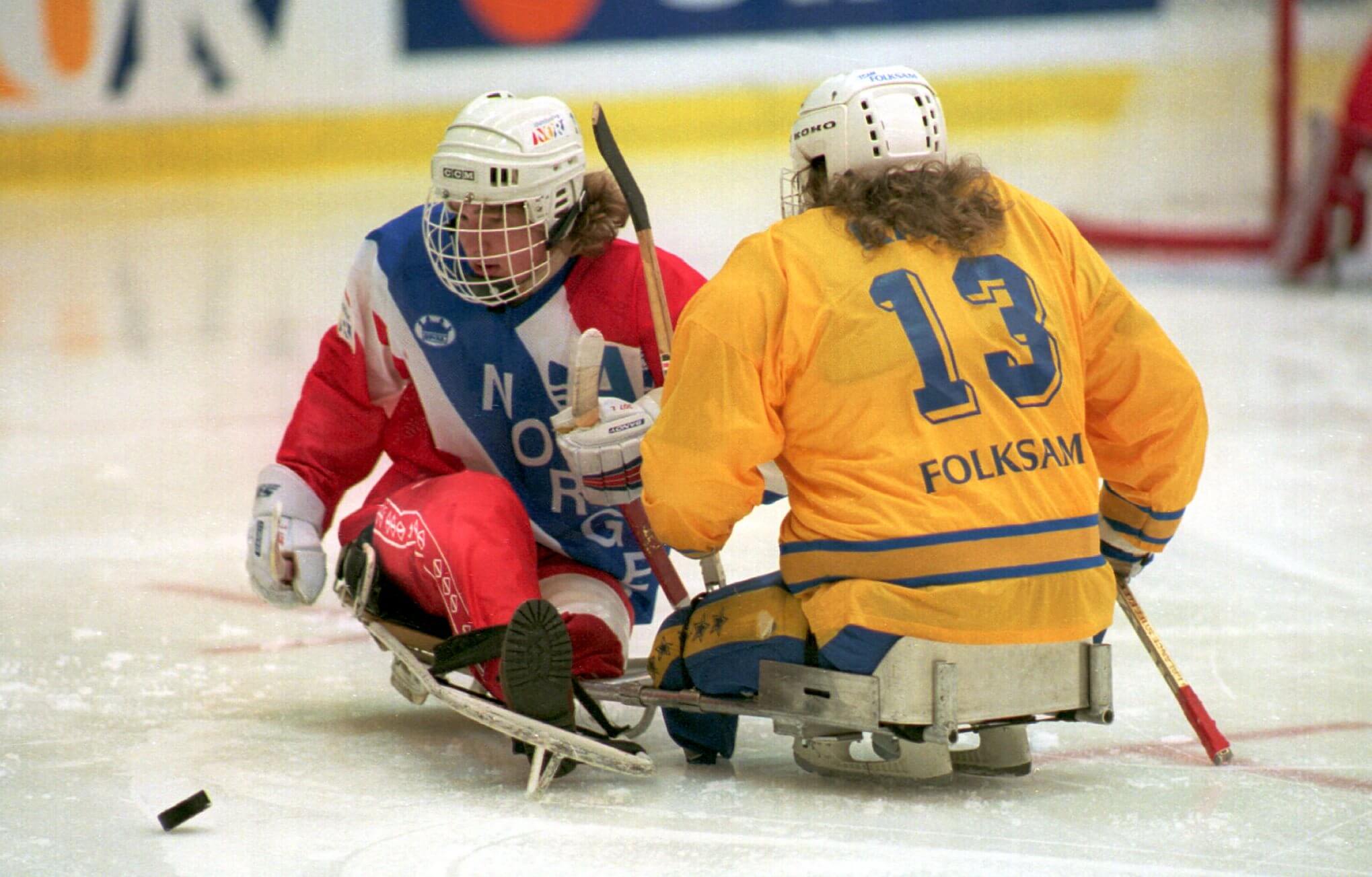
Sled hockey debuted at the 1994 Winter Paralympics in Lillehammer, with Sweden beating Norway for the sport’s first gold medal. (Clive Brunskill / ALLSPORT via Getty Images)
Team GB chef de mission Phil Smith said at a media briefing that “the evolution of the Games has taken us to a place that anyone back in those days (1970s) would not have expected.”
He stressed the significance of competing in venues “steeped in history” — the 1956 Cortina Olympics were two decades before the first-ever Winter Paralympics, and curling will be played in the stadium that hosted the opening and closing ceremonies at those Games. For GB’s kitting-out ceremony, they invited athletes who competed in Sweden in 1976 to talk to those headed to Italy.
The Paralympics is effectively an umbrella term. At these Games, there is a range of athletes with different impairments who perform their sports differently. Some of the athletes here were born with impairments, and competing with them is all they have known. For others, notably servicepeople, Paralympic sport provided new opportunities after serious injury.
Take Steve Emt, the 56-year-old American wheelchair curler. He was a promising collegiate athlete before crashing his car in his mid-20s, while driving under the influence. Emt speaks candidly about it and with immense gratitude for representing his country.
“When I was injured after my crash 31 years ago, I had no idea what the Paralympics were,” he said over a video call in January, just before departing for his final pre-Games warm-up competitions.
“In my 12 years (in wheelchair curling), to see the progress and (increased) opportunity for the Paralympics … even just basic media stuff from zero to blown out. I was amazed by the media in Beijing. Italy is going to be even better. So we’ve come a long way. I’m proud, honored and blessed to be a part of that.”
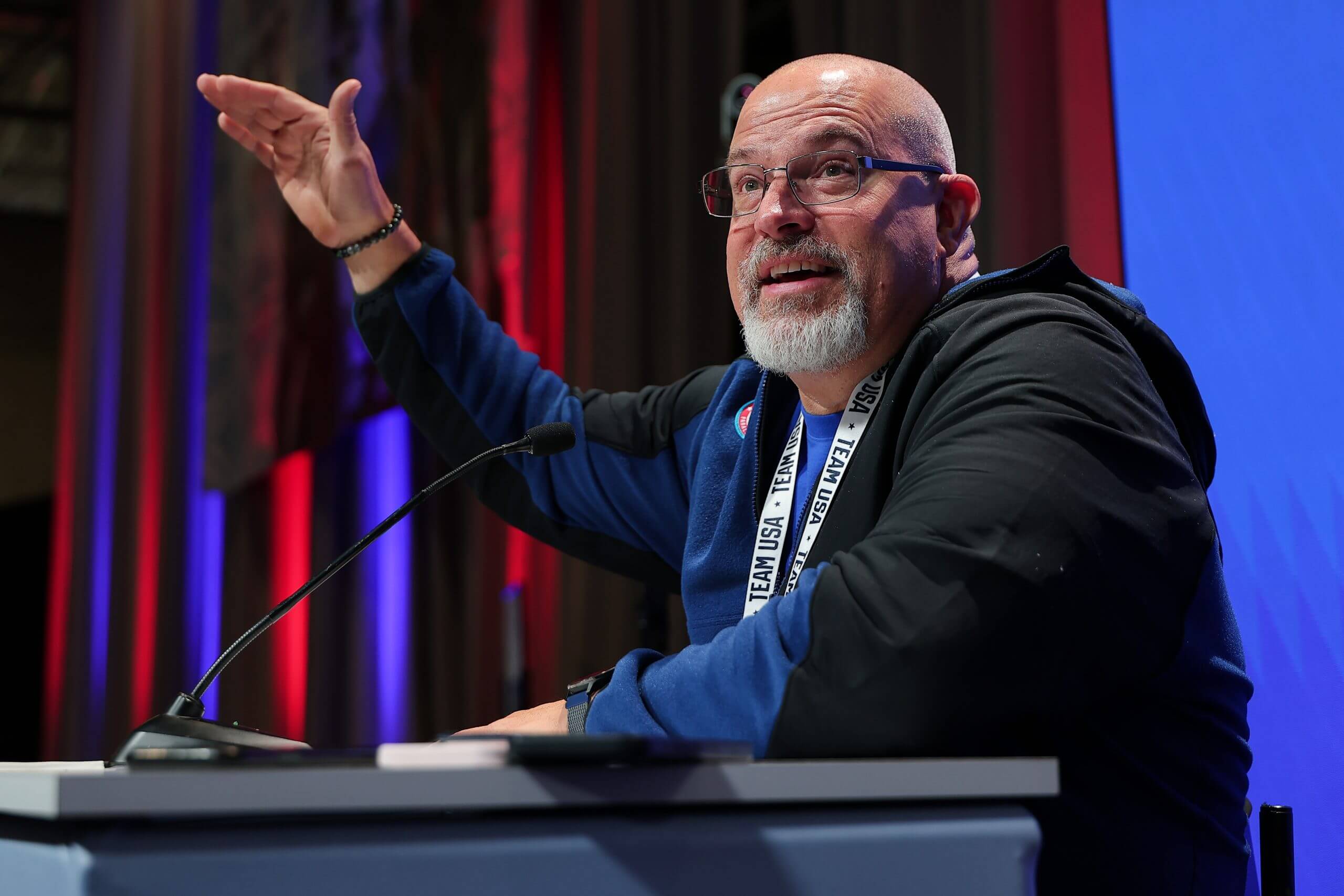
“We’ve come a long way,” American wheelchair curler Steve Emt says of the Paralympics. “I’m proud, honored and blessed to be a part of that.” (Dustin Satloff / Getty Images)
Eléonor Sana, the visually impaired Belgian skier who won downhill bronze in 2018 — guided by her older sister Chloé — has mixed feelings about celebrating the milestone.
“For me, 50 years of the Winter Paralympics, I think it’s really lovely but also not enough,” Sana said. “My dream is that there’s no distinction, that the Olympics and Paralympics can happen together, without a two-week gap between them.
“Of course, para athletes need to have an advantage (and adaptations) because of their impairments, but it would be great if there was true inclusion. I was so proud to have participated.
“It’s good that there are many more resources available to support the athletes. I don’t want to say they can make a living from it because that’s not the case, but they can (now) perform and show what they’re capable of. I hope that the Winter Paralympics lasts a really long time, and that we can add more sports little by little.”
Sana’s underlying point is that, compared to Olympic disciplines, Paralympic sport is significantly underprofessionalised and still in its infancy. Only in 1989 did the International Paralympic Committee (IPC) form, nearly an entire century later than the IOC, its Olympic equivalent.
Part of the IPC’s three-year strategic plan launched in 2023 was to “continue to build a professional organisation.” The committee said it is exploring ways to grow the Winter Paralympics.
“Every single year, it grows, and every single year, it increases,” U.S. Alpine skier Andrew Kurka said. “I mean, we didn’t even get money for medals until Pyeongchang, which was eight years ago. That was halfway through my career.”
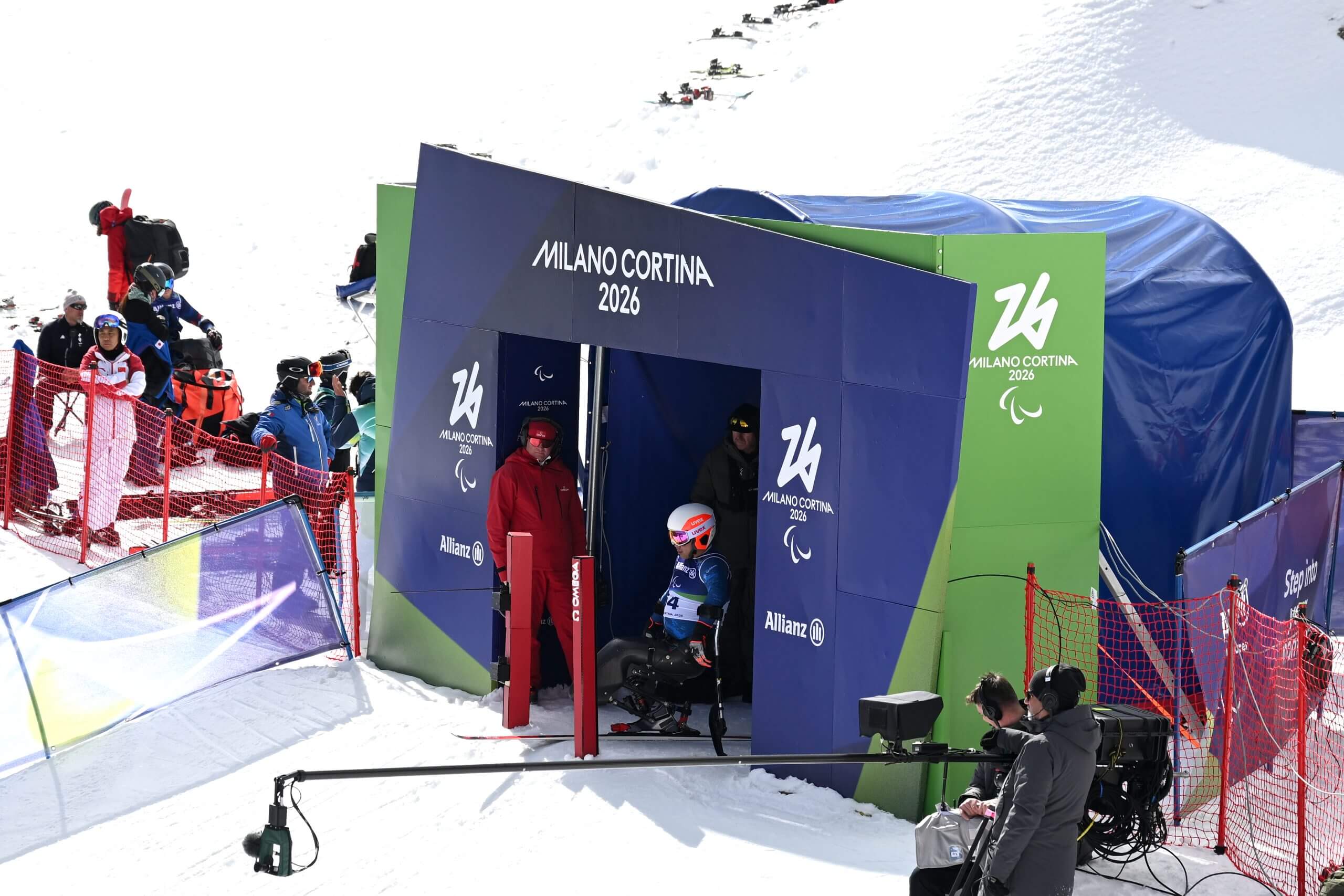
The Winter Paralympics will unfold at many of the same venues as last month’s Olympics. “I think it’s really lovely but also not enough,” para Alpine skier Eléonor Sana says of the progress. (Dario Belingheri / Getty Images)
Fundamentally, the Games have their origins in the disability rights movement of the 1970s. Then, activists lobbied for more inclusive legislation and legal protection.
The social model of impairments is particularly relevant within sports. This can be traced to Mike Oliver, an English academic, in 1983, and it argues that the traditional “medical” model (that impaired people are inherently limited) is outdated.
Instead, the social model focuses on systematic barriers, opportunities (or a lack of) and culture. Give para athletes the resources they need, and those limitations quickly disappear.
“The respect for the athletes has grown,” says Dan Brennan, the director of the U.S. sled hockey teams. The U.S. is vying for a fifth straight Paralympic title in the event, which is a mixed-sex discipline.
“I don’t think there’s anything worse than someone calling them ‘disabled’ athletes. I challenge anyone who’s ever played hockey in their life to go out and do what they do,” Brennan continues. “There’s nothing disabled about it — being in a sled with two sticks trying to maneuver, skate and carry the puck with your hands while someone’s trying to take your head off.”
Nowadays, the biathlon has adapted so that visually impaired athletes receive sound signals to guide them when shooting at targets. Wheelchair curlers, like Emt, use sticks to push the stones, and there is no sweeping.
Snowboarding was belatedly added in 2014, after being rejected from the 2010 Games in Vancouver, Canada. Technology has improved so much in design that sit skiers (athletes who use a wheelchair in day-to-day life) can compete on the same courses as Olympians and in all the Alpine events, which involve steep gradients and sharp turns.
The list goes on. Since the 2006 Games in Turin, skiing classifications have become better standardized. Previously, there were dozens of groups based on impairments, all of which competed separately for medals.
This will be the fifth Winter Paralympics in which athletes in several sports are classified based on how they compete: sitting, standing or visually impaired. An entire group races one after another, and their performance is adjusted by a percentage based on the severity of their impairment(s). The result? Bigger and deeper fields and better competition.
Within para sports, there is a general sentiment that the Games are better the more global they are. Like with the Winter Olympics, African countries are underrepresented. Four years ago, China made their mark on home soil — they only debuted in 2002 and had just one medal as of 2018, before topping the table with 61 total and 18 golds in Beijing.
The question, “What are the Winter Paralympics?” is, for many good reasons, becoming much harder to answer in 2026. It means different things to each athlete. For some, it is to be celebrated. For others, a reminder of progress still needing to be made.
— The Athletic’s Charlotte Carroll contributed to this report