
Excerpts:
Armed with a significant amount of funding from Tencent Holdings Ltd, Wildlight began hiring employees and making plans for its first game. The founders knew they wanted to make another multiplayer shooter, but they hoped to avoid the crowded battle-royale market. So instead, they looked to Rust, a survival game in which players can raid enemy bases and build their own. They began constructing levels and designing mechanics for what was envisioned as a survival-focused shooter.
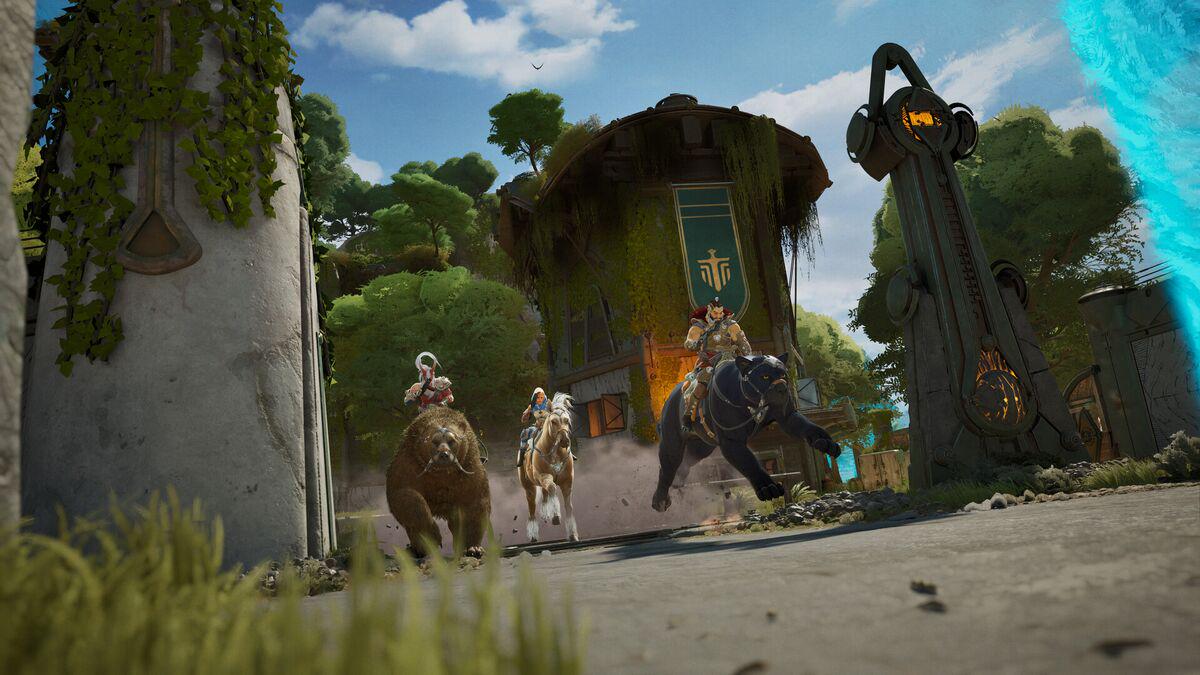
Two years into development, the team realized that the design wasn’t working, in part because of the amount of freedom conflicted with their goals for highly competitive play, according to people familiar with the events. Also, the scope was too big. Still, some parts were salvageable. The base-raiding aspect of the survival game, in particular, seemed worth keeping. In January 2024, the team pivoted to what would become Highguard — a “raid shooter” that streamlined many of the survival aspects into a faster, more competitive game.
People who worked at Wildlight described the studio as a healthy, collaborative, transparent environment that made many of them love working there — at least until the final two months. At that point, they said, morale began to tank, and there were no straight answers about what success would look like, leading staff to grumble that they might be approaching things the wrong way…..
…..When asked what they thought went wrong, several former Wildlight developers used the word "hubris" – a belief by the company's leadership that they emulate what had worked in the past with Apex Legends, no matter how much the gaming landscape had changed since then. After all, they'd made one of last decade's biggest hits.
Today, less than 20 people remain at Wildlight. They are continuing to update Highguard with the hope of salvaging the game and bringing players back — although it may be an uphill battle. On Thursday, the game’s Steam concurrents had fallen to below 600.