
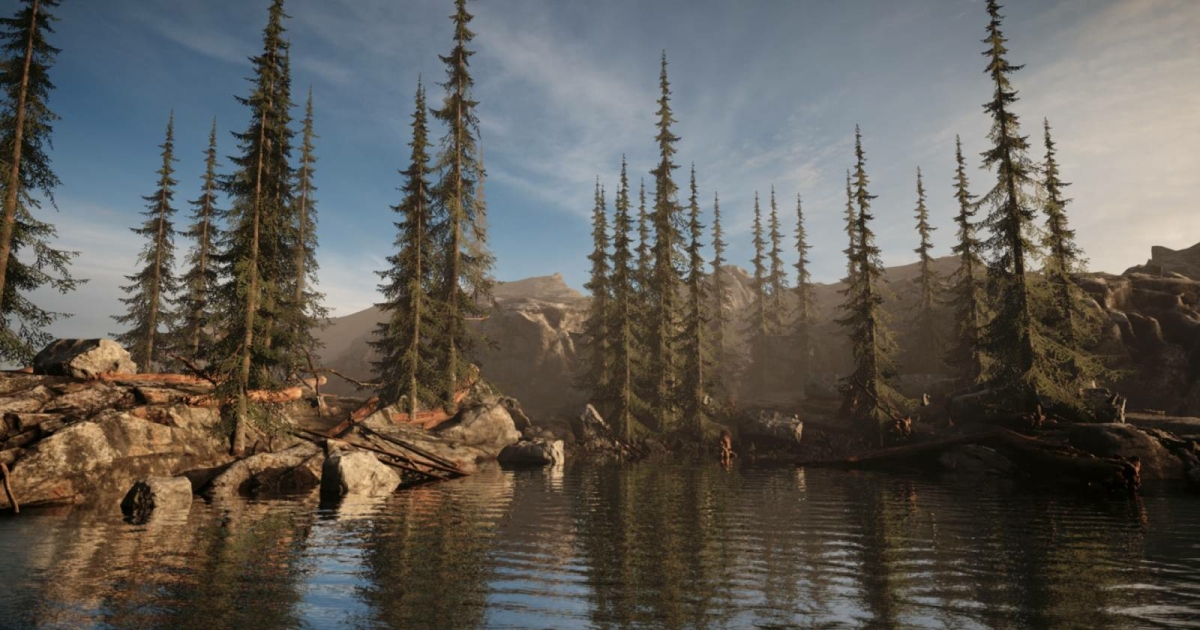
Unity has shared a new update on upcoming changes to the engine’s render pipelines. While this topic has been discussed in live events and addressed previously, the vision for key 2026 changes is now clearer, with a focus on simplifying workflows and prioritizing efforts where they will have the greatest impact for users.
The end of the HDRP era was communicated years ago, and it’s now confirmed that HDRP will continue to be maintained, though no new features are planned. The team is actively working to bring HDRP support to Nintendo Switch 2 in 2026, providing HDRP users with a clear path to reach new players. An official preview for all Nintendo developers is planned for version 6.5. Going forward, HDRP maintenance will focus on stability, regression fixes, and critical issues.
The process of officially deprecating the Built-in Render Pipeline is starting in Unity 6.5. Users are strongly encouraged to use URP when starting any new project and to update all educational materials and Asset Store content to be URP-compatible by default. For existing live games using BIRP, it’s recommended to begin exploring porting projects to Scriptable Render Pipelines.
Although no removal date has been set, the Built-in Render Pipeline will remain available in Unity 6.7 LTS, with official support through 2028 and 2029 for Unity Enterprise or Industry users.
The new strategy for the Unity team is to prioritize the Universal Render Pipeline, creating more room for it to progress faster than ever. Efforts will focus on delivering faster performance, build time, enhanced stability, and extensibility, as well as new advanced 3D lighting capabilities for dynamic and procedural worlds. These will include support for physical light units, pre- and auto-exposure, a physical sky and dynamic sky manager, real-time global illumination, screen-space reflections, on-tile post-processing for mobile, and more. See a sneak peek demo at the end of this session: