
Posted on: February 14, 2026, 10:12h.
Last updated on: February 14, 2026, 10:12h.

Legislation to legalize and regulate skill games has passed the Virginia Senate
Gov. Abigail Spanberger is cautious about additional gaming in the commonwealth
Legislation in Virginia to create a regulatory framework for skill games cleared the state Senate this week with a 24-15 vote.
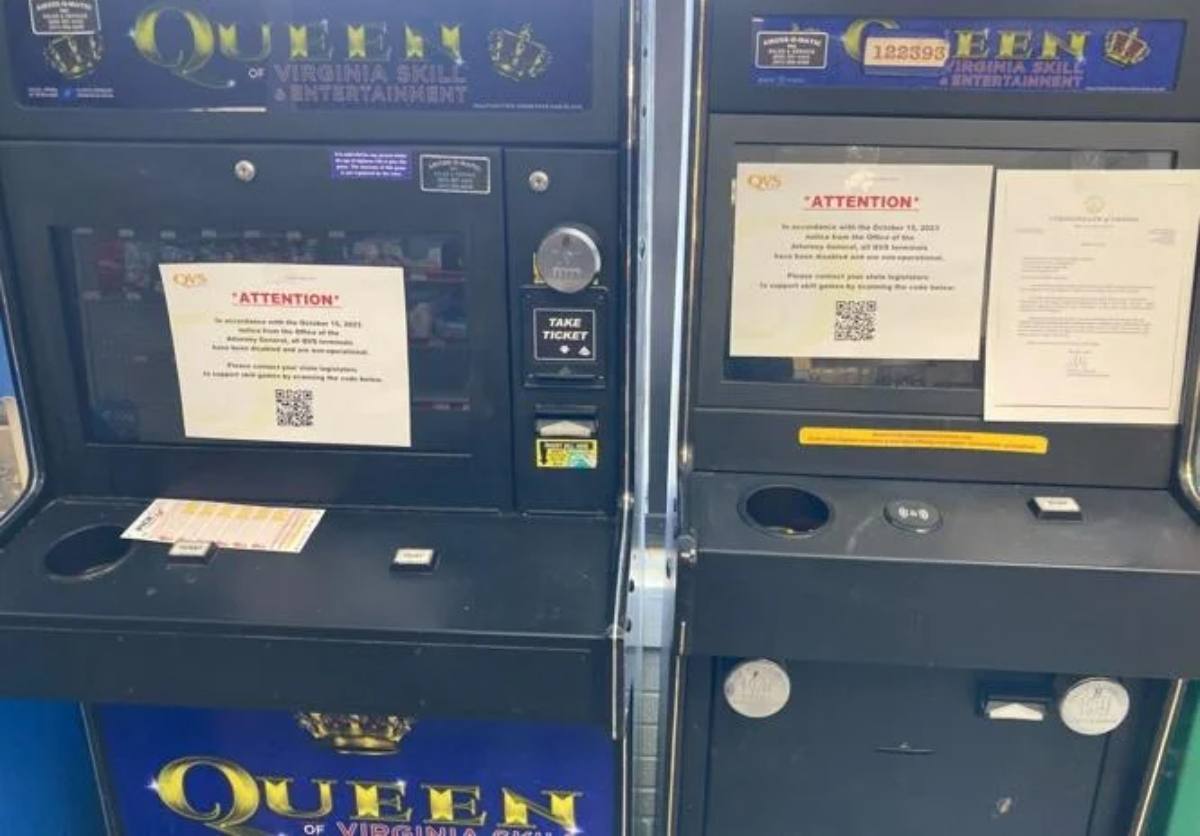
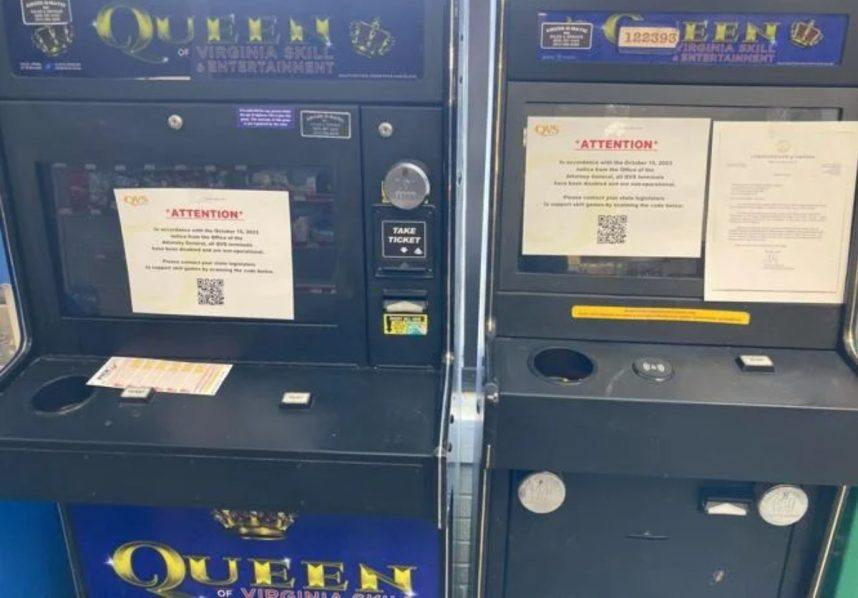 Queen of Virginia skill games could be powered back on should lobbying efforts in Richmond from pro-skill gaming groups turn fruitful in 2026. Skill games are among the gaming-related issues being considered in the General Assembly this year. (Image: Northern Virginia Daily)
Skill games are slot-like machines that proponents credit for saving many small businesses during the COVID-19 pandemic. The revenue won by the devices was split between the gaming developer, distributor, and local host establishment.
Critics of the machines say they put gambling on every street corner, leading to increased gambling addiction, financial ruin, and crime.
Senate Bill 661, dubbed the Virginia Small Business Economic Development Act, would establish operating rules for the controversial games, which have been banned in the commonwealth since the fall of 2023.
Virginia temporarily authorized skill games during the pandemic to provide small businesses like restaurants and bars with additional revenue. The allowance ended on June 30, 2021, but a lawsuit and a court injunction permitted the games to continue operating until the state Supreme Court decided that the games were not legal in October 2023.
Virginia Skill Games Bill
Introduced by Sen. Aaron Rouse (D-Virginia Beach), SB661 seeks to provide a regulatory and taxation framework for skill games.
The bill imposes a monthly gaming tax of $800 per machine that a licensed distributor places in a host business. Regulatory authority would fall under the Virginia Alcoholic Beverage Control (ABC) Authority.
The tax money from the Virginia skill games would be allocated to the Virginia Small Business Economic Development Fund. From there, 75% of the proceeds would go to the state’s General Fund, and 15% would return to the locality in which the skill gaming establishment operates. Six percent would go to the ABC to cover regulatory costs, 2% would go to the Problem Gambling Treatment and Support Fund, 1% would go to the State Police Department’s Office of Gaming Enforcement, and 1% would be set aside for local law enforcement.
Maximum wagers on skill games would be $5, and per single play winnings would be capped at $5,000.
To obtain a skill game distribution license, companies would need to pay a $250,000 annual fee. Host businesses would need to pay $1,000 a year, but truck stops would need to pay $2,500 annually.
Virginia Governor Cautious on More Gambling
Virginia Gov. Abigail Spanberger (D) wants to cool the commonwealth’s rapid expansion of gambling that’s been experienced since 2020. Once among the more restrictive gaming states, over the past half-decade, Virginia has authorized commercial casinos, retail and online sports betting, and slot-like historical horse racing (HHR) machines.
While the governor is supportive of creating a state gaming commission, Spanberger reportedly isn’t enthusiastic about more gambling formats.
Governor Spanberger is deeply concerned about any discussions of gaming expansion in Virginia without first establishing a single entity with clear authority, consistent standards, and strong compliance and enforcement capabilities,” Katie Frazier, who Spanberger in December appointed as secretary of agriculture and forestry, testified before the General Laws Committee on Feb. 10.
SB661 would cap the number of skill games in Virginia at 35,000. Before the state passed the law outright banning the games, there were estimated to be around 90,000 unregulated skill gaming terminals operating in the commonwealth.