
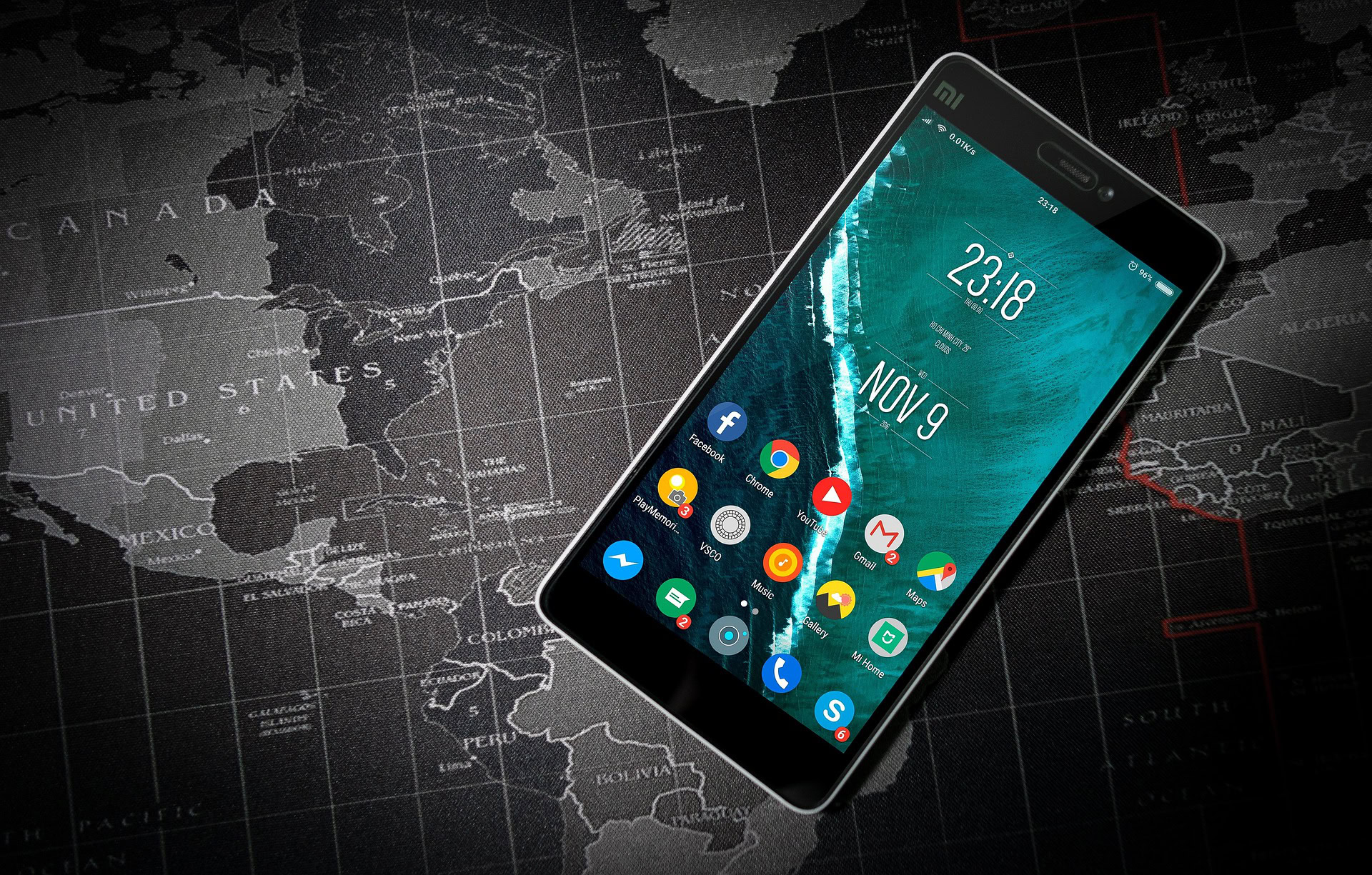
Modern mobile gaming isn’t just a luxury for people willing to drop close to a thousand dollars on a phone. It’s becoming part of everyday life for many more folks now, thanks to the rise of affordable Android devices capable of handling heavy graphics and bigger games. By 2023, mid-range smartphones took over more than half of all global shipments, as reported by Counterpoint Research. What’s wild is that some of these sub-$600 models offer the fluid frame rates and visuals that, not long ago, you’d only expect from high-end flagships.
Games like Genshin Impact, Wuthering Waves, and Call of Duty Mobile? They run smoothly on these devices, helped along by faster chips, expanded RAM, high-refresh OLED displays, and batteries that can keep up with longer sessions. According to Android Authority and PhoneArena, even shoppers on tight budgets are getting access to the same top games as those on premium phones, blurring the old divide.
Expanding access to online poker on mobile devices
What’s especially notable is how the rise of capable mid-range Android phones has opened the door to online poker for a much broader audience. Poker apps don’t demand the same extreme graphics as action-heavy titles, but they do rely on stability, smooth interfaces, secure connections, and the ability to handle real-time multiplayer action without lag.
Affordable devices now check all those boxes with ease. Platforms focused on poker online Canada attract players who want to join cash games or tournaments directly from their phones, without needing expensive hardware.
Faster processors, increased RAM, and reliable battery life make it possible to play longer sessions, manage multiple tables, and switch seamlessly between games and lobbies. In short, modern budget-friendly Android phones have turned online poker into a truly mobile-first experience, accessible to players who once might have been held back by device limitations.
Finding solid affordable phones for gaming
Dig around the sub-$600 market, and a few devices clearly rise above the rest for gaming this year. The OnePlus 13R is regarded as a standout, with 16GB of RAM, the Snapdragon 8 Gen 3, plus a snappy 120Hz display that doesn’t dip under pressure. Reviews say it feels close to a premium device, minus the sticker shock. Samsung Galaxy S25 FE comes in with its Exynos 2400 and sturdy cooling setup, so you can keep playing longer without slowdown.
Then there’s the Poco X7 Pro, recommended especially for long battery life and good screen quality, though it might lag on the most graphics-heavy titles. Meanwhile, those sticking to more mainstream games often find the Galaxy A16 checks all the boxes needed for reliable, smooth play. Also, thanks to consistent software updates on these models, compatibility with new games, and system tweaks stay fresher than you’d sometimes expect.
Why affordable Android devices broaden gaming participation
With the latest mid-range chips like the Snapdragon 8 Gen 3 closing in on what flagships could do a few years ago, 60fps gameplay is just a baseline, not a bragging point. Reviewers from Android Authority and YouTube channels regularly see buttery 120Hz screens that help with touch accuracy and fast action, especially handy for genres like shooters or racers.
Batteries now often surpass 5,000 mAh, which means far fewer dashes for the charger, and improved cooling means even long sessions stay playable, though the absolute top gaming models hold a slight edge for hardcore fans. No longer do you have to pay top dollar for configuration tricks; features like multi-finger support, remappable controls, and multiplayer split screens show up all over mid-range offerings. The upshot? More people can jump into quality online games without hardware getting in the way.
Real-world limits of budget gaming phones
Even with all this progress, going budget or mid-range is still a trade-off for anyone really chasing top specs. Camera gear, especially ultrawides, usually lands below what you’d find in true flagships, so don’t expect stellar photos or videos every time. Wireless charging tends to be absent if you drop under $500, and you won’t always find water-resistant designs.
Hardcore gamers still see flagship gaming phones winning out in extended benchmarks or when running the very highest visual settings, since these cheaper devices make some sacrifices around cooling or power delivery.
There’s also the matter of support; bigger brands put more resources into game optimization and tend to provide longer software updates. Still, for the bulk of users, these limitations don’t sour the actual gaming experience; frame rates usually hold steady, and controls respond as they should.
Keeping play balanced with broader access
More affordable Android phones mean more chances to play, but that also puts the spotlight on balanced, healthy use. It’s wise to set time boundaries, monitor spending, and turn on privacy and security tools where available; pretty much every manufacturer is building digital well-being features in for this reason.
Platforms hosting mobile gaming content also point users toward responsible play and helpful resources. With mobile gaming now within reach for such a wide audience, remembering to look after your habits can keep the experience fun and positive, not just for individuals but for the whole gaming community.