
Japanese developer Comcept has officially shut its doors.
That’s according to local media outlet Gamebiz – as spotted by Gematsu – which reports that the company filed a Notice of Dissolution in the January 29 edition of the Kanpo government gazette.
Comcept was founded in 2010 by Keiji Inafune, an industry veteran who is best known for his work on Capcom’s Mega Man franchise, as well as the likes of Street Fighter, Onimusha, Dead Rising and Lost Planet. He left the company in 2010.
Comcept was acquired by developer Level-5 for an undisclosed sum seven years later and eventually became Level-5 Osaka Office. Inafune left the company in 2024.
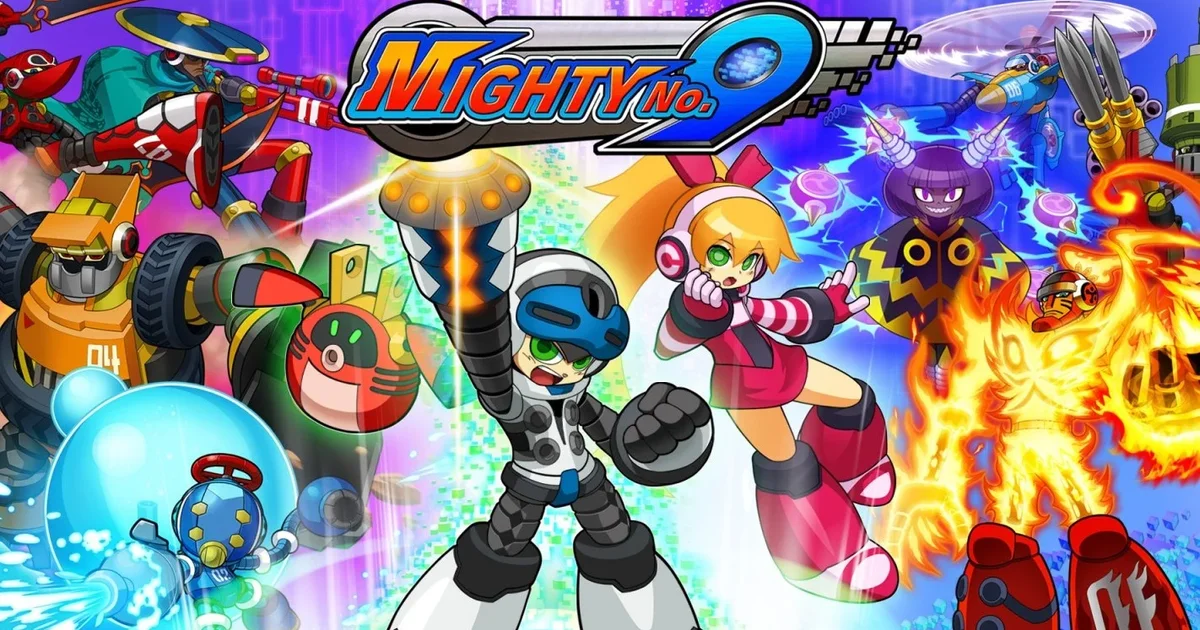
In 2013, Inafune launched a Kickstarter crowdfunding campaign for a spiritual successor to Mega Man called Mighty No.9 with a goal of $900,000. This went on to attract over $4 million in funding, $3.85 million from the platform itself, with the remainder coming from PayPal donations.
After a series of delays, Mighty No. 9 received a mixed critical and commercial reception when it was finally released in 2016. As well as the Mega Man successor, Comcept worked on unreleased titles Red Ash: The Indelible Legend and Kaio: King of Pirates; publisher Marvelous reported a $3.8 million write-down for the latter project.
Comcept also worked on ReCore with Armature Studio for Microsoft. That’s on top of contributions to the likes of Yaiba: Ninja Gaiden Z, Soul Sacrifice and Fantasy Life Online.
Across his career, Inafune had a lot ot advice to impart on the Japanese games industry and the crisis it faced in the early 2010s. In 2012, he told GDC attendees that the country’s developers and publishers had to change its ways, before saying the following year that the industry needed to be aware of the existential problems facing it.
“Some developers are saying [the] Japanese game industry is still doing fine, but that’s wishful thinking. Words are not enough, we must act and prove it,” Inafune said.
“Unless at least a few titles from Japan make it to the top 10 games of the year worldwide, we won’t prove it.”
In 2015, Inafune described Kickstarter as “confidence-building” for Japanese developers.