
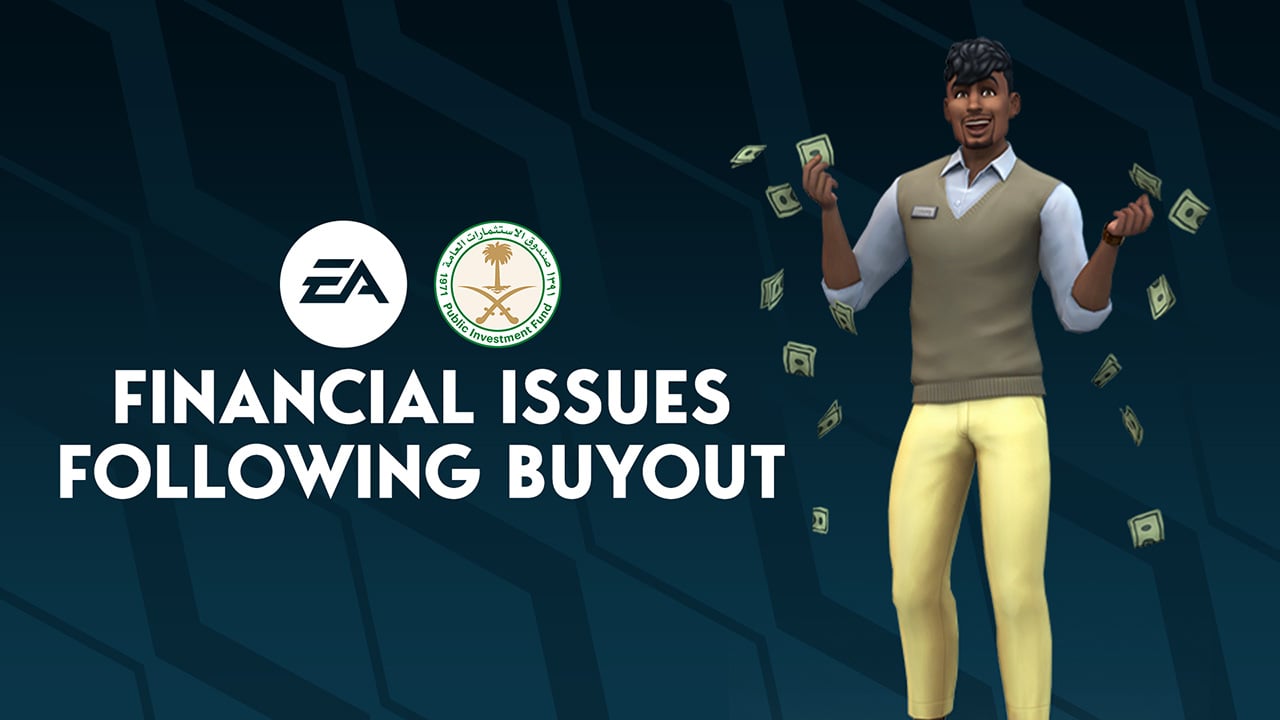
The Saudi PIF is facing ‘financial distress’ after their recent EA deal, causing many to worry about the future of the company
Back in September, it was confirmed that Electronic Arts (EA) would go private after a joint buyout deal worth an astounding $55 billion. Backed by Saudi Arabia’s Public Investment Fund (PIF), Silver Lake, and Affinity Partners, the acquisition promised stability, growth, and fresh resources for EA. This week, following Saudi Crown Prince Mohammed bin Salman’s visit to Washington D.C, rumours have emerged that claim the PIF are facing ‘financial distress’, through a combination of large-scale buyouts in media and entertainment, as well as several mega projects such as Neom’s ‘The Line’.
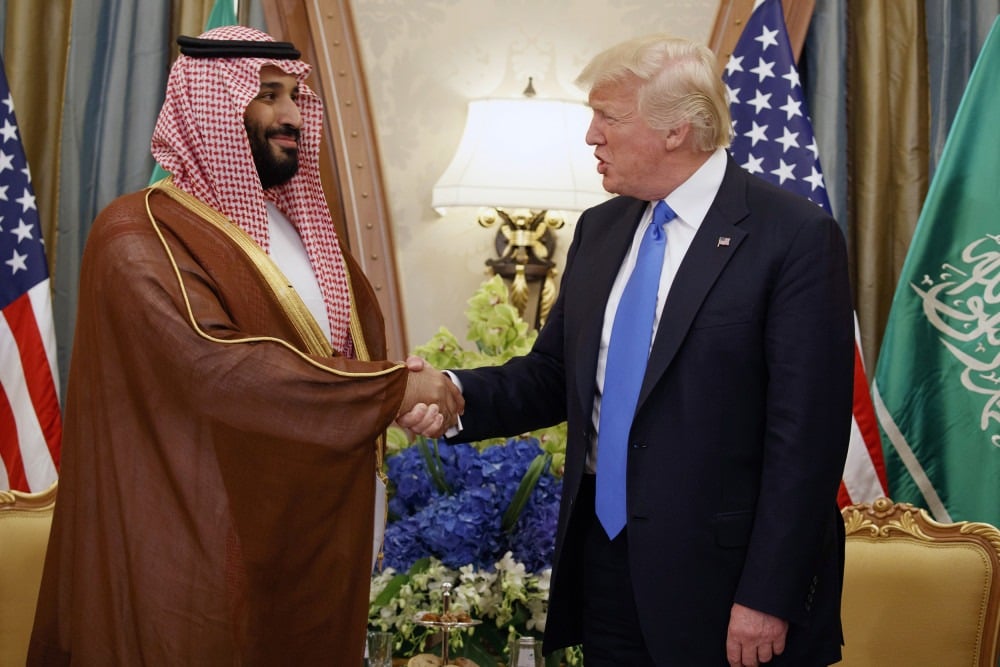 Evan Vucci | AP
PIF’s Cash Crunch After the EA Deal
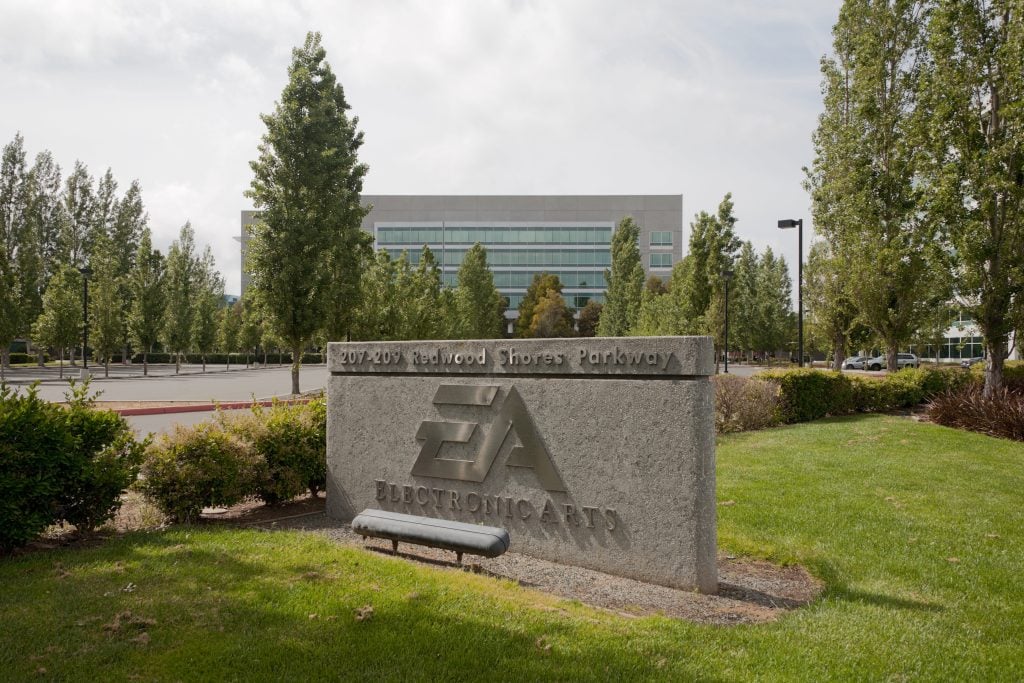
Saudi Arabia’s PIF may have celebrated its role in taking EA private, but the timing of the acquisition now looks precarious. According to the New York Times, the fund is running low on money for large investments, and with the buyout still needing regulatory approval both in the US and abroad, this could mean trouble for further investment or prove detrimental to EA’s operations.
 Wikimedia Commons
That could mean prioritising aggressive monetisation models, accelerating DLC releases, or leaning more heavily on microtransactions to quickly boost revenue, to secure a short-term term immediate cash flow when the deal goes through. While such moves might deliver short-term returns, they risk undermining EA’s creative balance by diverting resources away from player-focused and consumer-conscious development. For a franchise like The Sims, this shift could translate into faster, less meaningful content output that feels less transformative, destroying any trust and goodwill that is left in the community.
Saudi Arabia’s Ambitions Under Pressure
The PIF’s move into gaming and media investment is a diversification strategy, with billions invested across publishers, esports, and technology. Stakes in Nintendo, Take‑Two, and Activision Blizzard, alongside ownership of Savvy Games Group, made Saudi Arabia’s investment intentions very clear. Yet the cash crunch threatens to slow this momentum. If the fund is forced to rein in spending, its ability to bankroll new acquisitions, esports leagues, or large‑scale partnerships could be limited.
What Players Should Watch For
For Simmers, the immediate future may not bring dramatic changes, EA remains profitable, and The Sims continues to be one of its most profitable franchises. But the financial strain on PIF could change how the company is managed behind the scenes. If short‑term revenue becomes the priority, players might see a faster output of kits and expansions designed to maximise sales, rather than a focus on gameplay innovation. On the other hand, if EA’s leadership resists that pressure, the franchise could continue to evolve at its own pace, balancing creativity with a player-centric focus. The community will have to be watching to see whether upcoming updates feel like genuine steps forward or simply quick fixes to keep cash flowing.

The Bigger Picture
The PIF’s financial strain makes clear the risks of large deals in gaming. What looked like limitless capital backing EA’s future now appears more fragile, with investors potentially prioritising short‑term returns over community focus. For The Sims, this means keeping a close eye on how development choices evolve under new ownership and whether content feels driven by genuine innovation or by the need to quickly generate revenue. Who’s to say what the future holds?
 Arab News
How are you feeling about the EA buyout deal now the dust has settled? Let us know in the comments below, and stay tuned to Sims Community for all the latest on Electronic Arts.