
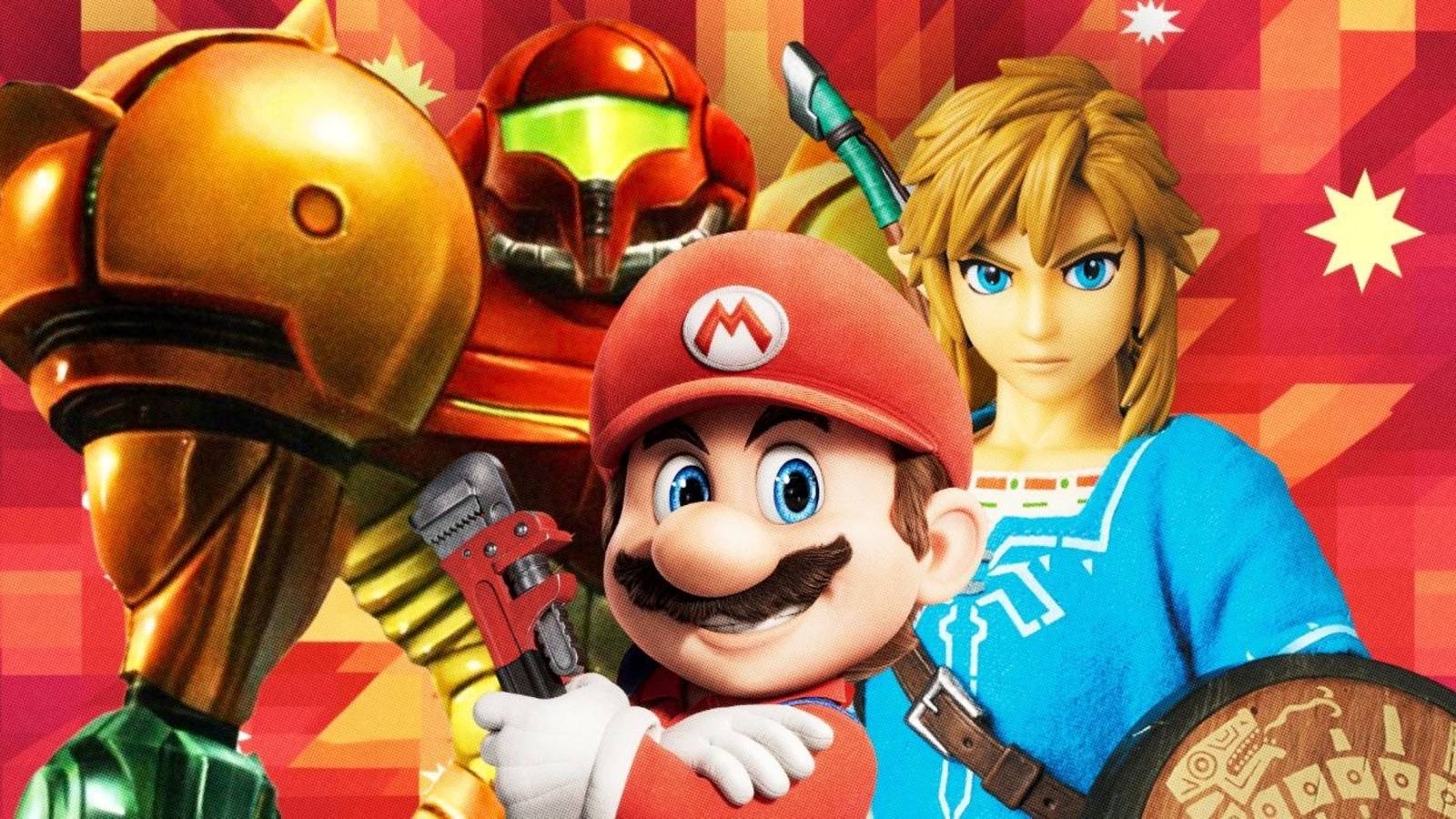
Video games originated in the late 1940s, but they didn’t become commercially viable until the ’70s, and the gaming industry began to thrive in the ’80s. Over these decades, games rapidly evolved from simple blocks to elaborate side-scrolling titles. While many companies played an important role in gaming’s early history, no one was as important as Nintendo.
Nintendo entered the arcade scene in the ’70s with Wild Gunman, and the success of those arcade titles eventually allowed them to enter the fledgling console market. At the time, the industry was in a freefall after the video game crash of 1983, and it seemed like games might fade away entirely. Nintendo got things back on track and saved gaming with the release of the first entry in its greatest franchise of all time: Super Mario Bros.
Nintendo Turned A Forgotten Character Into the Frontman of a Franchise
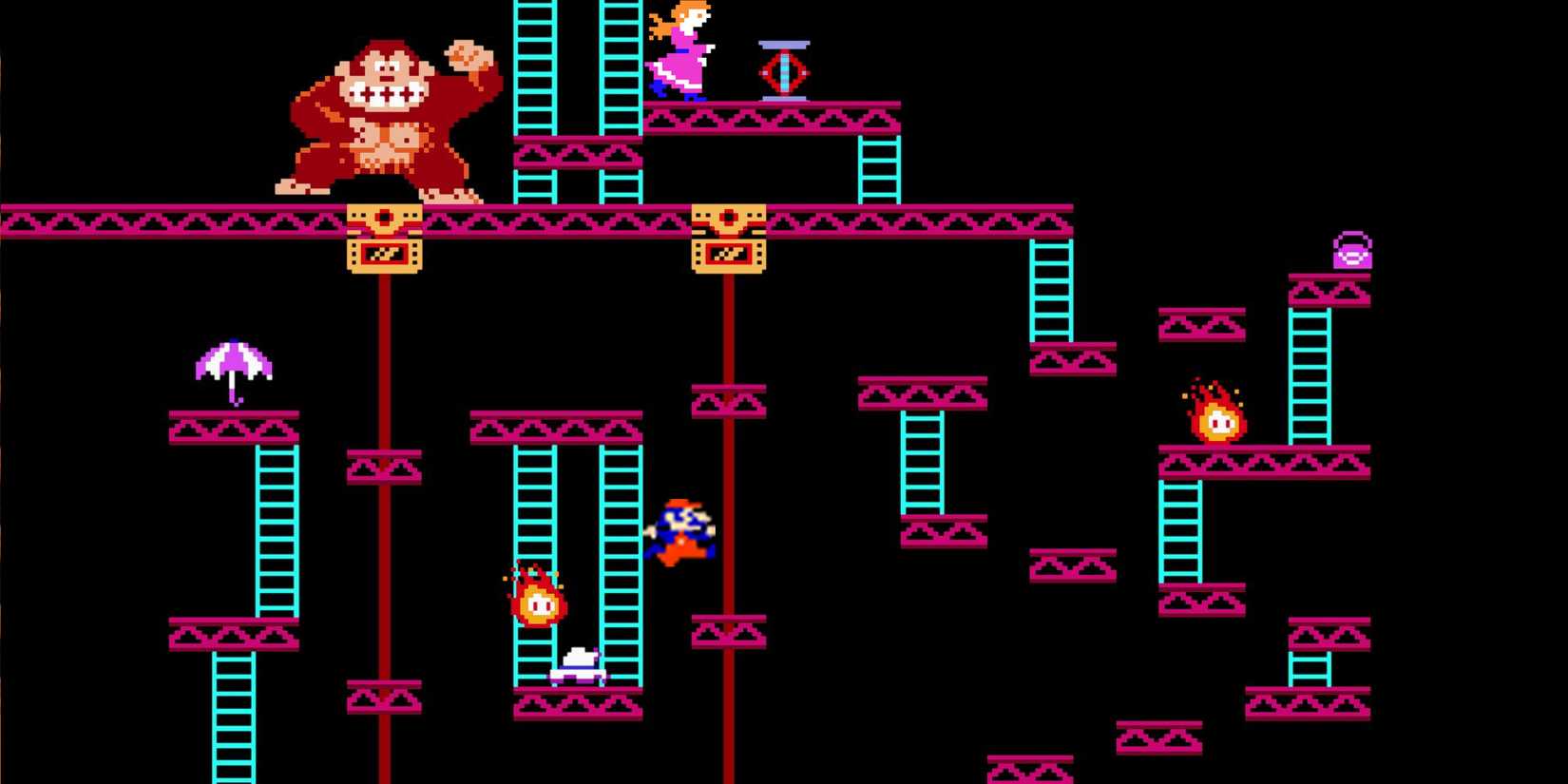
Mario leaps to rescue Pauline in Donkey Kong ArcadeImage via Nintendo
While Mario made his debut in 1981’s Donkey Kong, he didn’t start out as the character gamers know and love today. Nintendo originally planned to make a game based on Popeye, but when they struggled to recreate the characters from the classic comic strip, they created their own characters instead. Bluto was replaced by Donkey Kong, and in the place of Popeye, they created a character named Jumpman.
When the game was brought overseas, Nintendo thought the name Jumpman was too similar to Pac-Man and gave Donkey Kong’s hero a new name. Nintendo’s president at the time, Minoru Arakawa, decided to name the character after Nintendo of America’s landlord, Mario Segale. After the title became a huge hit, Nintendo decided to create more Mario titles.
The first new Mario game was a sequel called Donkey Kong Jr., a game where the son of Donkey Kong has to rescue his father from a now-villainous Mario. However, the franchise got its true start with Mario Bros., an arcade game that introduced the series’ basic platforming mechanics, along with Mario’s brother Luigi. While the game wasn’t quite as big as Donkey Kong, Nintendo knew it had something special, and it wasn’t long before the brothers would go on a new adventure.
Super Mario Bros. Made the NES a Hit
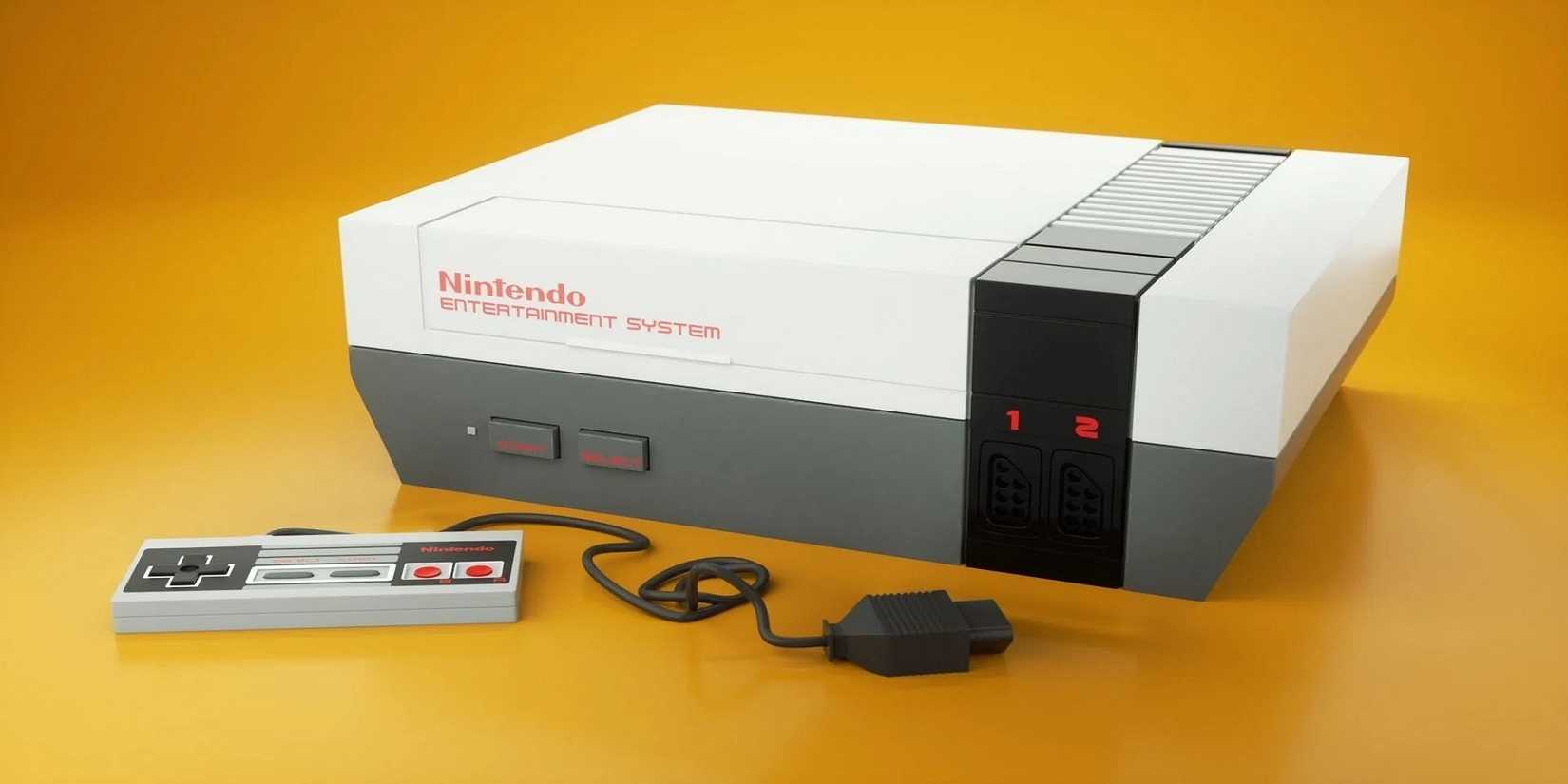
Nintendo Entertainment SystemImage via Nintendo
When the Nintendo Family Computer debuted in Japan in 1983, it was released alongside ports of the company’s arcade titles. While it sold well early on, Nintendo knew it needed something special to make the console stand out from the competition. Development on Super Mario Bros. began in 1984, and Nintendo aimed to have the game ready for next year’s holiday season.
Developers Shigeru Miyamoto and Takashi Tezuka drew on their experiences making other Nintendo titles, like Excitebike and Kung-Fu Master, and aimed to build on the mechanics of these titles. Even though the game was designed to be challenging, Miyamoto wanted to ensure that it was easy for players to learn the game’s mechanics. Players were naturally introduced to the mushroom power-up at the start of the game, and they were given an easy-to-defeat enemy: Goombas.
Super Mario Bros. was released in Japan in September 1985 and arrived in North America just one month later, right in time for the NES’ launch. It became one of the greatest Nintendo launch games ever and made the system a must-own console. Within the first few months, the game sold a staggering three million copies, and it’s only gotten bigger in the years since then. Today, the title has sold over 58 copies, making it one of the best-selling games of all time.
Super Mario Bros. Marked a New Era for Platformers
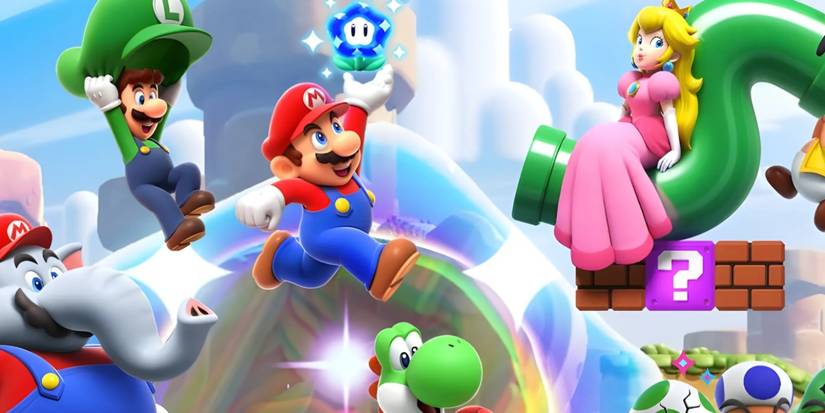
Super Mario Bros. Wonder key art featuring a collage of Mario and friends exploring the colorful Flower Kingdom.Image via Nintendo
Super Mario Bros. was hugely successful right from the start, and while it wasn’t the first platform game, it helped define what a platformer should and could be. Gone were the days of sluggish arcade platformers with finicky controls. After Super Mario Bros., gamers wanted smooth platforming mechanics, and competitors did their best to measure up. Many franchises, including Sonic the Hedgehog, might not exist without Mario, and the game has continued to serve as a template for the genre for the last 40 years.
Nintendo continued to build on the franchise, and titles like Super Mario Bros. 3 took the series to new heights. Mario became Nintendo’s unofficial mascot, and his success allowed Nintendo to establish other classic franchises, like The Legend of Zelda and Metroid. Super Mario Bros. is arguably the most important game of all time, and while its success may have temporarily pushed Donkey Kong to the wayside, it remains Nintendo’s greatest franchise today.