

There’s always one thing which comes up when discussing fighting games that are on their way to release — roster size.
Launch rosters are always subject to much speculation and discussion, but it’s not that often we talk about how large rosters have gotten once a fighting game ends its run. I decided to have a look at which fighting games have the biggest rosters, with a few caveats attached, and some of the results may surprise you.
First of all, this list will not be including any battle arena games since they don’t typically get counted as fighting games by most people and because their rosters tend to be massive due to not needing as much in the way of unique moves or gameplay types to make characters.
I’ve also decided to not include Brawlhalla even though it’s a popular platform fighter, partly because it’s a bit up for interpretation what even counts as a separate character in the game as its loaded with lots of crossovers and skins which make it a bit unclear.
Finally, I also decided to limit the list to only one placement per franchise, though I’ll also be listing how large the roster in the second biggest installment in the franchise is.
Something that’s interesting in this list is that it’s actually a fairly healthy mix of old games with big rosters and newer games which have had several years of downloadable content added to bolster their character selection, so you may end up surprised while looking through these eight entries.
With all of that out of the way, let’s have a look at some of the absolute largest rosters in fighting game history.
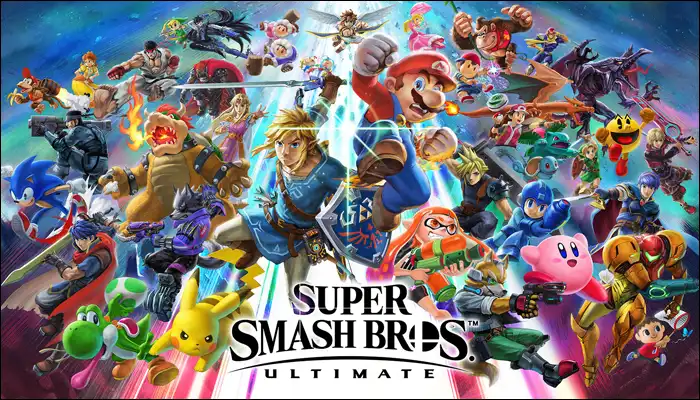
Roster Size: 82
Second largest in franchise: 58 (Super Smash Bros. 4)
To absolutely nobody’s surprise, Super Smash Bros. Ultimate tops the list. With the slogan of “Everyone Is Here”, the roster was already gigantic at release.
Add to that two full rounds of downloadable content and the roster closes out in the 80s. I’ve written 82 since that’s the development team’s own count, but it’s actually somewhat up for discussion how many characters are playable due to the inclusion of Echo Fighters and such which expand the roster a bit.
Given its nature as a massive crossover game and a celebration of gaming history, it’s pretty much inevitable that Super Smash Bros. Ultimate will top the charts.
Masahiro Sakurai, the game’s developer, said during the game’s development that the gimmick of “Everyone Is Here” was something that could only be done now because otherwise there’d be too many characters to bring back, making it unfeasible.
We still don’t have a new Super Smash Bros. game, likely in large part due to Sakurai and his team working on Kirby Air Riders, so it remains to be seen what approach will be taken with a new Super Smash Bros. title for the Nintendo Switch 2.
On the one hand, it might be a total reboot with a much smaller roster, but it’s also possible they’ll do the Mario Kart 8 approach and make a deluxe version of Super Smash Bros. Ultimate adding even more content over time. If it’s not the latter, then this roster size will probably stay undefeated for quite some time in the fighting game record books.
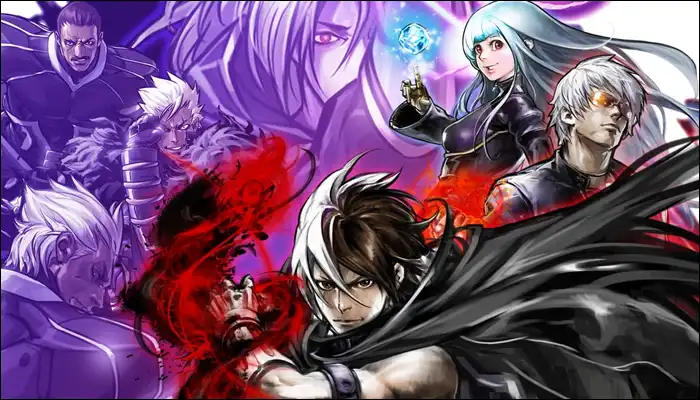
Roster Size: 66
Second largest in franchise: 61 (King of Fighters 15)
Much like Super Smash Bros. Ultimate’s top spot was probably no surprise to most readers, seeing a team-based fighting game at the top rankings is surely not a shocker either, though some may be caught off-guard by which title in the series actually hit the highest.
Considering its massive post-launch support of a whopping 22 additional characters (2 of which were entirely free, by the way) many would probably expect King of Fighters 15 to take the crown for SNK’s flagship fighting game franchise, but such is not the case.
The enhanced remake of King of Fighters 2002, that is to say King of Fighters 2002: Unlimited Match, actually steals the crown here by besting the latest entry’s roster by a count of 5 characters.
What’s worth noting is that several of the characters available in King of Fighters 2002: Unlimited Match are boss characters who are selectable but not remotely balanced for any kind of competitive play, so the roster is a bit inflated by this as well.
If you’d only consider characters who you could feasibly pick in a tournament setting for a game’s roster, then King of Fighters 15 wins out due to full row of characters on King of Fighters 2002: Unlimited Match’s character select screen being voided.
Whatever the case, King of Fighters proves itself to bring massive amounts of characters and content both just as much 15 years ago as it does today and we truly love seeing that from SNK.
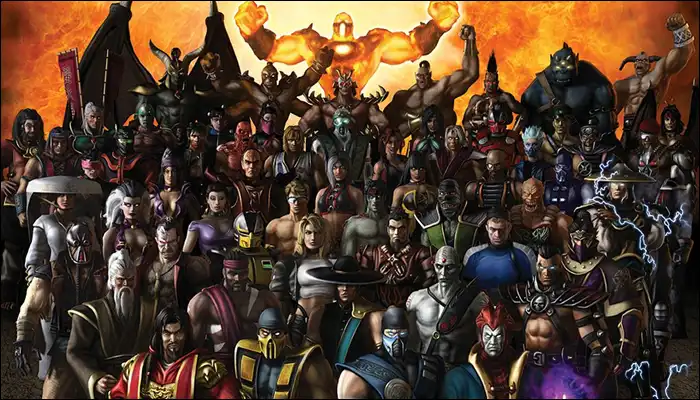
Roster Size: 62
Second largest in franchise: 37 (Mortal Kombat 11)
By far the biggest discrepancy between largest roster and second largest roster on this list, the Mortal Kombat series has a fairly balanced roster size of around 25-35 fighters in most installments.
Back in 2006, though, they decided to run the “Everyone Is Here” mantra long before that had ever entered the Super Smash Bros. series and made a roster for Mortal Kombat: Armageddon which actually included every single Mortal Kombat character to date at the time.
Although it may not be the most competitively viable game, it was definitely filled to the brim with fan service as they brought back such a massive roster, but as you can see from future roster sizes it’s very unlikely they’ll ever attempt anything to this scale ever again… especially given how many new characters they’ve introduced since.
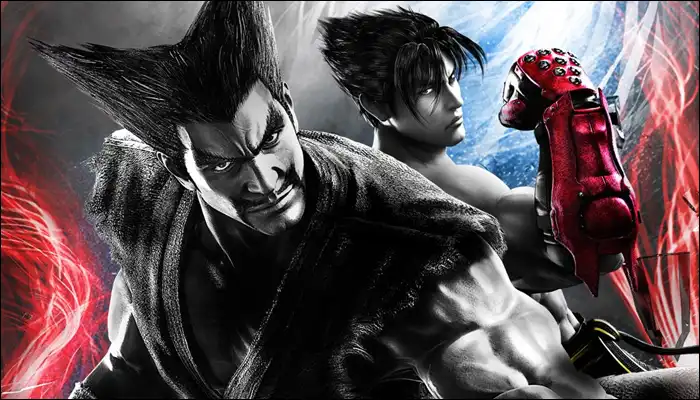
Roster Size: 59
Second largest in franchise: 51 (Tekken 7)
Here, we have another title which went the “Everyone Is Here” route and it wasn’t even that long ago.
Before Tekken 7, there was Tekken Tag Tournament 2 and in it, every single character that had been in Tekken except for Tekken 3’s guest character Gon was playable leading to a staggering roster of 59 characters.
On top of that, some very goofy extra characters were included such as Lili’s butler Sebastian and Slim Bob who struggles to perform the moves that would normally make use of Bob’s wide girth.
While Tekken Tag Tournament 2 ended up not doing great for the developer Bandai Namco, you could tell that Katsuhiro Harada and his team put their all into this game and to please their fans. Even the characters who were downloadable content in the title ended up being completely free.
Despite the lackluster commercial results of Tekken Tag Tournament 2, fortunes turned in a big way for Tekken 7 a few years later and thanks to the big fan support they ended up building that game’s roster all the way up to 51.
Currently, Tekken 8’s roster stands strong at 40 competitors counting the upcoming Armor King and Miary Zo, so if the support stays solid for the title it might end up usurping Tekken 7’s spot… or maybe even Tekken Tag Tournament 2’s eventually.
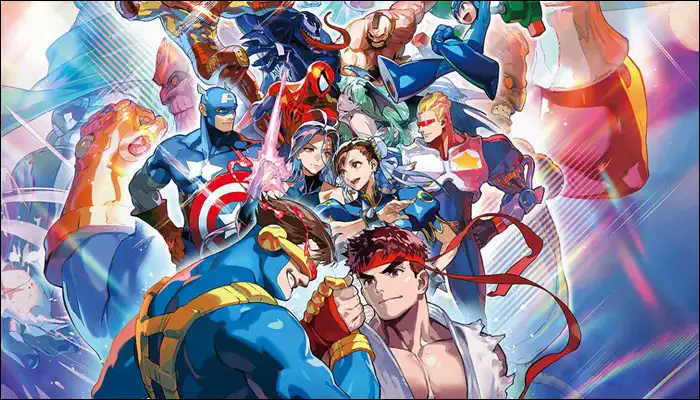
Roster Size: 56
Second largest in franchise: 50 (Ultimate Marvel vs. Capcom 3)
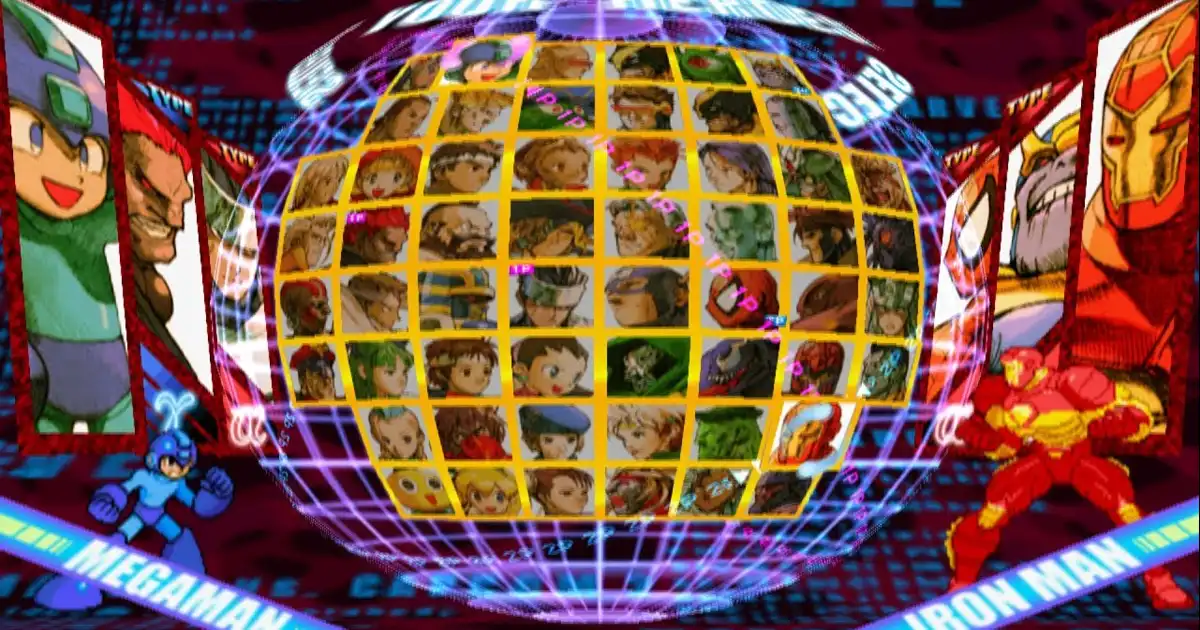
For its time, the roster size of Marvel vs. Capcom 2 was truly immense. Back in 2001, it was unthinkable to see a fighting game roster this large until 5 years later when Mortal Kombat: Armageddon came along to steal its thunder.
Marvel vs. Capcom 2 used many assets from different earlier crossover games between Capcon and Marvel and due to the memory required by having all of these characters on the game, they even had to remove certain animation frames from some of the characters to even fit them all in their limited memory space.
Although Ultimate Marvel vs. Capcom 3 also ended up having a very large roster, these models were all made from scratch so reaching Marvel vs. Capcom 2’s numbers was definitely a pipe dream… but honestly? They got pretty damn close in the end.
If we were to see a new Marvel vs. Capcom game in today’s landscape with seasonal structures and long post-launch downloadable content plants, it’s quite likely it’d end up eclipsing its predecessors and set a franchise high, but given the recent announcement of Arc System Works-developed Marvel Tokon: Fighting Souls, a potential Marvel vs. Capcom 4 is seeming much less likely.
Even though it’s a different franchise, given its 4v4 structure it wouldn’t be surprising to see Marvel Tokon: Fighting Souls climb up the ranks of a list like this given a few years on the market… but only time will tell how that ends up.
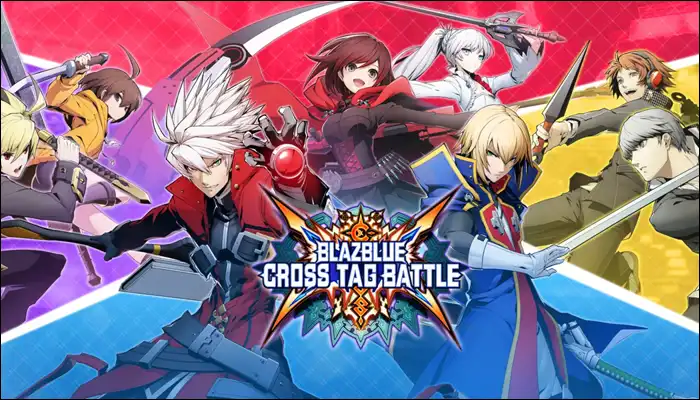
Roster Size: 53
Second largest in series: 36 (BlazBlue: Central Fiction)
Much like Marvel vs. Capcom 2, the roster size of BlazBlue: Cross Tag Battle benefits heavily from it being a bit of an asset flip game, re-using character models and many animations from the BlazBlue, Under Night In-Birth and Persona 4 Arena franchises.
There are definitely new sprites in the game as well, such as all of the RWBY characters included, but the heavy lifting is definitely done via bringing characters over from their already established games.
I was a bit skeptical over whether to count this as a BlazBlue series game or not, but considering how the game’s title specifically highlights BlazBlue over the other games included in the crossover I decided to count it as a BlazBlue game after all.
Comparing it to the main BlazBlue series, it’s actually very impressive to see BlazBlue: Central Fiction ending up with 36 characters at its end as well. Considering the high quality sprite work in the game, that’s definitely a strong achievement.
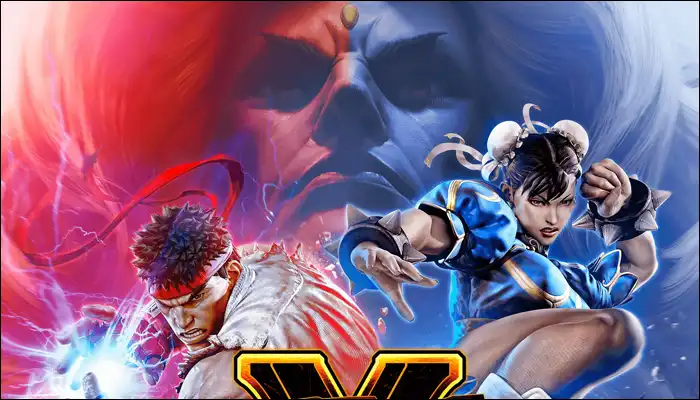
Roster Size: 45
Second largest in series: 44 (Ultra Street Fighter 4)
Finally, Street Fighter sees its spot on the list. A franchise which has very much benefited from the seasonal structure of adding characters as the years pile on, both Ultra Street Fighter 4 and Street Fighter 5: Champion Edition ended up with some of the largest rosters in fighting games for non-team titles.
With only one character separating them, Street Fighter 5: Champion Edition narrowly edged out its predecessor thanks to their final inclusion, Luke, who was largely implemented as a preview of what was to come later on with Street Fighter 6.
Given the amount of new characters that keep piling in, some of them becoming more popular than others of course, it’s very unlikely we’ll ever see Capcom even remotely attempt anything like an “Everyone Is Here”, especially given the high amount of time and work they put in to character development in Street Fighter 6, which makes it all the more impressive to see how the rosters keep growing so large for what many consider the father of fighting games.
As of right now, Street Fighter 6 sits at 30 confirmed characters, though only 27 are currently playable since C. Viper, Alex and Ingrid have yet to be released.
To outdo Street Fighter 5, they’d have to do 4 more seasons at their current pace but given the runaway success that Street Fighter 6 has been… that actually seems fairly plausible.
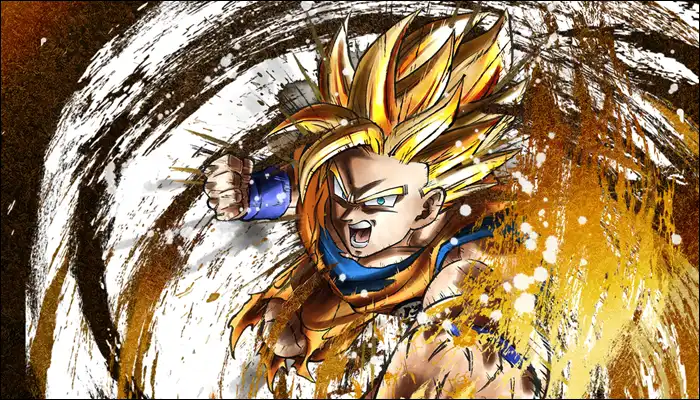
Roster Size: 44 (Will be 45)
Second largest in series: N/A
Dragon Ball FighterZ might be the lowest on this list, but it also has a monumental achievement over the rest — this was the first game in its series.
Hitting a character select screen of 44 choices on your very first outing is remarkable and it’s truly a testament to publishers Bandai Namco, developers Arc System Works and the strong fanbase support the Dragon Ball intellectual property has that they were able to accomplish such a feat.
Early on, there were some criticisms that the roster felt small for Dragon Ball FighterZ as it started out with 20 characters, but looking at where it ended up that is definitely a very stellar roster to pick from even in a team-based fighter.
Similar to BlazBlue which over the years built up its roster that by the time of Central Fiction it had grown to such a size, Dragon Ball FighterZ truly expanded its horizons during its years of support and earns an honored spot on this list of largest fighting game rosters.
Also, it’s worth mentioning that while Dragon Ball FighterZ is currently at 44 characters in its roster, after the shocking announcement at Evo France 2025 that Super Saiyan 4 Goku is being added to the game next year, Dragon Ball FighterZ will be going on to tie against the Street Fighter series by sitting at 45 characters in the near future. Not bad at all.
Now, granted, there may have been gaps in my research and some games might have slipped through the cracks. If you think I missed any that aren’t covered by my criteria at the start, please let me know in the comments.
Also for the comments section — were there any entries here that surprised you? Personally, while I did remember that Mortal Kombat: Armageddon brought back everyone introduced in the series at that time, I still found myself surprised at just how large that number actually was.