
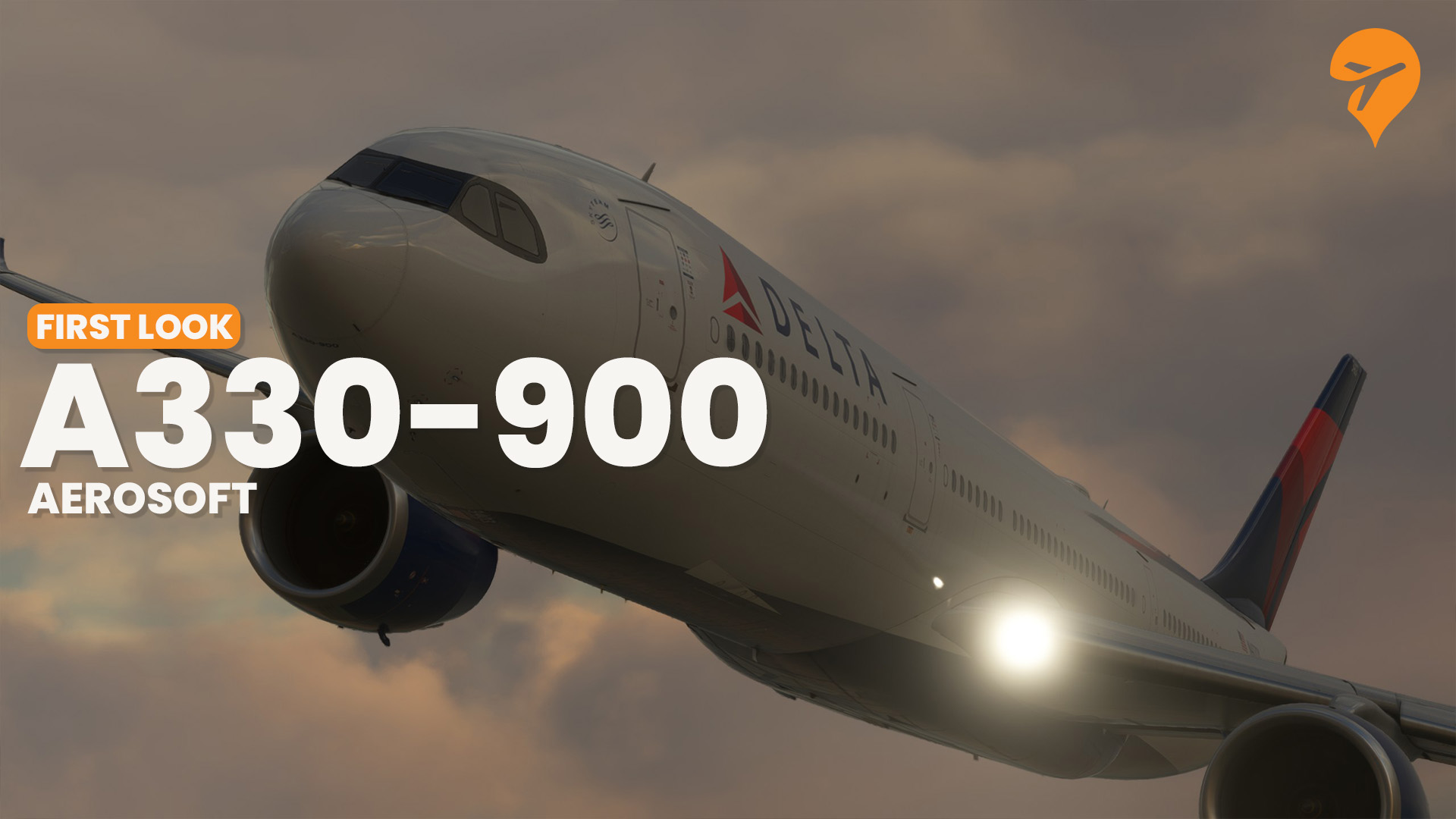
When Aerosoft released the A330ceo just over a year ago, the end result wasn’t what many in the community had hoped for. The aircraft launched with a number of bugs and was missing fundamental features that are critical for day-to-day flying, particularly for those who spend time on networks like VATSIM or IVAO. HOLDs, Direct-to, and wind data entry—essential tools for long-haul flying—simply weren’t there. Despite years of development, the product never quite lived up to expectations, and it hasn’t received the kind of updates since release that might have changed those perceptions.
To be clear and set expectations, this is not a review, and all the information is from a build received on September 18th 2025.
With the A330neo, Aerosoft has an opportunity to turn the page. It’s being positioned as both a new product and as an evolution of what the ceo should have been. The version we had access to was a pre-beta build, more advanced than what was shown at Gamescom earlier this year, and while this is far from the final release, it does give a clear picture of where things are heading. The early signs point to improvements in several areas, though there’s still a lot of work needed to bring it to a level where it can be recommended as a serious long-haul option.
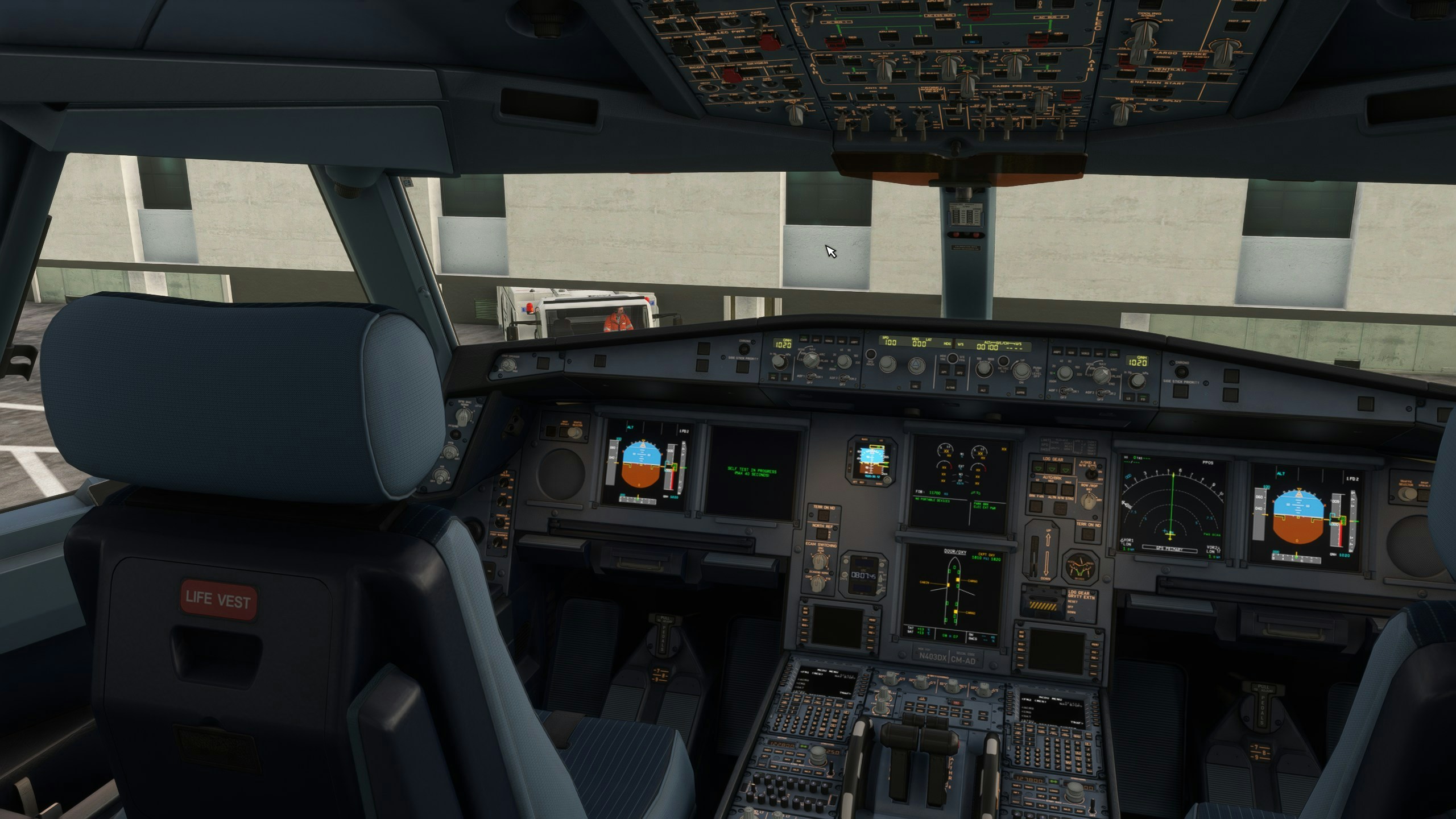
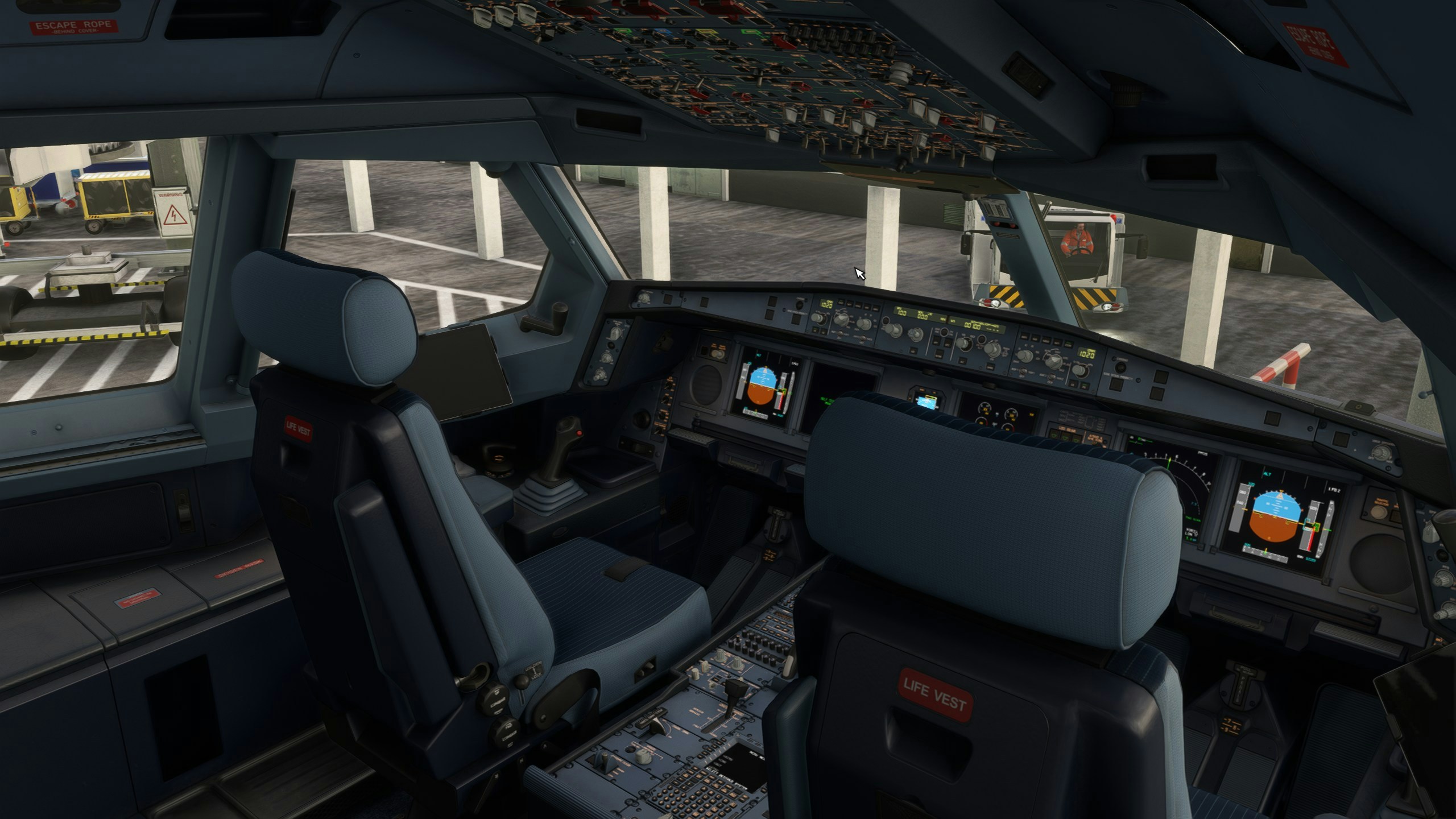
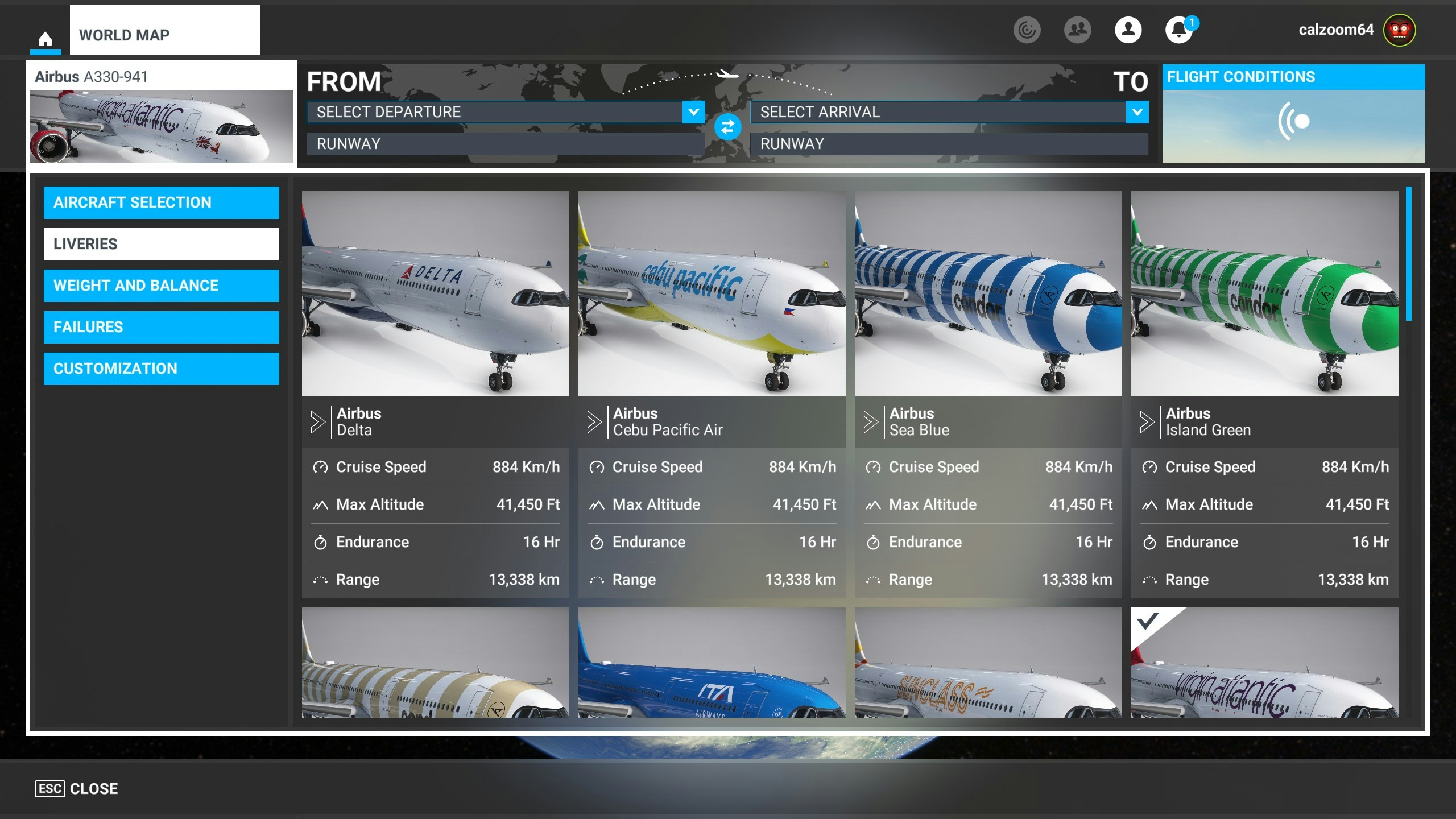
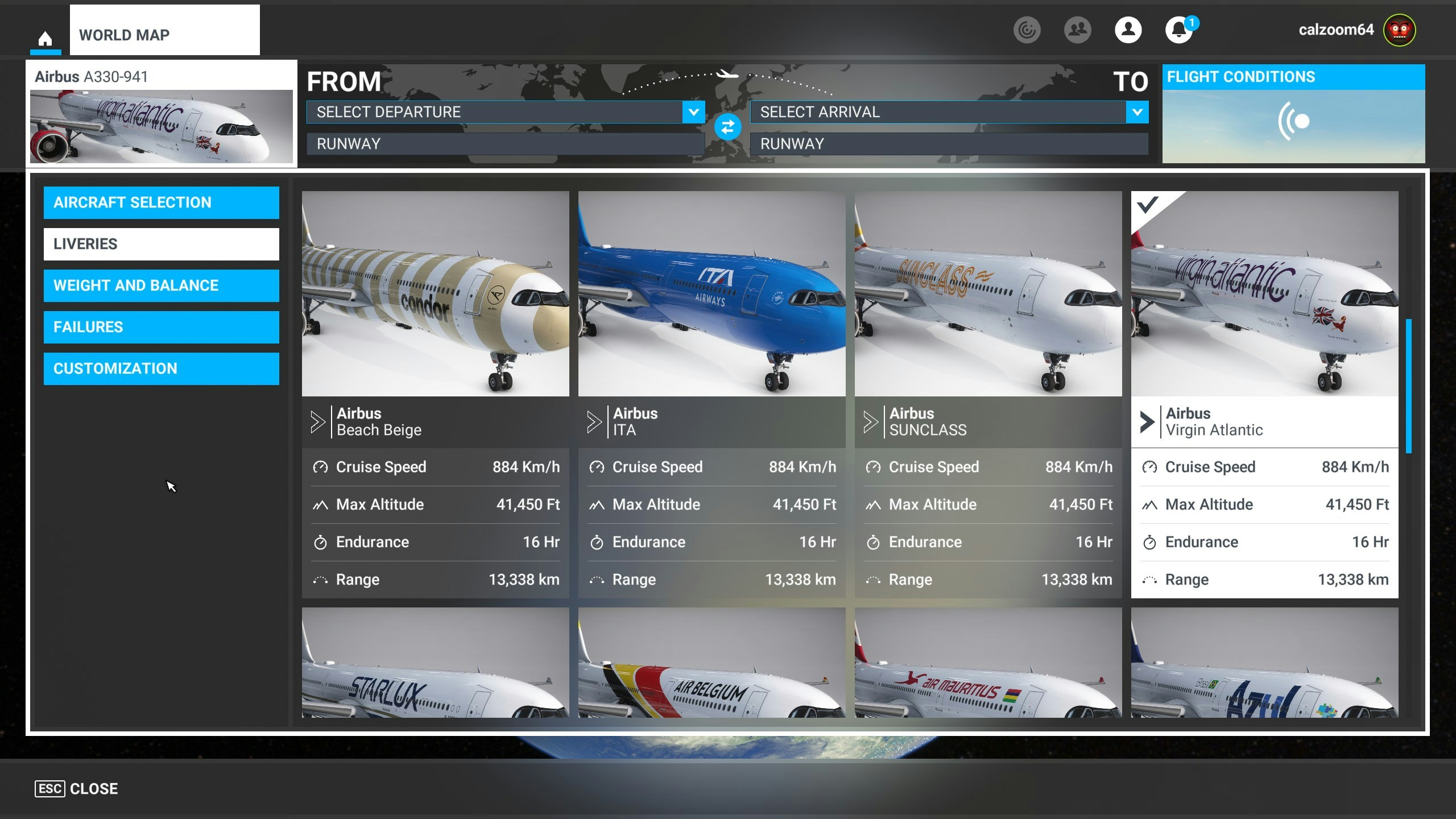
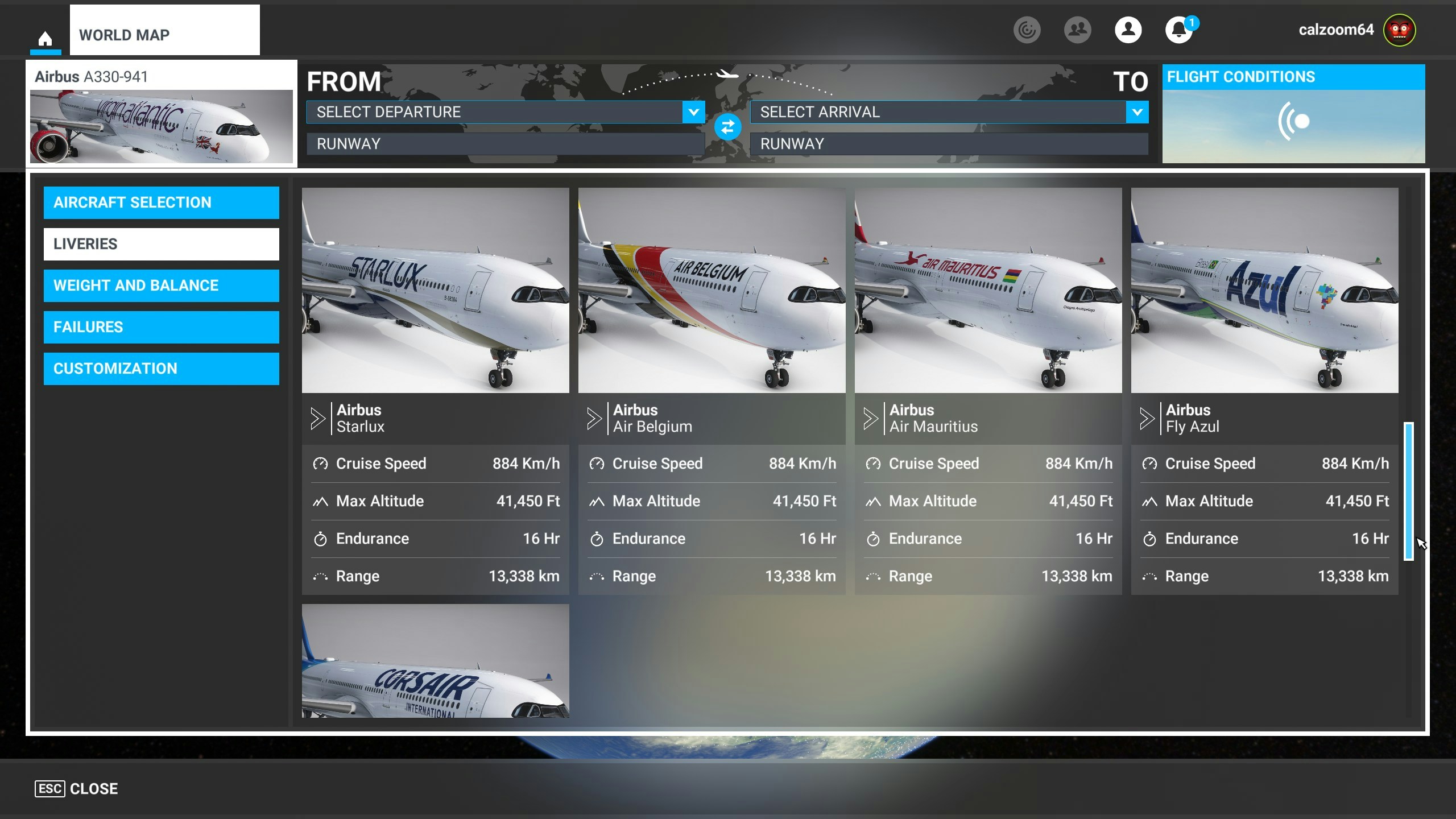
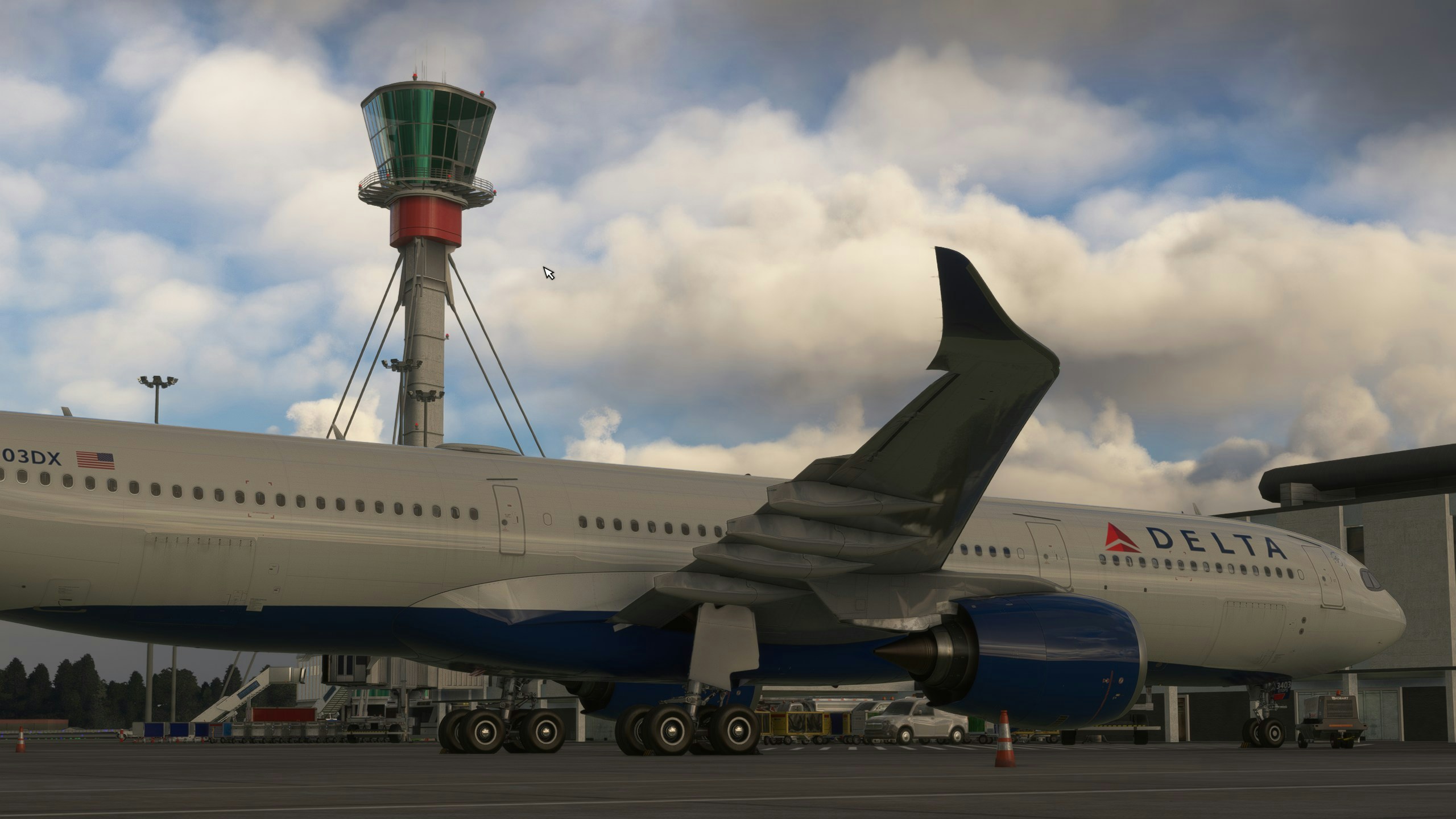
The first impression when loading the aircraft is positive. The cockpit is well-modelled, with crisp geometry and solid texture work that makes the environment feel alive. Surfaces and materials look convincing, and from the pilot’s seat, it feels like Aerosoft has invested time in refining the visual side of things. Externally, the aircraft looks the part too, and the inclusion of a 3D cabin visible through the windows helps sell the immersion. A number of liveries are already included, though not all are finished. I (obviously) checked out Virgin Atlantic’s livery first and noticed the red wingtips are currently missing, for example. These kinds of details matter, but given the stage of development, it’s reasonable to expect they’ll be addressed before release.

The Electronic Flight Bag is arguably one of the strongest parts of the current build. It looks clean, it’s easy to navigate, and it makes practical tasks like loading fuel and payload quick and straightforward. The one gripe here is that accessing these options requires opening a small three-dot menu, which feels unintuitive. A clearer icon would make the process more seamless. That aside, the EFB feels like a major step forward for Aerosoft, giving the product a modern edge and smoothing out a lot of the interaction that simmers rely on.
Another really cool feature is the inclusion of the ONS. This is a fairly advanced feature found on modern Airbus jets, providing pilots with a ground view of the airport’s layout. It works by syncing up your Navigraph account to provide the data, but overall, it works really nicely.
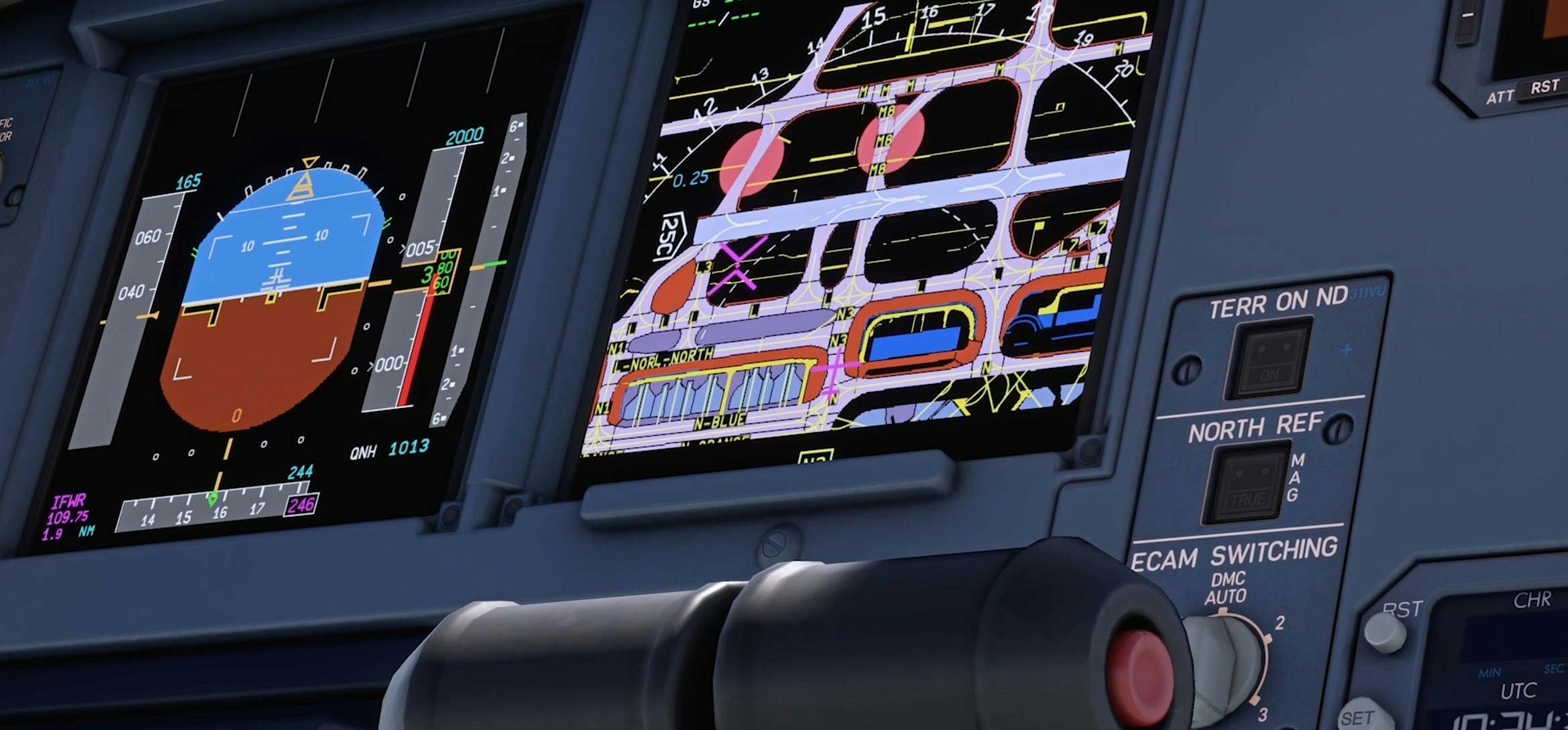
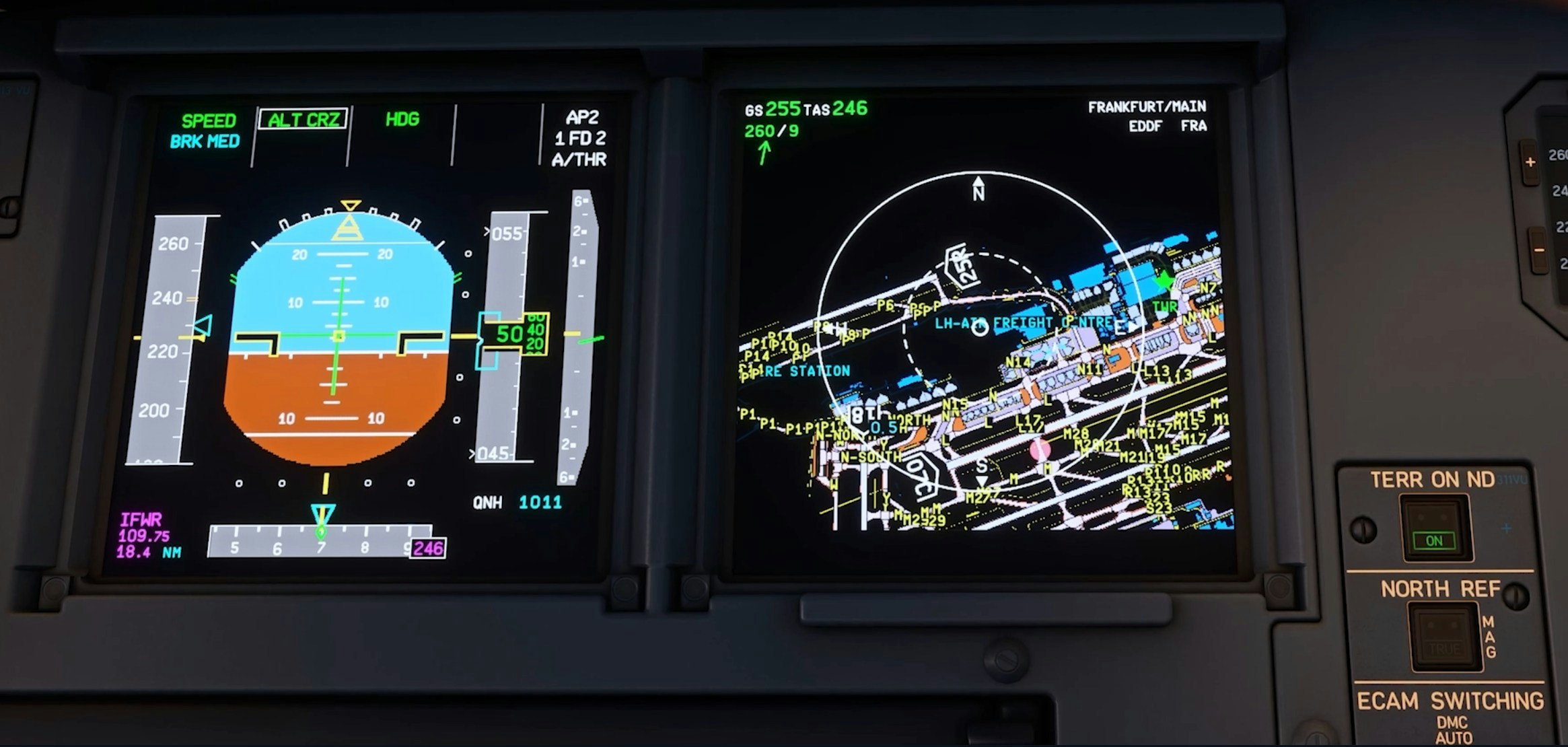
Images above from the promotional video.
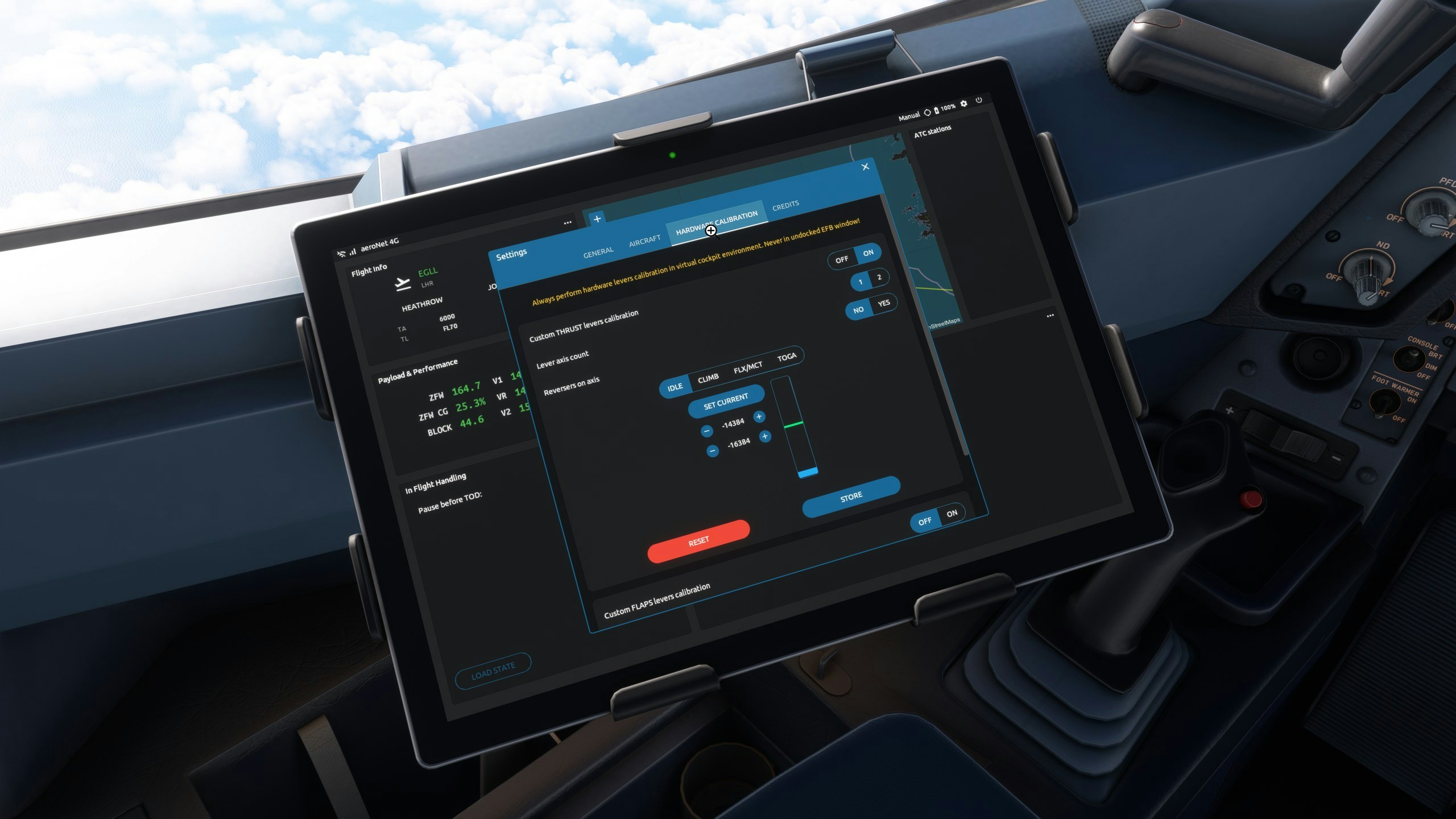
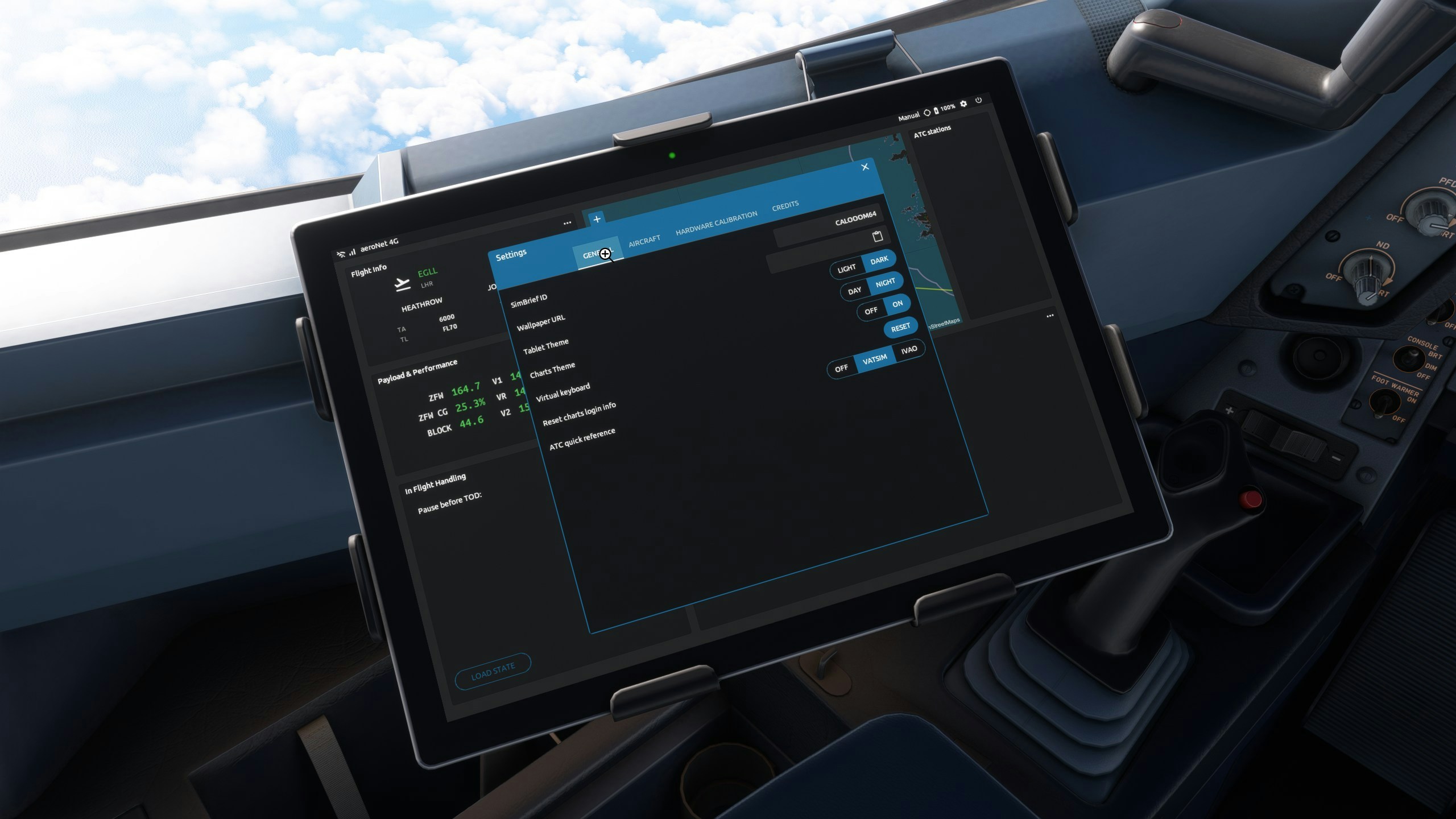
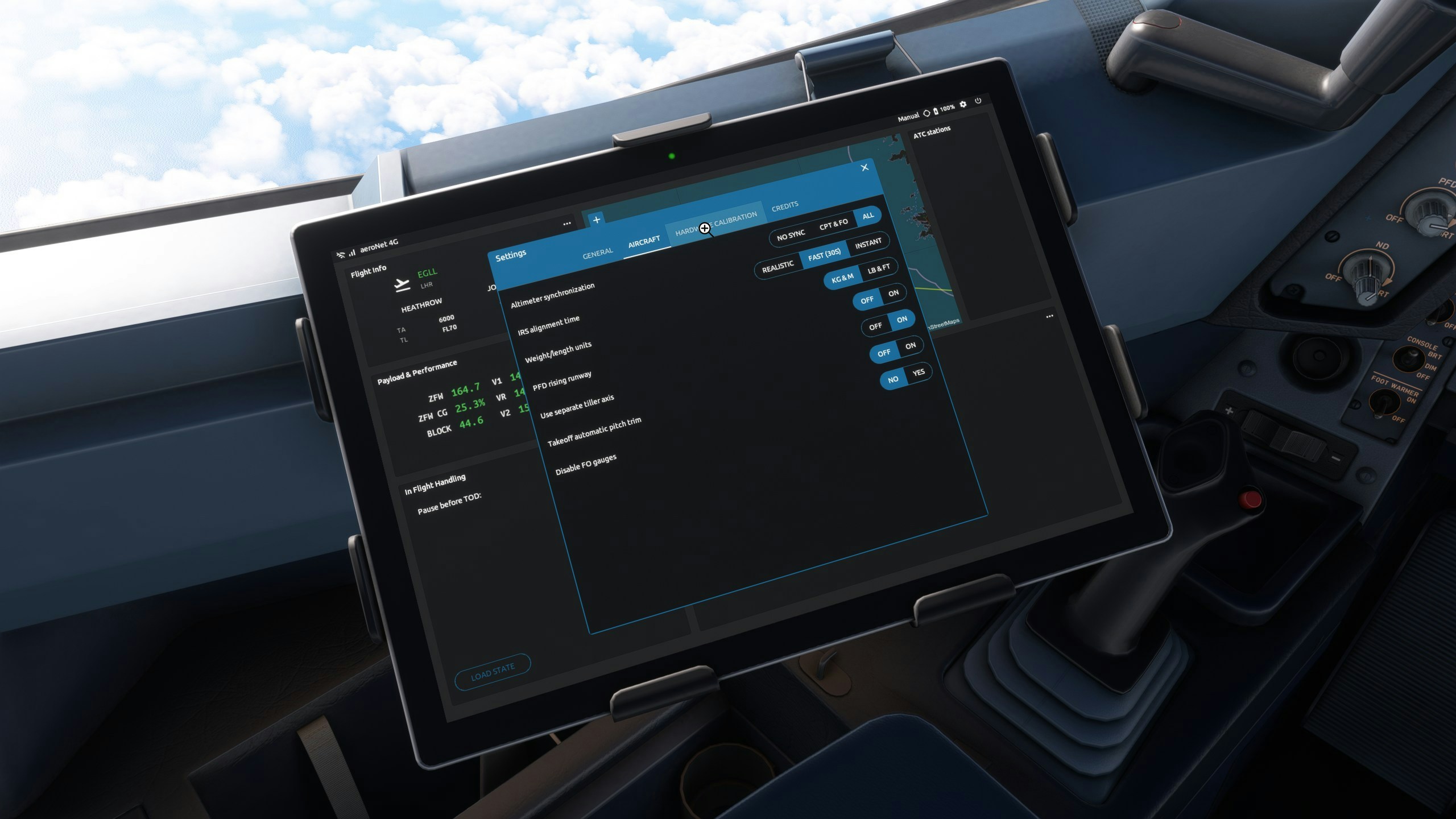
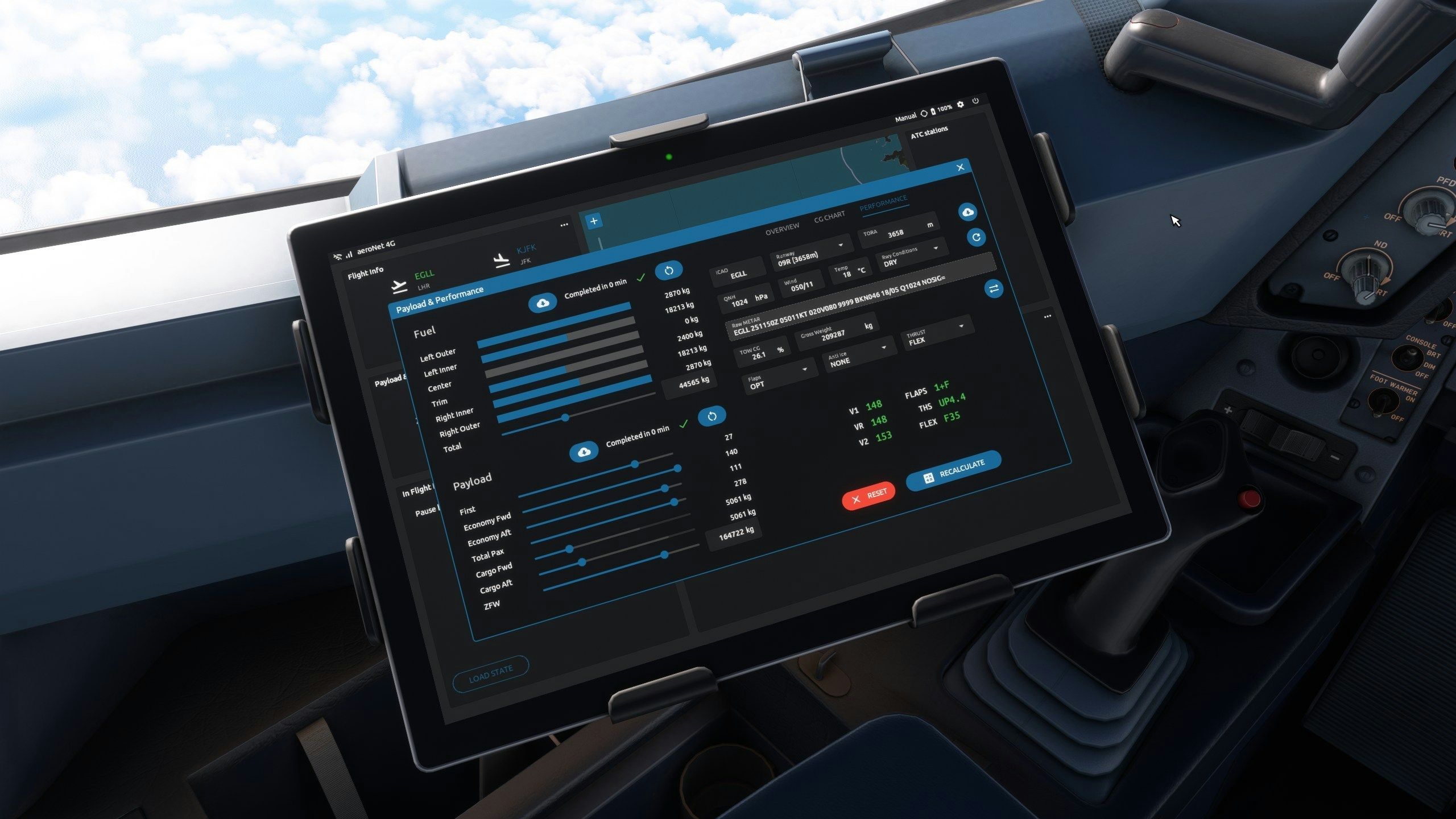
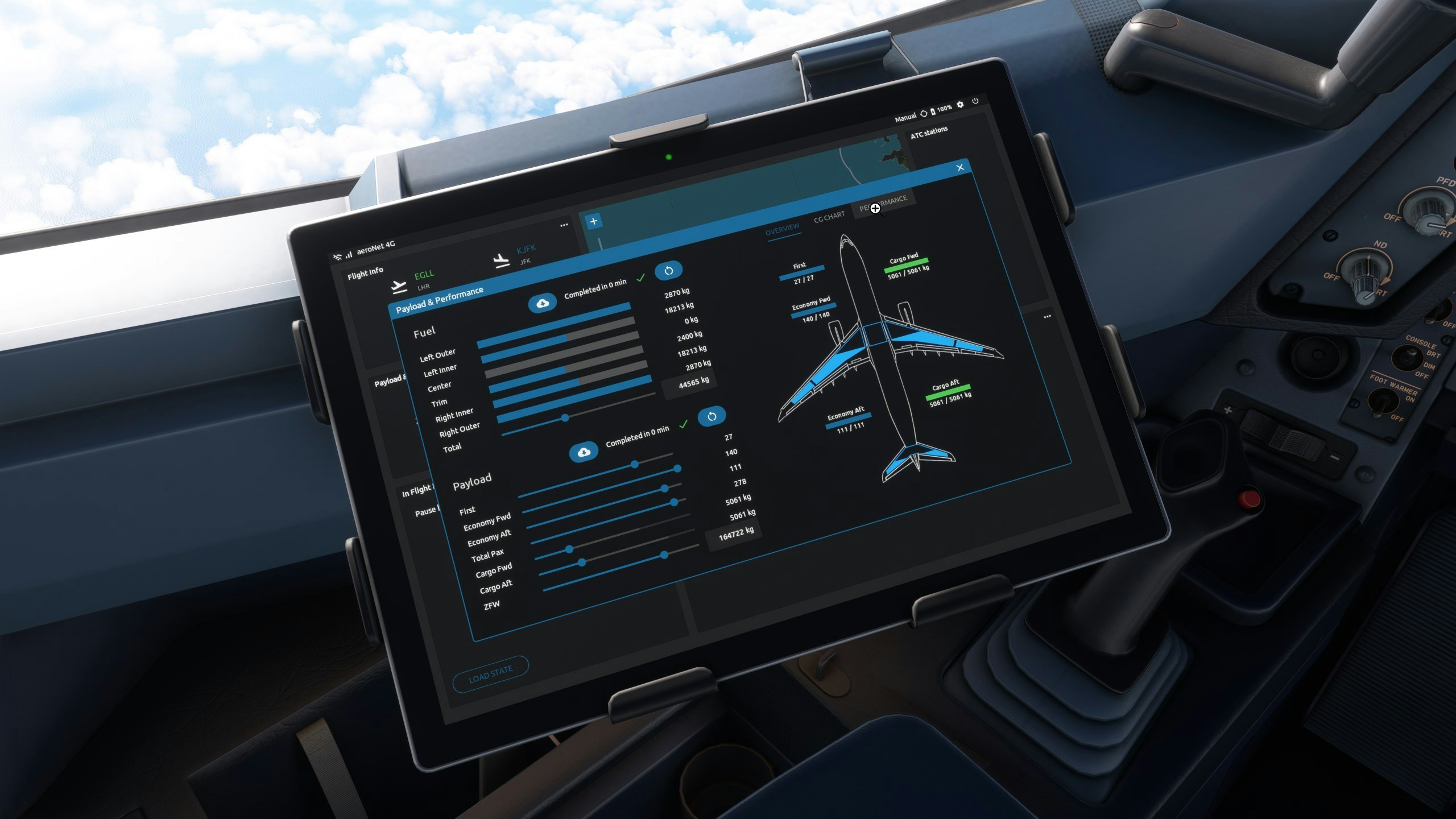
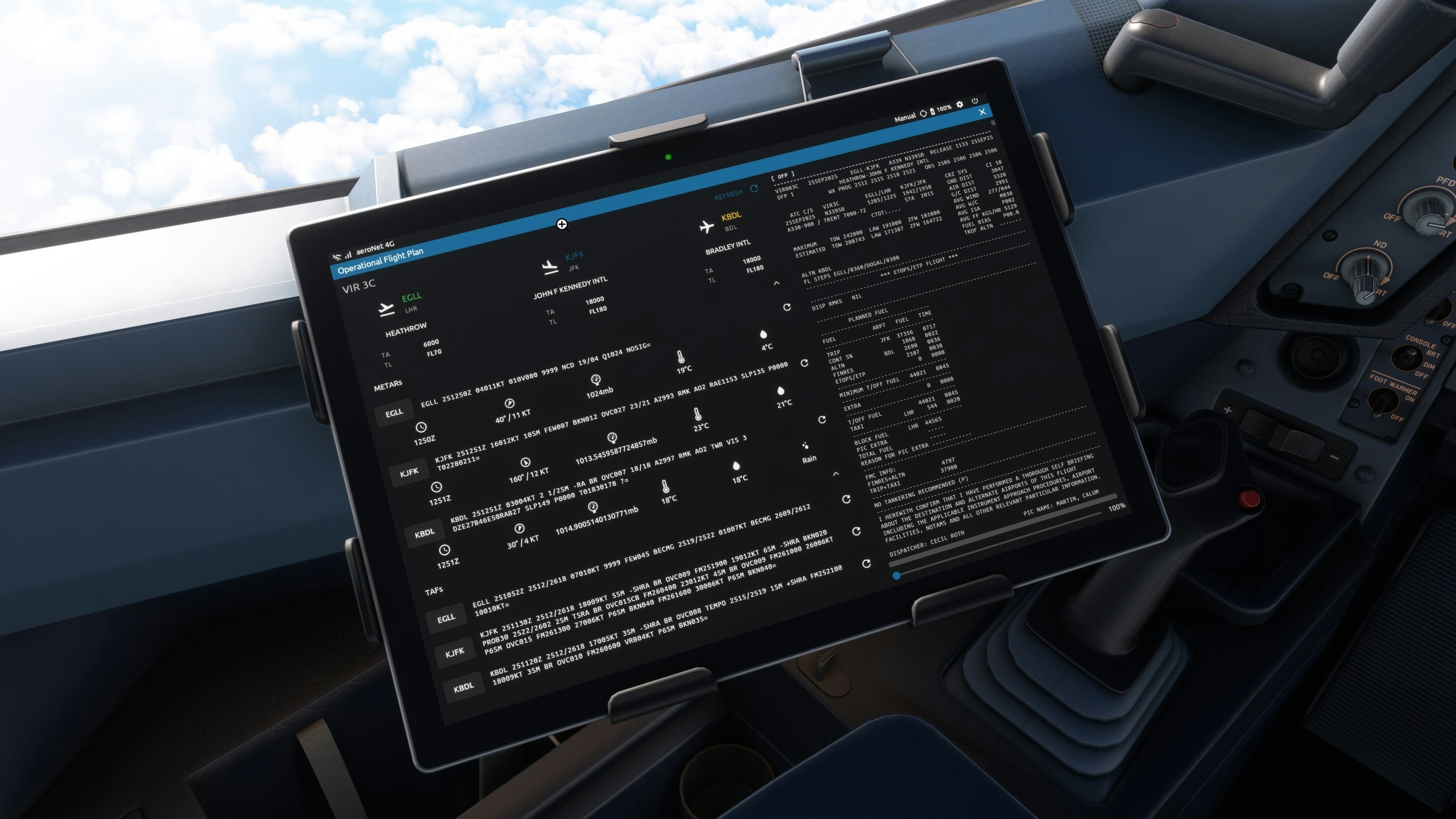
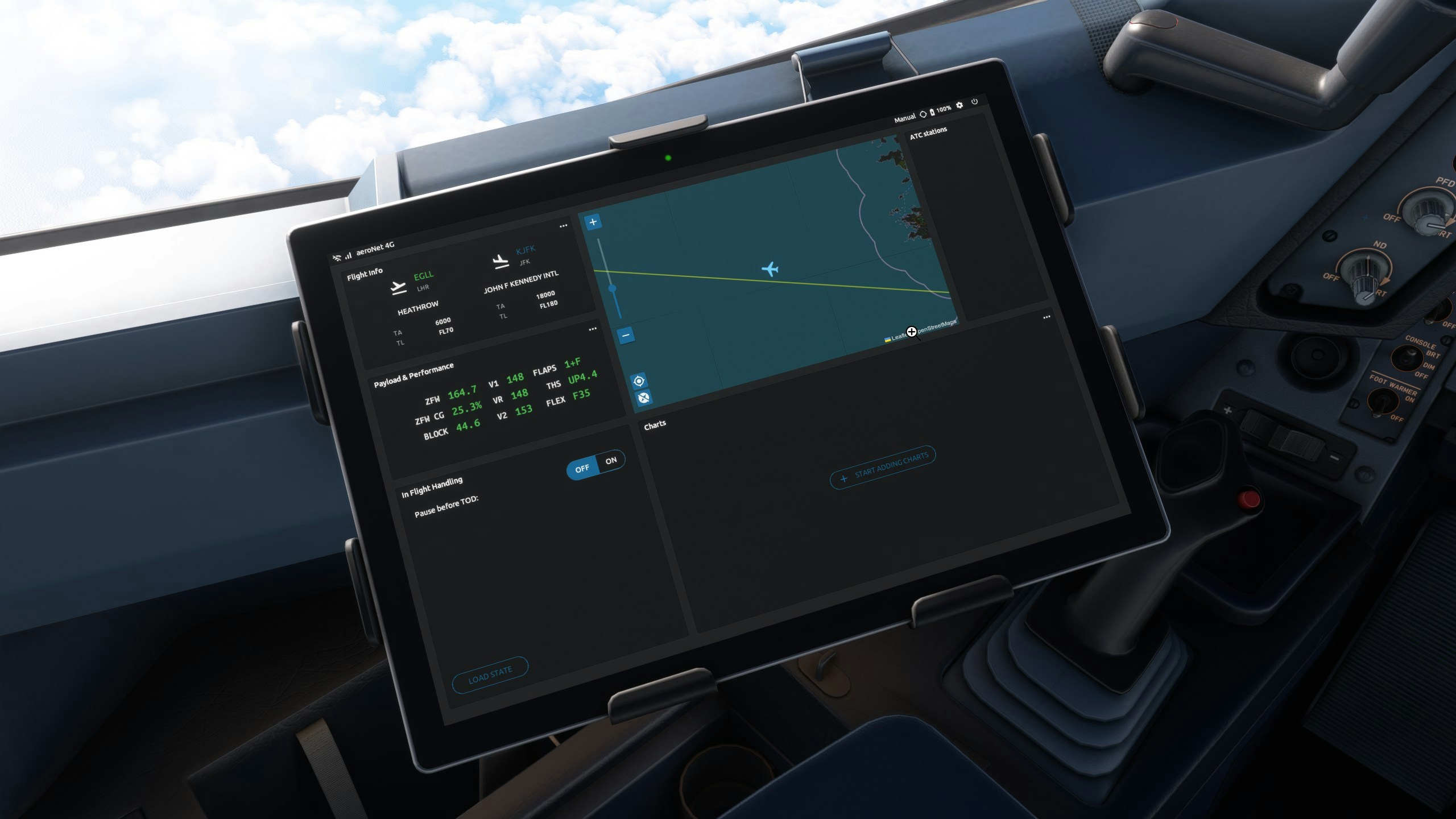
Performance has also been impressive. On a number of test flights, the A330neo ran smoothly without major stutters or performance dips, even when departing from heavier airports. For anyone worried about flying a large airliner without a performance hit, this will be welcome news. Audio is in a reasonably good state, too. The engine spool-up sounds powerful and convincing, adding immersion during take-off and climb. However, the external soundscape is less developed at this stage. Fly-bys and outside views don’t carry the same depth or richness, which breaks the illusion somewhat. Hopefully, this is an area that will see refinement before release.
Where things become more concerning is with the aircraft’s systems. This pre-beta build still lacks HOLDs, Direct-to, and wind data inputs—three features that are essential for flying long-haul properly. Their absence makes online flying much more difficult, and for simmers looking for realism, that’s a significant limitation. Strangely, the FIX INFO page works and I was able to draw rings around waypoints and airports, plus add abeam information pretty easily. The LNAV is also not yet reliable, with the plane struggling to track smoothly even on straightforward procedures. During climbs, behaviour was inconsistent: in one case during the climb, the aircraft descended after passing 10,000 feet in order to increase speed. While in another, the open climb mode sent it rocketing upwards far too quickly before stabilising. These are behaviours that need to be addressed if the aircraft is to perform in a way that feels natural and reliable.
That said, hand-flying the A330neo is an enjoyable experience. The fly-by-wire system has been implemented, and the aircraft responds well when flown manually. There’s a sense of stability and control that makes it rewarding for shorter stints away from the autopilot. Of course, this is a long-haul Airbus, and most simmers won’t be hand-flying for extended periods, but the fact that it already feels good in the hand is a promising foundation.
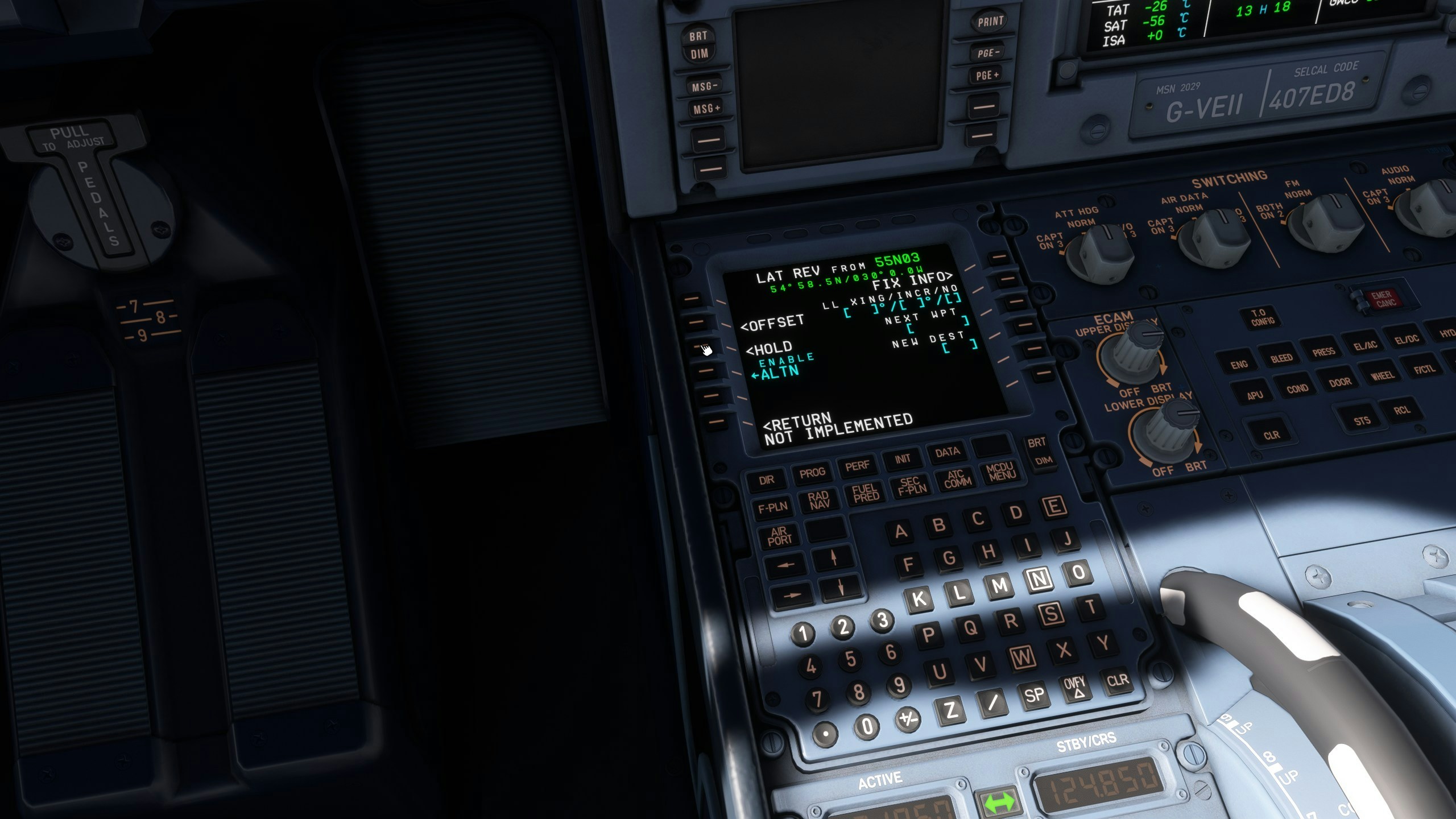
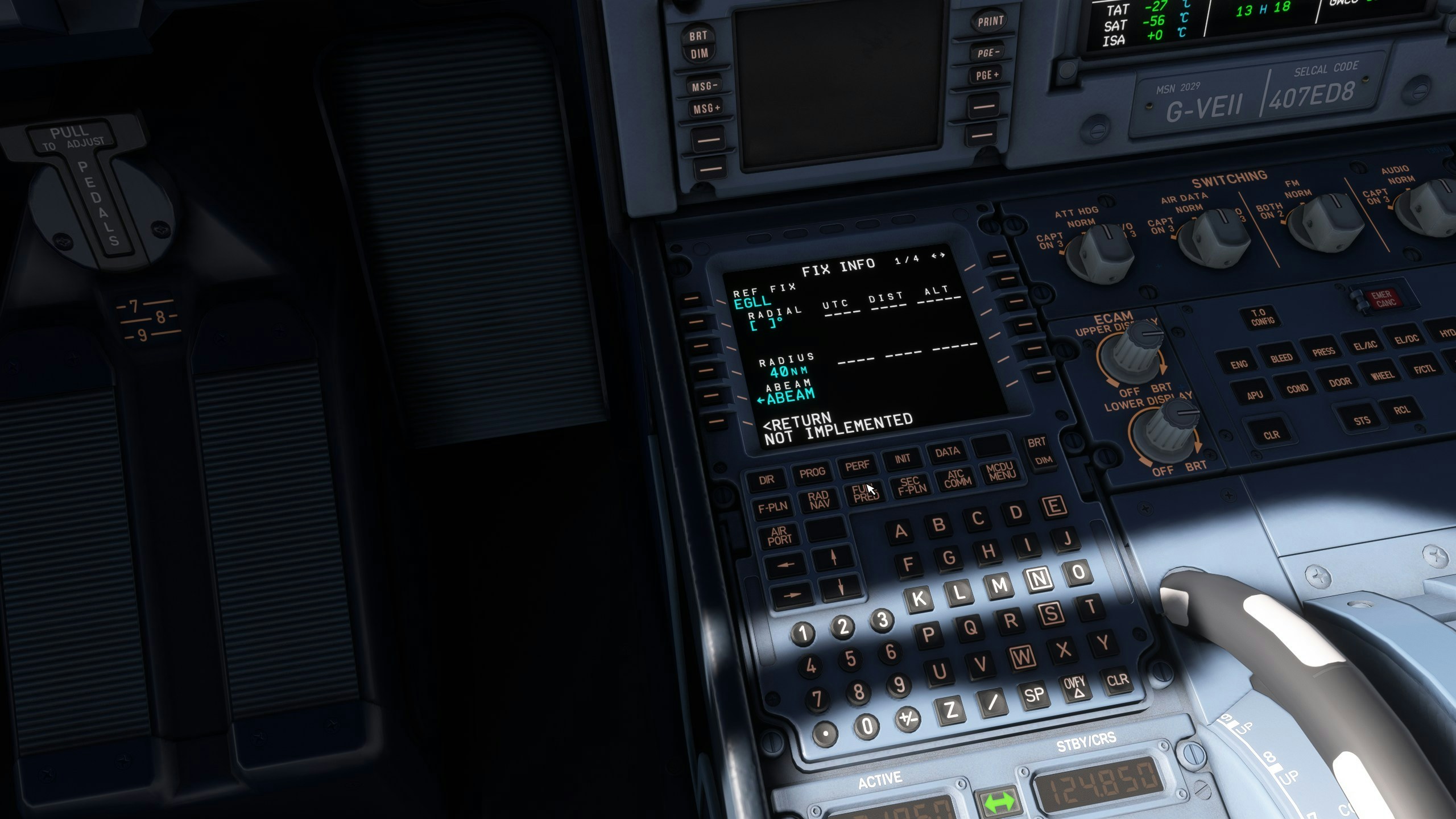
Other elements of immersion are missing in this build. Terrain and weather radar were inoperative during testing, which limited situational awareness when flying in more dynamic conditions. ATSU functions on the MCDU weren’t present either, meaning datalink and other features weren’t usable. These omissions don’t make the aircraft unusable, but they do reduce the sense of completeness that many expect from a modern airliner simulation.
The A330neo seems to be aimed squarely at the more casual simmer. Its visuals are good, performance is smooth, and the EFB offers an accessible way of managing key functions. That will no doubt appeal to many who want a widebody Airbus without needing to learn every last detail. However, even for casual users, features like HOLDs and Direct-to are hard to overlook. They’re not niche functions—they’re core tools that help flights go smoothly, especially on online networks. Without them, the A330neo feels limited, even at a more affordable price point.
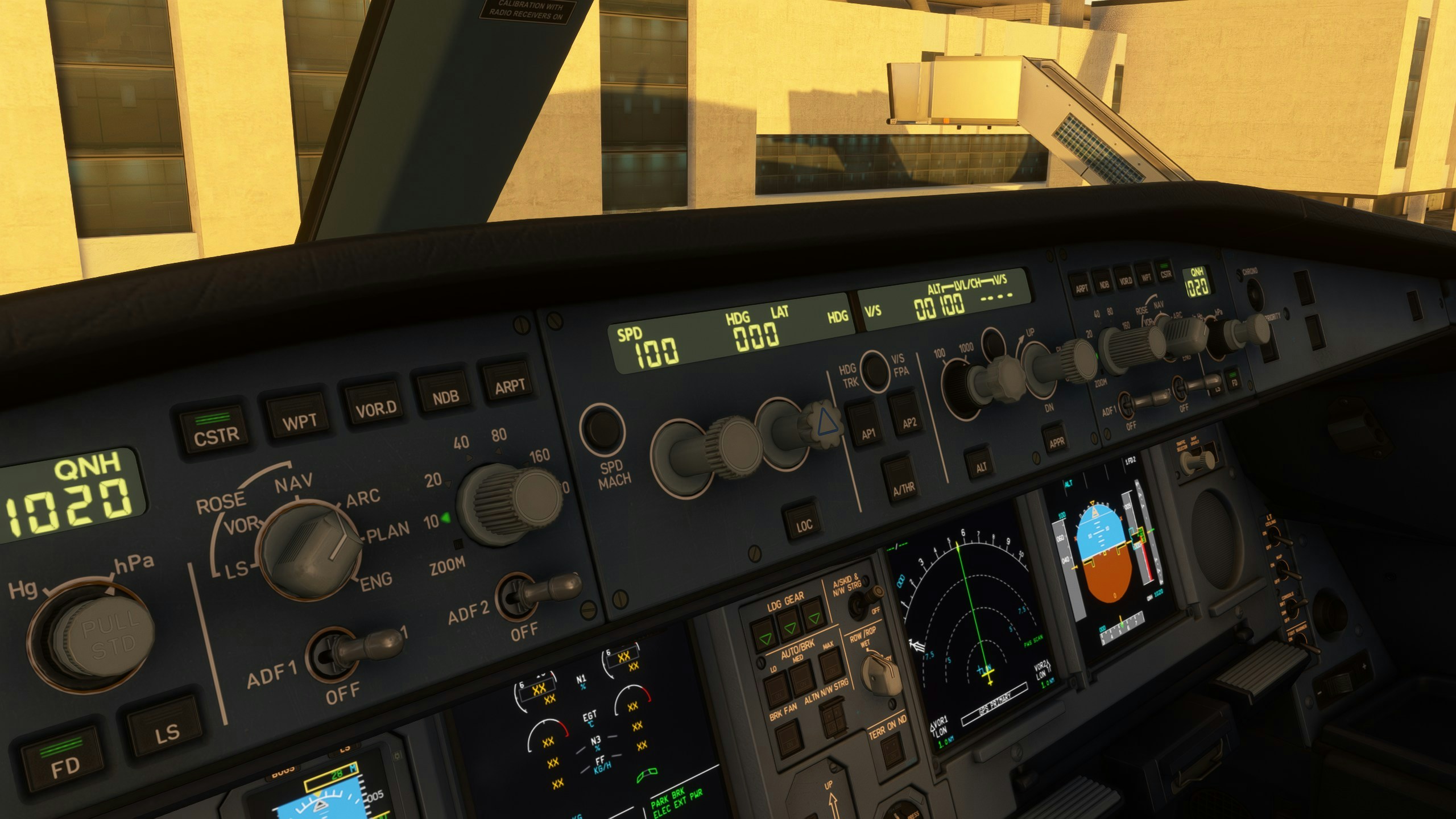
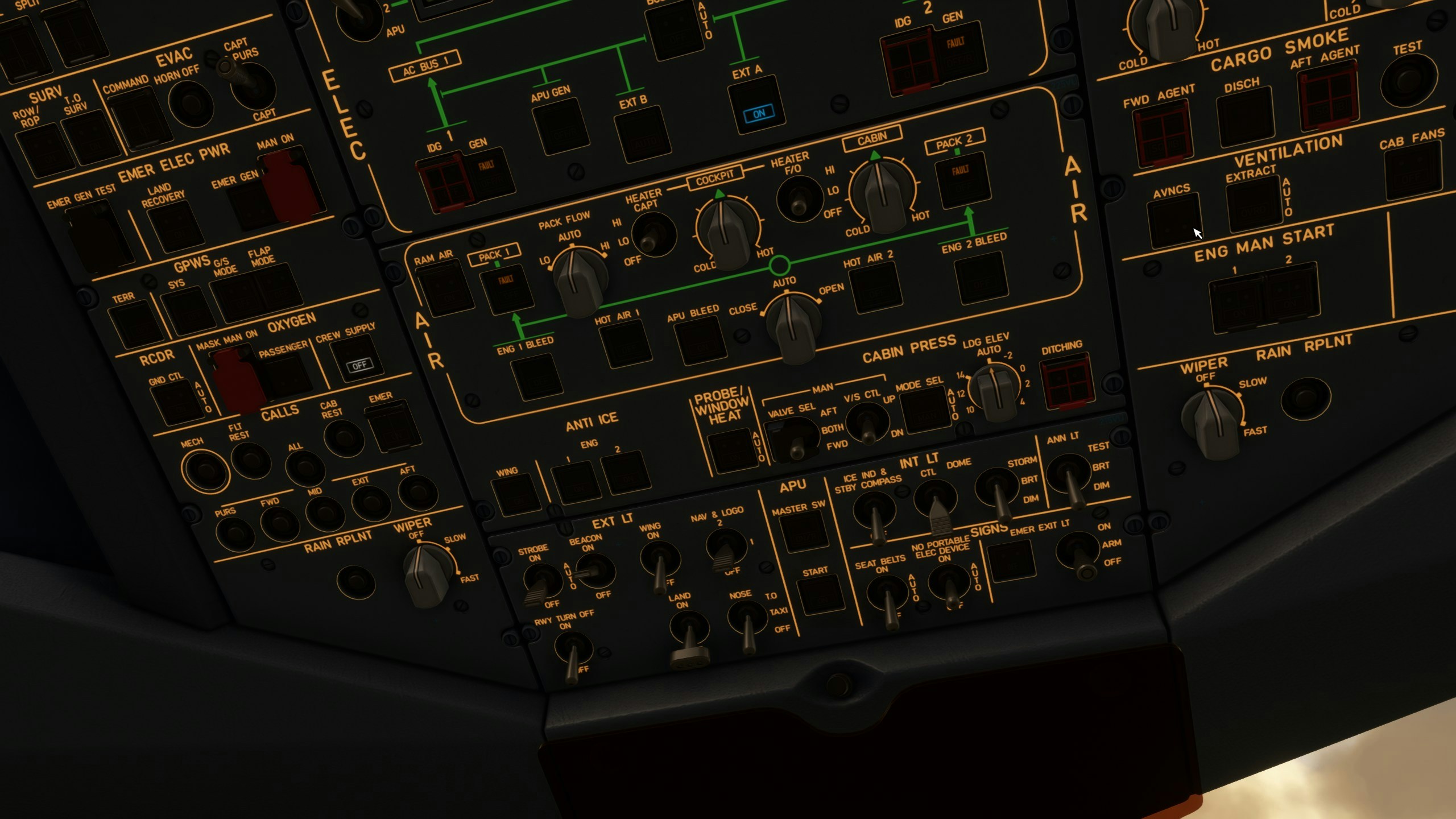
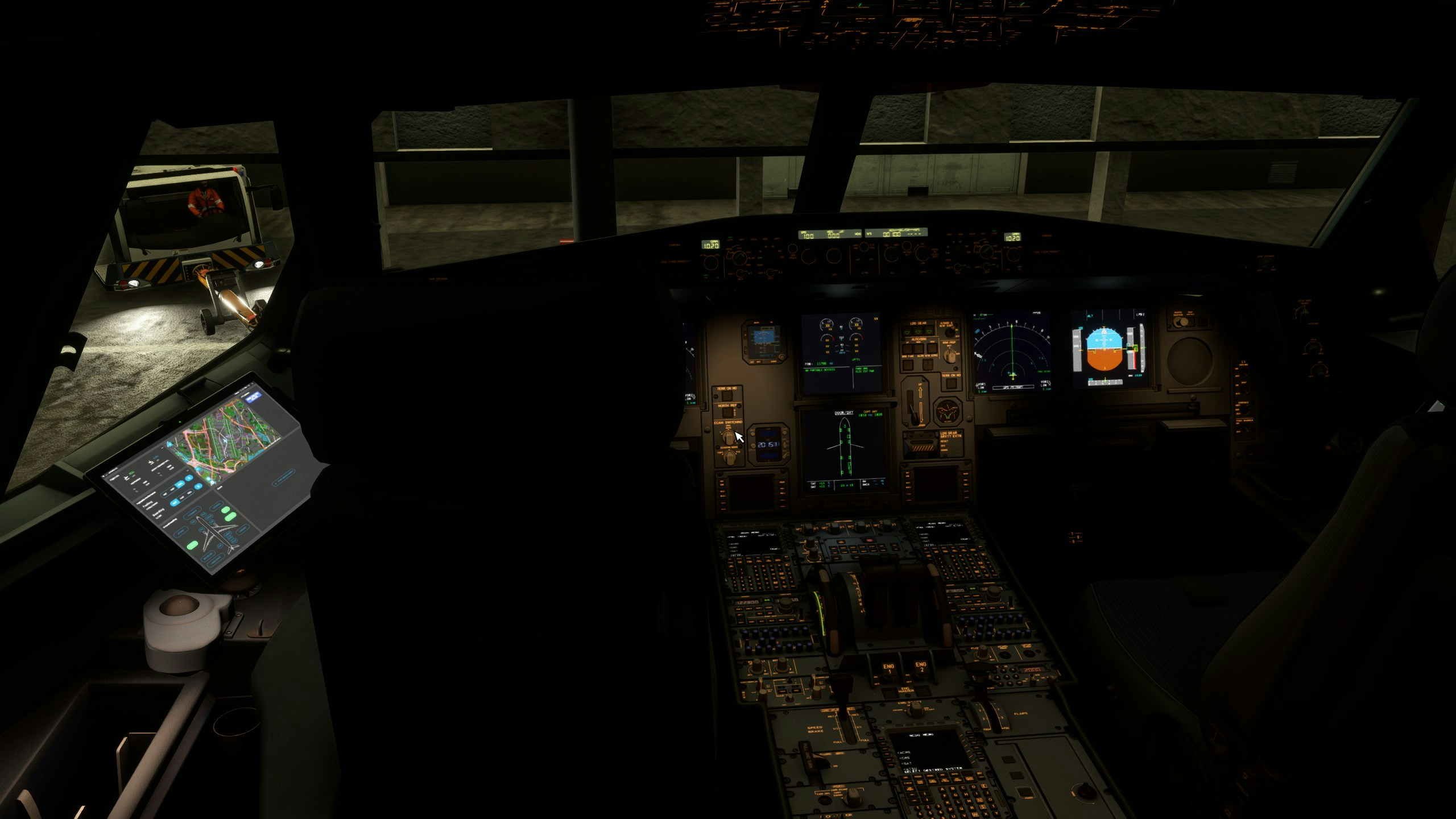
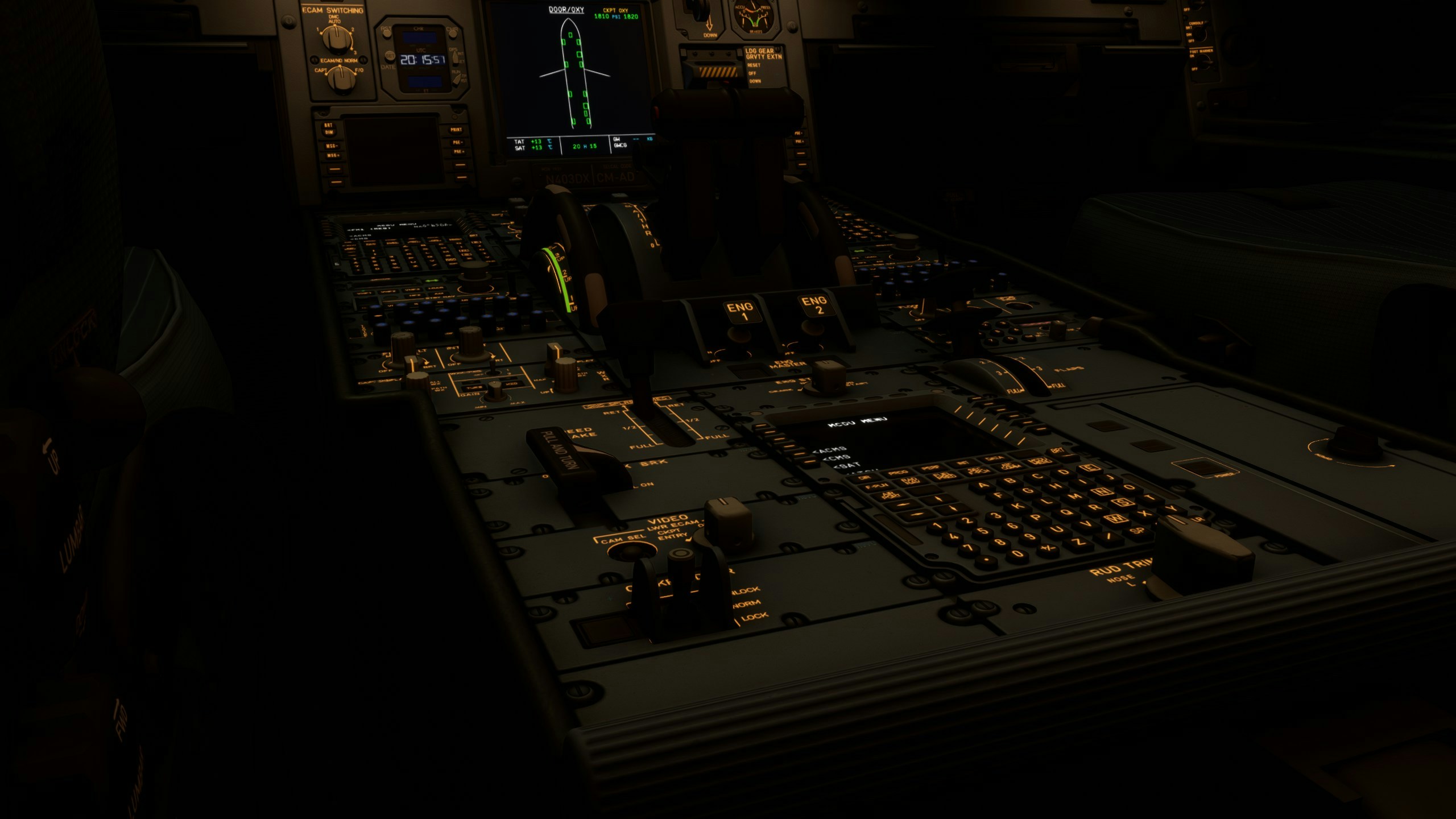
After spending time with this pre-beta build, my overall impression is mixed. On one side, Aerosoft has clearly improved the visuals, improved the EFB, and delivered a product that runs smoothly. On the other hand, the absence of key systems and some odd flight behaviours leaves it feeling unfinished and not yet ready for everyday use. There’s no doubt progress has been made, and this could become a solid product if Aerosoft delivers on the fundamentals. But at this stage, the A330neo feels like a promising but incomplete step forward rather than a true redemption.
Ultimately, Aerosoft’s A330neo has the potential to carve out a place for itself as an accessible widebody Airbus. For that to happen, though, the development team will need to close the gaps in core functionality and make sure the aircraft behaves as expected across a full flight profile. The building blocks are there, but the basics need to be prioritised. If Aerosoft can get that balance right, the A330neo could become the aircraft the ceo never managed to be. If not, it risks being another product that looks appealing on the surface but doesn’t hold up under real use.
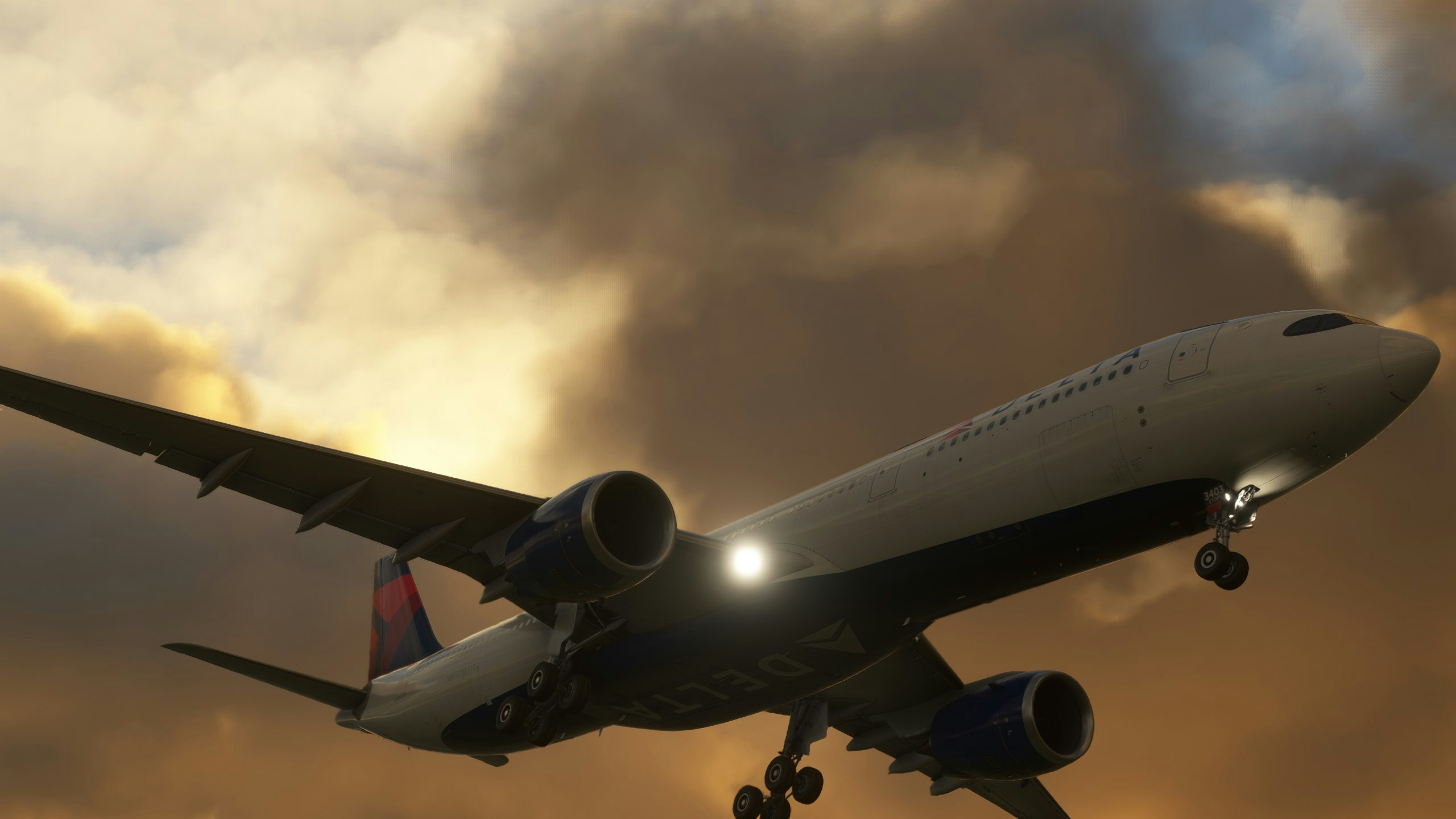
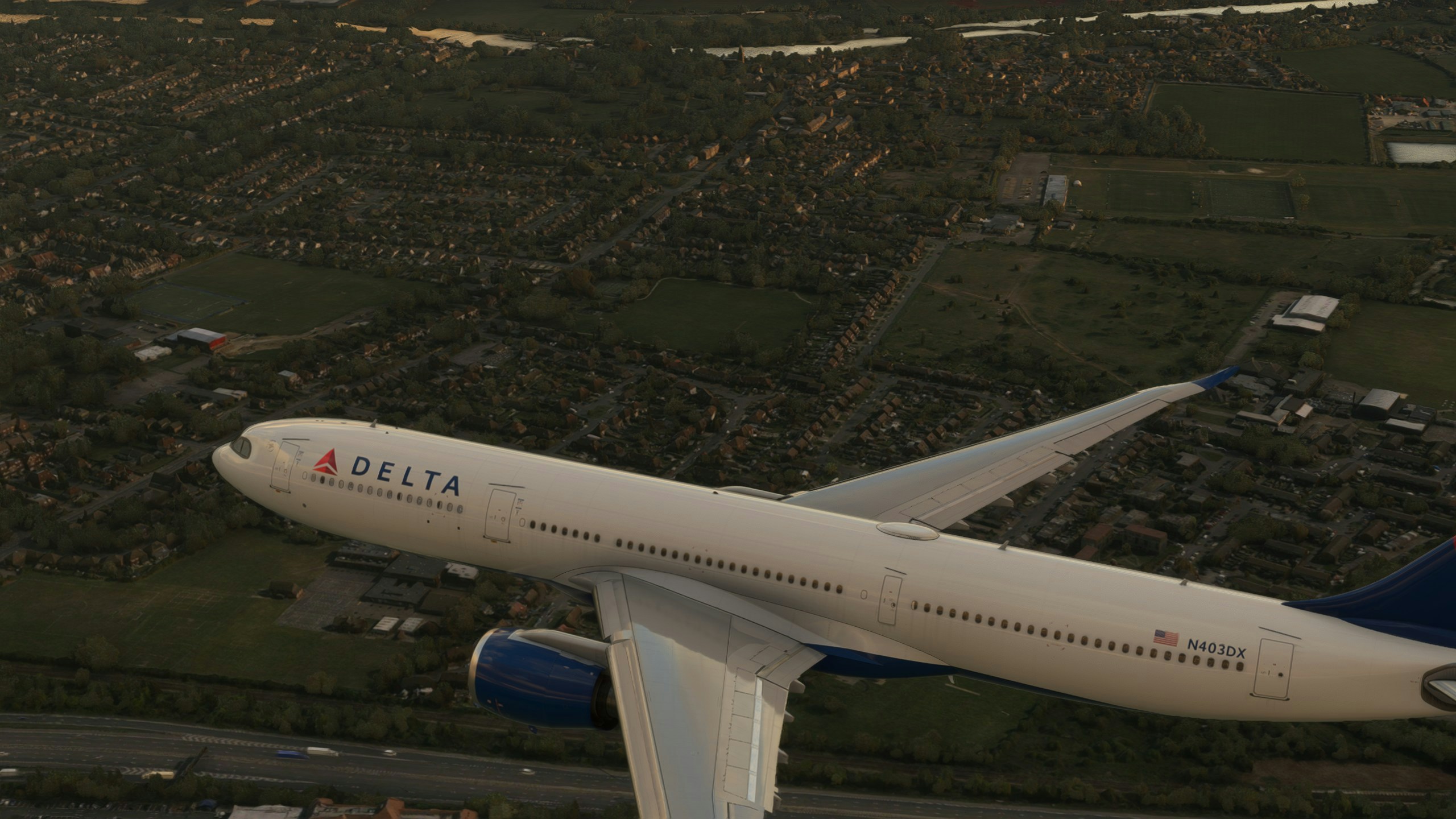
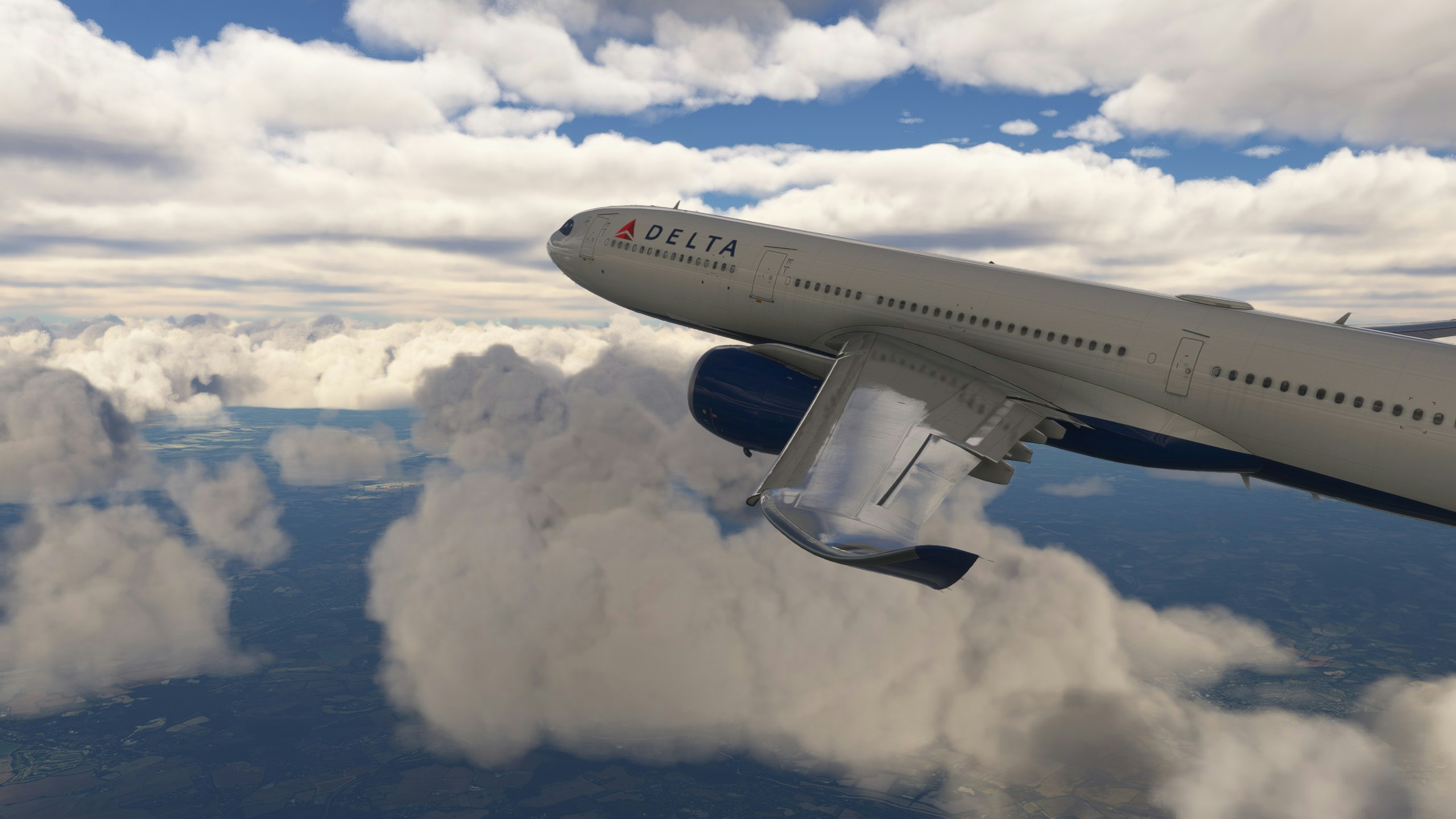
I just hope this sense of deja vu won’t last upon its full release later this year.