
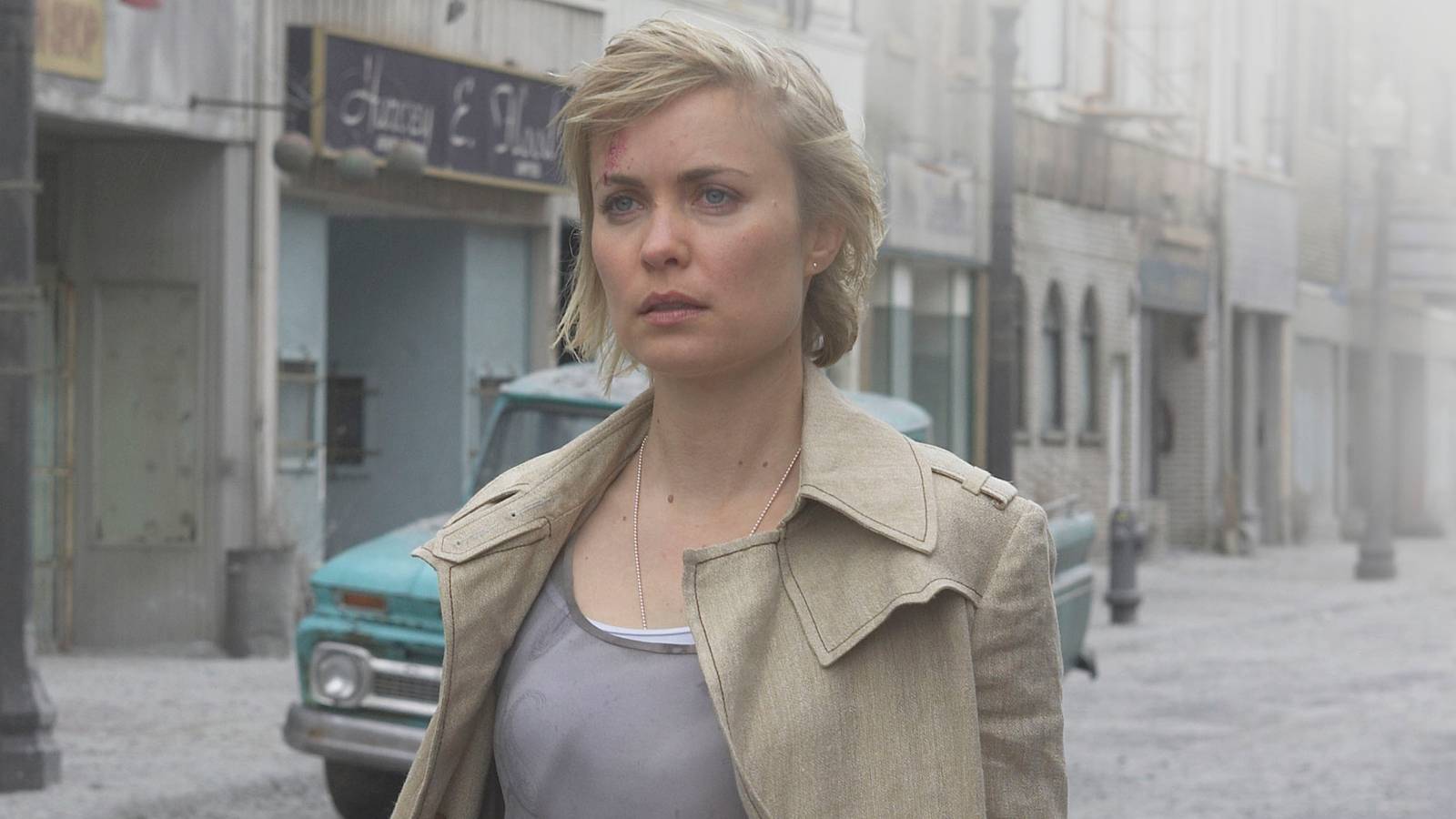
The history of video game adaptations is an interesting one to chart, as it often exists in extremes of being great or the worst thing to ever happen to the property. Sure, Mortal Kombat (1995) has its charms, and Resident Evil (2002) was its own thing that found a fan base, but the ’90s and 2000s were plagued by mostly awful adaptations from Double Dragon (1994) to Doom (2005). In the modern era, there is a better track record with films like Detective Pikachu (2019), Five Nights at Freddy’s (2023), and Sonic the Hedgehog (2020), all of which have been embraced by fans. Yet, this contrast of quality still exists: Warcraft (2016), Monster Hunter (2020), and the worst offender, the slop that was Borderlands (2024).
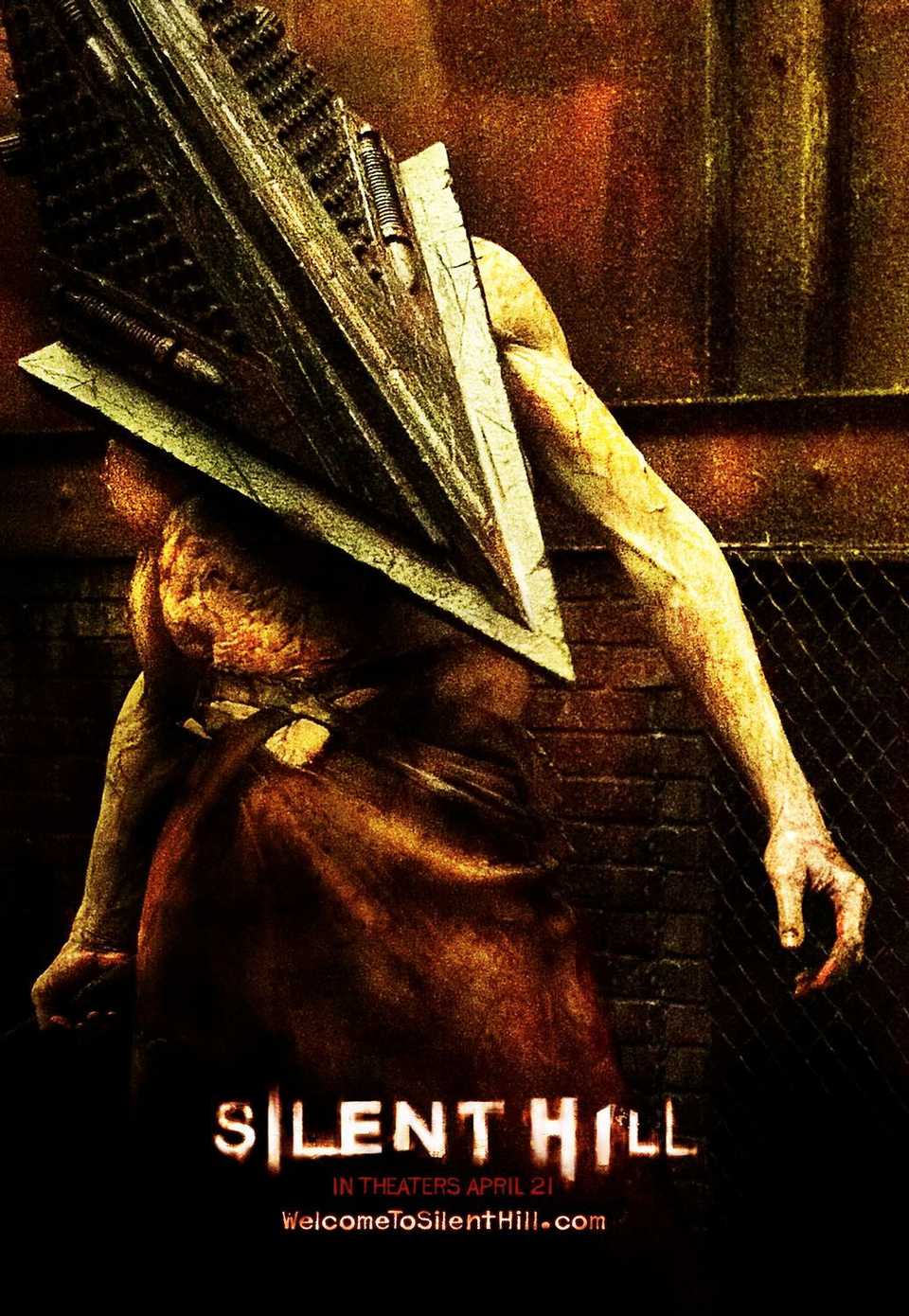
Yet, there is one film that is in a bit of a peculiar place. By all accounts, a failure on release, 2006’s Silent Hill remains in many memories as a throwaway example of an era when video game adaptations were trying to find their footing. Yet, looking at the movie in retrospect, it deserves more accolades and credit for how it would shape the approach to video game adaptations and horror in general.
‘Silent Hill’ Failed To Capture Attention at the Box Office and Confused Gamers
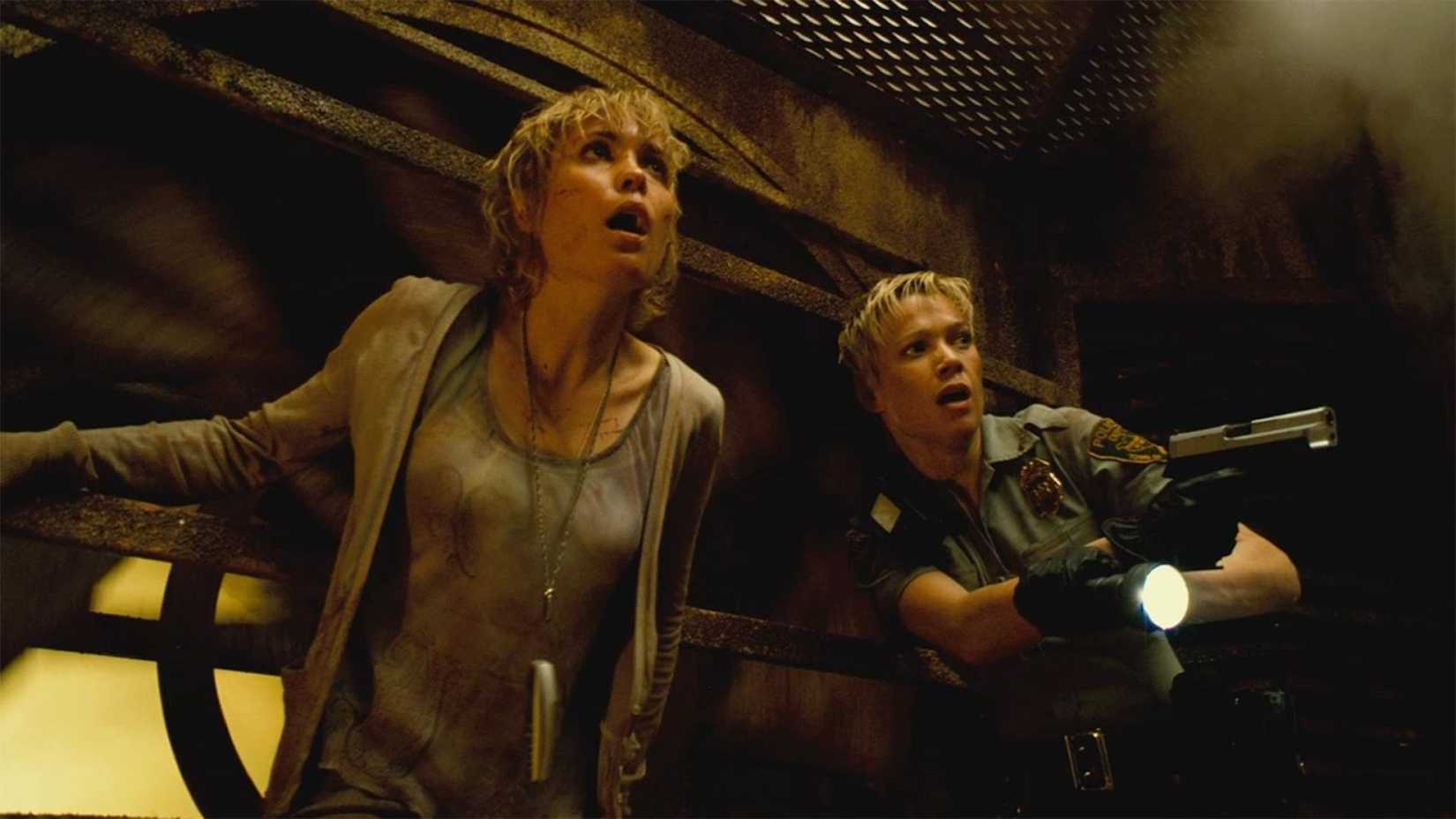
Radha Mitchell and Laurie Holden in ‘Silent Hill’ (2006)Credit: Sony Pictures Home Entertainment
For those, like many, who overlooked Silent Hill on release, the film follows Rose Da Silva (Radha Mitchell), a mother reeling from the loss of her daughter, who ends up having visions of a place called Silent Hill. Heading to the location, Rose soon finds herself trapped inside and having to deal with its scant residents who live in habitual fear of the town that is constantly transforming and being flooded by monsters. The grieving mother must face frightening visions and encounters while she pushes forward to find her daughter, who is now in the hands of a mysterious cult.
Silent Hill would go on to be a disappointment at the box office, not a flop, but middling. With an estimated budget of $50 million, it fell short of making that back at the domestic box office; moderate success internationally would bring its global earnings to just over $100 million. At the same time, the movie would face general scorn from critics, reflected in its 29% rating on Rotten Tomatoes today, with many viewing it as just another bland video game adaptation. This sentiment, arguably, would also be reinforced by the general perception that the medium lacks the same ‘artistic’ integrity to earn praise that many believed it had in the ’90s and 2000s.
For the casual movie-going audience, the success of the adaptation was somewhat less clear. On one hand, general horror fans had it pegged as not being scary due to its emphasis on atmosphere, while people who appreciated the video game were more lenient, and some praised its adaptation; arguably missing on delivering a story worthy of the franchise, but capturing the tone and the sense of unease it created. You can see the shift in greater appreciation for 2006’s Silent Hill in online aggregate sites, with the movie holding a favorable score of 6.5/10 on IMDB, 63% fan score on RT, and 3.1/5 on Letterboxd. Critics may have panned it, but many fans embraced it, and that appreciation has only grown.
Why ‘Silent Hill’ Should Now Be Considered as the Trail Blazer That It Is
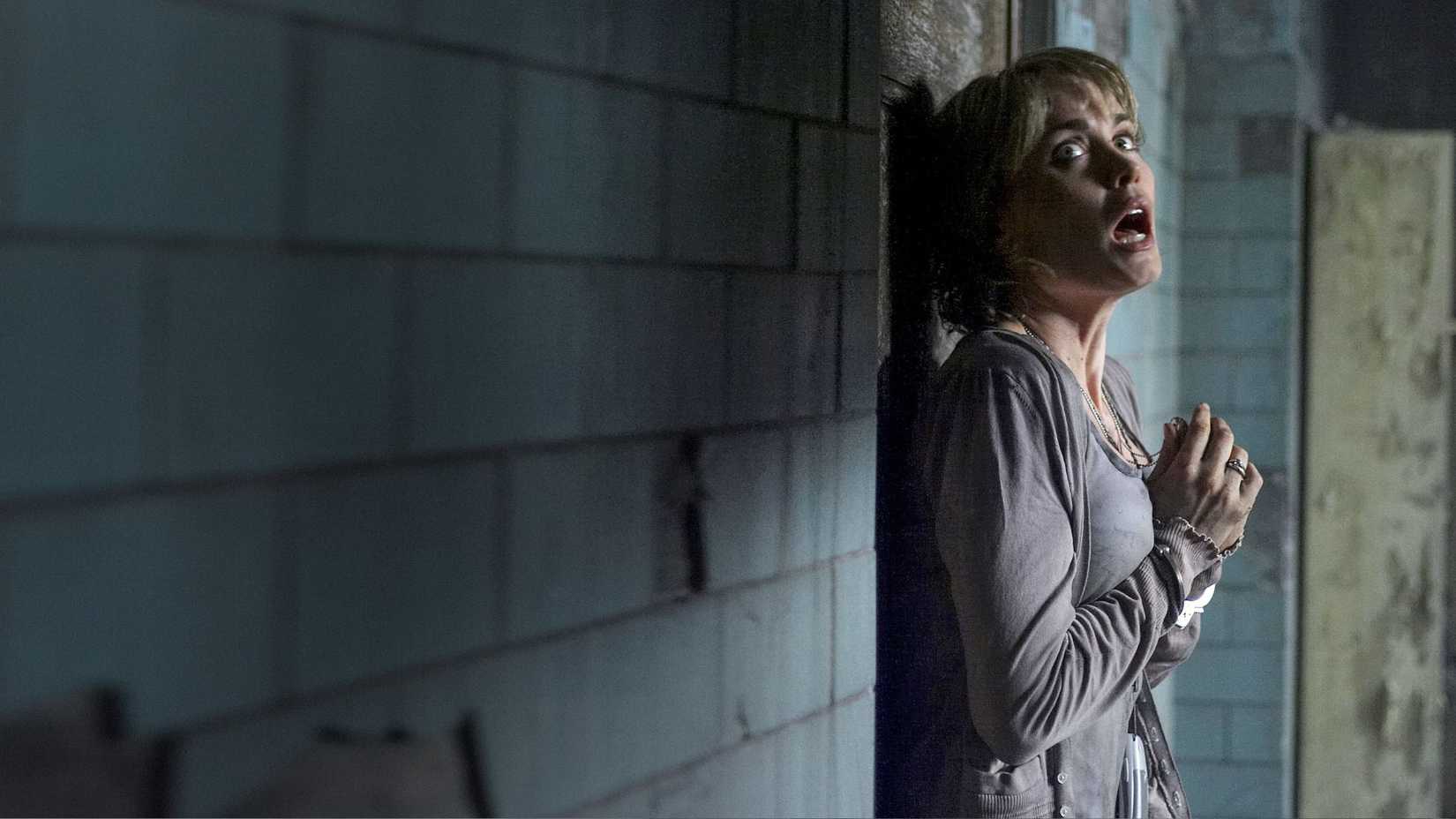
Radha Mitchell in ‘Silent Hill’ (2006)Credit: Sony Pictures Home Entertainment
While the timing of Silent Hill and the continued growth and interest in video game adaptations have left it falling short of earning deserved praise, retrospectively, the film was a trailblazer. During an era where Hollywood was struggling to tap into that growing market of gamers, which now dwarfs theirs, it did not give in to trying to force the industry’s vision of what those games should be.
Where many early adaptations felt like the product of a corporate think tank asking what it was that these mysterious gamers thought was cool, Silent Hill adopted the atmosphere and visual design of the popular video game franchise and attempted to build its narrative around that. This, in part, could be attributed to director Christophe Gans’ long and determined push to make the film a reality as a fan of the property. Was it 100% successful? That is arguable, but what is concrete is that it was a step in the right direction that helped shape how other companies gradually started to approach adaptations.
It can also be argued that Silent Hill was ahead of emerging trends in horror, perhaps faltering in some elements because there was no structure around it. Still, now that atmospheric and slow-burn horror has come to be as welcome at the box office as sensational slashers and shocking ghost stories, Silent Hill is more reflective of the shifting view of horror within Hollywood that has brought the genre to what it is today. A24 is likely to tackle video game adaptation, but Silent Hill would be the ideal fit, and the end product could be a tweak on what was attempted in the 2006 film.
Should You Return to ‘Silent Hill’ 20 Years Later?
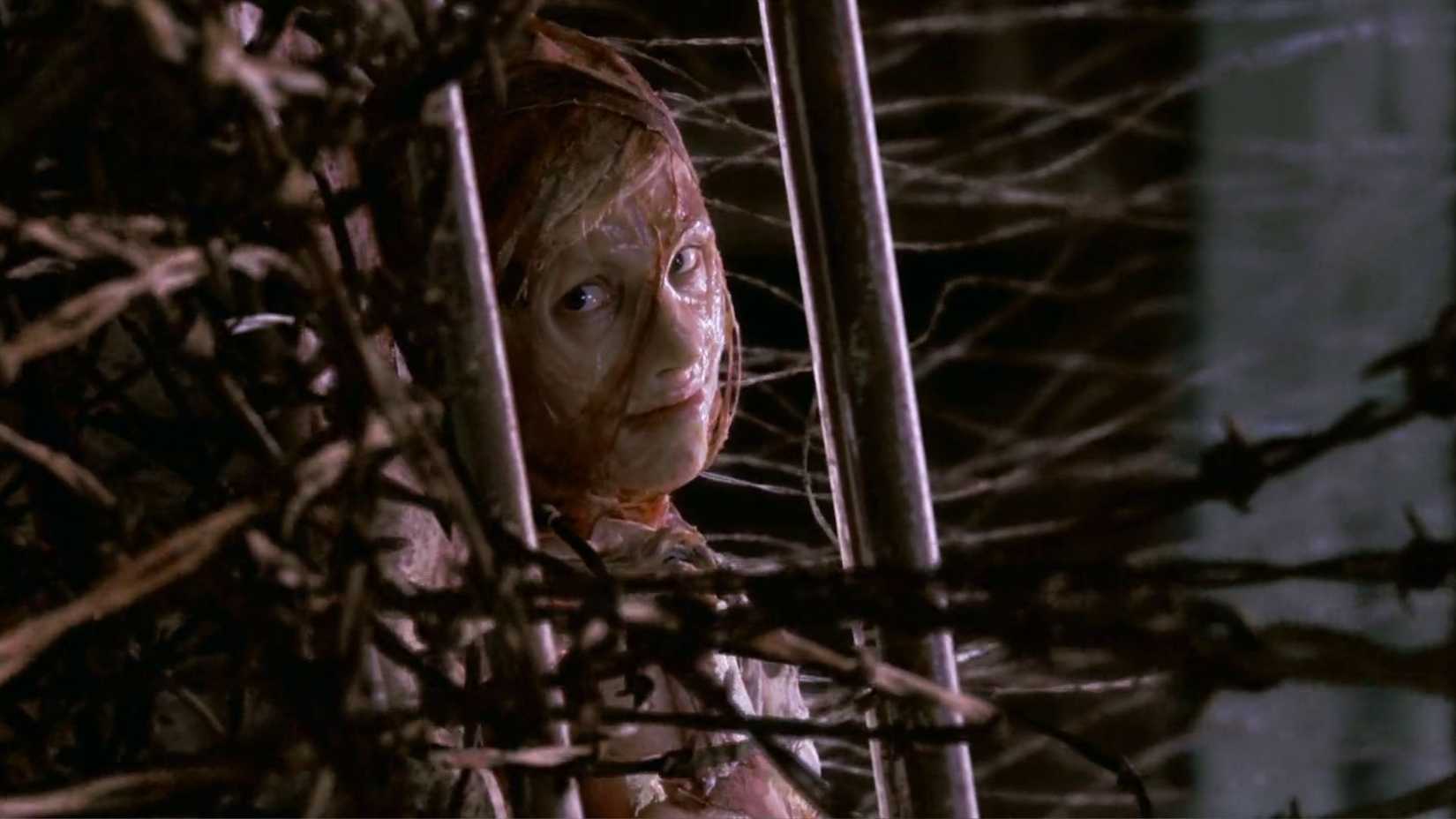
A deformed figure in ‘Silent Hill’ (2006)Credit: Sony Pictures Home Entertainment
We are not going to lie and say that the film is perfect. The religious horror angle, arguably, does not work; some unintended campiness has the town of disheveled followers involved in some black magic nonsense feel more like Monty Python than otherworldly horror. The CGI itself, while cool and innovative for the time, is now aged and really is not up to modern-day standards; more practical effects would have helped the film have a longer-lasting legacy. Yet despite its shortcomings, Silent Hill stands out as one of the most visually competent and compelling video game adaptations of the 2000s, and arguably beyond. As such, fans owe it to themselves to check out the film and give it another watch, particularly if they were washed up in the negativity it saw on its initial release.
Its dark, brooding atmosphere, and emphasis on creating a consistent sense of unease with dark landscapes, audio cues (siren), and not overusing the monsters from the franchise are all praiseworthy. Moreover, this approach reflects more modern horror sentiments than Hollywood’s 2000s attempts, which primarily focused on trying to be a big (and ultimately dumb) spectacle loosely tied to a popular name. In 2025, it is certainly worth taking a trip back to Silent Hill.
Release Date
April 21, 2006
Runtime
127 minutes
Director
Christophe Gans