
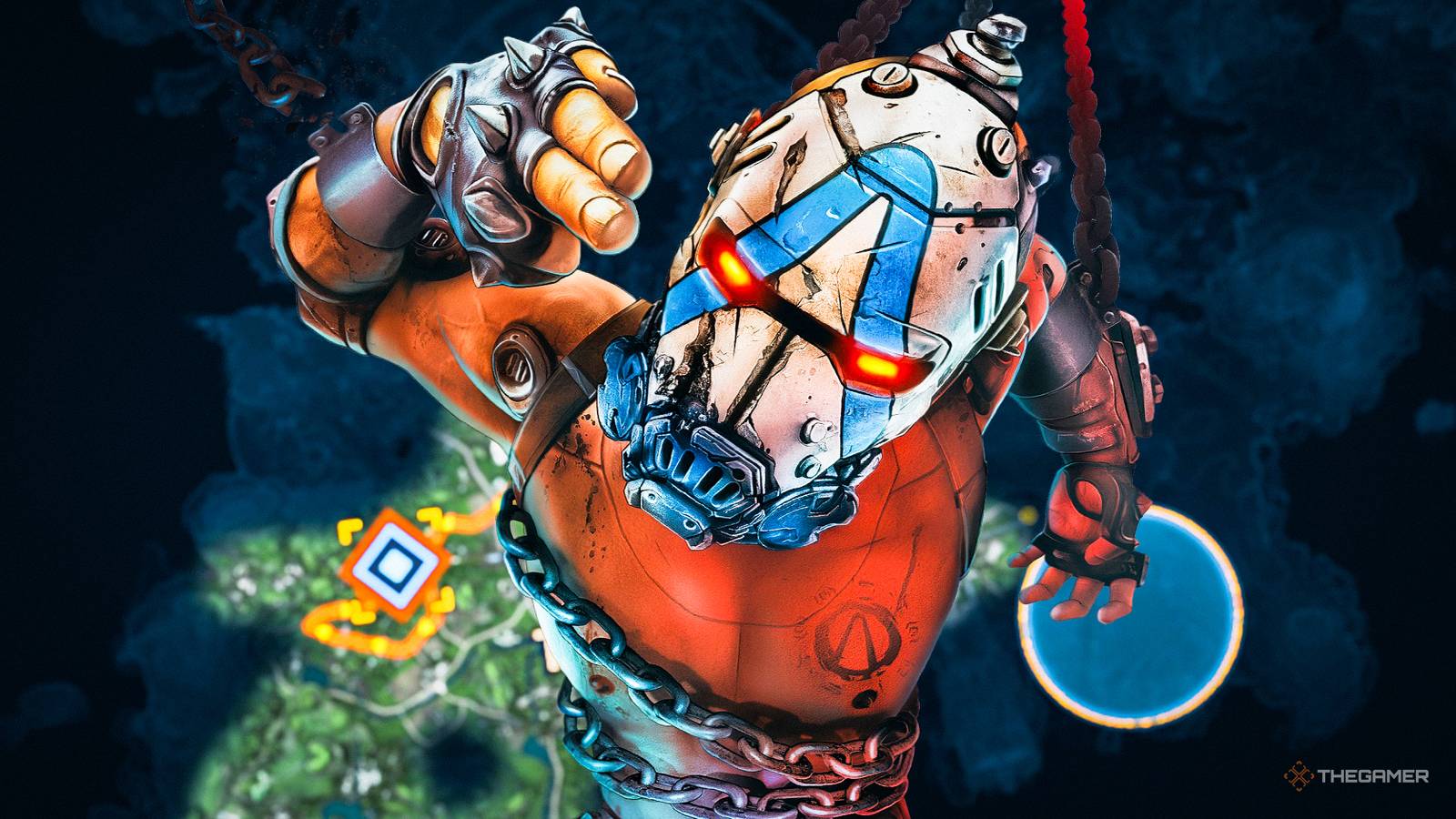
I’ve always had a difficult time putting a finger on why exactly the Borderlands games aren’t open-world. Not why Gearbox chose not to make them fully open-world. But what, exactly, is it about the games’ design that makes them different from something like Ghost of Tsushima or Assassin’s Creed 2? Now that Borderlands 4 is out, I’ve been playing a whole lot of it, and I think I’ve found my answer.
Borderlands 4 is the first entry in the series that is fully open-world. It has a single continuous map, and after completing the tutorial, you’re dropped into it and are free to explore in any direction you want. There are three main tasks you need to accomplish, but these can be tackled in any order. There’s an early quest you should do if you want to unlock some important tools, but you can run off without them if you want, too.
Tears of the Kingdom, which no one would deny is an open-world game, did the same thing. You could miss out on the paraglider for hours if you didn’t continue the main quest after gaining access to the open-world.
But how different is Borderlands 4 from its predecessors? How big of a gear shift did Gearbox actually make?
Borderlands Offered Open-World Trappings But Not A Full Open World
The earlier Borderlands games were always right on the edge of open-world. They have many of the trappings: main quests, side quests, the ability to explore in an open-ended manner, fun vehicles to drive around, and battles to stumble across out in the world. If I hadn’t played Borderlands and you described it to me, I would assume it was an open-world game.
But the way the world is chopped up has always made it feel different. Even early open-world games like Grand Theft Auto: Vice City offered one contiguous map. Later open-world games like Assassin’s Creed 2 — which launched the same year as the first Borderlands — had loading screens, but only to separate major areas. So, in AC2, you started in Florence, then went to Tuscany and Venice later on, and each city had its own map. But once you got to the city, it wasn’t partitioned into zones. You had the run of the place.
So, Borderlands’ choice to chop its map into a bunch of smaller areas has always felt like a design decision, not merely a result of technical constraints. And that seems especially clear since it remained Gearbox’s paradigm until Borderlands 4.
Load Screens And Linear Maps
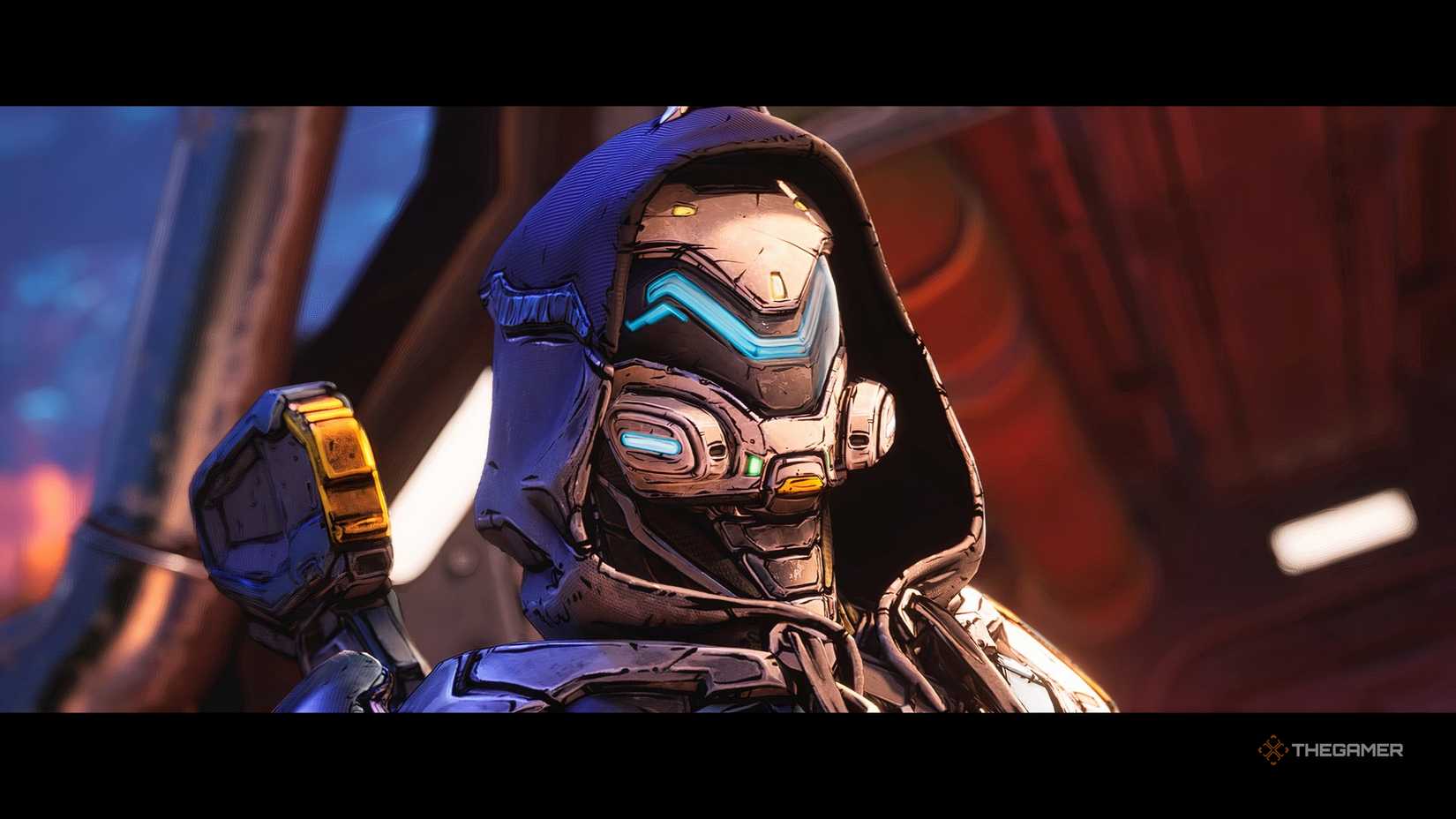
Before Borderlands 4, Pandora was composed of many different pieces, all stitched together. There were more open sections and fewer open sections, but you needed to pass through load screens fairly frequently to travel from one end of the map to the other.
Borderlands 3 let us travel from planet to planet, but even each planet map was split up in the same way Pandora had been.
In Borderlands 4, that isn’t the case. The only times a load screen pops up are when you’re entering certain quest-specific buildings or transitioning between areas within those buildings. In the context of the game, these buildings function like dungeons. You won’t ever hit a load screen while exploring the exterior world, though, and that’s new.
Previous games were also hampered by certain sections feeling less like open areas and more like extended hallways. In Borderlands 3, the entire planet Athenas was basically one long corridor. It branched slightly at one point, but it couldn’t really be described as a region at all. It was more like a level masquerading as a planet. Borderlands 3 isn’t the only game where openness is held back by including multiple worlds to visit. Bethesda fans heavily criticized Starfield for making travel between its planets heavily dependent on checklists of areas. By focusing on one world, Kairos, Borderlands 4 avoids this choppy feeling.
Tiny Tina’s Wonderland introduced an overworld, but even this served only as a way to stitch together the regions you’d visit.
It still has unique biomes, but you can drive between them — again, without loading screens, and that’s a major improvement from the series’ origins. The first Borderlands similarly focused on just one planet and was still thoroughly subdivided. Despite staying on Pandora for the entire runtime, you were constantly driving through loading screens to reach your next destination, and the game could feel exhausting as a result.
As someone who has played some, if not all, of every shooter in the series, Borderlands 4 is consistently surprising. It still feels like Borderlands, but the improvements are everywhere. It feels like what Borderlands was always meant to be.