
When Uber unveiled during its April 2019 IPO filing that it may never be profitable, the once hyped gig work economy came to a standstill as Silicon Valley retooled its expectations for the sector. It’s an example of a common tech phenomenon: the boom and reckonings a nascent industry must endure in order to develop into something legitimate and robust.
The rise and fall of esports is perhaps the most recent – and quite dramatic – example of this phenomenon. Dealmaking in esports peaked in 2021 with 480 deals globally, according to PitchBook. But in 2024, the sector ended with a mere 166 deals, the same amount made in 2016.
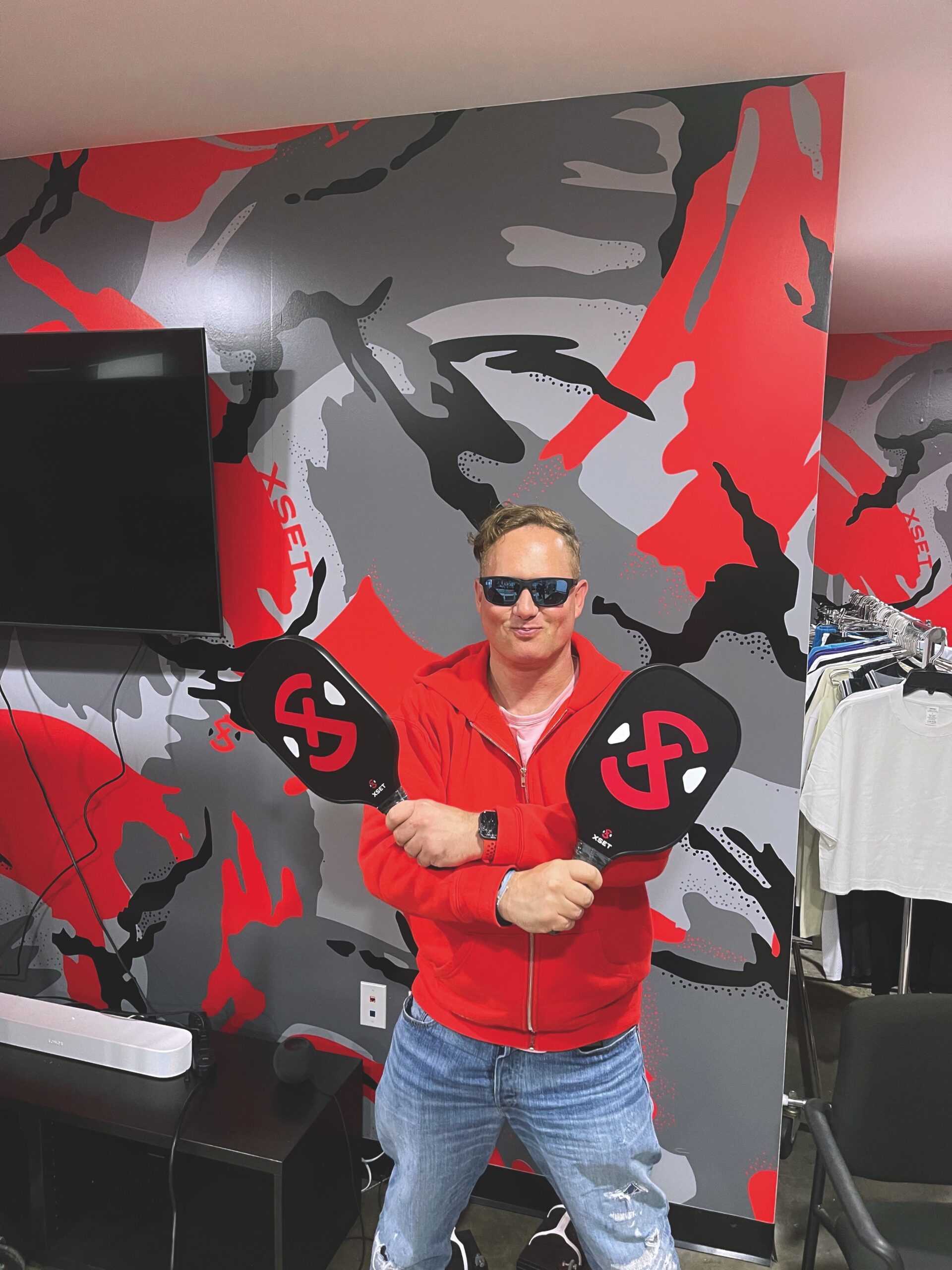
As esports companies grappled with its growing popularity and yet disappointing unprofitability, Greg Selkoe believes he has found the answer. Selkoe, an entrepreneur, worked at tech-enabled fashion and e-commerce companies before bringing his expertise to gaming and esports. He founded Compton-based XSET, what he calls the Barstool Sports of the gaming world.
The Business Journal sat down with Selkoe to talk about how his company is growing while still navigating an industry still in its infancy.
XSET is a pretty unique company in terms of how it operates in the esports space. You came about it in a roundabout way – can you share that story?
I grew up in Boston (and) went to Rollins College. I graduated and went to Harvard for grad school. In between college and grad school, I started a company called Karmaloop and grew Karmaloop to over a billion dollars in revenue. It’s an e-commerce site that sells streetwear. We were the first e-commerce platform to have a YouTube channel. It’s really content and community commerce, and we wound up selling a big chunk of that.
I left there, moved to Silicon Valley and started a (fashion) artificial intelligence company with (serial entrepreneur) Paul Judge and ran that for about a year and a half. Then I moved on to West Hollywood. I got involved with an esports and gaming content company called FaZe Clan, which I co-ran for about two and a half years. While I was there, I learned a lot about the space. I felt like there were a lot of similarities between that and what I was doing in streetwear before. To me, gaming was more than just esports. It was really a culture that was going on.
It’s among the fastest growing entertainment verticals in the world.
A lot of people don’t realize gaming is bigger than movies, music and TV, combined. There are 3.5 billion gamers globally, 45% of them are women and it’s a massive audience. And just like any pastime, whether it be skateboarding or surfing or punk rock, clothing and culture and slang all kind of grow around it. Gaming is the epicenter for a lot of people’s lives. They watch a ton of gaming content – they watch YouTube, they watch TikTok, they watch Twitch, which is a live streaming platform. They learn about new trends. Their heroes are famous streamers.
I noticed that at FaZe Clan, in terms of the esports part of the business, they were one of the best. They won a lot of championships, but it definitely costs a lot of money to run an esports team. And they were losing a lot of money on esports, but they were making money on the content.
I feel like your background in fashion e-commerce must have really played a role in how you saw the future of esports companies.
In 2020, around when Covid happened, I sold my piece of (FaZe Clan). I started XSET.
I really planted our flag in the ground saying we’re going to be a different kind of gaming brand. That meant we were (going to) be much more broad. We’re a gaming brand for everyone: women, people of all different backgrounds, different places. Gaming was global, it was universal, and we wanted it to reflect that.
In the beginning, we did have some esports, but even in the first business plan I wrote, I said XSET is a gaming lifestyle brand. XSET is a media company.
So, we always kind of envisioned is okay, there are 3.5 billion people that game and there’s a culture around it. There needs to be some kind of media for gaming lifestyle. Now, there’s plenty of media about esports. But there’s so much room in the gaming space. There’s room for us, Mr. Beast (a gamer-turned-YouTube celebrity) and probably three or four other large brands that services the demo.
One of the first things I had to do as a business was to get XSET on the map and get it noticed. So, one of the things we did is we got a bunch of celebrity investors to invest into the company and be part of the company. These are people who are all authentically gamers. We got six guys from the NFL, including (Dallas Cowboys running back) Ezekiel Elliott, three guys from the NBA, including (the Los Angeles Lakers’) Deandre Ayton. (We got musical artists) like Swae Lee, Ozuna, T Grizzly and Lil Wayne.
What that did is it really put us on the map quickly, because these guys reach millions of people, and they were gamers. Pretty quickly we became one of the best-known gaming brands in North America. Then we had to figure out how we were going to make money.
Right, you mentioned the esports arm of FaZe Clan being really expensive. Esports is generally really unprofitable, which is crazy because I remember all the investment that went into it. What’s that about?
A lot of these esports brands are failing, right? Just to digress for a second as it relates to esports. Right now, esports is, as a team, not a profitable business. And there was a lot of money thrown at it; so, the amount of money that was invested versus the returns … a lot of these entities went under or shrunk way down because a lot of people lost money. Everyone thought it was going to be the next traditional sport like football and baseball, but those sports have been played for a hundred years.
The New York Times wrote a story in 2022 about how traditional money-making tactics in sports like building fanbases in specific geographic regions don’t translate to esports. How do we make sure it’s profitable?
The real stars of gaming are the ones who create content and game and talk to their fans.
My thinking is that esports will ultimately be super successful. It’s undeniable. There are so many eyeballs there; and anytime you have that many eyeballs and basically a market that has millions and millions of dollars and young people who want to be engaged, you can make money. They have to figure out the model, and it will get figured out at some point.
However, I don’t have 10 years to figure it out and lose money (in the process). So, what we really decided to do is focus on the area of the business that was making money, which is what we call this gaming lifestyle. We’ve got a bunch of people … we got Fax, Any Clicks, Frantic, Higgs. These are people who are household names to young people who game. We create content with them. We create merchandise for them.
It’s almost like a collective of creative people all working together to build a brand. Over that period of time, by about 2024, we really have figured out the model. We do a tiny little bit of esports in Fortnite. We’re very big in Fortnite, but most of the time, we’re 95% focused on making content, merchandise and being active at live events like meet and greets with fans.
We’ve also done deals with the NBA, the NFL and the Boston Red Sox. They all realize that they don’t do stuff in gaming, and they’re just not going to reach the next group of fans and consumers.
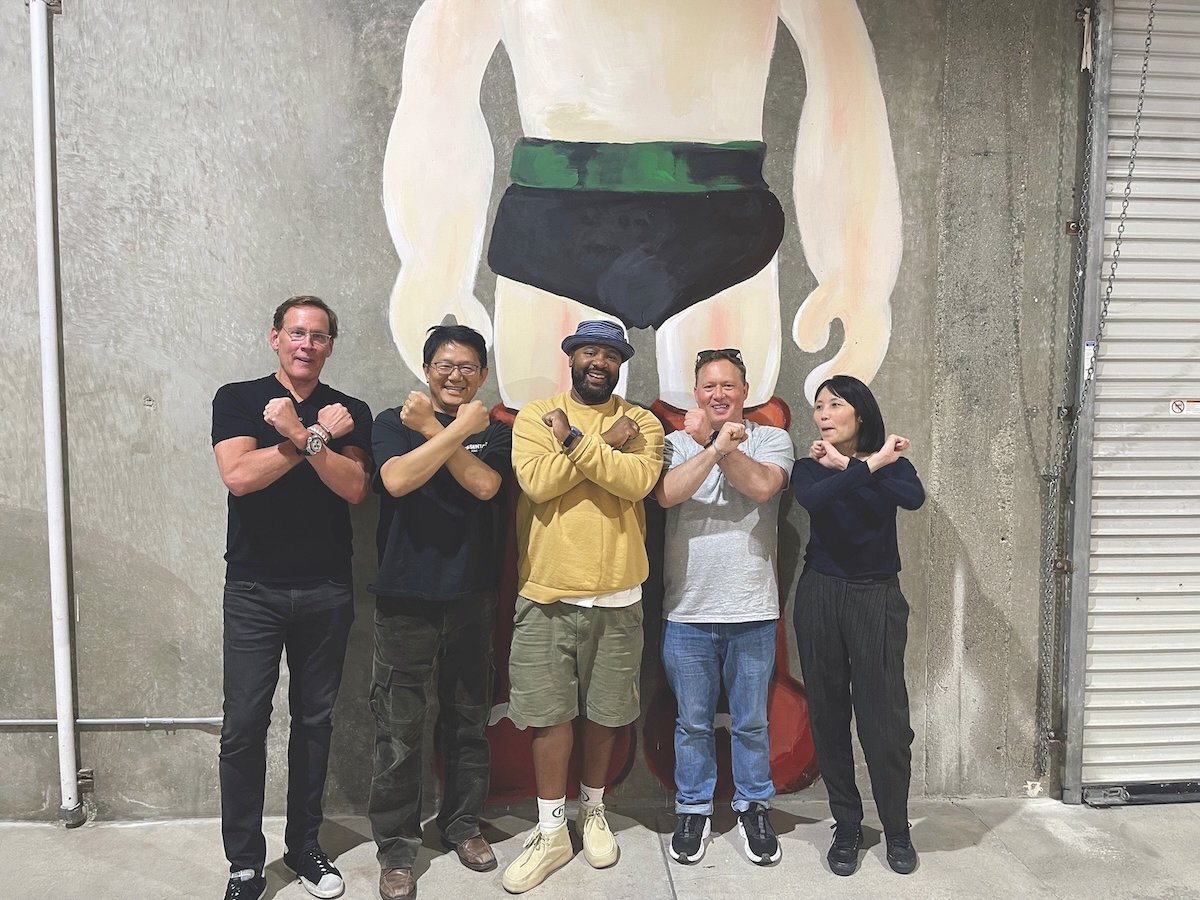 Content: XSET is
a gaming-oriented media company. (Photo c/o XSET)
So is that the majority of the company’s strategy, as opposed to just the esports and the tournaments?
Yeah, it’s 90% of our strategy. We don’t have to make money in esports because we make money outside of esports, right? If we break even (in esports), that’s great. We broke even last year. But we have to win everything because when you win, you get prizes. The chances of you having the female and male world champion teams every year is probably unlikely.
The real focus is that we’re a media company. We’re like Good Good Golf, like Bleacher Report, like Barstool Entertainment, like Complex. Our hook is gaming, but we cover music, fashion, art, entertainment and traditional sports.
I know XSET is raising money and hoping to close in November. As a tech reporter, I always want to know what the proprietary ‘thing’ is about a company that gets investment, because on the surface it looks like a lot of them are doing the same thing. What’s the proprietary sell for XSET? Is it the data you’ve collected? The content creators themselves? Can you tell me about what gives XSET the competitive advantage?
What they’re investing in is a couple of things. One is the large audience that we’ve gotten on different platforms, that we have access to and control information. We also have a lot of content. We’re making a lot of content. The content has value as a content library, and we’re able to monetize that content.
Why would you invest in Good Good Golf? Well, because it’s now the premier content brand for golf. So, when you own a vertical and when you have a brand that’s coveted by a certain demographic and you’ve built that brand over five years – we’re five years old – through genuine interaction and you continue to provide them content and people and things that they like, that brand has a ton of value.
Do you have a ballpark for how much money you’re trying to raise?
Yeah, $25 million.
XSET is five years old. Where do you see this esports and gaming industry going in the next five years or so?
Just to be clear, we don’t consider ourselves an esports company.
Right, a media company.
However, I think in the next five years with esports, a lot of times when something gets hot, it goes up and down. The first wave of esport teams came, it was said that they’re already worth a billion in three years. They weren’t, and a lot of people lost money, a bunch of teams went out of business and a bunch of them retooled. But the people are still out there watching esports, right?
By five years from now, the folks who are entering the esports market now, or who were in the first generation but stuck it out and are still on it, I think ultimately, they will figure out how to make money.
But look, Amazon did that. Facebook did that. They didn’t make money for years, and people kept throwing money at them because they said eventually, we get to scale, we figure out the strategy, and they were right. And now they make a ton of money.